
Film
For Me and My Gal
A vaudeville romance that captures the bittersweet collision of personal ambition and wartime duty. Judy Garland and Gene Kelly dance and sing their way through a love story that's ultimately about sacrifice—what you give up when duty calls, and whether love survives it. Energetic, earnest, and genuinely moving beneath the song-and-dance numbers.
Should you watch it?
Watch it if you love backstage musicals where the songs grow out of the characters' rough, scrappy touring life, and you want a romance with real bite between two performers who argue as well as they sing.
Skip it if the sentiment runs warm and the big numbers are old-fashioned, so if wartime patriotism and stage-era sweetness wear you thin, the mood may feel dated.
What it asks of you: Settle in for a full-length, unhurried film of roughly an hour and three quarters, with a bright, sentimental tone that gives its songs room to breathe.
Not sure? Find tonight's pick in a minute.
If you liked this
Singin' in the Rain1952
The gold standard of the Hollywood musical: Gene Kelly at peak brilliance, a perfect screenplay, and numbers that justify the entire form's existence. Pure joy filmed flawlessly.
But If you need plot to care, the story is gossamer-thin. Some find the whimsy relentless rather than charming.

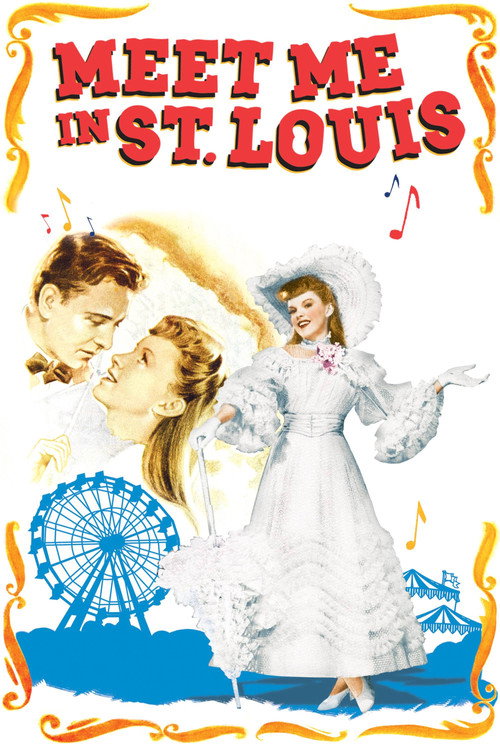
Meet Me in St. Louis1944
Judy Garland in her element, a film that understands how music can express emotion better than dialogue ever could. Warmly nostalgic, beautifully shot, genuinely touching.
But The pacing is deliberate and the tone shifts from whimsy to something darker. It won't move as fast as you might expect.
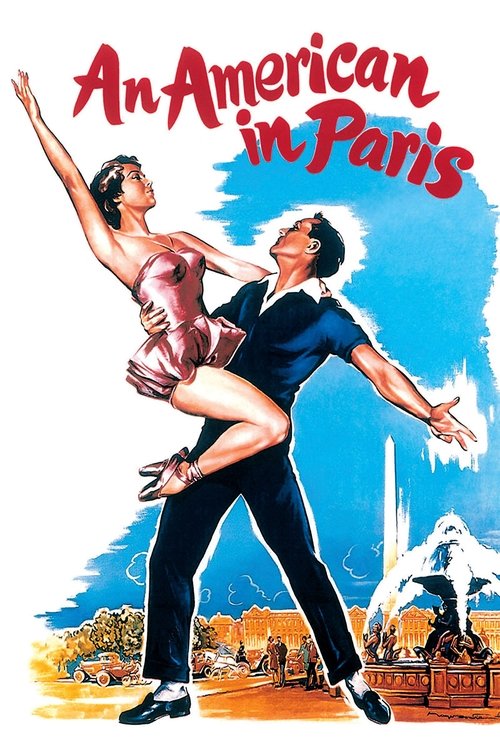
An American in Paris1951
Gene Kelly again, but here in a film about art, ambition, and finding yourself in a new world. The extended ballet finale is astonishing. Sophisticated and romantic without being sappy.
But Nearly three hours, and the middle hour drags. The romance takes a while to earn its emotional payoff.
Not sure tonight? Get a pick in a minute, starting from For Me and My Gal
The wildcard
Something you would not have found on your own.
The Best Years of Our Lives1946
Both grapple with the collision between romantic possibility and wartime absence, but Best Years treats it as genuine tragedy rather than bittersweet entertainment.
Made just after WWII ended, this film understands what Garland and Kelly's characters face: the civilian world trying to make sense of those who went to war. It's heartbreaking and unsentimental in ways For Me and My Gal only hints at.
But At nearly four hours and in black and white, it requires patience. The emotional weight is relentless—this is not escapism.

More like this (8)
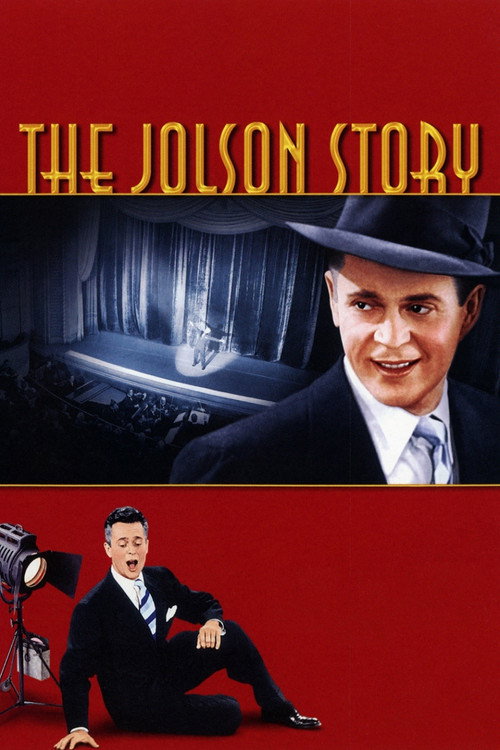
The Jolson Story1946
A genuine attempt to tell the life story of a vaudeville star, with real musical sequences woven through drama. If you want the show-business backdrop without the fickleness of pure musicals.
But The acting is stiff and the narrative is hagiographic. It's a museum piece about a museum piece.
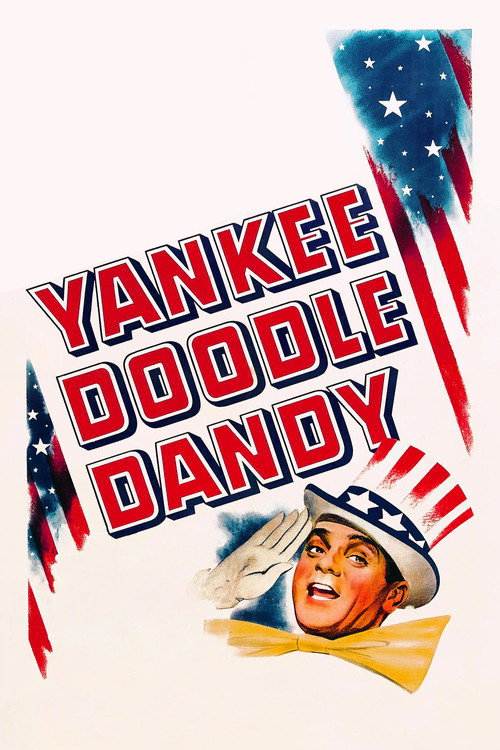
Yankee Doodle Dandy1942
James Cagney as George M. Cohan—another vaudeville star, another performer torn between family and ambition. Spirited, fast-paced, genuinely funny, and Cagney can dance.
But The sentimentality in the third act feels unearned. The film wants you to love the subject more than the film earns it.
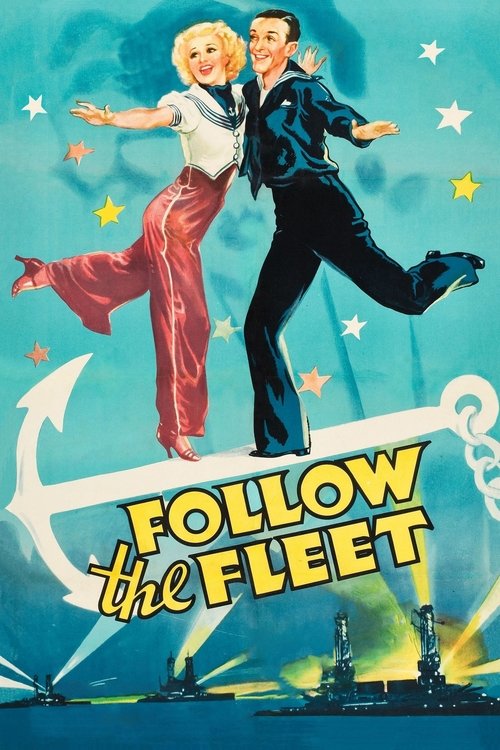
Follow the Fleet1936
Fred Astaire and Ginger Rogers in a naval-themed musical that's less precious than their other collaborations. Sharp dialogue, genuine chemistry, and the dancing is impeccable.
But It's a pre-war film with somewhat dated attitudes. The plot is negligible even by musical standards.
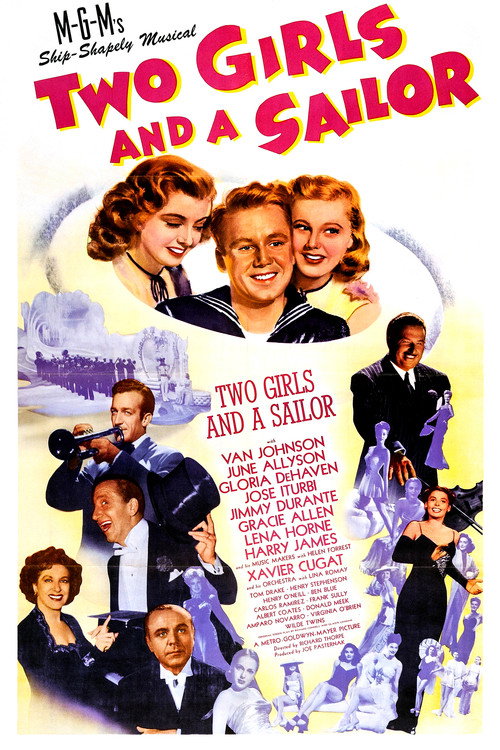
Two Girls and a Sailor1944
Van Johnson and June Allyson in a wartime musical that captures the anxious energy of the home front. Lighter than For Me and My Gal but with real stakes underneath.
But The production values are notably lower than MGM's A-list musicals, and it shows. The script is thin even for the form.
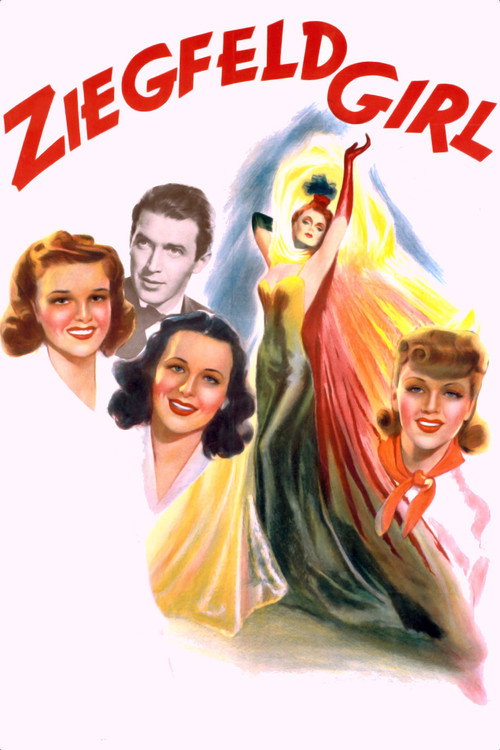
Ziegfeld Girl1941
Judy Garland, Hedy Lamarr, and Lana Turner in a backstage drama about the glamour and cost of showbusiness. More melodrama than musical, which gives it unexpected weight.
But The tone is all over the place—it can't decide between camp and tragedy. Some sequences feel like they're from different films.
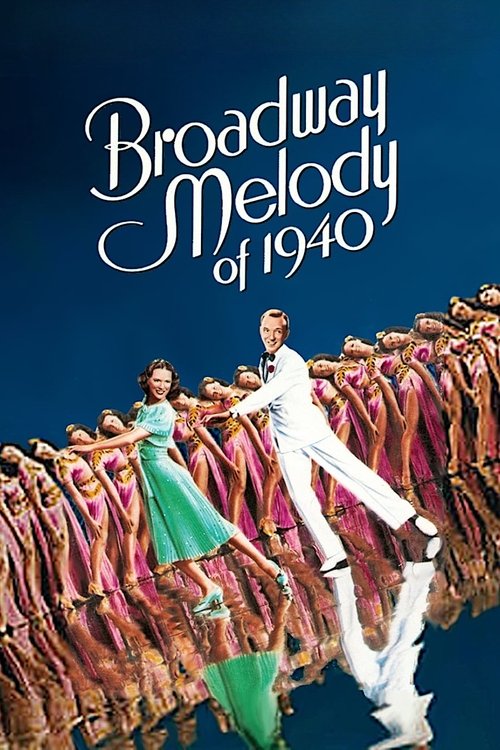
Broadway Melody of 19401940
Fred Astaire and George Murphy before wartime got serious, a pure song-and-dance picture with genuinely inventive choreography and no pretense to anything deeper.
But Plot is barely present. If you need narrative momentum, this will feel like an endless sequence of vaudeville acts.
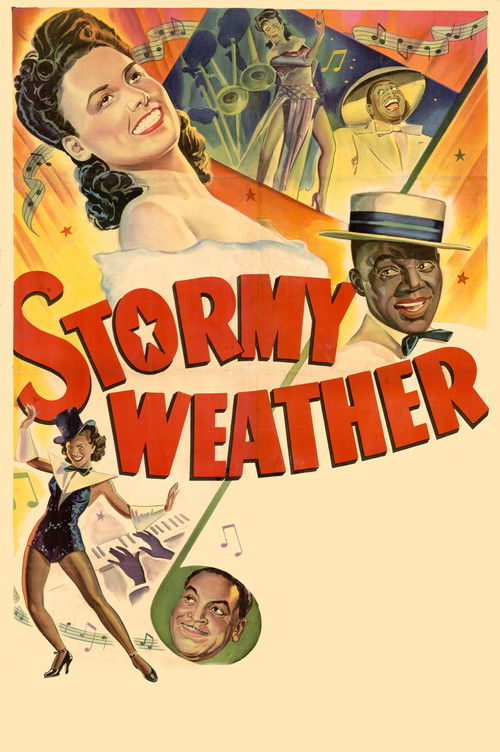
Stormy Weather1943
Both films are 1942-43 vaudeville-rooted musicals serving a wartime audience, but Stormy Weather shows what the same form achieved against systematic obstacles.
Lena Horne and Bill Robinson in an all-Black musical that was Hollywood's attempt to compete with the success of For Me and My Gal—but made without access to MGM's resources or cultural standing. The performances are electric precisely because they had to be.
But The plot is even thinner than typical musicals and the film was immediately segregated in Southern theaters. It's a historical document of both artistry and racism.
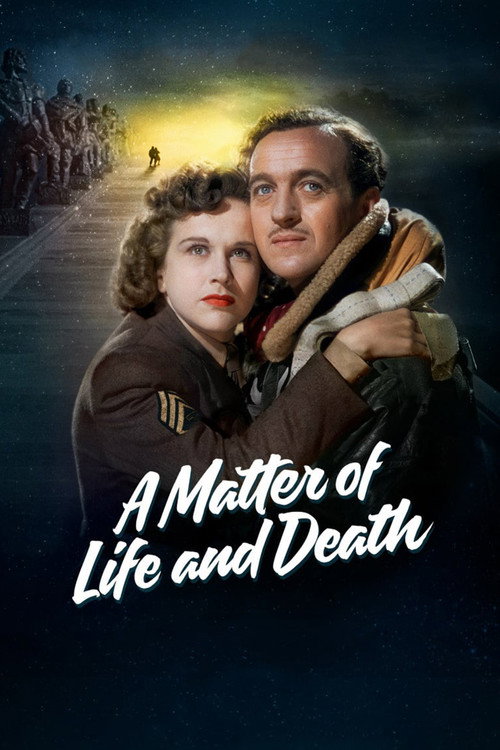
A Matter of Life and Death1946
Both ask whether love and duty can coexist, but Matter of Life and Death answers the question with surrealism and metaphysics rather than the gentle compromise Garland and Kelly's film settles for.
A British film (aka Stairway to Heaven) that fuses romance and war into something that feels like a fever dream. David Niven as a pilot who's supposed to die but falls in love, and the film literally argues with Death itself about love's value.
But It's weird, overheated, and proudly unconcerned with naturalism. If you want grounded emotion, this operates in pure fantasy. Some find it precious rather than profound.
People
Cast
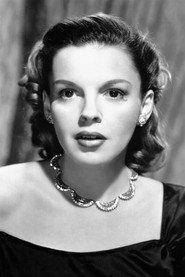 Judy GarlandJo Hayden
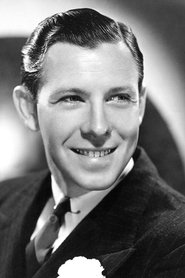 George MurphyJimmy K. Metcalf
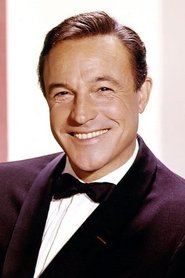 Gene KellyHarry Palmer
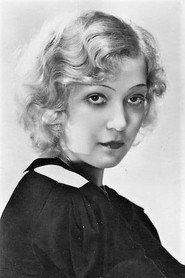 Mártha EggerthEve Minard
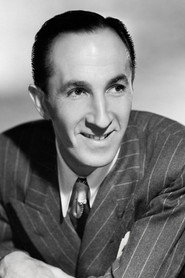 Ben BlueSid Simms
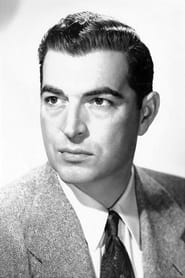 Stephen McNallyMr. Waring
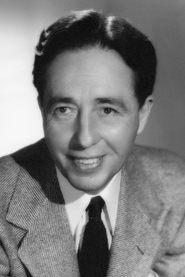 Lester DorrStage Manager (uncredited)
- Ernie AlexanderTheater Workman with Big Die (uncredited)
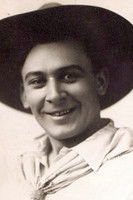 Hooper AtchleyAssistant Stage Manager (uncredited)
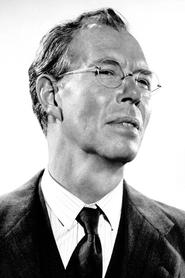 Walter BaldwinBill (uncredited)
- John BreenSoldier (uncredited)
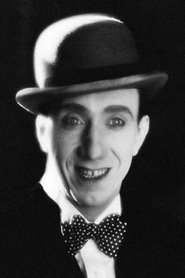 George DavisFrance Taxi Driver (uncredited)
Directing
- Bill RyanAssistant Director
- Busby BerkeleyDirector
Writing
- Fred F. FinklehoffeScreenplay
- Richard ShermanScreenplay
- Sid SilversScreenplay
- Howard Emmett RogersStory
Production
- Arthur FreedProducer