
Film
Babes in Arms
- Comedy
- Light-hearted
A 1939 musical comedy where Mickey Rooney and Judy Garland are young vaudevillians staging their own show to save their parents from the poorhouse. It's pure energy—wisecracks, production numbers, and the kind of underdogs-putting-on-a-show plot that feels like watching people fall in love with performing. For anyone who adores the golden age of Hollywood musicals or wants to see why Rooney and Garland were stars.
If you liked this
Singin' in the Rain1952
The blueprint for the Hollywood musical perfected: Don Lockwood and Lina Lamont navigate love and ego through impossible dance sequences. Every number justifies its existence, and the joy is contagious and earned.
But The plot is thin by design, existing only to string together set pieces. If you need narrative momentum over spectacle, it will feel like treading water.

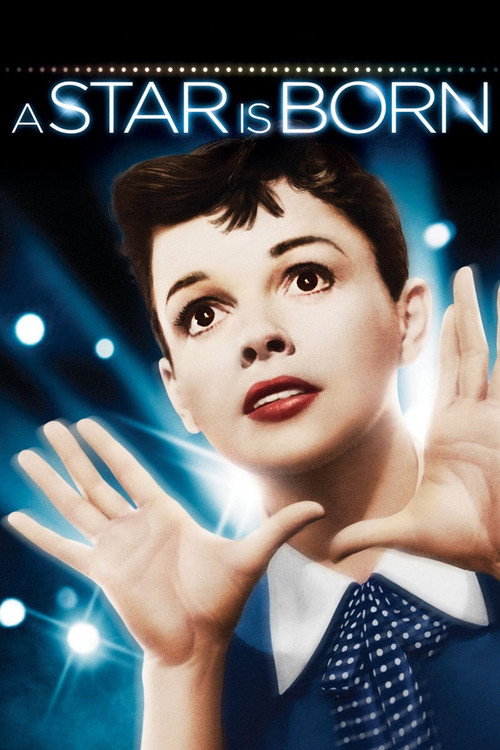
A Star Is Born1954
Judy Garland gives one of cinema's most raw, vulnerable performances as an ingénue chewed up by ambition and a system designed to break her. It's a musical, a tragedy, and a mirror held up to Hollywood itself.
But It's nearly three hours and doesn't shy from darkness. The restored cut includes musical numbers that slow an already heavy pace.
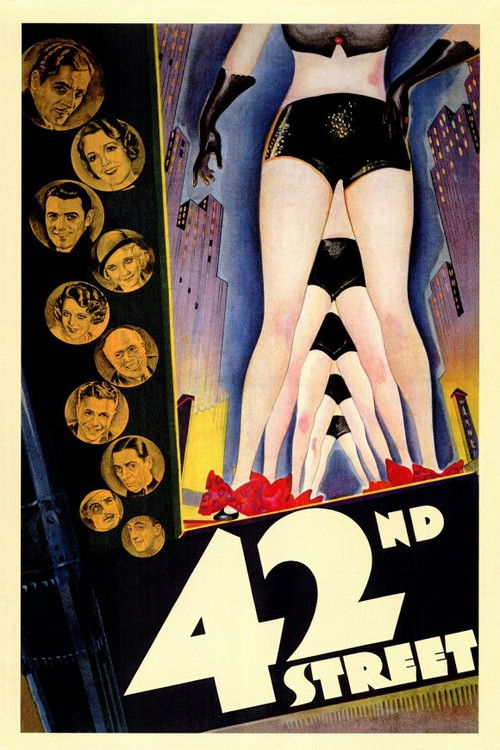
42nd Street1933
The granddaddy of backstage musicals: chorus girls, ruthless directors, and Busby Berkeley choreography that treats dancers like living geometry. It set the template and executes it with genuine wit and invention.
But The women exist mainly as objects to arrange and photograph. The sexual politics are uncomfortable, even for 1933.
Not sure tonight? Get a pick in a minute, starting from Babes in Arms
The wildcard
Something you would not have found on your own.
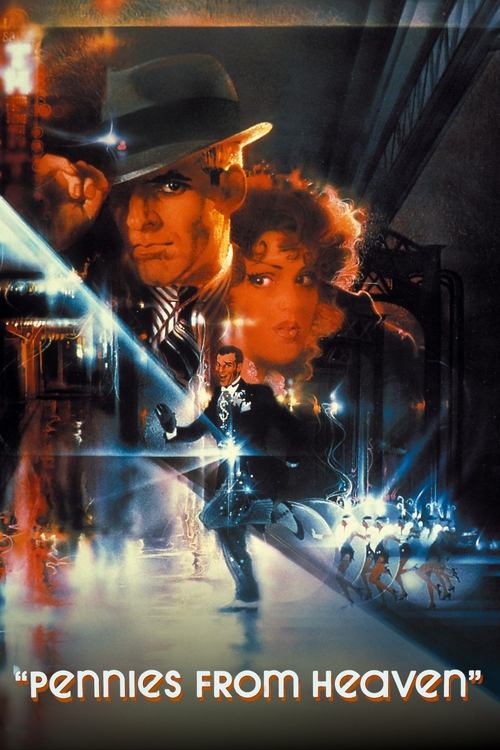
Pennies from Heaven1981
Both use the theatrical vernacular—song, dance, spectacle—as a solution to economic hardship, but Pennies asks whether that solution is lie or lifeline.
Steve Martin as a Depression-era sheet music salesman whose fantasies explode into Busby Berkeley-style dance sequences that contradict his grim reality. The contrast—between what he imagines and what is—breaks your heart with style.
But It's a musical that's fundamentally about despair and sexual shame. The fantasy numbers offer no real escape, and neither does the film. It will not cheer you up.
More like this (7)
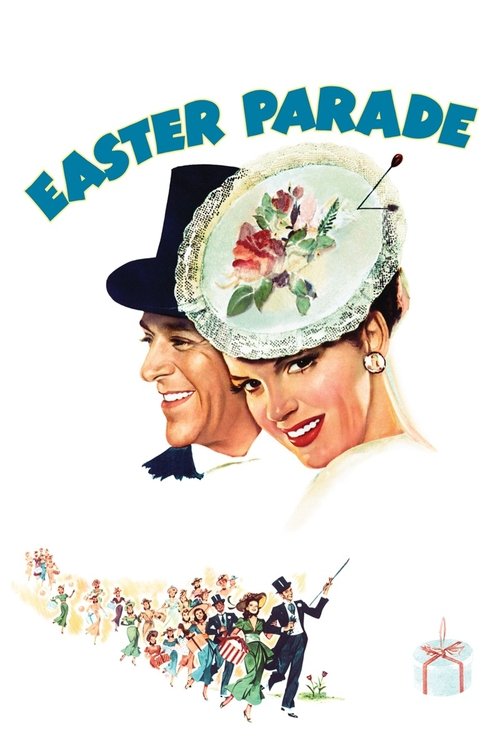
Easter Parade1948
Fred Astaire and Judy Garland dancing and trading barbs as a vaudeville team at war. The numbers are sublime, the chemistry antagonistic in exactly the right way, and it moves with frictionless charm.
But It's a revenge fantasy wrapped in tulle—if you don't believe in romantic resolution through humiliation, the ending will not land.
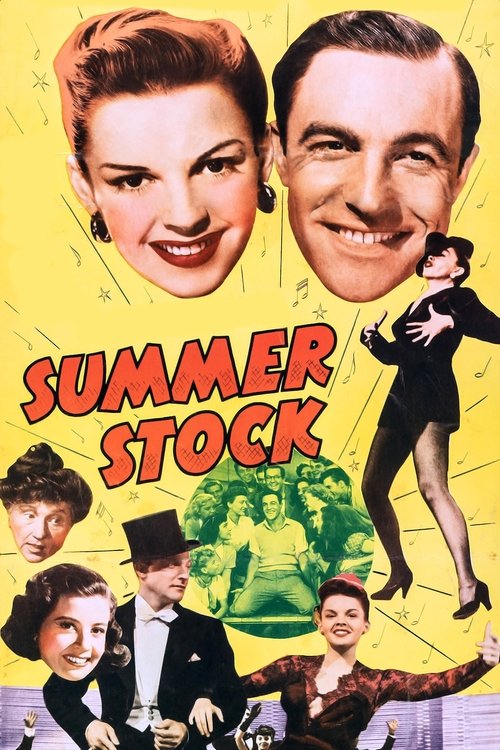
Summer Stock1950
Judy Garland on a farm, Gene Kelly visiting for the summer, and a community theatrical production that becomes real. The 'If You Feel Like Singing, Sing' number alone justifies the evening.
But Garland was unwell during filming and it shows in places. The first act is baggy and sets up conflicts that resolve too easily.
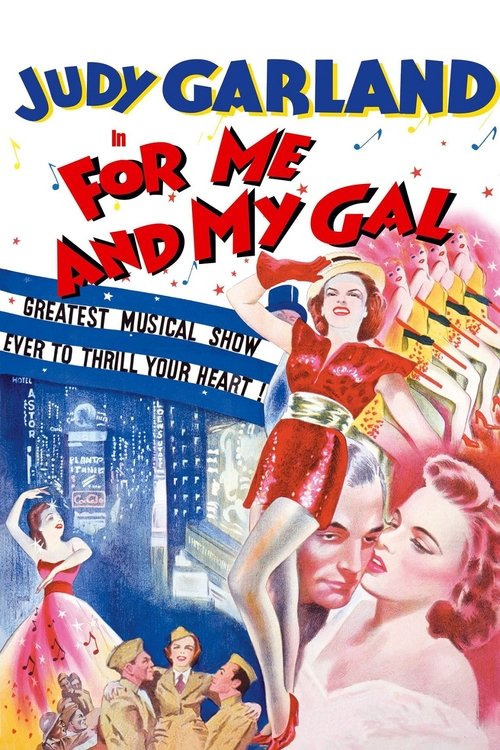
For Me and My Gal1942
Judy Garland and Gene Kelly as vaudevillians negotiating love, ambition, and the First World War. It has bite beneath the gloss—a real story about selfishness and betrayal, not just romance.
But Kelly plays a cad for much of it. If you need him charming from beat one, his arc will feel like punishment.
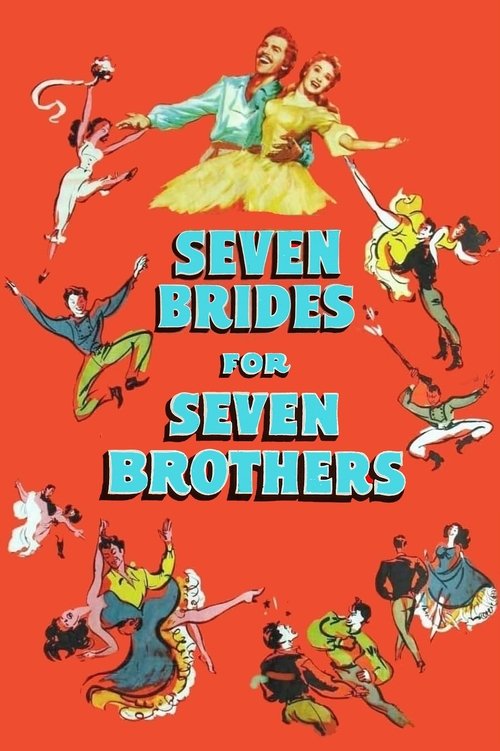
Seven Brides for Seven Brothers1954
A logging camp marriage comedy with Michael Kidd choreography that uses the landscape and the men's bodies as instruments. It's joyful, kinetic, and somehow both corny and genuinely inventive.
But The gender politics are rocky—women as prizes and properties. It's a fun film made by people who didn't interrogate what they were saying.
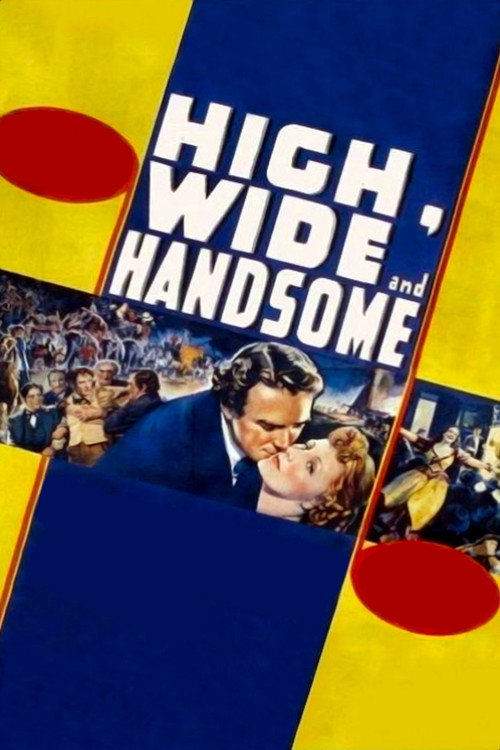
High, Wide and Handsome1937
A musical western about oil derricks and railroad tycoons, executed with genuine scale and weird ambition. It's peculiar enough to feel like a discovery, entertaining enough to justify the oddness.
But The plot tangles itself. The tone veers between comedy and melodrama without landing cleanly in either.
The Red Shoes1948
Both films are about the machinery of performance—how you become an entertainer, what the system demands. But where Babes in Arms celebrates the show going on, The Red Shoes asks whether art is worth dying for.
A ballet dancer must choose between art and love in Michael Powell's baroque fever dream of a film. The central 17-minute ballet sequence is the most beautiful thing ever committed to celluloid—you'll forget to breathe.
But It's a tragedy dressed as melodrama, and it's also a weird, operatic thing that doesn't pretend to naturalism. Some find it magnificent, others precious beyond bearing.

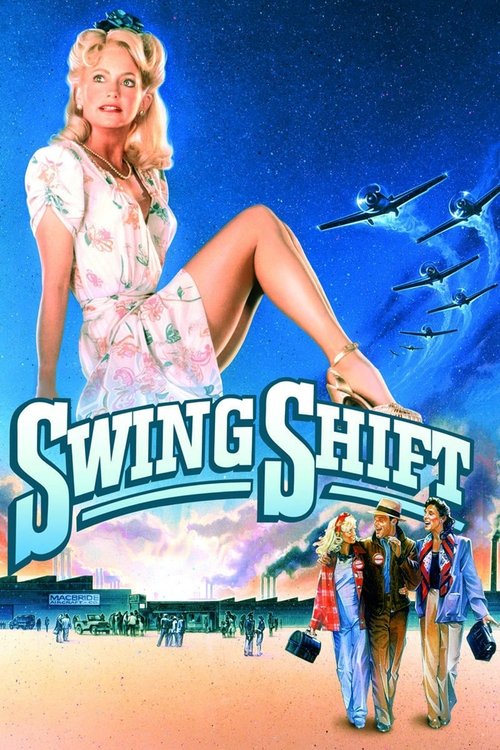
Swing Shift1984
Both films climax in theatrical performance, but Swing Shift uses the show as a moment of resistance rather than salvation—the entertainment is the point of freedom, not an escape from the real world.
During World War Two, women take factory jobs and discover independence, sexuality, and musical possibility during their breaks. It's a musical in the bones—songs as protest and joy—set in wartime, making theatrical vitality political.
But The film undercuts its own premise. It concludes that women's wartime emancipation should reverse once men return, and sells that as romantic rather than tragic.
People
Cast
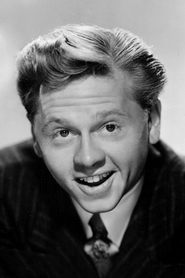 Mickey RooneyMickey Moran
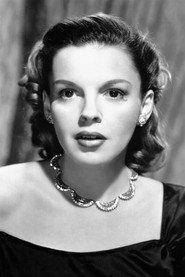 Judy GarlandPatsy Barton
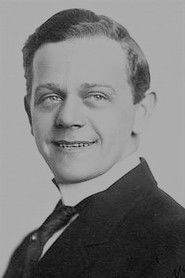 Charles WinningerJoe Moran
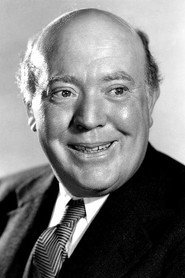 Guy KibbeeJudge Black
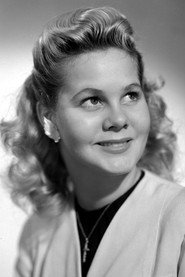 June PreisserRosalie Essex
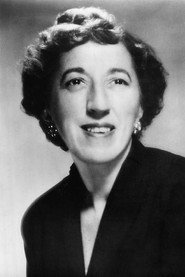 Margaret HamiltonMartha Steele
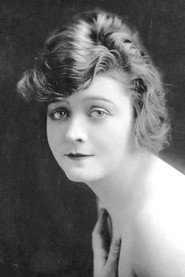 Grace HayesFlorrie Moran
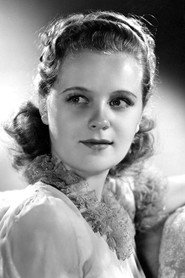 Betty JaynesMolly Moran
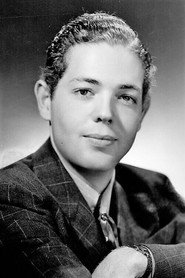 Douglas McPhailDon Brice
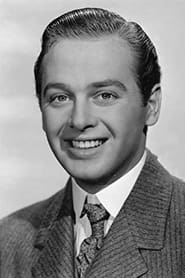 Rand BrooksJeff Steele
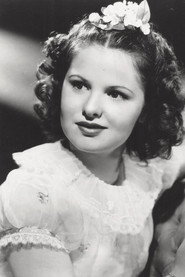 Leni LynnDody Martini
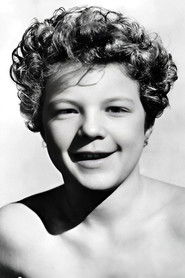 Johnny SheffieldBobs (as John Sheffield)
Directing
- William RyanAssistant Director
- Busby BerkeleyDirector
Writing
- Lorenz HartLyricist
- Jack McGowanScreenplay
- Kay Van RiperScreenplay
- Lorenz HartTheatre Play
- Richard RodgersTheatre Play
Production
- Arthur FreedProducer
- Art SmithUnit Manager