
Film
Swing Shift
A 1984 wartime drama about women who discover independence and ambition while building aircraft during WWII. Goldie Hawn anchors this earnest, character-driven story with genuine warmth. It's intimate rather than sweeping—focused on friendship, desire, and the strange liberation that comes when men go to war. For anyone who loves ensemble pieces about ordinary people in extraordinary times.
If you liked this
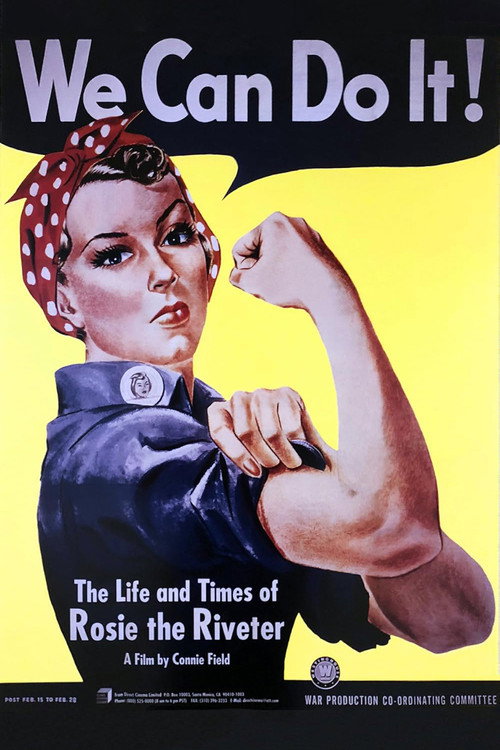
The Life and Times of Rosie the Riveter1980
A documentary that contextualizes what Swing Shift dramatizes. Features real interviews with women who worked in factories during WWII, their own voices and memories providing the historical backbone the film plays with.
But It's a straightforward documentary—no narrative arc or romantic tension, just testimony. Slower paced and deliberately unglamorous.
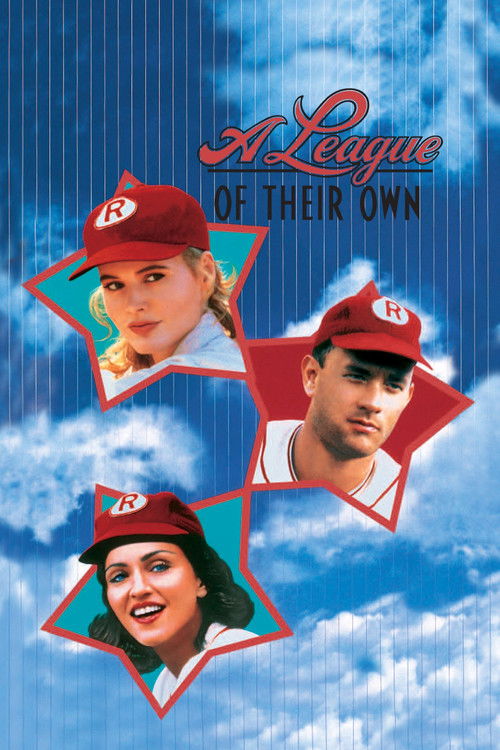
A League of Their Own1992
Same era, same DNA: women discovering capability and camaraderie while men are away. Penny Marshall finds comedy and genuine emotional stakes in the same territory. Features ensemble work that feels alive.
But Broader in tone and more overtly comedic. If you want the melancholy and restraint of Swing Shift, this cheerfulness might feel like a different film.
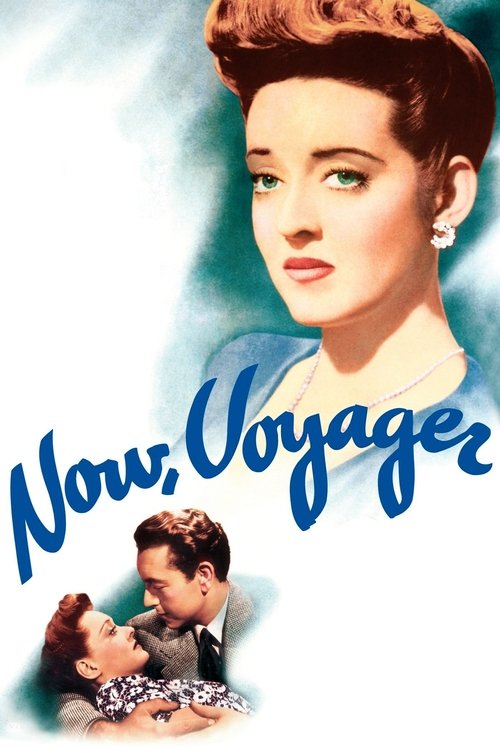
Now, Voyager1942
A woman transformed by circumstance and the attention of a good man, discovering what she wants for herself. Bette Davis glows. It's melodrama, but it's *felt* melodrama—the emotional core Swing Shift is reaching for.
But Made during the war, not after. The gender politics are 1942, which means they feel both moving and dated in specific ways.
Not sure tonight? Get a pick in a minute, starting from Swing Shift
The wildcard
Something you would not have found on your own.
The Killers1946
Both directed by Jonathan Demme—wait, no. Both concern themselves with how ordinary people are shaped by historical forces, but where Swing Shift finds grace in connection, noir finds only shadow and consequence. Same era, opposite conclusions.
Robert Siodmak's film noir uses the same 1940s moment but inverts the register entirely. Instead of intimate wartime romance, you get moral corruption and violence. Kurt Russell fans should see noir to understand what Siodmak was reaching for in Swing Shift.
But It's black-and-white, it's brutal, and it has nothing to do with women on the homefront. Tonal whiplash.

More like this (8)
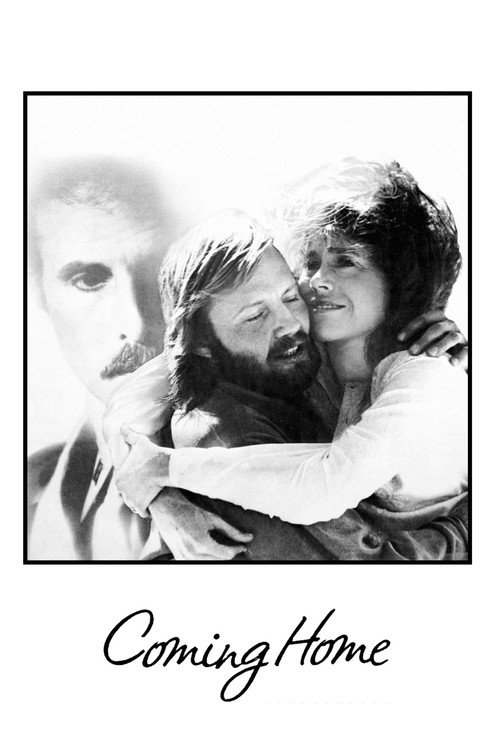
Coming Home1978
Jon Voight and Jane Fonda in a story about desire, absence, and the people left behind. Serious, sensual, morally complicated. It understands how war doesn't stop life—it redirects it.
But Vietnam-era, not WWII, and considerably darker in tone. The romance carries a weight of national trauma.
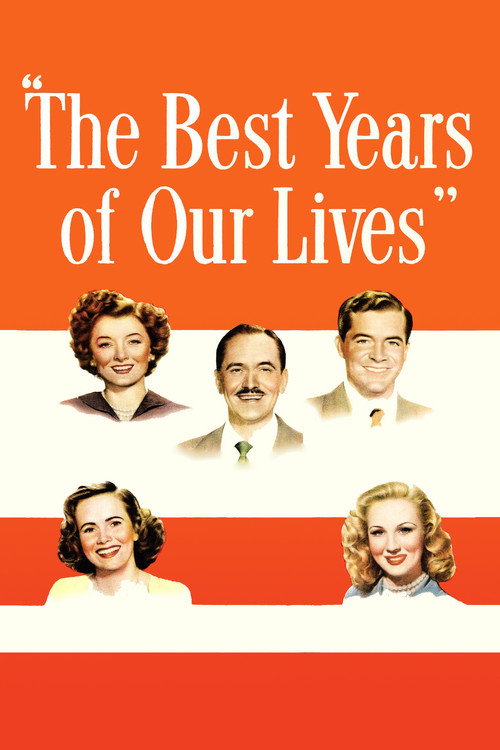
The Best Years of Our Lives1946
The definitive film about readjustment after WWII. Long, patient, with an ensemble of men trying to fit back into a world that changed while they were gone. Remarkably moving.
But It's two hours and forty minutes and contemplative rather than propulsive. Some find it slow; many find it the greatest American film ever made.
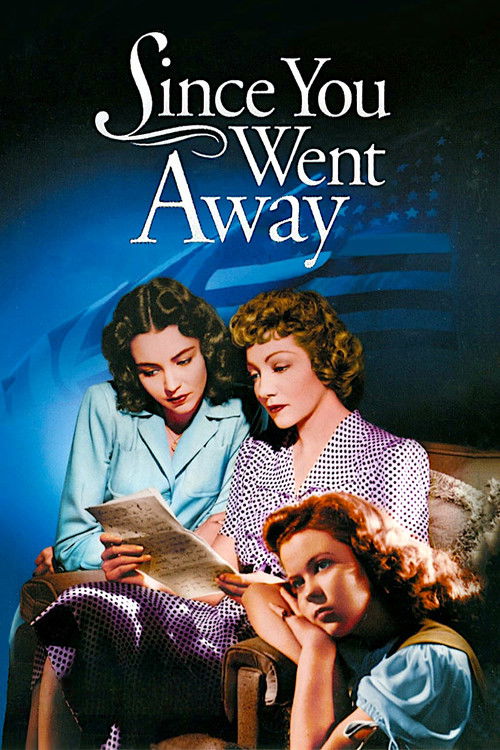
Since You Went Away1944
A wartime family drama that zeroes in on the women holding things together. Claudette Colbert and Jennifer Jones carry the emotional weight. Made during the war, so it has immediacy.
But Extremely earnest and sentimental by modern standards. The melodrama is front-loaded; some will find it overwrought.
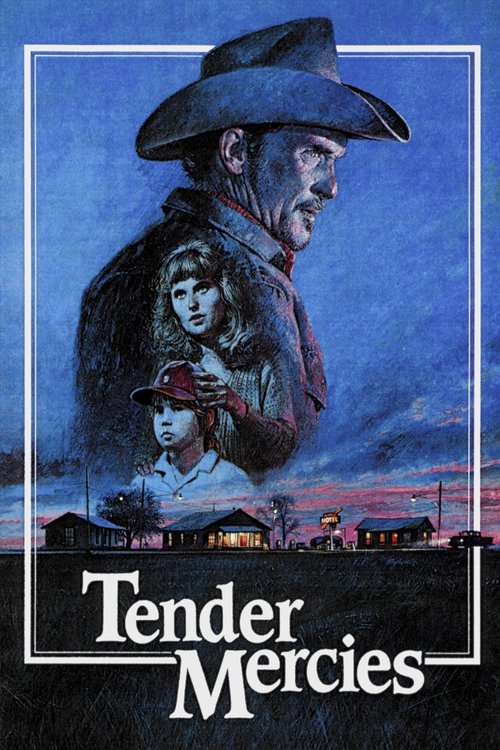
Tender Mercies1983
Released the year before Swing Shift, this is similarly modest in scope and intimate in feeling. Robert Duvall and Tess Harper in a quiet story about second chances and grace.
But No war, no plot propulsion. If you need narrative momentum, this will feel like very little happening.
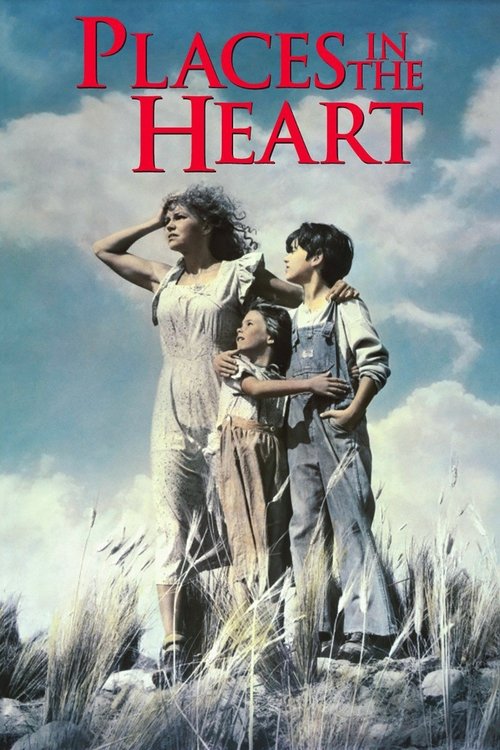
Places in the Heart1984
The same year as Swing Shift: Sally Field in 1930s Texas, discovering she can manage a farm alone. It has that same tone of quiet female capability emerging from crisis.
But Period piece with a Southern setting and pace to match. The famous final scene divides people sharply.
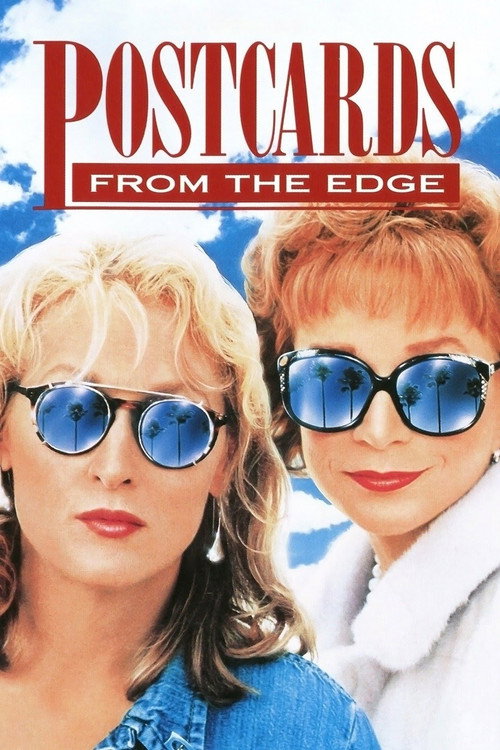
Postcards from the Edge1990
Meryl Streep and Shirley MacLaine in a character study about women navigating desire, work, and complicated love. Carrie Fisher wrote it; the dialogue snaps. Less about war, more about the same emotional terrain.
But By the nineties, so the film language is completely different. It's jagged where Swing Shift is smooth.
Grave of the Fireflies1988
Both set during WWII and both about people discovering what they're capable of, but Fireflies shows the cost Swing Shift's American homefront narrative can afford to elide. One is about blooming in wartime; the other about survival and extinction.
An animated film about two Japanese siblings surviving WWII. It's the inverse of Swing Shift's homefront story—war as apocalyptic loss rather than opportunity. Beautiful, devastatingly sad, animated in a way that makes the suffering more acute.
But It's animated, which some resist. More importantly, it's relentless in its sadness. Not cathartic; just true.

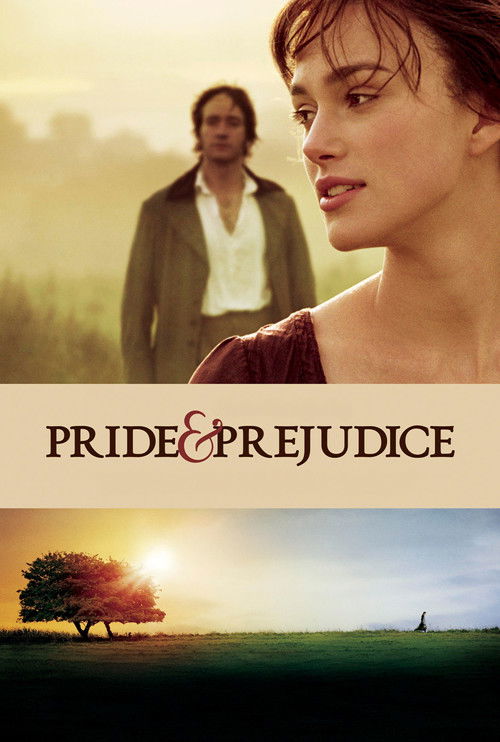
Pride & Prejudice2005
Both films trust that small, intimate stories about women figuring out what they want are as important as historical events. Both have a certain restraint and faith in understatement. Same emotional DNA, wildly different centuries.
Keira Knightley and the 2005 adaptation find the same emotional note as Swing Shift: women discovering desire, independence, and self-knowledge through connection. It's a romance, but it's also about women's interior lives mattering. Joe Wright's direction hums with the same quiet intensity.
But It's Jane Austen, so if period romance feels costume-y to you, this won't break the spell. Also beautiful in a way that can feel distant.
People
Cast
 Goldie HawnKay Walsh
 Kurt RussellLucky Lockhart
 Christine LahtiHazel Zanussi
 Fred WardBiscuits Toohey
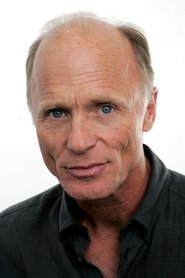 Ed HarrisJack Walsh
 Sudie BondAnnie
 Holly HunterJeannie Sherman
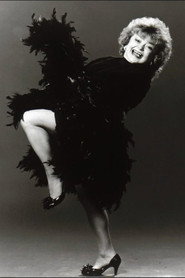 Patty MaloneyLaverne
 Lisa PelikanViolet Mulligan
 Susan PeretzEdith Castle
 Joey ArescoJohnny Bonnano
- Morris 'Tex' BiggsClarence
Directing
- Jonathan DemmeDirector
- Evelyn PurcellSecond Unit Director
Writing
- Nancy DowdWriter
Production
- Charles MulvehillAssociate Producer
- Alex WinitskyExecutive Producer
- Arlene SellersExecutive Producer
- Jerry BickProducer
- Charles MulvehillUnit Production Manager