
Film
The Life and Times of Rosie the Riveter
A 1980 documentary centering the voices of women who worked in American factories, mines, and shipyards during World War II. Through interviews and archival footage, it traces how these workers were recruited, celebrated, then systematically pushed out when peace returned. Essential viewing for understanding both wartime necessity and postwar erasure.
If you liked this
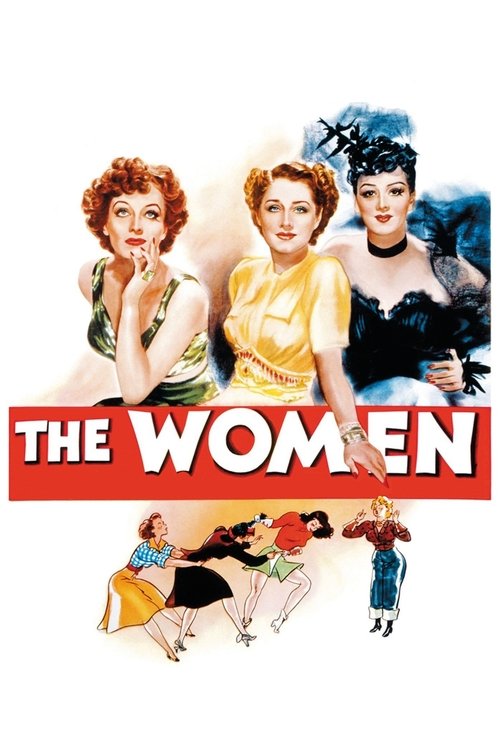
The Women1939
A witty, all-female ensemble comedy that captures women's professional ambitions, financial independence, and workplace dynamics with genuine insight. Remarkably modern in its refusal to make female competition a moral failing.
But It's a comedy first, so the sharper points about women's economic precarity are woven into sparkling dialogue rather than stated outright. Some may find the froth frustrating.
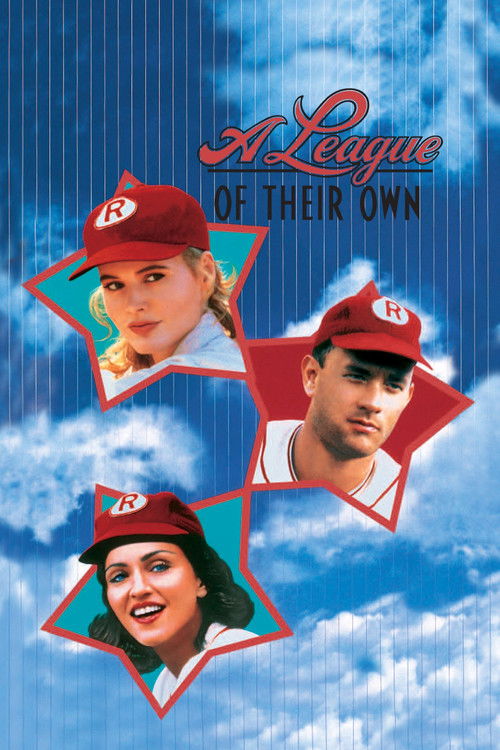
A League of Their Own1992
Women's professional baseball during WWII: a story of opportunity, skill, and the infrastructure built to replace absent men. Funny and moving without sentimentalizing the historical moment or its limits.
But Ends on a note of bittersweet reconciliation rather than justice. If you want righteous anger, this film's warmth may feel like a gentle letdown.
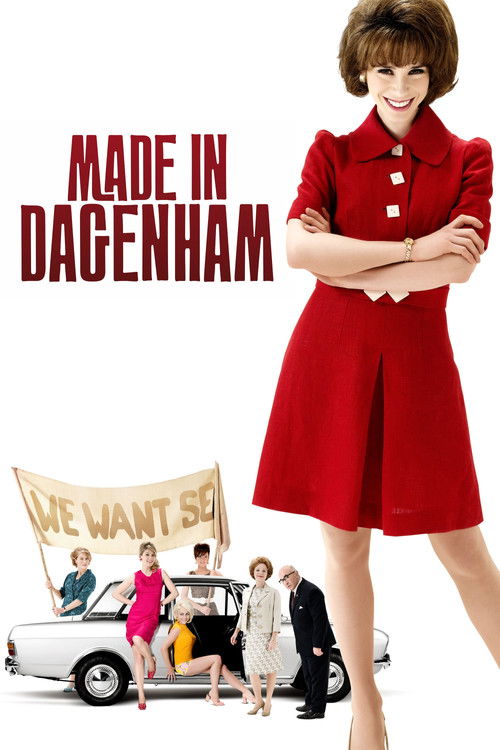
Made in Dagenham2010
British factory women in 1968 fight for equal pay. Grounded, unflinching look at how easily women's labour gets undervalued, and the solidarity required to push back. Sally Hawkins is magnificent.
But Fairly conventional narrative structure. If you've seen this kind of period drama before, you know the beats it will hit.
Not sure tonight? Get a pick in a minute, starting from The Life and Times of Rosie the Riveter
The wildcard
Something you would not have found on your own.
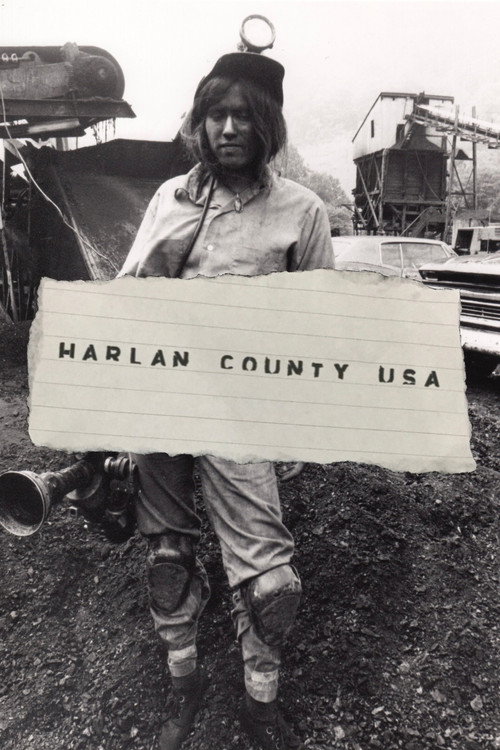
Harlan County U.S.A.1976
Both center working women's voices in industries built on their labour; both use archive and testimony to counter official history; both refuse to sentimentalize struggle.
Barbara Kopple's documentary about Kentucky coal miners—mostly men—but you watch women hold the line when the strike falters. They are immovable. Rawer and angrier than Rosie, no uplift in sight.
But Unpolished, sometimes hard to follow, occasionally chaotic. Made in the moment, not in retrospect. That immediacy can feel abrasive.
More like this (8)
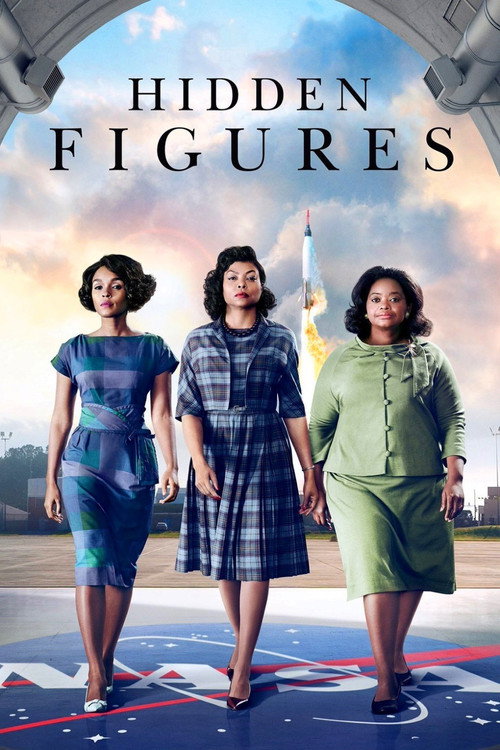
Hidden Figures2016
Black women mathematicians at NASA during the Space Race—another moment when women's expertise was essential and then forgotten. Celebrates brilliance while facing institutional racism head-on.
But Pitched as inspirational cinema. Some viewers find that tone flattens the systemic injustice at its core into a feel-good package.
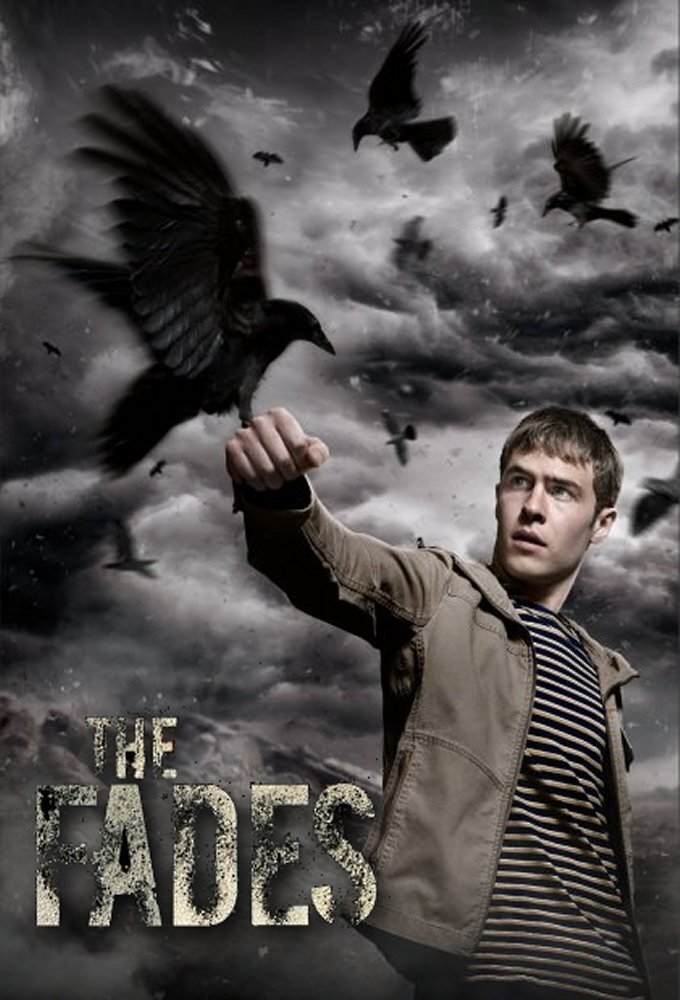
The Fades2011
A documentary series following four women workers through the 1970s and 80s as factories close and deindustrialization reshapes their lives. Intimate, unglamorous, deeply human.
But Deliberately slow-paced and observational. Not a narrative arc but a drift through time. Patience required.
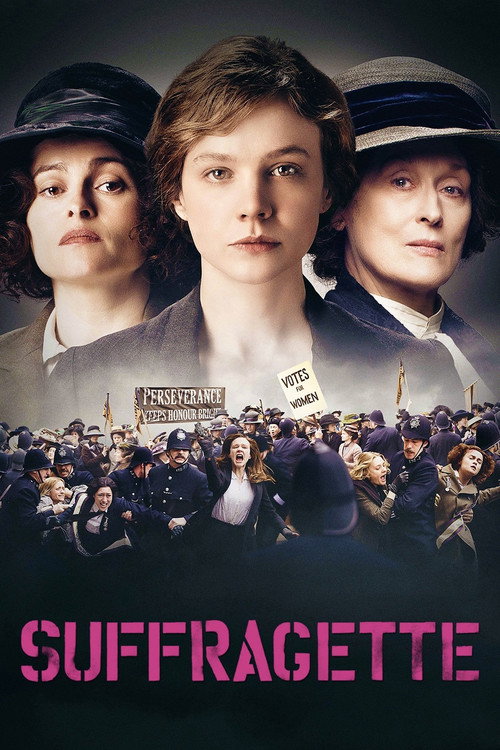
Suffragette2015
Women factory workers during the British suffrage movement, shot with grit and period authenticity. Reminds you that the fight for women's participation in public life has always been a working-class fight.
But Heavy-handed at times, and the film's feminism can feel imposed rather than organic. Some scenes verge on melodrama.
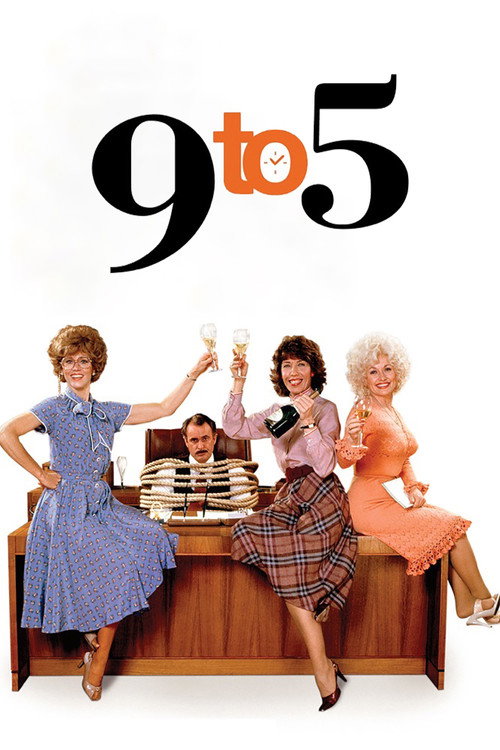
Nine to Five1980
Released the same year as Rosie the Riveter, this comedy about office women reclaiming their workplace agency is sharper than it first appears. Dolly Parton is a revelation.
But Its satire softens into Hollywood fantasy. The actual solutions to workplace sexism are far messier than the film's ending suggests.
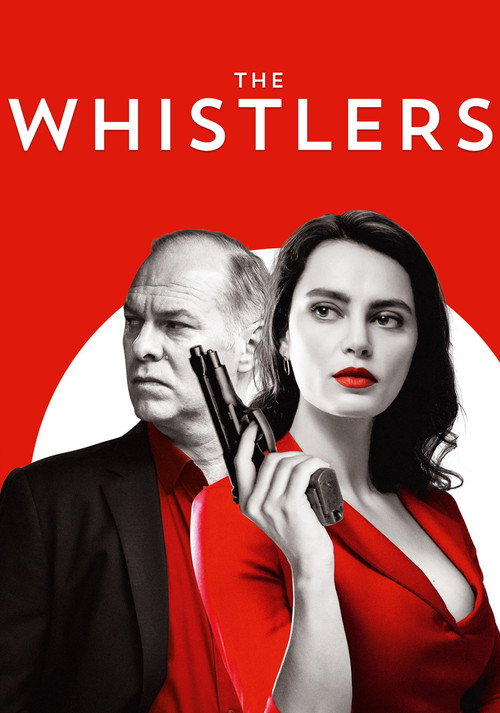
The Whistlers2019
A Romanian factory town, women's labour, structural corruption—a puzzle box that rewards your attention and refuses easy answers about work, complicity, and survival.
But Deliberately cryptic and formally experimental. Viewers expecting documentary clarity or linear narrative will find this frustrating and slow.
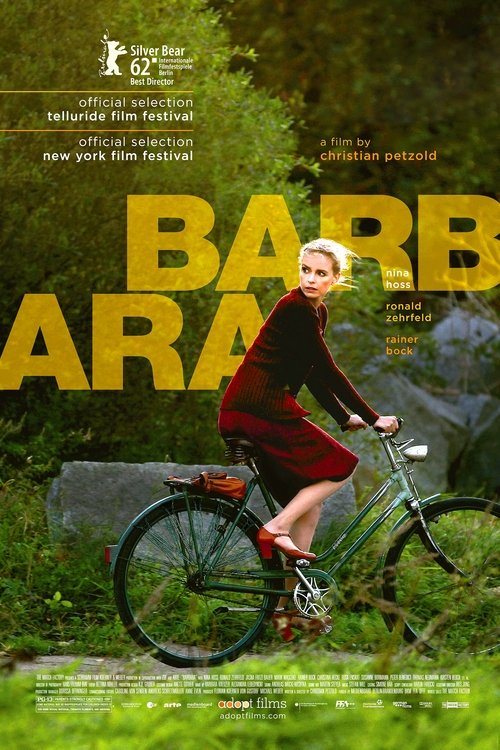
Barbara2012
East German doctor in the 1980s navigates state surveillance and personal desire. Quiet, precise look at how women navigate systems designed to control them, and what small freedoms cost.
But Deliberately restrained. Long takes, minimal dialogue, little music. Some will find it austere to the point of coldness.
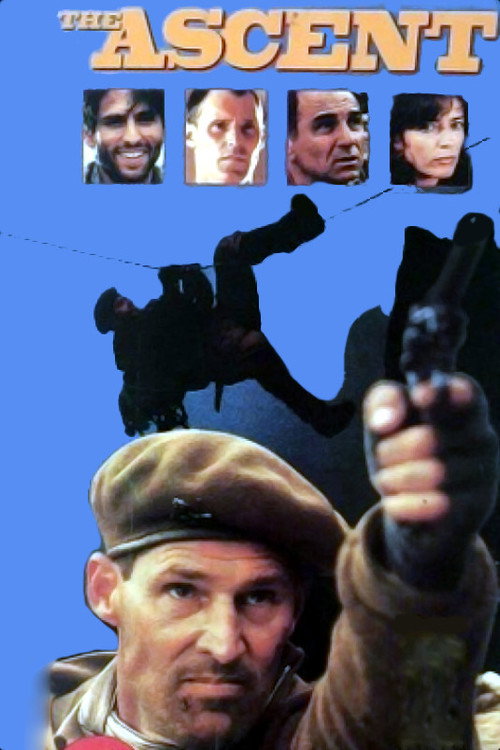
The Ascent1994
Asks the inverse question: what happens to women workers when the industrial machinery that needed them simply stops? Same essential labour, different historical catastrophe.
Russian documentary following female metalworkers through the collapse of the Soviet system. In reverse of Rosie, these women lose essential work they'd held for decades. Haunting, unsentimental, formally brilliant.
But Black and white, subtitled, slow. It's a meditation on loss, not a narrative with resolution. May feel remote unless you lean in.
Jeanne Dielman, 23, quai du Commerce, 1080 Bruxelles1976
Both insist that women's labour—whether in factories or homes—is work, is valuable, is political. Both refuse to let it be background. Rosie speaks; Jeanne's labour speaks through form itself.
Chantal Akerman's three-hour portrait of a housewife's labour—shopping, cooking, cleaning—rendered as epic, meticulous, undeniable. Not a documentary, but a manifesto about women's invisible work and its weight.
But Three hours of repetitive domestic tasks filmed in real time. If you expect narrative or conventional drama, this will feel punishing. Requires a particular patience.

People
Directing
- Connie FieldDirector
Production
- Connie FieldProducer