
Film
Keep Your Powder Dry
A 1945 wartime drama about three women from different worlds who join the Women's Army Corps and discover that patriotism means leaving their old lives behind. It's earnest and briskly paced, with genuine warmth between its leads. Made for anyone curious about how Hollywood processed women's military service during WWII, or who loves the particular texture of 1940s studio cinema.
If you liked this
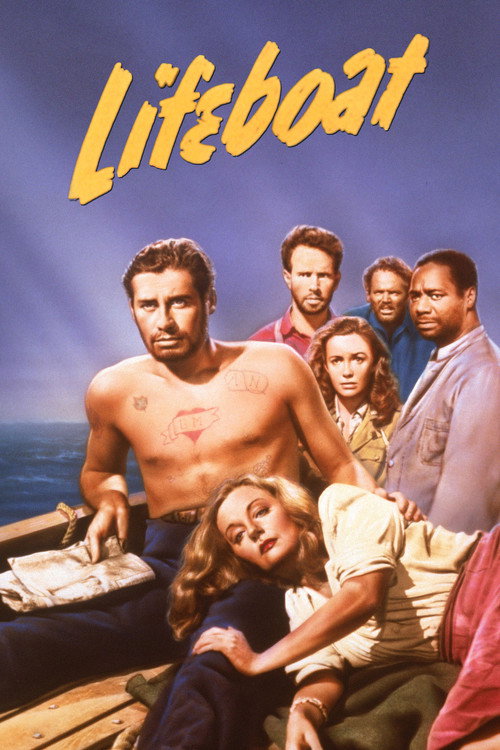
Lifeboat1944
Hitchcock's chamber piece about disparate civilians trapped together on a lifeboat, forced to negotiate survival and trust. Like Powder Dry, it's about strangers learning each other's worth under pressure, but with real menace underneath.
But It's more claustrophobic and morally ambiguous than reassuring. The pacing is deliberate, and it won't give you the neat resolution you might want.
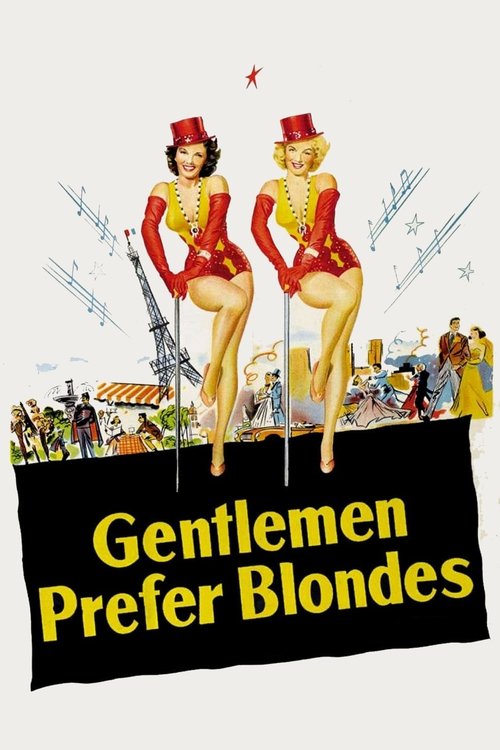
Gentlemen Prefer Blondes1953
Jane Russell and Marilyn Monroe radiate the same charismatic energy as Lana Turner and Laraine Day—two women on a mission, banter that crackles, unshakeable friendship. It's lighter, but the chemistry and femininity-as-power angle are kin.
But It's a musical comedy, not wartime drama. If you want the urgency and stakes, this pivots to something altogether different and frothy.
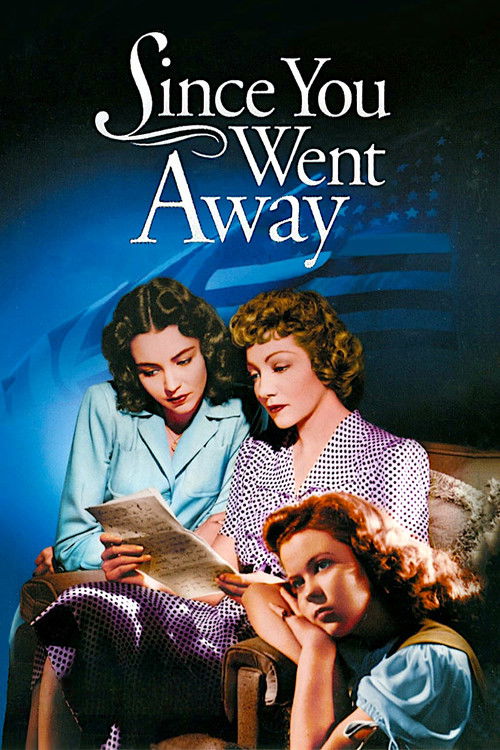
Since You Went Away1944
Another 1944 homefront picture about women holding together while their men are overseas. Selznick-produced, beautifully shot, with Claudette Colbert and Jennifer Jones managing fear, duty and hope with grace and specificity.
But It's even more sentimental than Powder Dry, and at 172 minutes, it asks a real commitment. The melodrama may feel dated or overwhelming.
Not sure tonight? Get a pick in a minute, starting from Keep Your Powder Dry
The wildcard
Something you would not have found on your own.
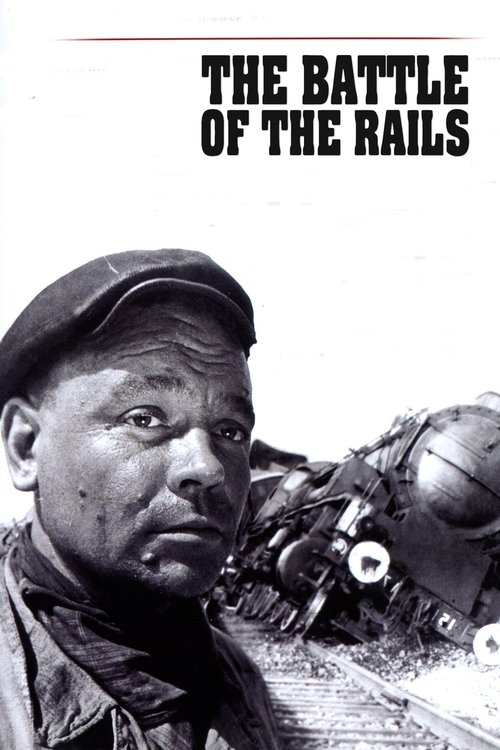
The Battle of the Rails1946
Both films grapple with how ordinary people—people who never asked for it—become soldiers or operatives through historical necessity. Powder Dry asks it through narrative and character; this film asks it through documentary immediacy, showing you the texture of that transformation rather than dramatizing it.
René Clément's extraordinary French resistance film about ordinary railway workers sabotaging Nazi supply lines. It uses non-professional actors and documentary technique to create something that feels lived-in and urgent. The women characters emerge as fully capable operatives, not supporting players.
But It's foreign language, black-and-white, and deliberately unglamorous. There's real violence and loss; it isn't cathartic, and it won't resolve as neatly as an American studio picture.
More like this (7)
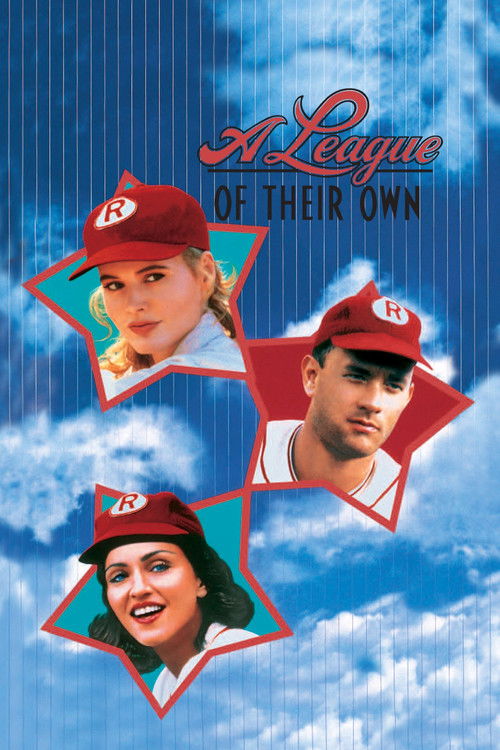
A League of Their Own1992
Women in their own institution, their own cause, learning to lead each other. Madonna and Geena Davis in a professional space where men aren't the point. Same DNA: women discovering what they're capable of when given the structure to try.
But It's fundamentally a comedy, and much looser in tone. The stakes are baseball, not war, which some will find a relief and others a letdown.
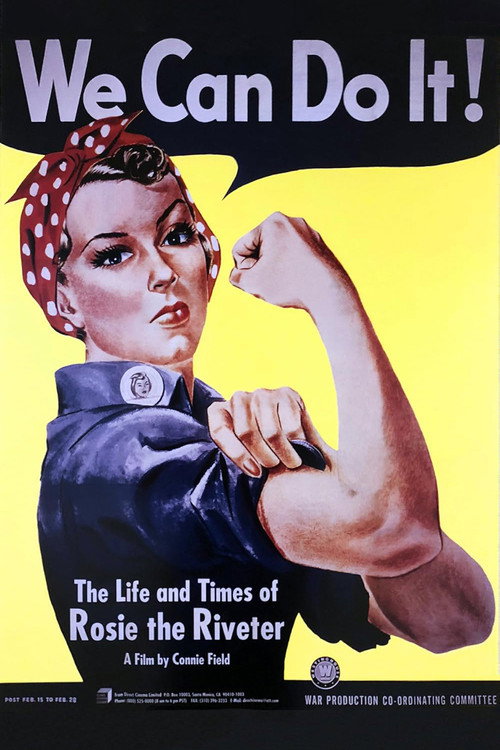
The Life and Times of Rosie the Riveter1980
A documentary that talks to actual women who worked in defense factories during WWII. It contextualizes what films like Powder Dry were propagandizing—real women, real choices, real dignity and complications.
But It's a 65-minute documentary without the drama or actors. If you want narrative momentum and emotional arc, this is archive and testimony, not story.
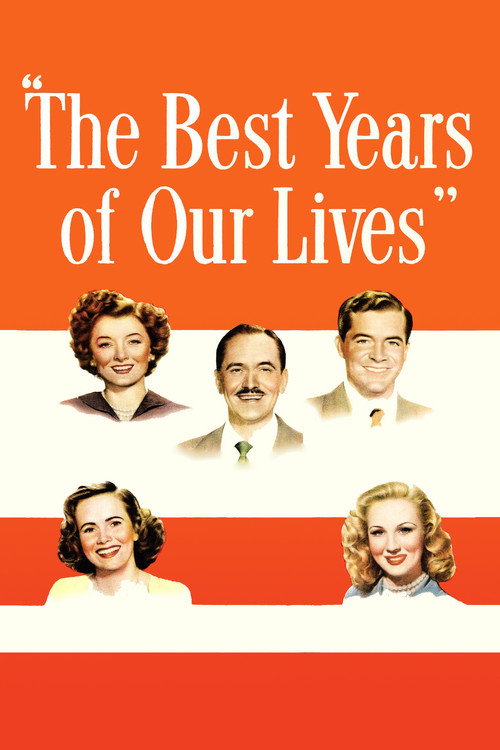
The Best Years of Our Lives1946
A postwar ensemble about civilians and veterans figuring out who they are now. Like Powder Dry, it's about people of different backgrounds forced into proximity and discovering themselves through it. Beautifully made, genuinely moving.
But It's nearly three and a half hours, and it's primarily about men, though the women characters carry important emotional weight. The pacing will test your patience.
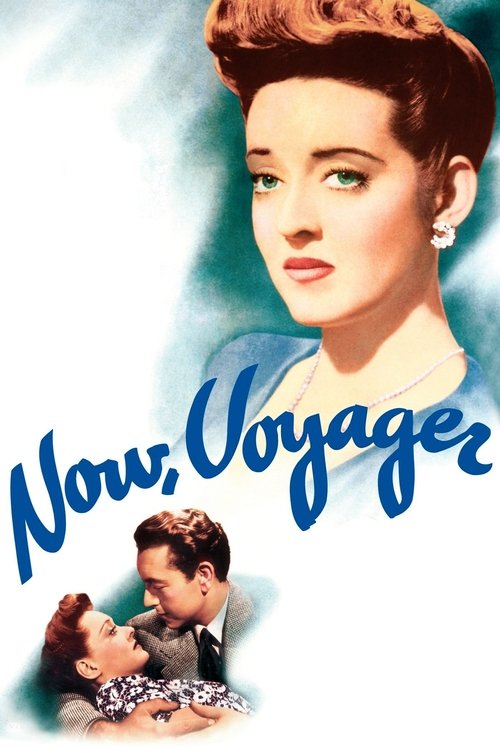
Now, Voyager1942
Bette Davis shedding her old self and becoming someone new through a transformative journey. That same narrative skeleton—woman recognizing her own capacity, women's friendship as redemptive—but in a romantic register instead of military.
But It's melodrama, sometimes to the point of soap opera. The emotional crescendos aren't everyone's cup of tea, and Davis's performance is so particular it can feel theatrical.
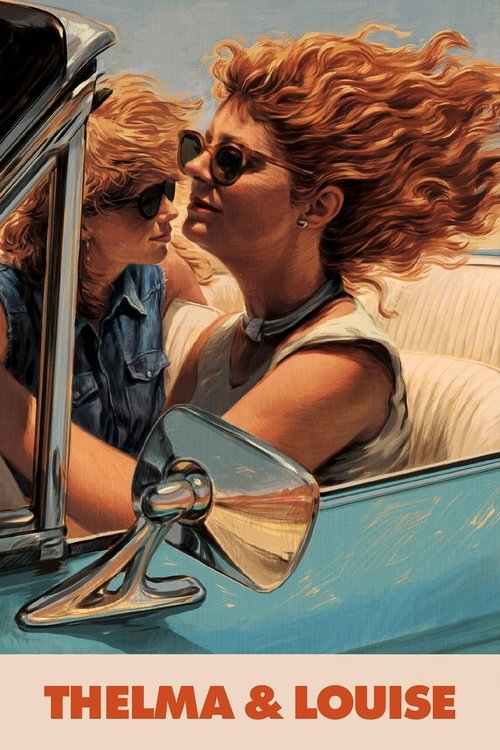
Thelma & Louise1991
Two women from different lives, forced together, discovering their own strength and the absolute loyalty of female friendship. The aesthetics are miles apart, but the engine is identical: transformation through companionship and choice.
But It's a road movie and a tragedy, not a wartime narrative. The ending is dark in ways Powder Dry never contemplates, and its gender politics are deliberately abrasive.
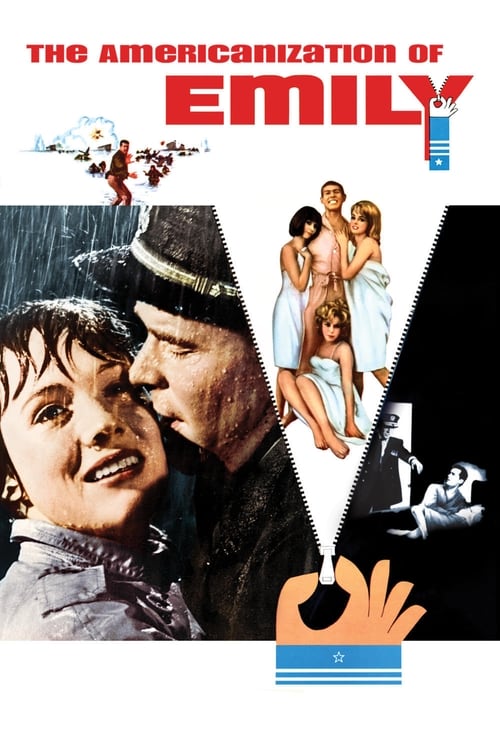
The Americanization of Emily1964
James Garner and Julie Andrews navigate WWII logistics and romance with wit and intelligence. It's a war picture that treats its female lead as a full character with agency, wit and moral conviction.
But It's romantic comedy-drama, not a women's ensemble. And it's more cynical about the war machine than Powder Dry's earnest patriotism, which might feel jarring if you're seeking that tone again.
Mulholland Drive2001
Both films understand that women's transformation and loyalty to each other is the real story war-or-cinema wants to tell. Lynch tears that story apart and rebuilds it in fragments; Powder Dry believes in it straightforwardly. Watching them together shows you how the same emotional architecture can be deployed in opposite registers.
Two women meet in LA, form an intense friendship, and gradually the film fractures into dream, regret, and the cost of ambition and identity-shift. It's formally dazzling, hypnotic, and obsessed with how women survive each other and remake themselves. The engine—female bonding as the emotional center—is Powder Dry's core, but inverted into something strange and bruised.
But It's avant-garde and deliberately disorienting. The plot collapses; there is no linear resolution. If you need clarity and straightforward narrative, this will frustrate you profoundly.

People
Cast
 Lana TurnerValerie Parks
 Laraine DayLeigh Rand
 Susan PetersAnn Darrison
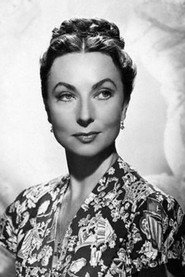 Agnes MooreheadLieut. Colonel Spottiswoode
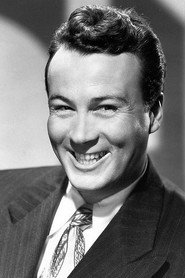 Bill JohnsonCapt. Bill Barclay
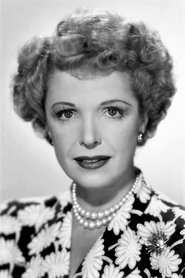 Natalie SchaferHarriet Corwin
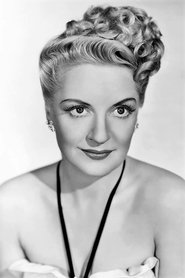 Lee PatrickGladys Hopkins
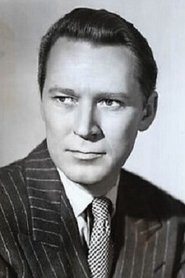 Jess BarkerJunior Vanderheusen
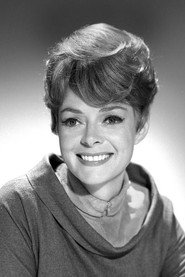 June LockhartSarah Swanson
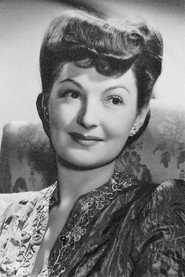 Marta LindenCapt. Sanders
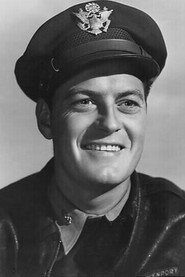 Tim MurdockCapt. Joseph Mannering
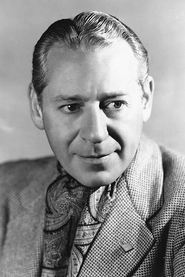 Henry O'NeillMaj. Gen. Lee Rand
Directing
- Edward BuzzellDirector
Writing
- George BruceScreenplay
- Mary C. McCall, Jr.Screenplay
Production
- George HaightProducer