
Film
The Battle of the Rails
René Clément's 1946 film documents the French railway workers who became resistance fighters, sabotaging Nazi supply lines from within their stations. Shot with documentary immediacy and acted by actual resisters, it's both a thrilling operational thriller and a quiet memorial—less about heroic gestures than the daily risk of showing up to work knowing it might kill you. For anyone who loves resistance stories told from the ground up.
Should you watch it?
Watch it if you are drawn to war stories told through procedure and ordinary faces rather than heroes, and you don't mind a documentary's cool, observing distance.
Skip it if you want a conventional drama with one central protagonist and tight plotting, since this is a loosely strung semi-documentary built from real railway workers.
What it asks of you: At eighty-five minutes it moves briskly, but its attention stays on rails, signals and timetables, so patience with procedure pays off more than emotional tracking.
Not sure? Find tonight's pick in a minute.
If you liked this
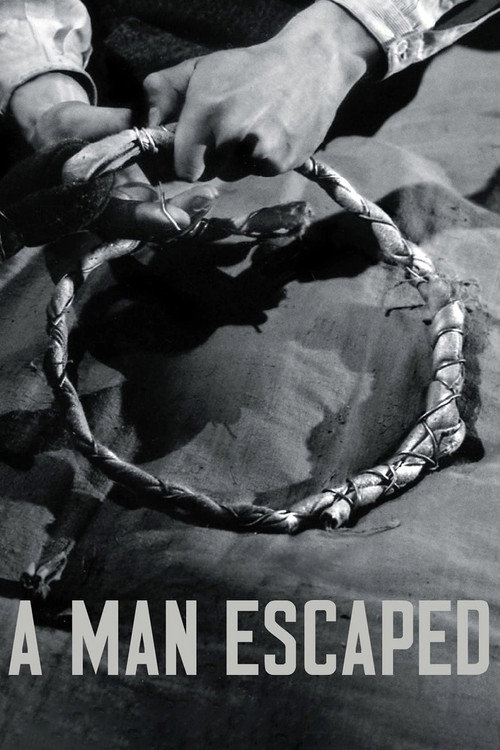
A Man Escaped1956
Bresson's methodical, almost procedural account of a French prisoner planning his breakout. Like Railway, it finds suspense in small careful actions and the moral weight of survival—no melodrama, just the mathematics of staying alive.
But Bresson's austere style can feel distant. If you want emotional catharsis, this withholds it deliberately.
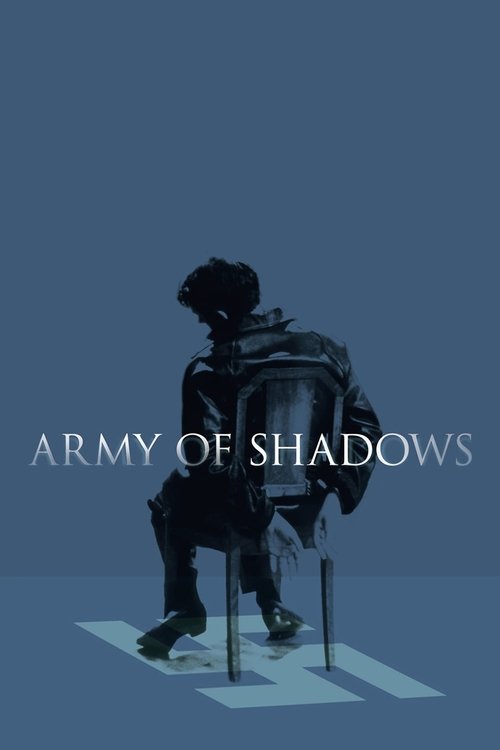
Army of Shadows1969
Melville's masterpiece about French resisters in occupied Paris. The same blend of documentary realism and thriller craft, plus the crushing loneliness of clandestine work. Morally complex in ways that feel earned rather than imposed.
But It's in French, it's long, and it refuses to make resistance romantic. Some find it punishingly bleak.
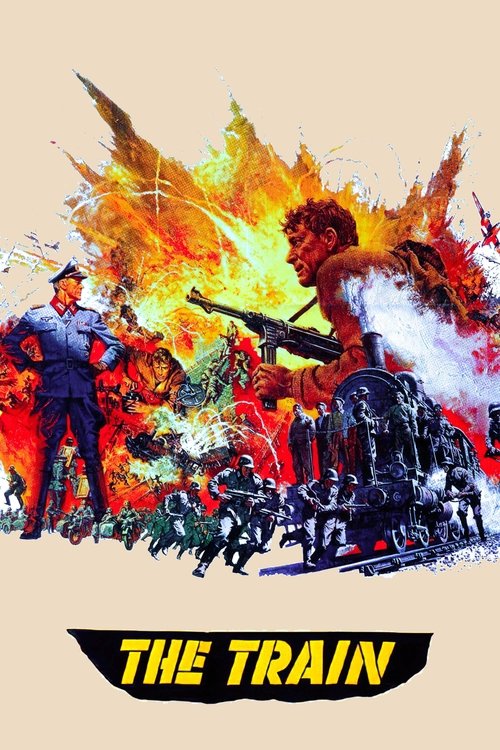
The Train1964
Frankenheimer and Burt Lancaster's taut chase film about a French railway worker thwarting Nazi art theft. It shares Railway's specificity about how trains actually work, plus the tension of ordinary people in extraordinary stakes.
But Leaner on character depth than Clément. If you need emotional investment in the people involved, this is more about the puzzle.
Not sure tonight? Get a pick in a minute, starting from The Battle of the Rails
The wildcard
Something you would not have found on your own.
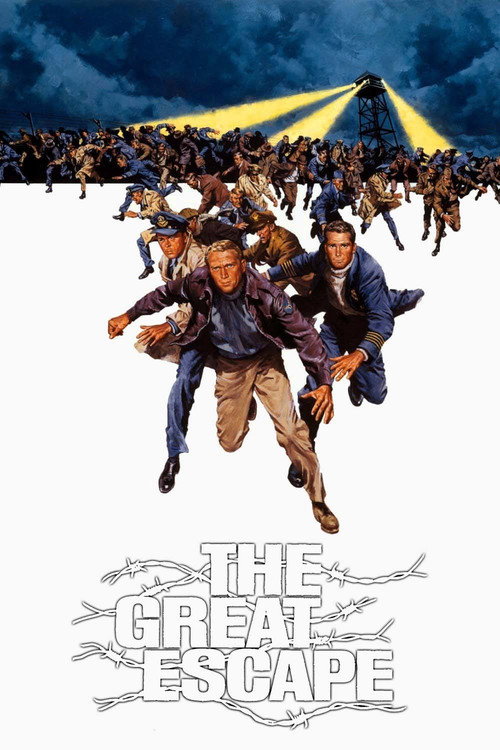
The Great Escape1963
Both films are about organized resistance through systematic, almost technical action—using infrastructure and knowledge of place as weapons. But where Railway is elegiac, this is a heist thriller. Same story, inverted register.
Sturges' Allied POW breakout is a precision-engineered heist film disguised as war drama. Like Railway, it's fundamentally about men using local knowledge and ingenuity against an occupier—but told as a caper, not a tragedy. Pure craft.
But Hollywood gloss and star power flatten the moral weight. This is entertainment first, which some find disrespectful to the subject matter. Also, it's very long.
More like this (8)
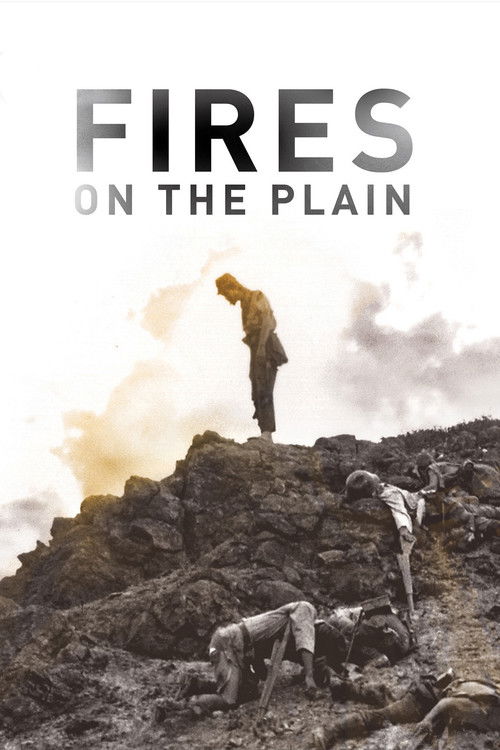
Fires on the Plain1959
Kon Ichikawa's brutal Japanese war film about soldiers abandoned in the Philippines. Like Railway, it avoids false heroism and shows how war corrodes people who simply try to survive. Haunting and unflinching.
But Genuinely difficult to watch. The suffering is not cathartically resolved, and that's the point. Not for a comfort viewing.
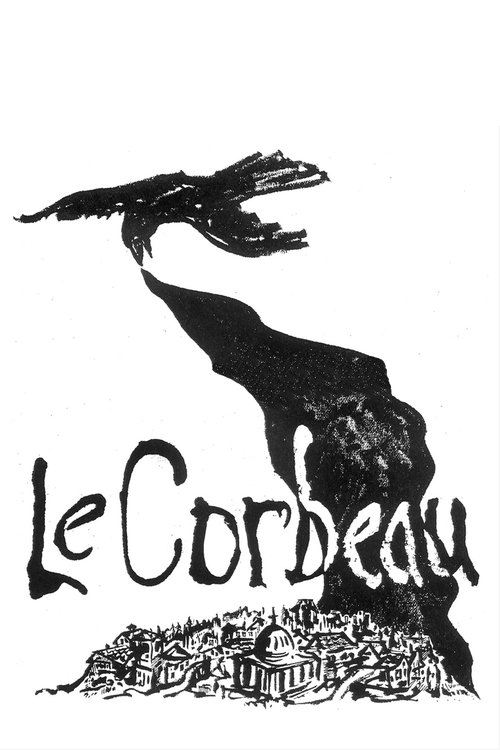
Le Corbeau1943
Clément directed this even before Railway—a French film about poison-pen letters tearing apart a small town under occupation. Same eye for how ordinary people betray each other when stakes rise. Morally murky in the best way.
But Made during Nazi occupation, which complicates its politics. Less action than Railway; more about psychology and gossip.
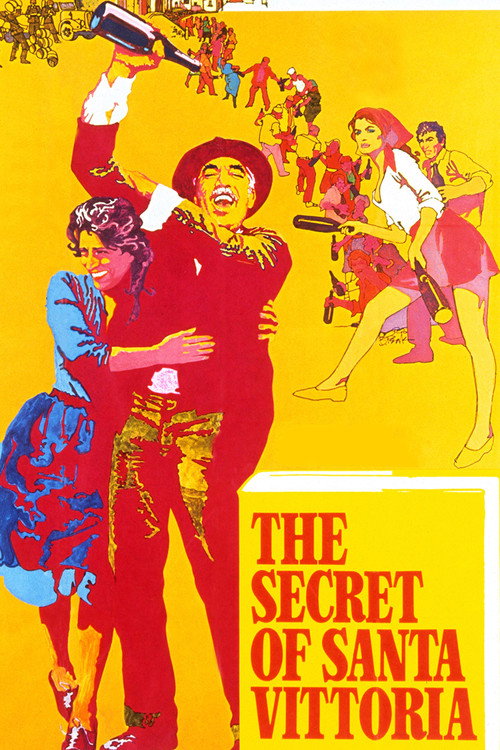
The Secret of Santa Vittoria1970
An Italian village hides wine from the occupying Germans. Lighter than Railway but similarly about resourceful civilians outthinking power through ingenuity and community. Charming without being naive.
But Tonal shift toward the whimsical. If you want realism preserved throughout, this gets too warm and fuzzy by the end.
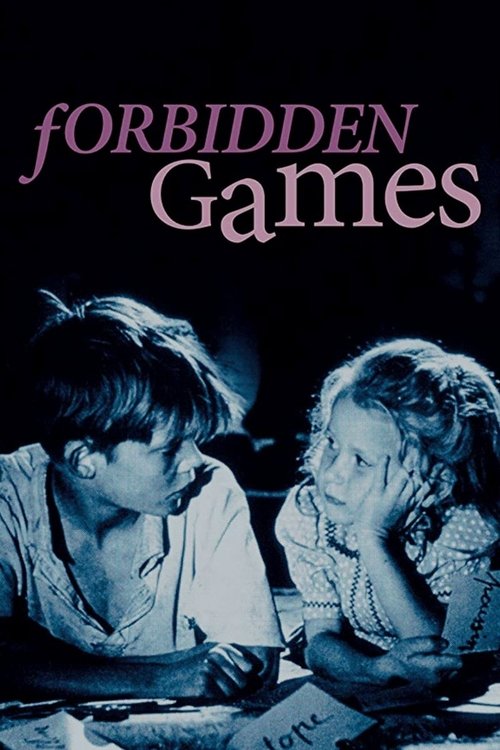
Forbidden Games1952
A French girl and boy build a shrine to dead animals during occupation—a fable about innocence corrupted by war. Clément contemporary, similar time and place, but told through childhood rather than organized resistance. Devastating.
But The subject is a dead child. Emotionally heavy in ways that may not suit every evening.
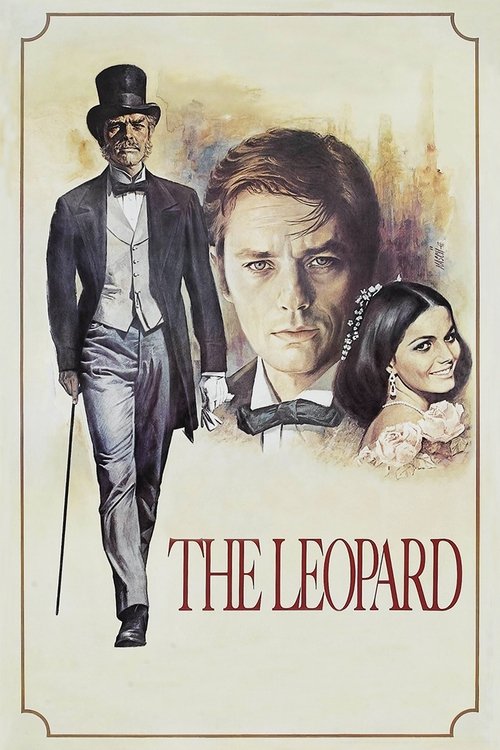
The Leopard1963
Visconti's epic about an Italian aristocrat watching his world collapse in 1860. Shares Railway's fascination with how ordinary people navigate historical upheaval. Gorgeous and melancholic.
But Three hours. Luchino Visconti moves at his own pace. If you need plot momentum, this will feel glacial.
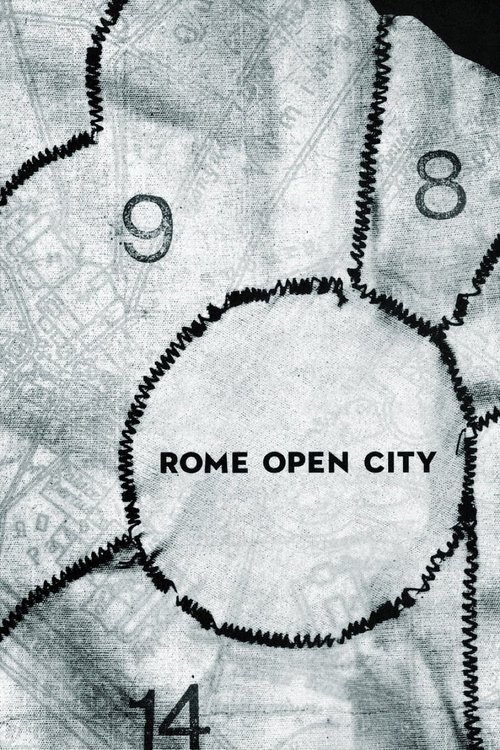
Rome, Open City1945
Rossellini's documentary-like neorealist account of Rome under Nazi rule. Made during or just after the war, same immediacy and moral clarity as Railway. A foundational work for postwar European cinema.
But The print quality matters; some versions look rough. Pacing can feel slow if you're used to modern editing.
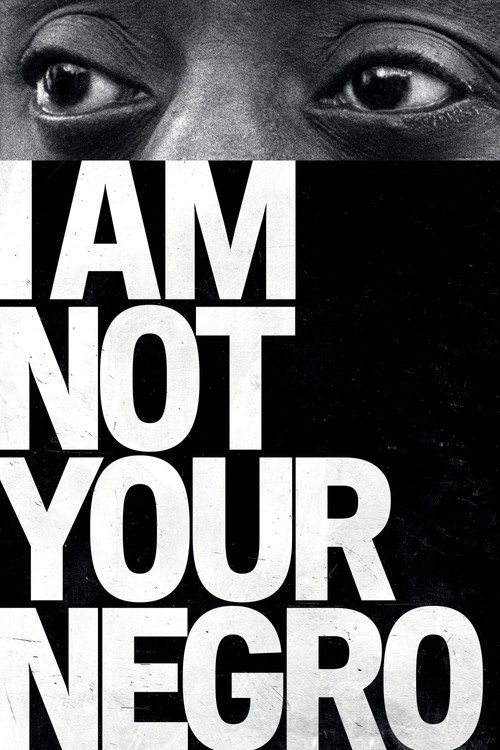
I Am Not Your Negro2017
Both examine how ordinary people within a system—workers, citizens, communities—recognize complicity and act against it. Railway shows French railway workers; Peck shows how American institutions occupied the Black body. Occupation takes different forms.
Raoul Peck's documentary uses James Baldwin's unfinished manuscript to connect the assassination of Black American leaders to occupation and dehumanization. It mirrors Railway's conviction that systemic violence requires systemic resistance—but the occupation is internal, the resisters often invisible.
But It's a challenging essay film, not a narrative. If you want plot or conventional documentary structure, this refuses both. Some find it polemical rather than balanced.
Come and See1985
Both films refuse to aestheticize resistance. But where Railway finds dignity in routine acts of sabotage, Come and See shows the psychic cost of becoming a soldier. Railway is a memorial to competence; Come and See is an elegy for lost childhood. Same war, completely different response.
Elem Klimov's Soviet film follows a teenage partisan through WWII Belarus in full aesthetic and spiritual collapse. Like Railway, it's about civilians forced into resistance—but it's a descent into hell, not a procedural. Visually devastating, tonally uncompromising.
But Possibly the most difficult war film ever made. It doesn't offer catharsis, moral clarity, or any comfort. Watching it is an ordeal, and it means to be.

People
Cast
 Charles BoyerNarrator (voice)
 Jean ClarieuxLampin
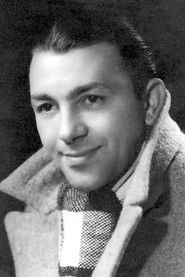 Jean DaurandCheminot
 François JouxCheminot
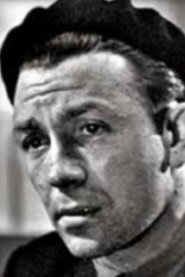 Tony LaurentCamargue
 Robert Le RayChef de gare
- Léon PauléonChef de gare St-André
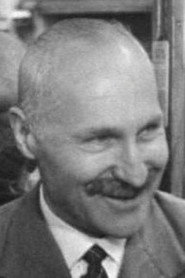 Michel SalinaAllemand
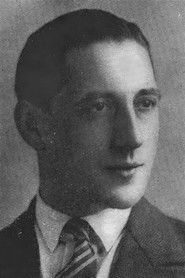 Fernand RauzénaCheminot
- Jacques DesagneauxAthos (as Desagneaux)
Directing
- René ClémentDirector
Writing
- Colette AudryDialogue
- René ClémentScreenplay
- Colette AudryWriter
Production
- Pierre Lévy-CortiProducer