
Film
The Train
A masterwork of mechanical suspense set in 1944 France, where a railway stationmaster and resistance fighters wage an ingenious battle against German forces to prevent the theft of the nation's greatest artworks. Burt Lancaster brings coiled intensity to a role of deceptive simplicity—a man who must think faster than bullets fly. It's a film about ingenuity triumphing over brute force, shot with balletic precision. For anyone who loves the machinery of a perfect heist or the quiet heroism of ordinary people in extraordinary times.
Should you watch it?
Watch it if you like wartime capers built on patience and quiet nerve, where the tension lives in timetables, switching decisions and faces rather than explosions.
Skip it if you need constant action or a brisk runtime, since this is a long, talky stretch of planning and waiting, with the big set pieces arriving slowly.
What it asks of you: Settle in for just over two hours of steady attention; the drama lives in small gestures and long pauses, shot in unhurried black and white.
Not sure? Find tonight's pick in a minute.
If you liked this
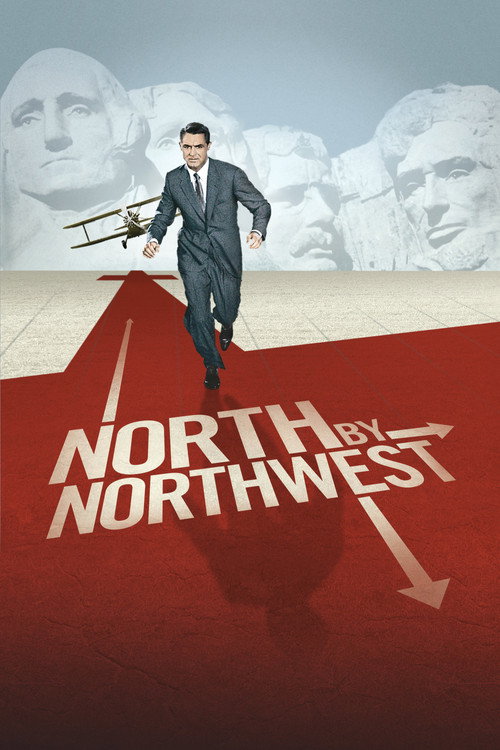
North by Northwest1959
Hitchcock's masterpiece of ordinary men caught in extraordinary circumstances, escalating tension through pure logic and momentum. Like The Train, it's about survival through wit rather than weapons, with a protagonist who must stay several moves ahead.
But The pacing is relentless without breathing room. If you need moments of rest between set pieces, this will exhaust you.
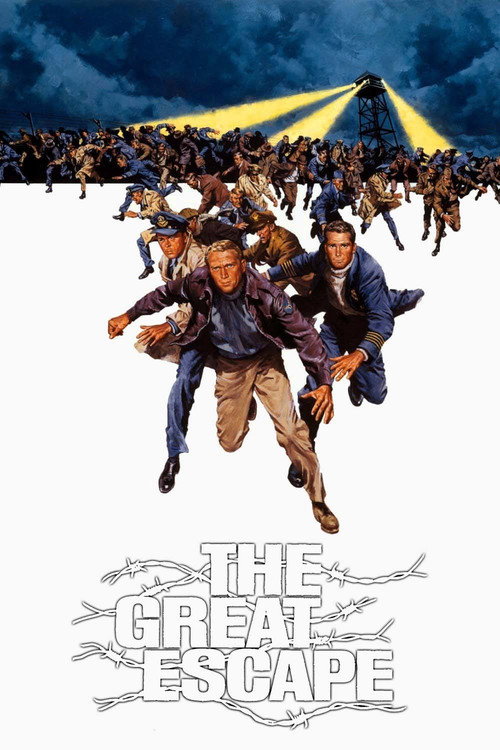
The Great Escape1963
A magnificent ensemble thriller about Allied POWs engineering an escape that feels tactile and credible. Shares The Train's obsession with the mechanics of impossible plans and the chain-of-command tensions that threaten them.
But At nearly three hours, it prioritizes scope over the lean efficiency of smaller-scale schemes. The scope can feel indulgent compared to The Train's tautness.
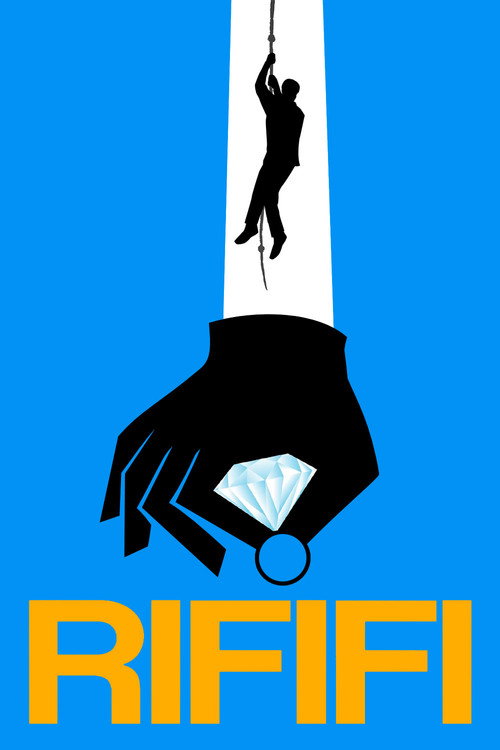
Rififi1955
A heist film with a famous silent twenty-minute robbery sequence that shows rather than tells. Like The Train, it's fascinated by the choreography of clever people executing a plan under pressure, with minimal wasted motion.
But It's in French with subtitles, and the emotional temperature is cool—you may find it harder to connect with characters than in more sentimental versions of this story.
Not sure tonight? Get a pick in a minute, starting from The Train
The wildcard
Something you would not have found on your own.
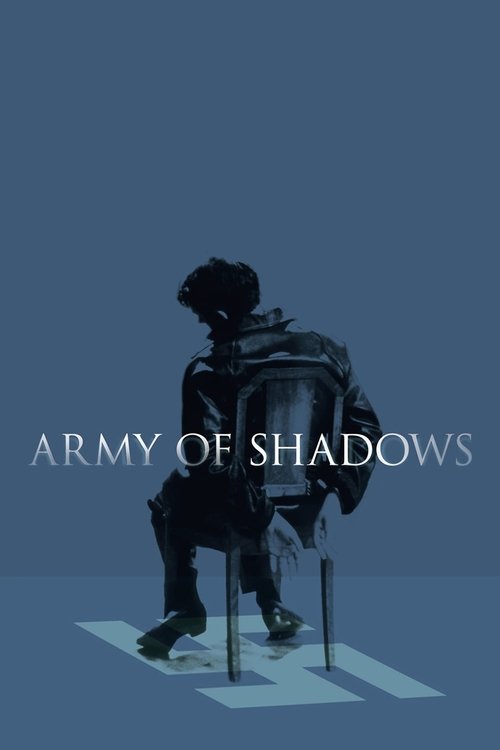
Army of Shadows1969
Both are French films from the 1960s about resistance operations where the real enemy is not Germans but bureaucracy, logistics, and the cost of survival. The Train asks 'how do we win?'; Army of Shadows asks 'what does it cost to fight at all?'
Melville's austere masterpiece about the French Resistance is shot in muted colors and treats espionage as exhausting, quotidian work—not heroic or glamorous. The moral texture is far deeper: resistance as a series of small, necessary betrayals that grind you down.
But There is no rousing climax. It ends not with victory but quiet attrition. If you need catharsis or payoff, this film actively denies it.
More like this (8)
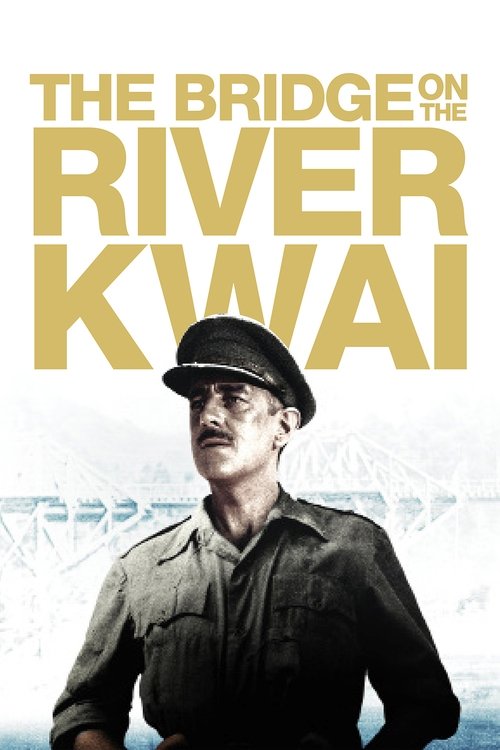
The Bridge on the River Kwai1957
David Lean's epic about military men navigating impossible choices under occupation. Shares the moral complexity of The Train: how do you resist without becoming complicit? Alec Guinness is magnificent.
But It's much longer and more meditative. The pacing is stately; if you came for The Train's kinetic energy, this will feel slow.
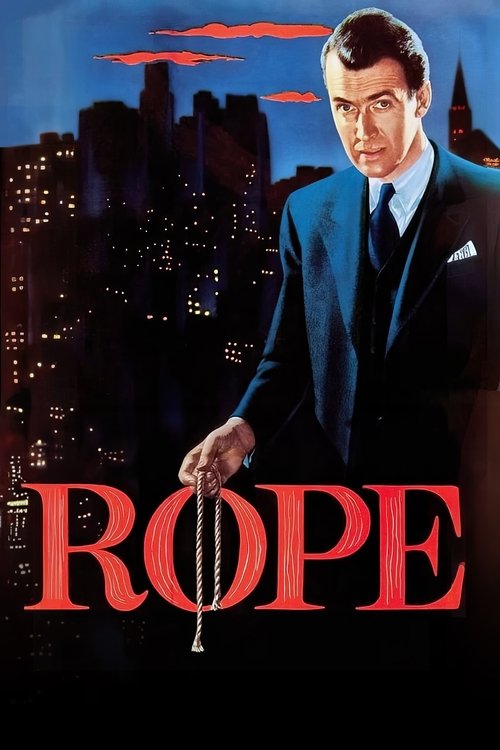
Rope1948
Hitchcock's real-time thriller, confined mostly to one room, where tension mounts through dialogue and psychology rather than action. Both films prove suspense lives in logic, not explosions.
But The experimental technique—shot to appear as one continuous take—can feel claustrophobic and theatrical rather than cinematic.
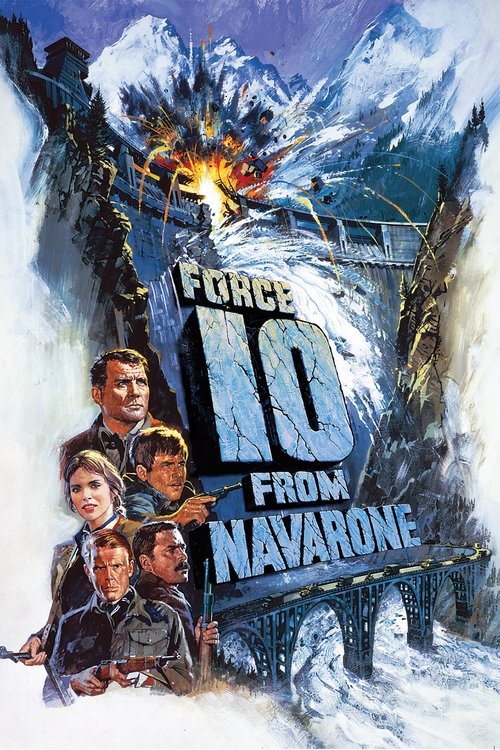
Force 10 from Navarone1978
A sequel that stands alone, about sabotaging Nazi operations in the Balkans. Military ingenuity, excellent cast chemistry, and a modular structure of small plans building toward a larger goal.
But It's from the 1970s and shows it—the tone wobbles between serious and campy, and it lacks The Train's visual elegance.
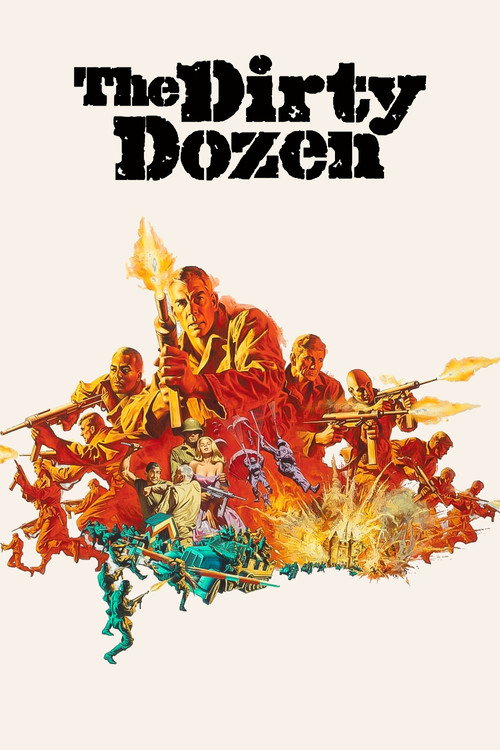
The Dirty Dozen1967
A sprawling war film about assembling a team to execute an audacious plan. Lee Marvin and an ensemble cast, practical action, and the pleasure of watching competent people do their jobs under pressure.
But It's a 150-minute ensemble piece, so it takes time building character before payoff. The tone is uneven and sometimes the war-movie clichés feel dated.
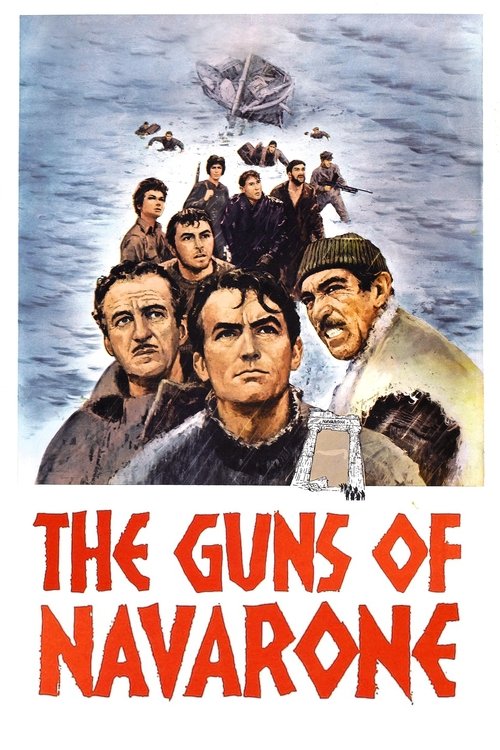
The Guns of Navarone1961
Gregory Peck leads a small team on an impossible sabotage mission, navigating geography and enemy forces. The pleasure is pure: watching skilled people solve impossible problems step by step.
But The character development is minimal and the plot is straightforward. If you need emotional depth or complexity, this is a pretty shallow vessel.
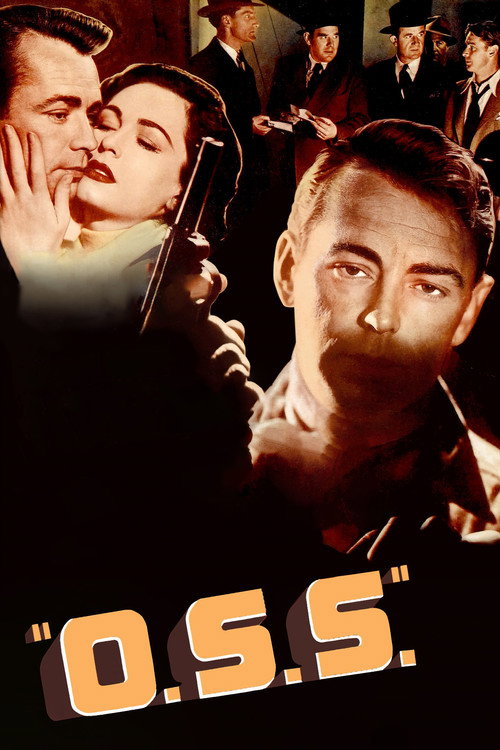
O.S.S.1946
An early, lean espionage thriller about an intelligence operative behind enemy lines. Predates the spy-thriller explosion and has The Train's focus on competence and tactical problem-solving over spectacle.
But It's nearly eighty years old and shows it—the filmmaking is functional rather than inspired, and the plot feels paper-thin to modern eyes.
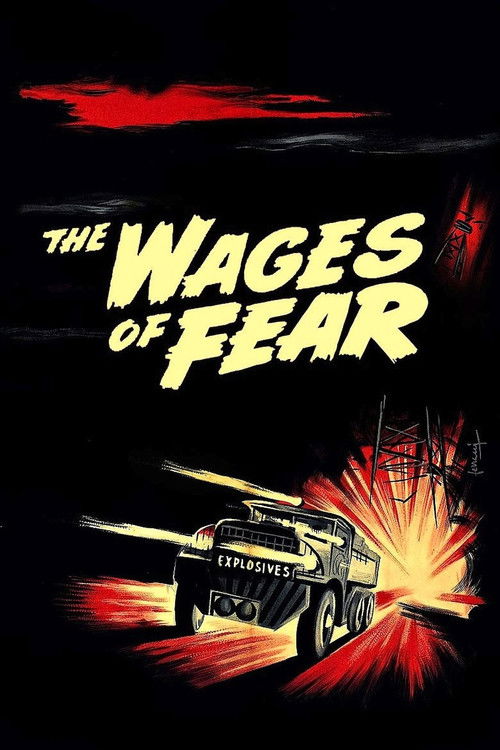
The Wages of Fear1953
Both are mid-century films obsessed with the mechanics of impossible tasks and what happens when plans meet reality. Where The Train is about coordination and timing, Wages of Fear is about attrition and luck—but both films trust their audience to understand that tension lives in logistics.
A French thriller (in French, with subtitles) about men driving unstable explosives across treacherous terrain. Clouzot's masterpiece is pure suspense—every frame engineered to tighten your chest. The plot is simple; the execution is flawless.
But It's relentlessly grim with no heroes and little hope. The South American setting and cultural attitudes are dated. Also, it is slow-burn brutal—the first half moves methodically before the famous journey begins.
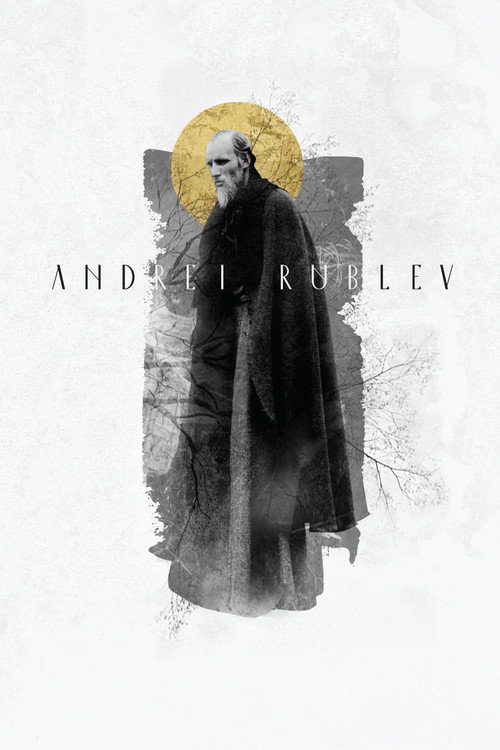
Andrei Rublev1966
Both films are preoccupied with saving art from destruction during war. But where The Train dramatizes a race against time, Rublev spiritualizes the question—treating the preservation of beauty not as logistics but as moral philosophy. It's The Train's opposite in method and tone, but the same question underneath.
Tarkovsky's three-hour meditation on the nature of art and resistance under tyranny. A Russian-language epic (in Russian, with subtitles) that feels completely unlike The Train—meditative, mythic, almost stationary—yet shares its deep question: what is worth preserving? What does it cost?
But It is very long, very slow, and visually abstract. If you came for The Train's kinetic propulsion, this moves like geology. Patience is not optional; it's the entire experience.
People
Cast
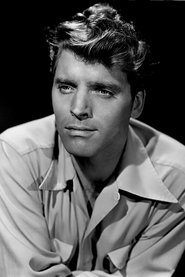 Burt LancasterPaul Labiche
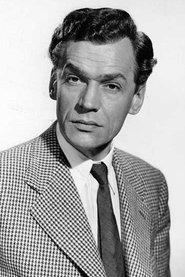 Paul Scofieldvon Waldheim
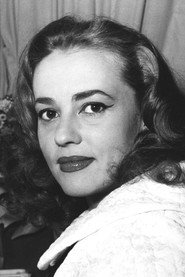 Jeanne MoreauChristine
 Suzanne FlonMademoiselle Villard
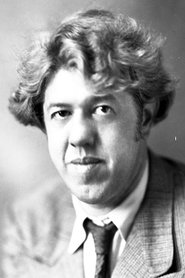 Michel SimonPapa Boul
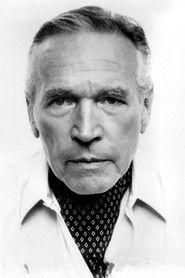 Wolfgang PreissMaj. Herren
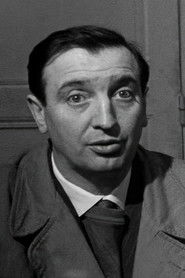 Albert RémyDidont
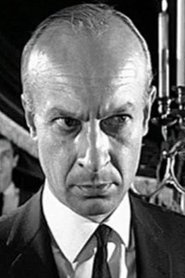 Charles MillotPesquet
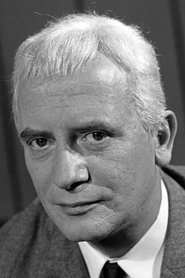 Richard MünchGeneral von Lubitz
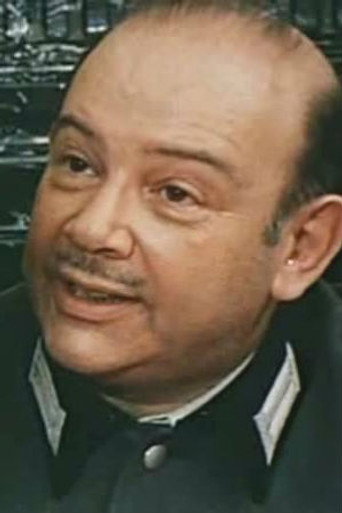 Jean-Pierre ZolaOctave
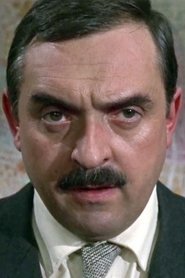 Jacques MarinJacques
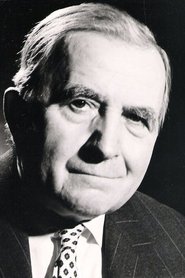 Paul BonifasSpinet
Directing
- John FrankenheimerDirector
Writing
- Rose VallandNovel
- Albert HussonScreenplay
- Frank DavisScreenplay
- Franklin CoenScreenplay
- Howard DimsdaleScreenplay
- Nedrick YoungScreenplay
- Walter BernsteinScreenplay
Production
- Jules BrickenProducer
Recommended by
The Last Escape, The 317th Platoon, The Battle of the Rails, The Sea Wolves, The Great Locomotive Chase, Odette