
Film
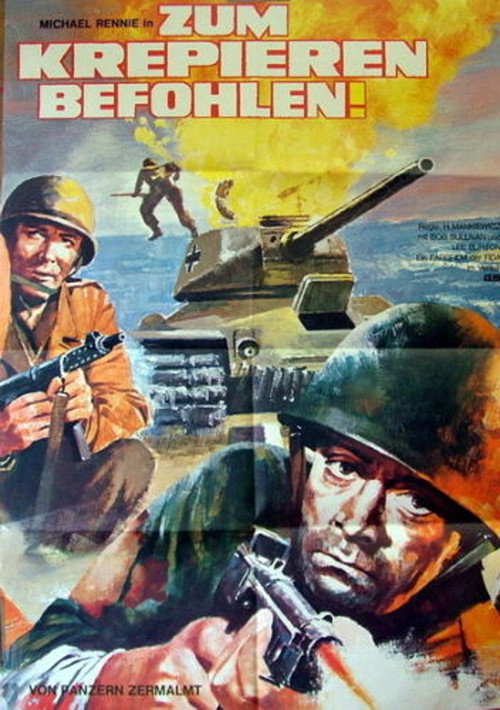
The Last Escape
A 1970 WWII action film where an American officer and British unit infiltrate Nazi territory to snatch a German scientist. It's brisk, unpretentious war cinema—the kind where explosions matter more than speeches, and the plot moves faster than the dialogue breathes. Made for viewers who want their combat straightforward and their heroes uncomplicated.
If you liked this
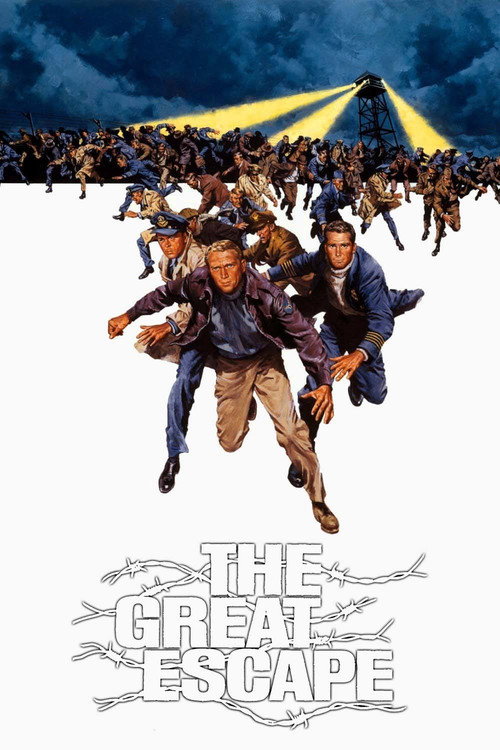
The Great Escape1963
The template for POW/infiltration films: tense, methodical, beautifully paced. Steve Reeves, James Garner, and a cast of stars executing an audacious plan with both wit and genuine peril.
But At 172 minutes, it's nearly twice as long. The pacing is deliberate rather than propulsive—more chess than action scramble.
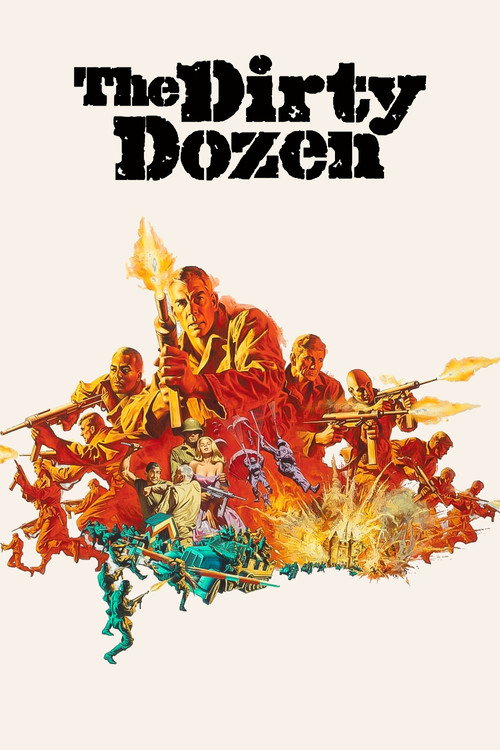
The Dirty Dozen1967
Renegade soldiers on a suicide mission behind enemy lines. Lee Marvin, Charles Bronson, and a lean, energetic ensemble film that understands mission movies don't need to apologize for being fun.
But The tone swings wildly between comedy and carnage. Some find it dated; others find it charming for exactly that reason.
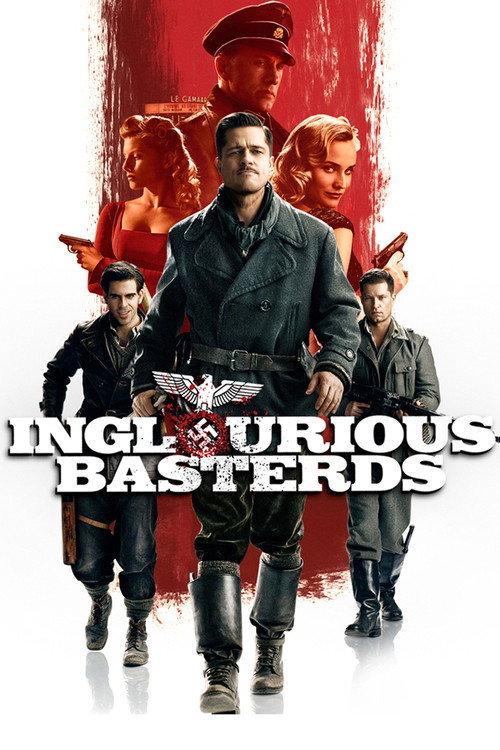
Inglourious Basterds2009
A WWII mission film reimagined by Tarantino—dialogue-heavy, wildly entertaining, with a pulp sensibility that elevates the B-movie template to high style. Brad Pitt alone is worth the ticket.
But It prioritizes talk and revenge fantasy over historical accuracy or tactical realism. If you want grit, this is glossy provocation.
Not sure tonight? Get a pick in a minute, starting from The Last Escape
The wildcard
Something you would not have found on your own.
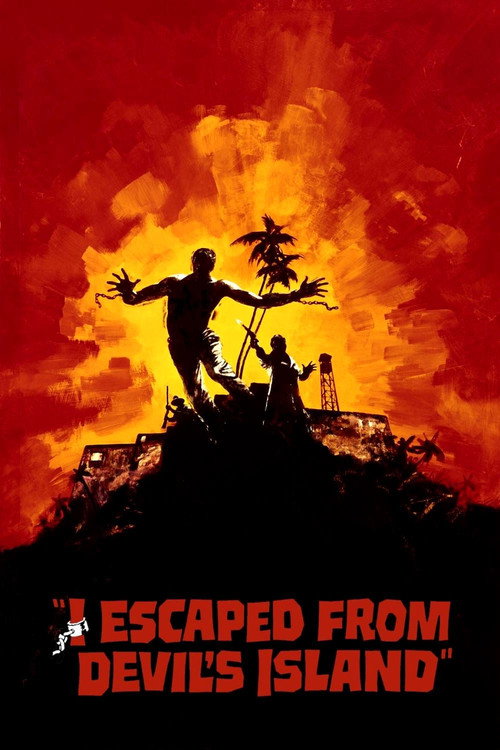
I Escaped from Devil's Island1973
Both are compact, mission-driven WWII films made in the early '70s where survival logistics matter more than geopolitical context—pure plot-as-destiny storytelling, no grand statements.
A French penal-colony escape narrative transformed into a WWII resistance story. It has the same DNA as your film—tactical infiltration, narrowing odds, enemies closing in—but filtered through a 1970s exploitation lens with authenticity you won't expect.
But It's campy in ways the film doesn't always intend. Some viewers will mistake sincerity for schlock, though that's part of its charm.
More like this (7)
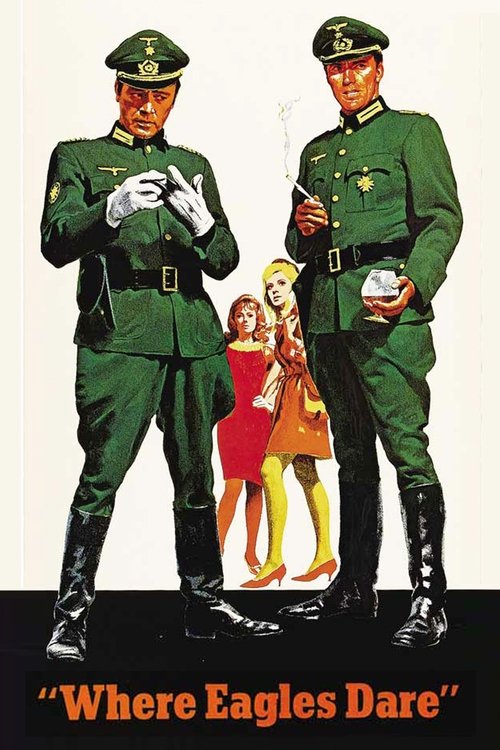
Where Eagles Dare1968
Richard Burton and Clint Eastwood rappel into Nazi castles, shoot and scheme their way through an improbable rescue. It's audacious, beautifully shot, and built entirely from the DNA of films like yours.
But The plot is labyrinthine and occasionally nonsensical. Caring about the mechanics matters less than enjoying the swagger.
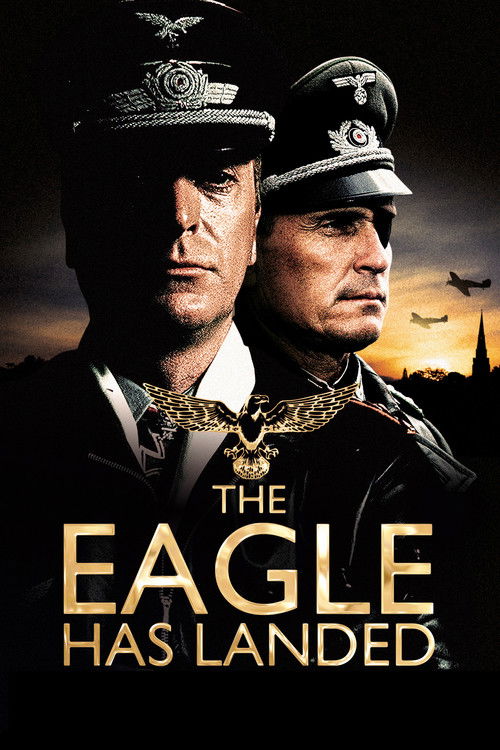
The Eagle Has Landed1976
A German commando unit attempts to kidnap Churchill in occupied England. Clever reversal of the usual scenario, with Michael Caine doing what he does best—anchoring an ensemble war picture with charisma.
But It's longer than it needs to be, and the final act stretches credibility even for a film built on fantasy logistics.
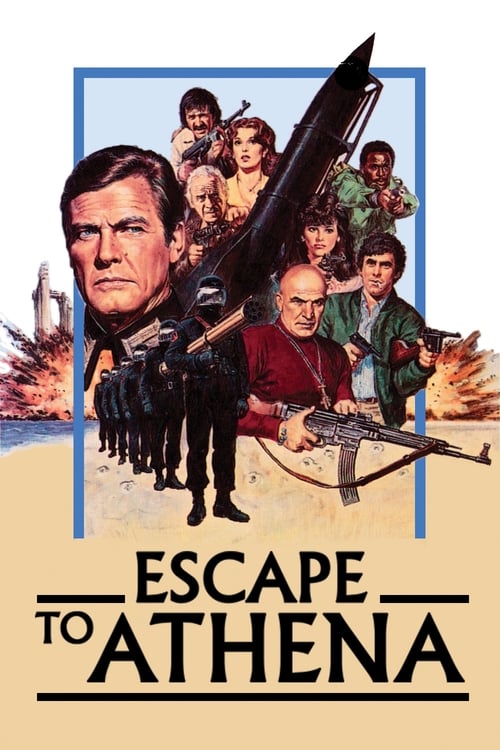
Escape to Athena1979
Allied prisoners, Greek resistance fighters, and a downed pilot team up on a Nazi-occupied island. It's earnest, colorful, and has Roger Moore—enough fun to sustain 101 minutes of spirited mayhem.
But Wildly uneven in tone and quality. The second half sags, and some of the action scenes feel undercooked.
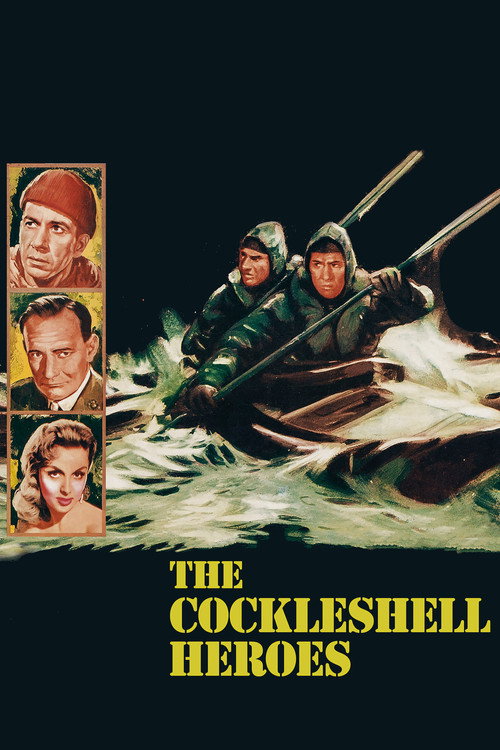
The Cockleshell Heroes1955
A commando raid by kayak against Nazi warships: small-scale, tense, British understatement at its peak. An efficient, clever film that proves you don't need broad strokes to build suspense.
But It's slow-burn and reserved—more about strategy than spectacle. Modern viewers may find it mannered or quaint.
Seven Into Hell1968
A lesser-known gem about an American officer leading a team behind German lines to sabotage a V-2 rocket facility. Raw energy, genuine stakes, the kind of film that respects its audience's time.
But It's obscure for a reason: uneven pacing, dated special effects, and a script that creaks occasionally under its own ambitions.
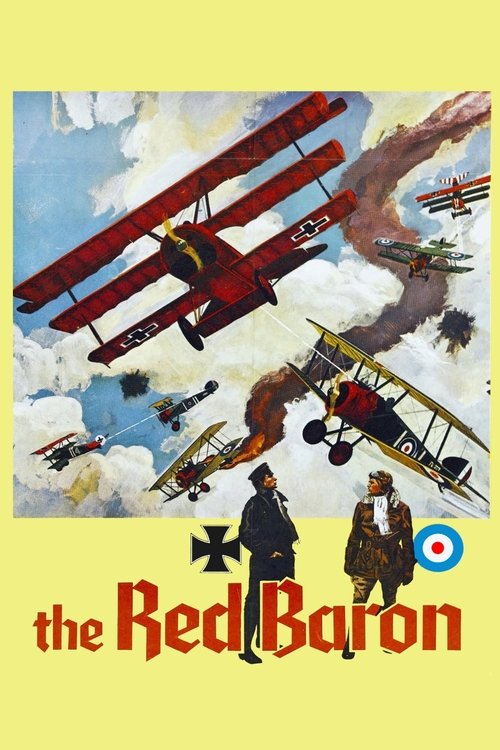
Von Richthofen and Brown1971
WWI aerial warfare between the Red Baron and his adversary, shot in color with surprising sophistication. It sits in the same era and spirit as your film—briskly made, focused on pilots rather than philosophy.
But It's a different war, which may feel like a lateral move. The dogfight sequences are the draw; the drama between them uneven.
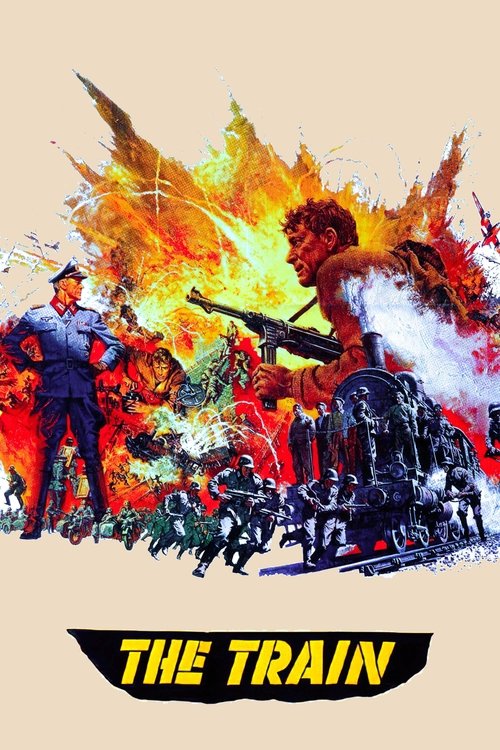
The Train1964
Both use the thriller's obsession with a single object (art, scientist) to humanize combat and fold espionage into raw tactical thinking. Both ask: what matters more—the goal or the people it costs?
Burt Lancaster leading French Resistance fighters in a high-stakes game to stop a Nazi train carrying stolen art from France. It's a heist film masquerading as war cinema—taut, morally complicated, and genuinely inventive in how it sustains tension across ninety minutes.
But It's nearly entirely in black-and-white and moves with deliberate, European pacing. The art-theft subplot may seem trivial against the scale of war.
People
Cast
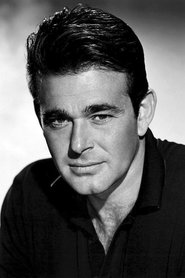 Stuart WhitmanLee Mitchell
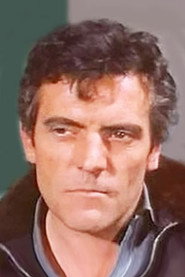 John CollinSgt. Henry McBee
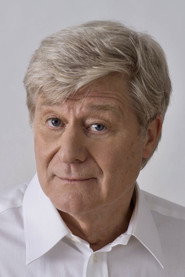 Martin JarvisLt. Donald Wilcox
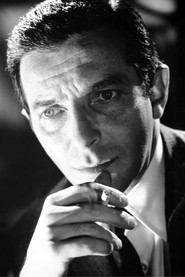 Pinkas BraunVon Heinken
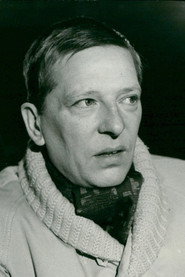 Günther NeutzeMaj. Hessel
 Margit SaadKaren Gerhardt
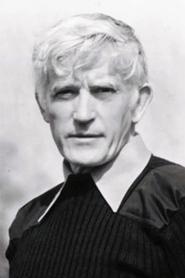 Patrick JordanMaj. Griggs
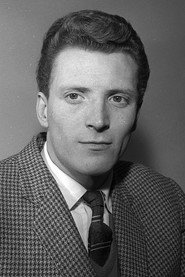 Johnny BriggsCpl. O'Connell
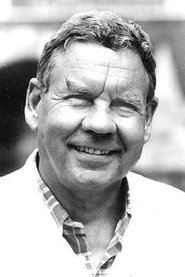 Harald DietlMaj. Petrov
- Gerd VespermannBlucher
 Paul BentleyJarvis
Directing
- Walter GraumanDirector
Writing
- John C. ChampionStory
- Herman HoffmanWriter