
Film
Midnight Express
A 1978 true-crime thriller about an American college student trapped in a Turkish prison after a drug-smuggling arrest. Visceral and claustrophobic, built on mounting dread rather than action. For anyone who values authenticity and moral complexity over reassurance—a film that refuses to soften its protagonist or the system consuming him.
Should you watch it?
Watch it if you want a grim, furiously intense prison drama driven by a single man's stubborn nerve, the kind of film that grips you through its hardest stretches and does not let you look away.
Skip it if you need brisk pacing or a lighter touch, since it spends long stretches in brutal, claustrophobic confinement and its violence is hard to shake, so it may wear you down rather than carry you along.
What it asks of you: It runs about two hours, and it asks you to sit with prolonged cruelty and mounting dread, staying present through scenes that refuse to soften or hurry toward relief.
Not sure? Find tonight's pick in a minute.
If you liked this
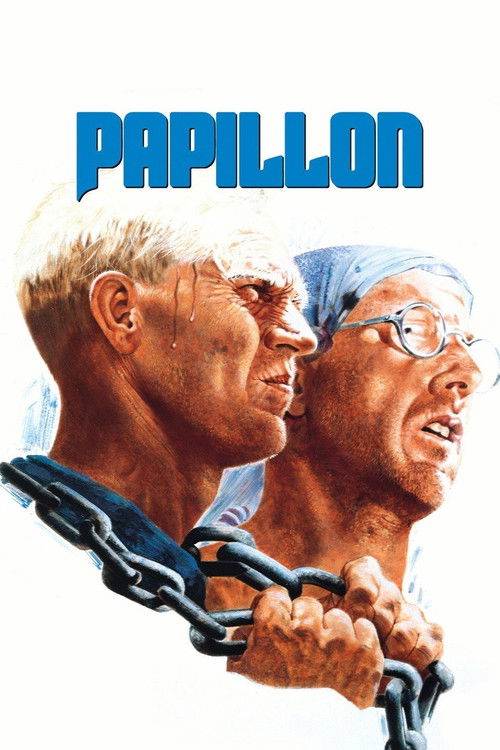
Papillon1973
Steve Reeves as a wrongly imprisoned man fighting for escape across decades. Like Midnight Express, it's a survival story built on dignity and desperation, with a documentary-like grip on prison brutality that never becomes exploitation.
But Nearly three hours long and deliberately paced. The repetition of failed escape attempts will test patience—that's partly the point, but it's exhausting by design.
A Prophet2009
French film about a young man's transformation inside prison, where survival means becoming complicit in the system. Shares Midnight Express's refusal to make prison heroic, and its exploration of how institutions corrupt those caught inside them.
But Subtitled, and dense with underworld politics that demand full attention. Slower than its American equivalent and less obviously dramatic.

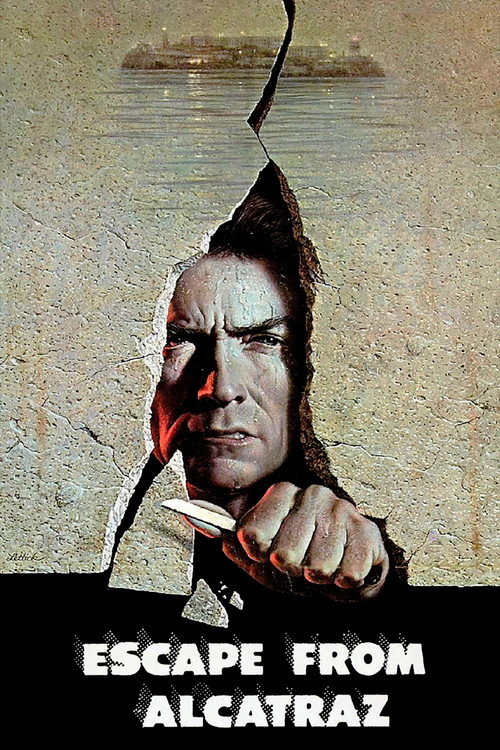
Escape from Alcatraz1979
Clint Eastwood in a meticulous prison escape built on ingenuity rather than luck. Taut, intelligent, and anchored by a lead actor who understands quiet determination. The craftsmanship is satisfying without being sentimental.
But The escape is the entire plot. Once you know whether it works, there's little to return to. Deliberately restrained—some find it distant.
Not sure tonight? Get a pick in a minute, starting from Midnight Express
The wildcard
Something you would not have found on your own.
Memories of Murder2003
Both films argue that institutions are more dangerous than individuals, and that survival often means moral compromise. The system is the real criminal.
A South Korean serial killer investigation where the system itself is the antagonist—corrupt, brutal, indifferent. Like Midnight Express, it's about the individual destroyed by institutional machinery, but here the prison is society itself, not bars. Bong Joon-ho at his most furious.
But Subtitled and bleak without offering the catharsis of a conventional thriller. The ending is ambiguous despair. Demands a viewer comfortable with injustice left unresolved.

More like this (8)
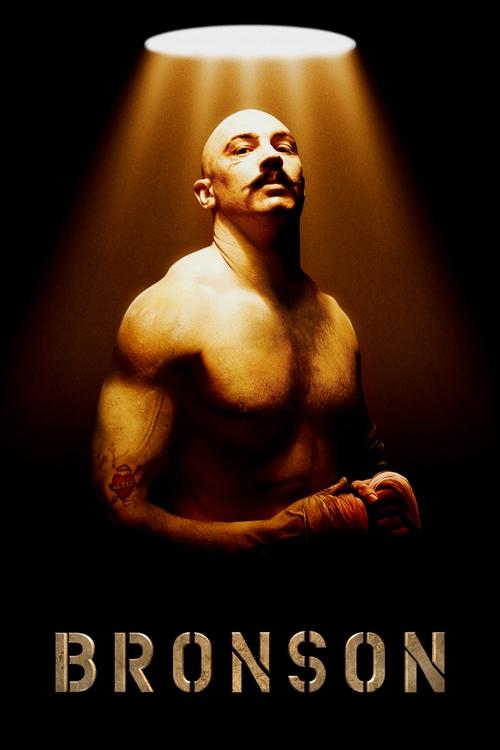
Bronson2009
A brutal, stylised account of a man whose prison behaviour makes him more dangerous than his original crime. It mirrors Midnight Express's theme: institutions don't reform, they radicalize. Visually inventive where most prison films are grey.
But Graphic violence and a protagonist actively antagonistic to the audience. Some scenes are unwatchable by design. Not interested in making you comfortable.
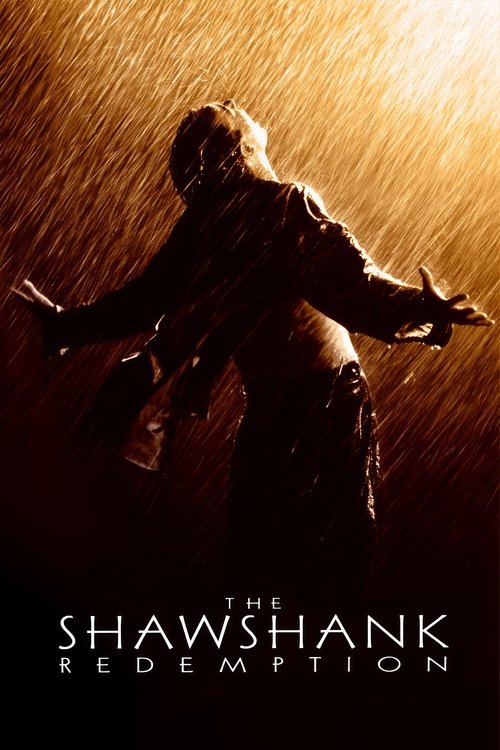
The Shawshank Redemption1994
The gentler cousin of Midnight Express—a prison film about hope and friendship rather than horror. If you found Midnight Express relentless, this offers catharsis without denying the system's cruelty.
But Enormously beloved and emotionally engineered. The redemption feels earned but calculated. Rewatching reveals the mechanics more than the first time.
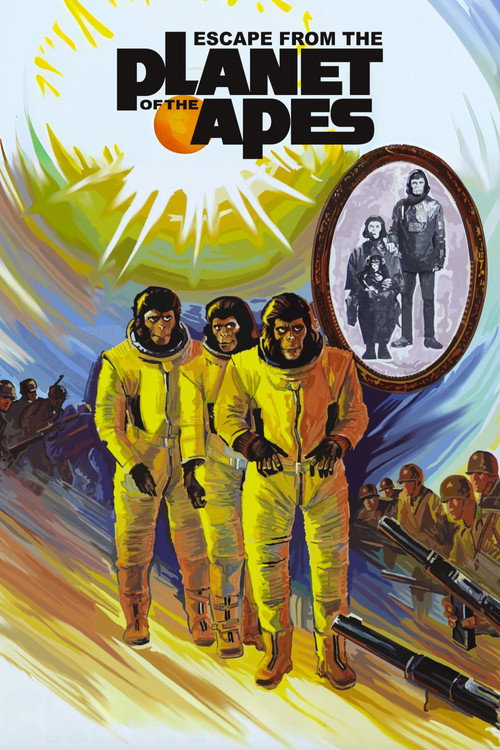
Escape from the Planet of the Apes1971
A surprisingly serious film hidden inside a genre premise: an intelligent being hunted by a paranoid government. The paranoia and institutional cruelty echo Midnight Express, just with science fiction wrapping.
But It's a Planet of the Apes sequel. The concept alone will put off anyone not willing to meet it halfway. Tonally weird in places.
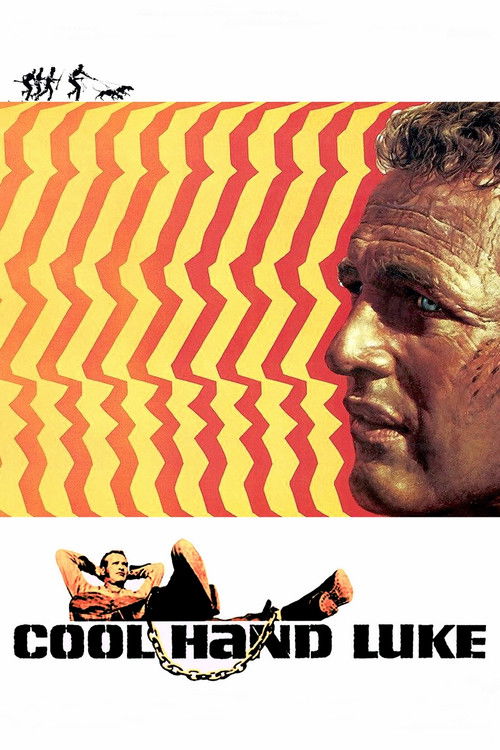
Cool Hand Luke1967
Paul Newman as a man whose refusal to break becomes its own kind of heroism inside an American prison chain gang. Shares Midnight Express's interest in institutional power and individual resistance, but with dark comedy rather than horror.
But Very much a 1967 film—the tone shifts feel dated now, and what was probably intended as satire reads as uneven. Some scenes undercut the gravity.
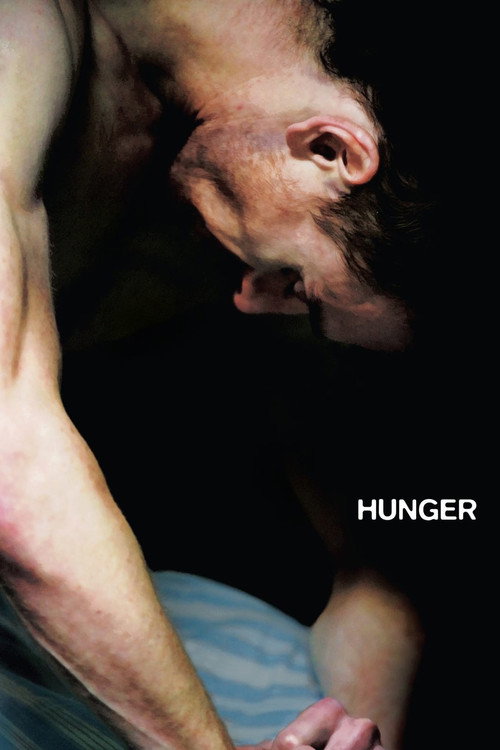
Hunger2008
Steve McQueen's debut about the 1981 Irish hunger strike in a British prison. Extraordinarily austere and visual—long sequences with minimal dialogue. Asks the same question as Midnight Express: what does the body become when the system owns it?
But Deliberately difficult. Graphic depictions of degradation and bodily suffering. Some sequences push past drama into endurance test. Punishing to watch.
The Last Escape1970
A WWII POW escape film with the gritty realism of Midnight Express. Less famous than The Great Escape, but more interested in the actual claustrophobia and desperation of imprisonment.
But Truly obscure now—hard to find in good quality. The pacing is deliberately deliberate, and some viewers find WWII escapes rote after seeing the canon.

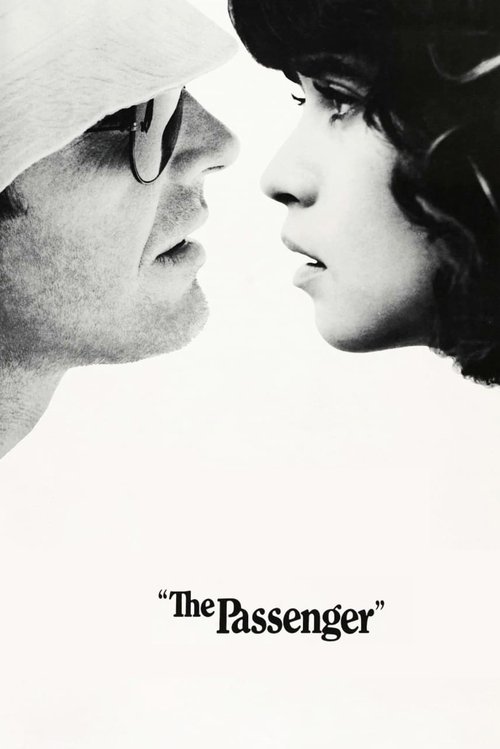
The Passenger1975
Both use imprisonment—literal and psychological—to explore the self dissolving under pressure. Both ask what remains when identity is stripped away.
Antonioni's study of a man unraveling after assuming a stranger's identity—existential, hypnotic, shot like a fever dream. Shares Midnight Express's exploration of identity erasure, but internalizes it as philosophy rather than physical prison. Jack Nicholson has never been more haunted.
But Not a thriller despite its setup. Long takes, minimal plot, European pacing. Many viewers find it glacial or pretentious. The final shot is cryptic in ways that infuriate more than enlighten.
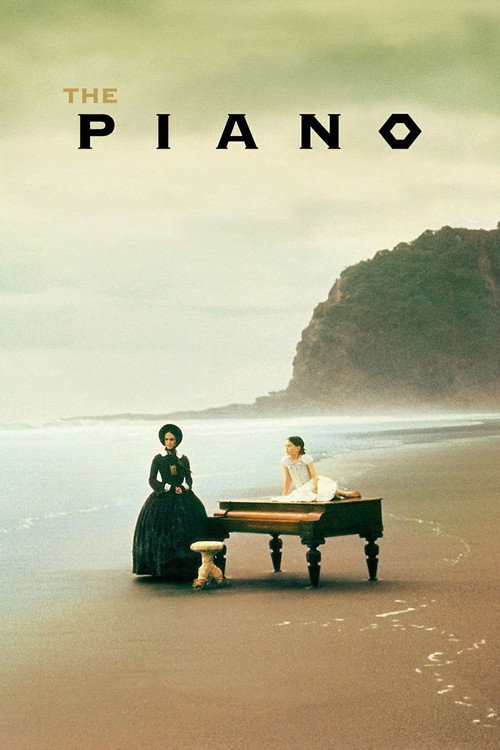
The Piano1993
Both examine what a person will risk and endure to remain themselves when systems demand erasure. Both argue that dignity is worth suffering for, and question whether that's wisdom or tragedy.
Jane Campion's film about a mute woman in colonial New Zealand whose only voice is her piano. Like Midnight Express, it's about autonomy and bodily integrity under an oppressive system, but rendered as sensual and emotional rather than violent. A woman's resistance takes forms different from a man's.
But Slow-paced and deeply interior. The erotic content upset audiences on release. Some scenes are uncomfortable—that discomfort is intentional. Not interested in reassurance.
People
Cast
 Brad DavisBilly Hayes
 Irene MiracleSusan
 Bo HopkinsTex
 Paolo BonacelliRifki
 Paul L. SmithHamidou
 Randy QuaidJimmy Booth
 Norbert WeisserErich
 John HurtMax
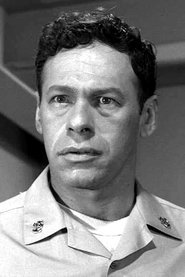 Mike KellinMr. Hayes
- Franco DiogeneYesil
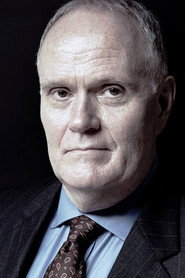 Michael EnsignStanley Daniels
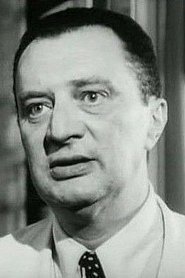 Gigi BallistaChief Judge
Directing
- Alan ParkerDirector
Writing
- Billy HayesBook
- William HofferBook
- Oliver StoneScreenplay
Production
- Peter GuberExecutive Producer
- Alan MarshallProducer
- David PuttnamProducer
- Garth ThomasProduction Manager
- Richard GreenUnit Manager
Recommended by
Papillon, Escape from Alcatraz, Welcome to Sarajevo, The Hill, Wadd: The Life & Times of John C. Holmes, Turkey Shoot, Somebody Up There Likes Me, Caged, The Big House, A Prayer Before Dawn, O Lucky Man!, Shootout at Wadala, Fortune and Men's Eyes, Narrow Margin, Get Jiro, In Hell, An Innocent Man, Papillon, I Wanna Hold Your Hand, Short Eyes, The Last Narc, India Cabaret, Stage Fright, Return to Paradise, The Swordswoman in White, Brokedown Palace, Red Corner, Oblivion, FM, Once in a Lifetime: The Extraordinary Story of the New York Cosmos, I Escaped from Devil's Island, The Patent Leather Kid