
Film
O Lucky Man!
- Comedy
- Strange
O Lucky Man! is an audacious three-hour fantasia about a young salesman's picaresque journey through a surreal, satirical Britain. Director Lindsay Anderson orchestrates a dazzling blend of comedy, music, social commentary and absurdism that defies easy categorization. It's visually inventive, emotionally raw, and demands active engagement—a film for viewers hungry for something genuinely strange.
Should you watch it?
Watch it if you enjoy sprawling, episodic satire that lurches between farce and bleak social comment, with songs dropped in and a wide-eyed hero who keeps getting swallowed by the machine.
Skip it if you want a tight story with a clear spine; this drifts set piece to set piece over three hours, and its jokes land unevenly, often sitting heavy with the sermon.
What it asks of you: Settle in for well over three hours, with a loose, rambling shape that doubles back on itself, shifts tone without warning, and rewards patience more than close plot-following.
Not sure? Find tonight's pick in a minute.
If you liked this
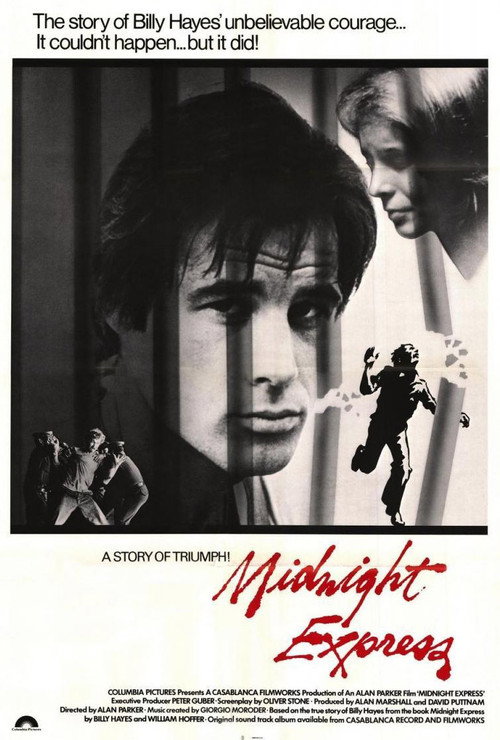
Midnight Express1978
Like O Lucky Man!, this gripping thriller follows one man's bruising journey through an indifferent bureaucratic system that seems designed to crush him. Intense, stylishly mounted, and deeply human beneath the surface spectacle.
But It's far more relentlessly grim and violent than Anderson's film, with little of the fantastical whimsy or satirical edge. Some find it manipulative in its emotional beats.
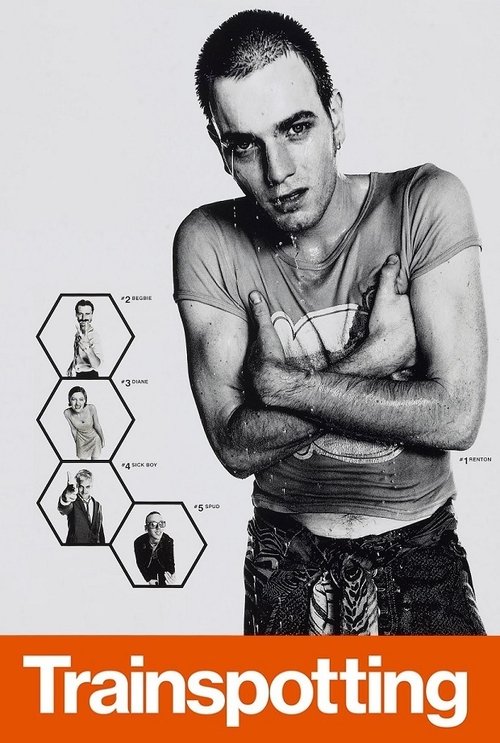
Trainspotting1996
A high-energy picaresque with a protagonist navigating a chaotic, hostile world through a series of darkly comic misadventures. Raw, visually inventive, and unafraid to mix styles and tones in dizzying ways.
But It's grounded in gritty realism rather than fantasy, and the subject matter—addiction, poverty, violence—is relentlessly bleak. Much shorter and faster-paced than Anderson's sprawl.
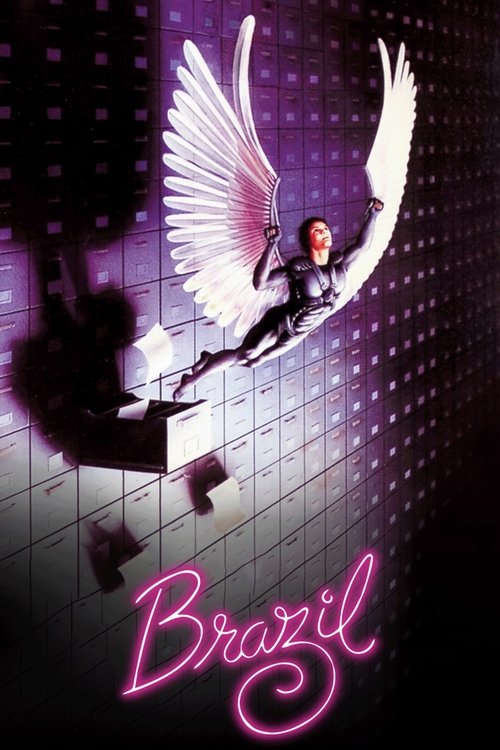
Brazil1985
Terry Gilliam's masterpiece of anarchic satire and surrealism. Like O Lucky Man!, it uses fantastical set-pieces and visual audacity to skewer bureaucracy and social conformity, with a protagonist crushed by systems beyond his control.
But It's genuinely dystopian where O Lucky Man! retains some hopefulness. The tone is darker and more paranoid, and the narrative deliberately resists resolution in ways that frustrate some viewers.
Not sure tonight? Get a pick in a minute, starting from O Lucky Man!
The wildcard
Something you would not have found on your own.
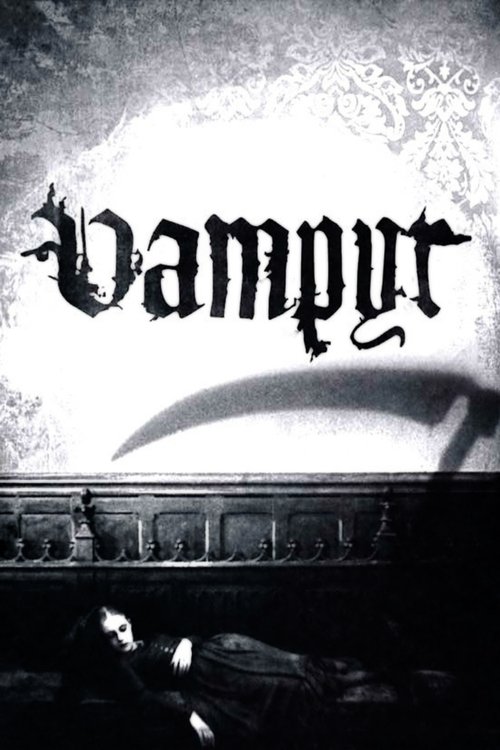
Vampyr1932
Both films use formal strangeness and tonal instability to mirror their protagonist's confusion and disorientation. Reality in both is unstable, and the viewer's unease is the point.
Dreyer's dreamlike horror from the silent era uses disorienting camera angles, discontinuous editing, and tonal shifts to make viewers feel as adrift as the protagonist. It's about navigating a world where nothing feels quite real, the logic surreal rather than logical.
But It's sixty minutes of pure atmosphere with minimal plot; some find it static and impenetrable. The image quality is poor, and the pacing will test patience from viewers raised on modern cinema.
More like this (8)
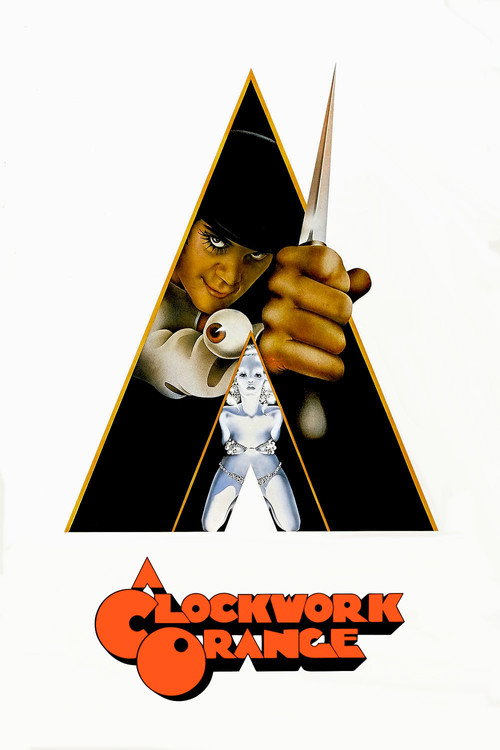
A Clockwork Orange1971
Kubrick's provocative, visually stunning provocation stars Malcolm McDowell (who leads O Lucky Man!) in a role that's the inverse of his earnest salesman—stylish, unhinged, morally corrosive. Essential cinema paired with Anderson's work.
But It's a very different animal: violent, cold, deliberately repellent. If you come for McDowell, you'll find none of the vulnerable idealism that makes O Lucky Man! touching beneath the chaos.
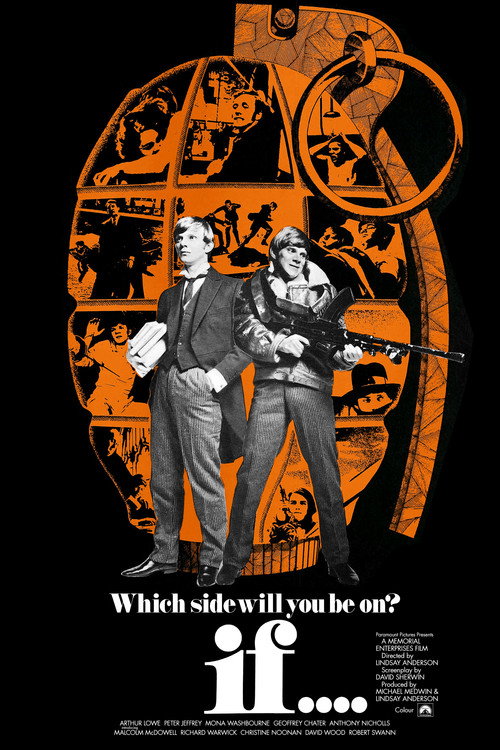
if....1968
Anderson's earlier masterpiece about rebellion, conformity, and the English system. It shares O Lucky Man!'s bold formal inventiveness, its mix of comedy and social rage, and its ambivalent view of heroism and idealism.
But It's set in a public school and structured around a more coherent narrative arc. Stylistically it's slightly more austere, less musically playful than O Lucky Man!'s maximalist approach.
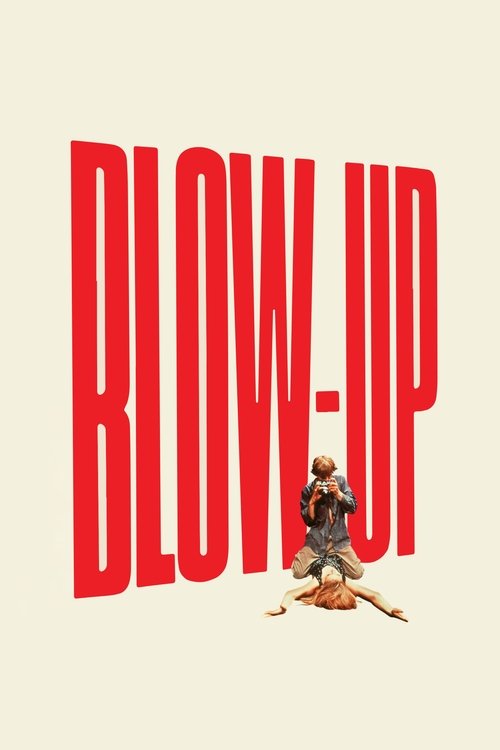
Blow-Up1966
Antonioni's dazzling mystery about perception, meaning, and the unknowability of truth. Like O Lucky Man!, it's a stylish, formally inventive journey through a bewildering world where appearances deceive and certainty dissolves.
But It's meditative and slow where O Lucky Man! is frenetic. The narrative is deliberately elliptical in ways that leave some viewers cold rather than intrigued.
Singin' in the Rain1952
The gold standard of musical cinema. Like O Lucky Man!, it integrates songs and comedy into its narrative in ways that feel organic and joyful. Pure cinema—inventive, stylish, and made with genuine love for the form.
But It's a straightforward entertainment with no satirical edge or social commentary. The tonal shift from O Lucky Man!'s complex register to pure joy might feel jarring if you wanted something darker.

Under the Skin2014
Glazer's hypnotic, alien film about a mysterious woman moving through Glasgow. Haunting, visually extraordinary, and structurally daring in ways that echo Anderson's refusal to stay in one gear.
But It's deliberately obscure and withholding about meaning. Glacially paced, deeply strange, and more interested in mood than narrative—easily the most demanding film here.

A Ghost Story2017
Lowery's delicate meditation on time, loss, and the persistence of the human need to leave a mark. Like O Lucky Man!, it uses formal strangeness to examine what it means to live authentically in an indifferent world.
But It's quiet, philosophical, and moves at the opposite pace to Anderson's kinetic chaos. Some find its whimsy cloying rather than earned, and the famous scene will seem absurdly simple-minded until it breaks your heart.

Women in Love1969
Both are British films from roughly the same era that reject realist restraint in favor of heightened emotion, visual boldness, and a conviction that cinema should move the whole body, not just the mind.
Ken Russell's passionate, sensual adaptation of Lawrence. Unlike O Lucky Man!'s broad satire, this is deeply serious about desire, class, and authentic connection—but equally unafraid of wildness, full-bodied emotion, and formal experimentation.
But It's sexually explicit and emotionally intense in ways that can feel uncomfortable. The philosophical discussions slow the narrative, and the ending puzzles some viewers deliberately.

Come and See1985
Both films reject the comfortable distance of conventional narrative to place viewers inside unbearable states of mind. Both believe cinema's formal possibilities are necessary to convey what realism alone cannot.
Klimov's devastating war film about a boy conscripted into the Soviet army. Where O Lucky Man! is picaresque and formally playful, this is a descent into hell—but both use non-naturalistic cinema to force viewers into disorienting emotional and moral territory.
But It's catastrophically bleak and includes real violence and atrocity. Watching it is an ordeal rather than entertainment; it operates in a completely different register from even O Lucky Man!'s darkest moments.

People
Cast
 Malcolm McDowellMichael Arnold Travis / Plantation Thief
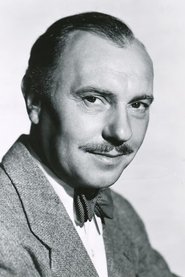 Ralph RichardsonSir James Burgess / Monty
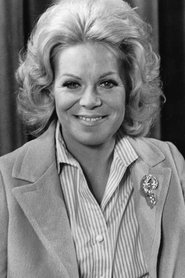 Rachel RobertsGloria Rowe / Madame Paillard / Mrs. Richards
 Arthur LoweMr. Duff / Charlie Johnson / Dr. Munda
 Helen MirrenPatricia / Casting Assistant
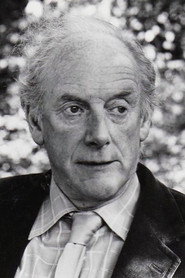 Graham CrowdenStewart / Prof. Millar / Meths Drinker
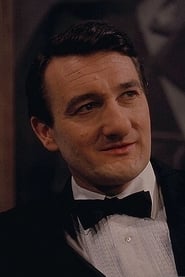 Peter JeffreyFactory Chairman / Prison Governor
 Dandy NicholsTea Lady / Neighbour
 Mona WashbourneNeighbour / Usher / Sister Hallett
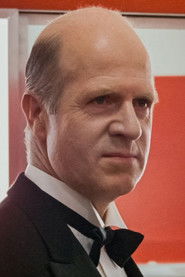 Philip StoneJenkins / Interrogator / Salvation Army Major
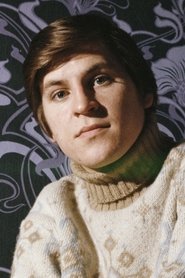 Alan PriceAlan Price
 Mary MacLeodMrs. Ball / Salvationist / Vicar's Wife
Directing
- Derek CracknellAssistant Director
- Valerie BoothContinuity
- Lindsay AndersonDirector
Writing
- David SherwinWriter
- Malcolm McDowellWriter
Production
- Basil KeysAssociate Producer
- Miriam BrickmanCasting
- Albert FinneyProducer
- David SherwinProducer
- Lindsay AndersonProducer
- Malcolm McDowellProducer
- Michael MedwinProducer
Recommended by
The Hill, Confessions of a Dangerous Mind, Popeye, Pee-wee's Big Adventure, Hunky Dory, Resurrection, The Pleasure Garden, The Dion Brothers, Satisfaction, The Twelve Chairs, Masked and Anonymous