
Film
The Dion Brothers
A 1974 crime caper about two West Virginia brothers who rob an armored car and go on the run. It's a low-key, character-driven film that mixes comedy with genuine desperation—less heist thriller, more portrait of men tumbling toward catastrophe. For viewers who like their crime stories grounded and a little sad beneath the laughs.
Should you watch it?
Watch it if you like crime stories told with a loose, low-key sense of humor, where the characters' small-town wants matter more than the heist itself and the brothers feel like real people.
Skip it if you need tight plotting and steady escalation, since this one wanders through its loose detours and its rougher, shaggier moments without much urgency.
What it asks of you: Ninety-four minutes of unhurried, shaggy storytelling, where mood and character carry more weight than momentum, and the darkness creeps in rather than hitting you hard.
Not sure? Find tonight's pick in a minute.
If you liked this
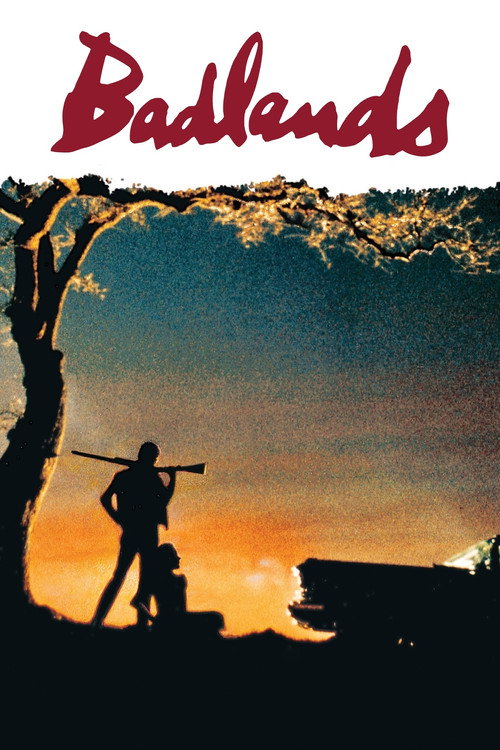
Badlands1973
Terrence Malick's poetic take on young lovers fleeing across America. Like The Dion Brothers, it finds beauty and melancholy in the fugitive life, but with operatic grandeur and visual ambition that transforms the story into myth.
But Deliberately paced and philosophical where The Dion Brothers is scrappy. Malick's voiceover and long takes won't appeal if you want propulsive plotting.
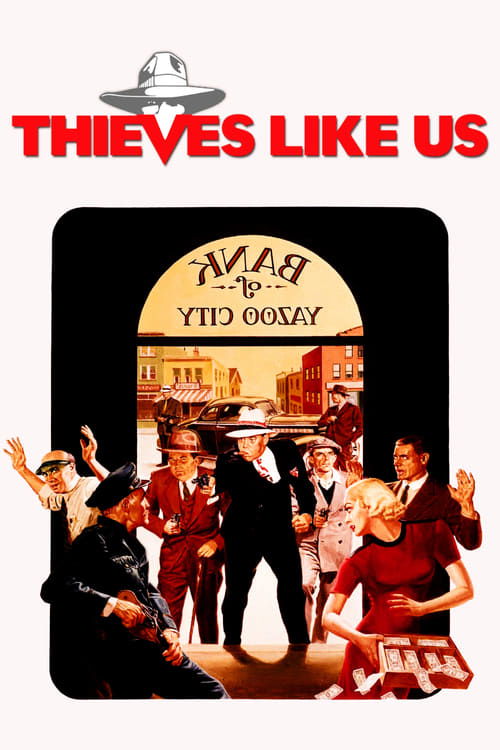
Thieves Like Us1974
Robert Altman's Depression-era crime film about bank robbers with genuine affection for their characters. The same year as The Dion Brothers, same DNA—criminals who are also ordinary men with vulnerabilities and regrets.
But Altman's overlapping dialogue and ensemble sensibility can feel murky. Some scenes drift rather than grip.
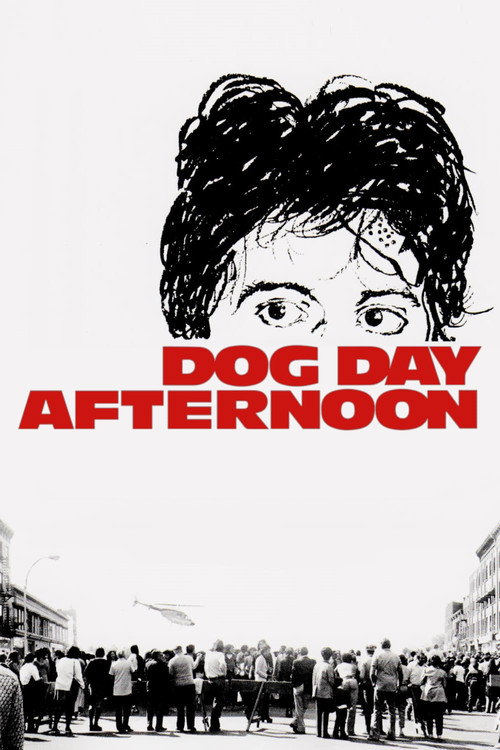
Dog Day Afternoon1975
Al Pacino in a based-on-truth bank robbery gone wrong. Sweaty, desperate, and focused on the psychology of men making terrible choices. Captures that same sense of incompetence colliding with genuine stakes.
But More claustrophobic and intense than funny. The desperation overwhelms the darkly comic notes that temper The Dion Brothers.
Not sure tonight? Get a pick in a minute, starting from The Dion Brothers
The wildcard
Something you would not have found on your own.
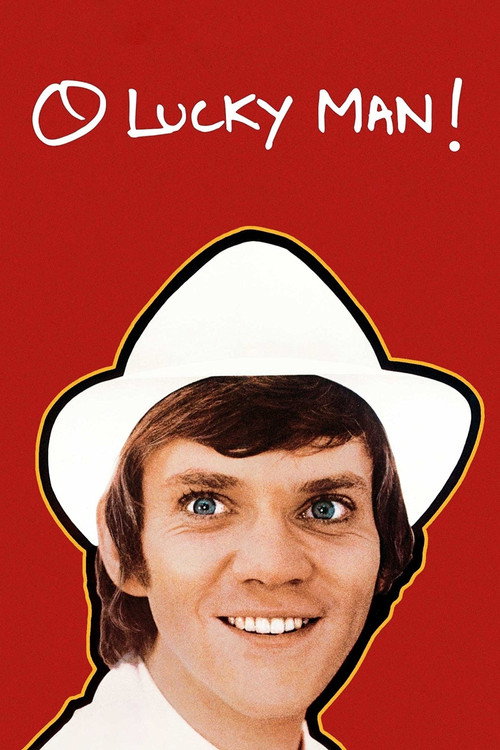
O Lucky Man!1973
Both films treat protagonists as victims of circumstance rather than architects of their own fate. Both use comedy to soften the blow of inevitable failure. Both suggest the world is rigged against ordinary men.
Lindsay Anderson's surreal picaresque with Malcolm McDowell as a coffee salesman on an impossible journey through surreal Britain. Same year as The Dion Brothers, same sense of ordinary men colliding with systems that crush them, but filtered through Brechtian theater and dream logic. Utterly strange and hypnotic.
But Three hours long, deliberately episodic, and makes no attempt at conventional narrative. The tonal registers shift so radically that many viewers find it exhausting rather than exhilarating.
More like this (8)
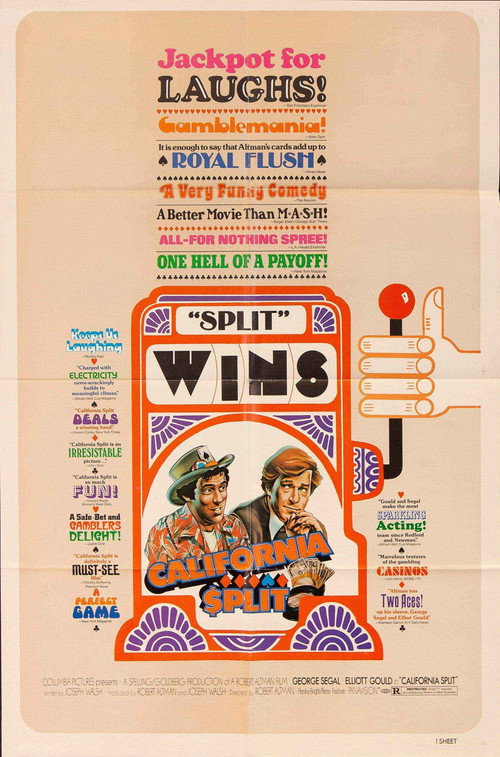
California Split1974
Altman again, this time tracking two gamblers across California. Loose, funny, and interested in male friendship and the small disasters that accumulate. Similar vibe—character over plot, moment over momentum.
But Virtually no plot spine. If you want a story that goes somewhere definable, this wanders and meanders deliberately.
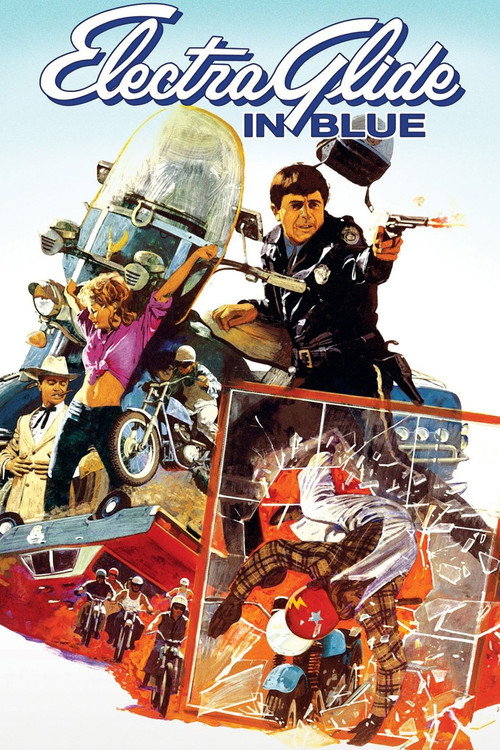
Electra Glide in Blue1973
Robert Blake as a motorcycle cop investigating a murder in Arizona. Surprisingly thoughtful crime film with real empathy for its protagonist. That same blend of Americana, comedy, and quiet dread about men and their choices.
But The tonal shifts between cop procedural and existential reflection don't always land smoothly. Feels slightly unfinished.
The Killing1956
Kubrick's debut: a racetrack heist told in fragments, with ordinary criminals and an ordinary plan that unravels. Lean, smart, and interested in how small decisions lead to big catastrophes. The prototype for this kind of story.
But Shot in black-and-white on a modest budget, and the fragmented timeline can feel confusing on first viewing. Definitely feels like 1956.

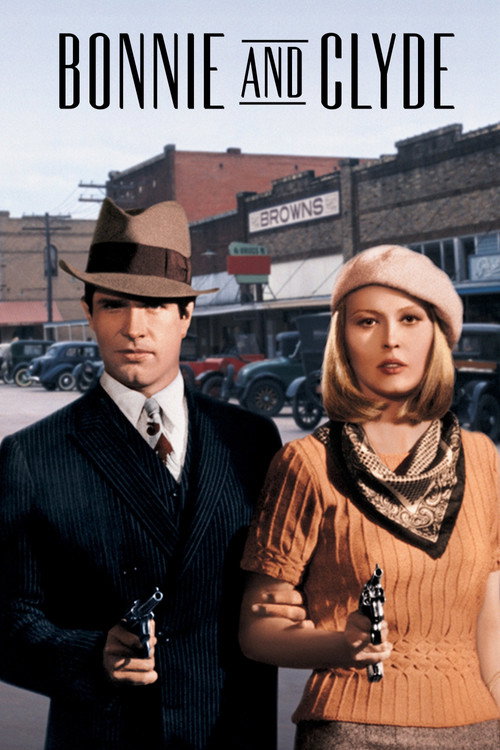
Bonnie and Clyde1967
The film that rewrote how crime stories could be told. Young criminals, romantic desperation, violence, humor, and real consequences. If you want the ur-text for the fugitive-couple subgenre, it's here.
But Famous and visible to the point of cliché now. Its influence might make it feel less fresh than The Dion Brothers does.
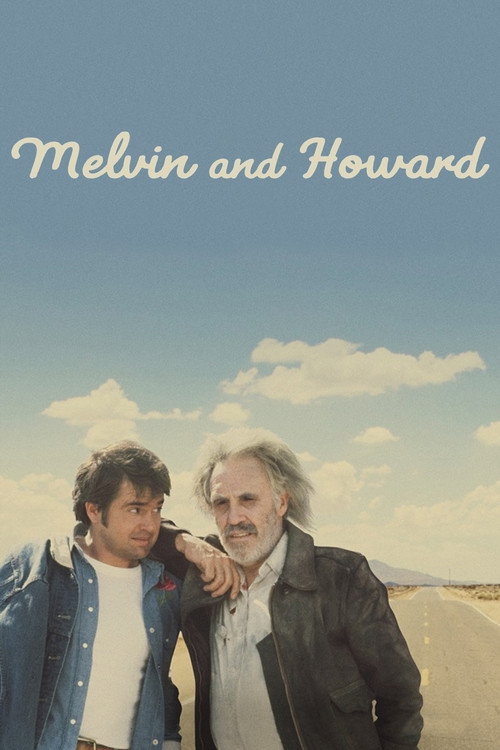
Melvin and Howard1980
Barry Meeker and Paul Le Mat as small-time con men. Warmhearted and oddly funny about men chasing get-rich schemes. Same affectionate treatment of flawed characters making stupid decisions.
But The tone is sunnier and more optimistic than The Dion Brothers. Lacks the genuine darkness that makes the earlier film stick.
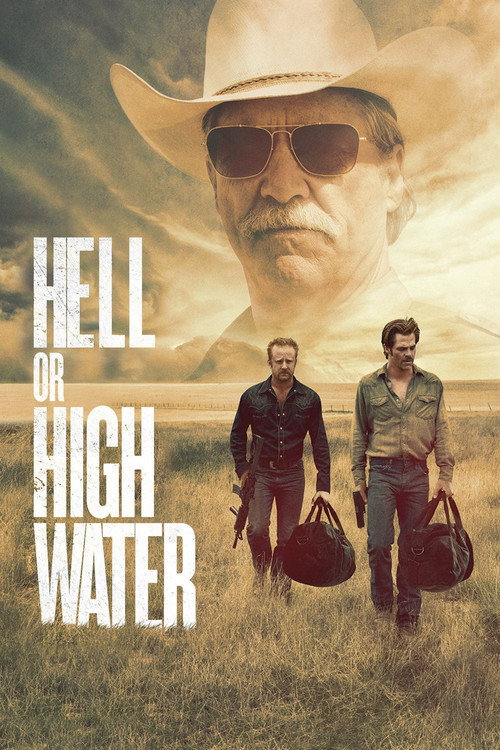
Hell or High Water2016
Modern-day rural robbers and the lawman pursuing them. Elegant, propulsive, and deeply felt about economics and desperation. Proves the fugitive-brothers template still works when executed with care.
But Much slicker and more contemporary. If you love The Dion Brothers precisely because of its 1974 rawness, this polish might feel distancing.
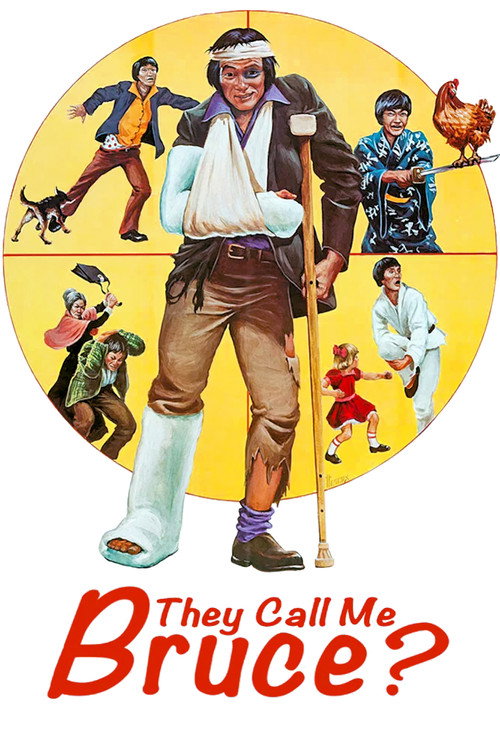
They Call Me Bruce?1982
Both are unglamorous films about men who don't fit anywhere. Both find pathos in incompetence. Both have been largely forgotten despite real warmth and specificity.
A comedy about a Korean man mistaken for a martial arts master, starring Johnny Yune. Sounds like fluff—it kind of is—but underneath runs the same DNA as The Dion Brothers: men caught between identity and expectation, fumbling through life with accidental consequences. It's trash but with real heart.
But The humor is broad and occasionally cringe by modern standards. The filmmaking is genuinely rough. It's not ironically bad, it's just... bad in places, and you have to meet it on its own terms.
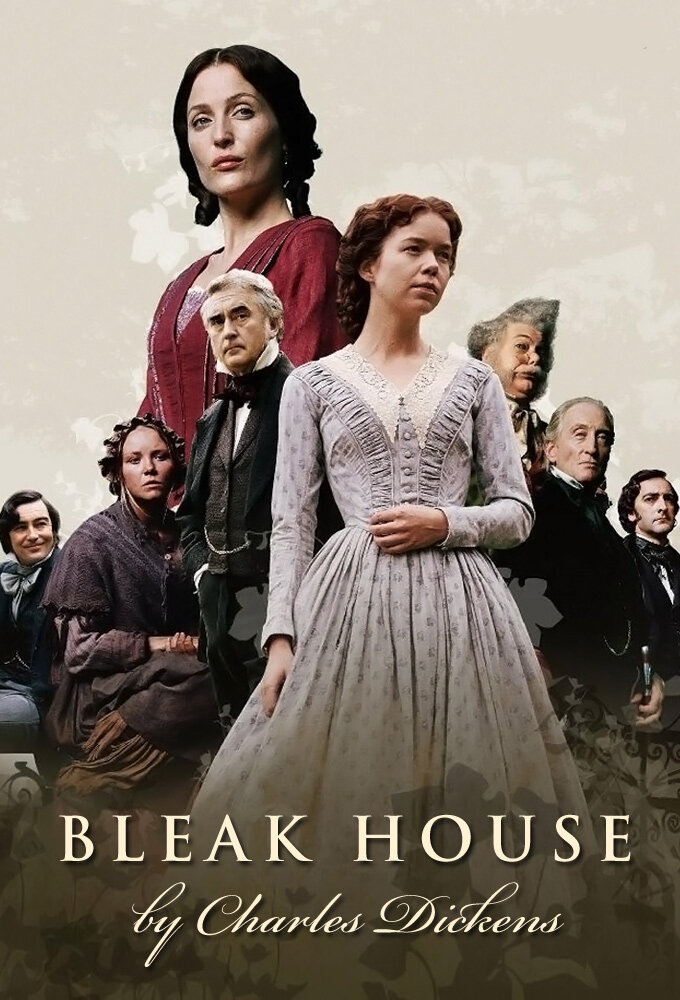
Bleak House2005
Both treat crime—or circumstances that lead to it—as a symptom of larger failures in how society is structured. Both suggest that individual choice matters far less than we think.
BBC miniseries adaptation of Dickens with a sprawling cast and legal maze that slowly tightens into tragedy. Like The Dion Brothers, it's about small mistakes and systemic pressures that accumulate into catastrophe. But Dickens gives it moral weight and institutional critique that elevates it beyond mere crime.
But Fifteen hours long, Victorian English, and deliberately paced. Requires genuine investment and patience. The legal plot is genuinely complex and can feel overwhelming.
People
Cast
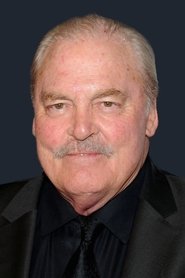 Stacy KeachCalvin
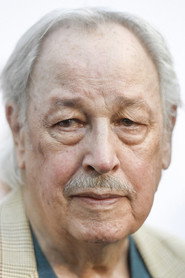 Frederic ForrestRussell (Rut) Dion
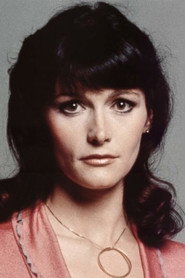 Margot KidderMargie
 Barry PrimusTony
 Richard RomanusCarlo
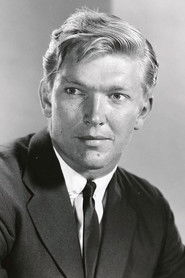 Denny MillerRex
- Clay TannerBather
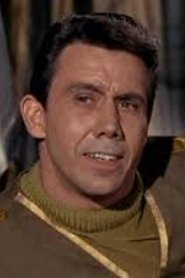 Robert PhillipsGino
 Owen OrrCannery Foreman
 Jack StarrettGentleman Rancher (as Claude Ennis Starrett Jr.)
 Francesca BelliniReceptionist
- Al HansenPolice Captain
Directing
- Jack StarrettDirector
Writing
- Bill KerbyWriter
- Terrence MalickWriter
Production
- Jonathan T. TaplinProducer