
Film
Thieves Like Us
Altman's Depression-era crime romance follows three escaped convicts drifting through the American South, their bank robberies increasingly desperate and half-hearted. Shelley Duvall transforms Keechie from cipher to luminous center, and the film moves at the pace of people running out of road. Intimate, elegiac, unglamorous—a heist film where the heist barely matters.
Should you watch it?
Watch it if you love Altman-style Depression-era melancholy, where the robberies matter less than the shy, unhurried tenderness between two people who barely know how to say what they feel.
Skip it if you need your crime films to build tension and momentum; this one wanders through small talk, long silences and sun-bleached Southern afternoons, and the heist side rarely pounds.
What it asks of you: Settle in for a loose, languid two hours that rewards patience, with a dreamy, low-key rhythm and a mood that stays soft and wistful rather than thrilling.
Not sure? Find tonight's pick in a minute.
If you liked this
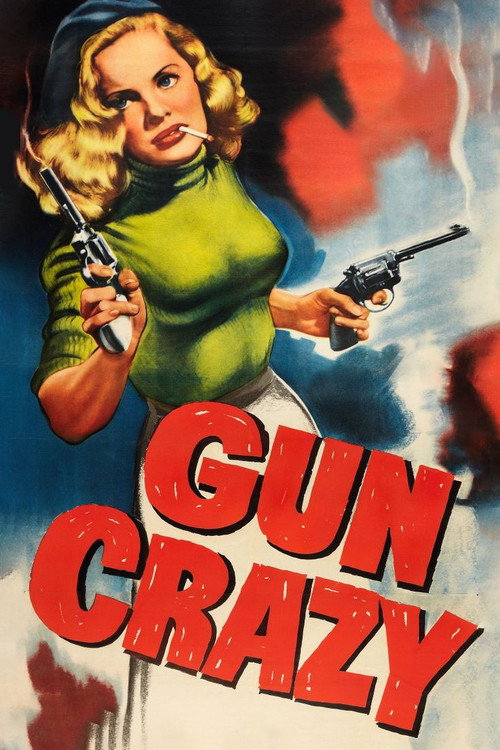
Gun Crazy1950
The spiritual ancestor of Bonnie and Clyde, a lean 1950 crime romance where young lovers rob banks and drift across America. More stylish precursor than Altman's film, but shares the same doomed intimacy and sense of inevitable collapse.
But Shot in black-and-white and decades old, it moves slower than you might expect. The romance is earnest rather than ironic, which can feel dated.
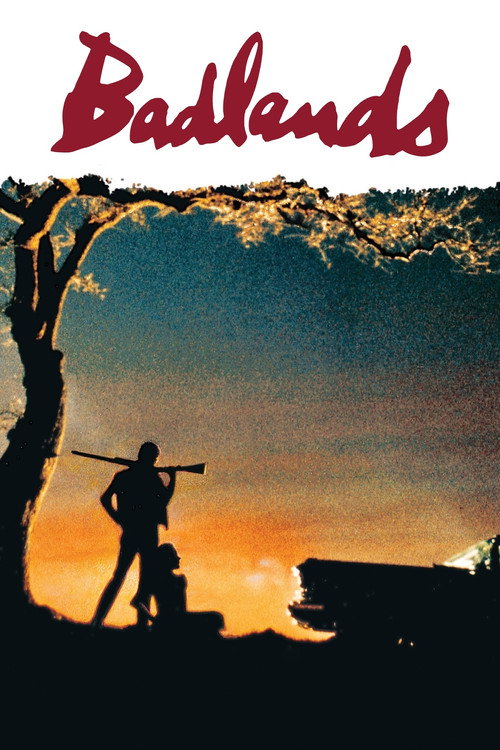
Badlands1973
Terrence Malick's film of young lovers on the run, mythic and lyrical where Altman is mundane. If you respond to the ache in Thieves Like Us, this is the companion piece—beauty bleeding into tragedy.
But Malick's poetry can feel precious or overripe. Some find the voiceover mannered, and the pacing rewards patience over momentum.
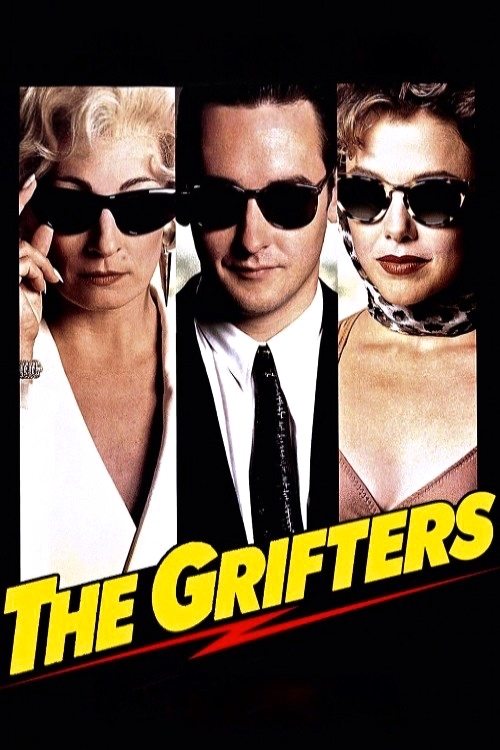
The Grifters1990
Con artists and small-time criminals in the Depression, shot with the same cool distance Altman brings. Scorsese collaborator Stephen Frears finds the desperation beneath the hustle, and the casting is flawless.
But Bleaker than Thieves Like Us, with less warmth. The film doesn't offer much comfort, and the ending is cruel.
Not sure tonight? Get a pick in a minute, starting from Thieves Like Us
The wildcard
Something you would not have found on your own.
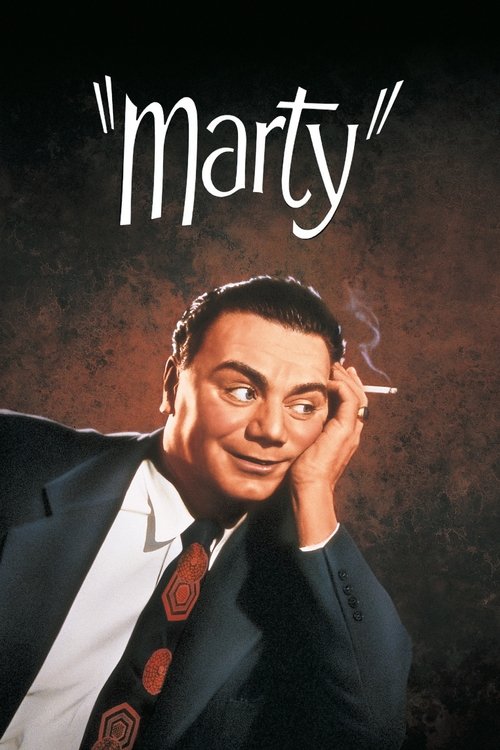
Marty1955
Both films center a quiet character (Keechie, Marty) discovering love while confined by circumstance. Both believe beauty lives in ordinariness and conversation, not action. Both end with the recognition that some kinds of happiness are impossible.
Paddy Chayefsky's television play about loneliness and unexpected connection, shot in stark black-and-white. Like Thieves Like Us, it finds profound emotion in ordinary lives and small moments—but Marty seeks warmth where Altman finds only the ghost of it.
But It's 1955 television dramaturgy transplanted to film: talky, interior, and slow. The gentle humanism can feel quaint or sentimental to modern eyes.
More like this (8)
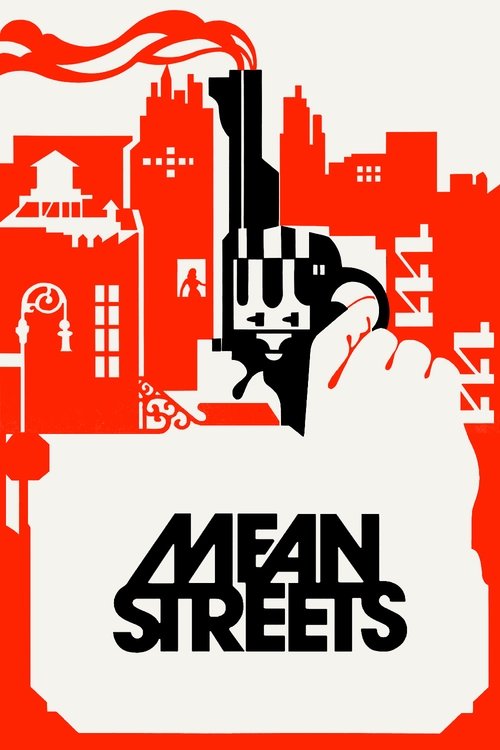
Mean Streets1973
Scorsese's characters live in their own small world too, petty criminals trying to navigate honor and survival. Rawer and grainier than Altman's film, but siblings in their intimacy and moral ambiguity.
But Dense with cultural specificity that takes work to enter. The handheld camera and overlapping dialogue require active listening.
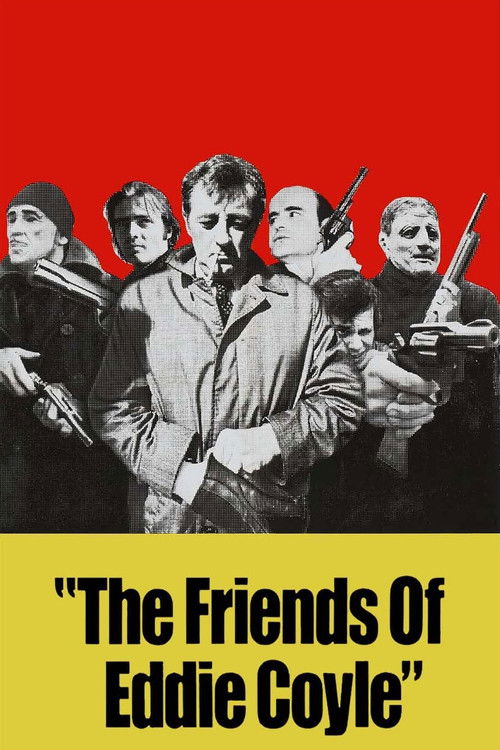
The Friends of Eddie Coyle1973
Robert Mitchum in a hardboiled Boston crime film, exhausted and realistic. Like Thieves Like Us, it drains the romance from criminal life and finds something sadder underneath—the ordinariness of people trapped.
But Deliberately unglamorous to the point of grim. The pacing is deliberate, and there are no heroic moments to hang onto.
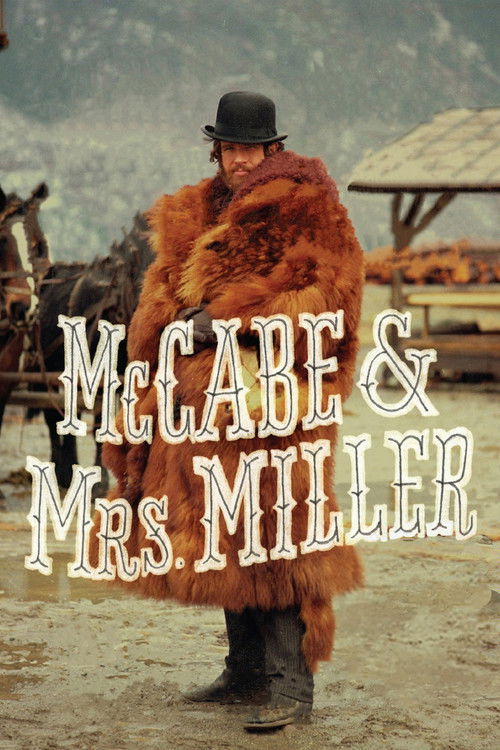
McCabe & Mrs. Miller1971
Altman's own earlier work, a Western that deconstructs myth the way Thieves Like Us deconstructs crime. Warren Beatty and Julie Christie are luminous, and the film shares Altman's commitment to intimate conversation over plot.
But If you haven't seen Altman before, his overlapping soundtracks and loose narrative can feel like the film is slipping away from you. Patience is required.
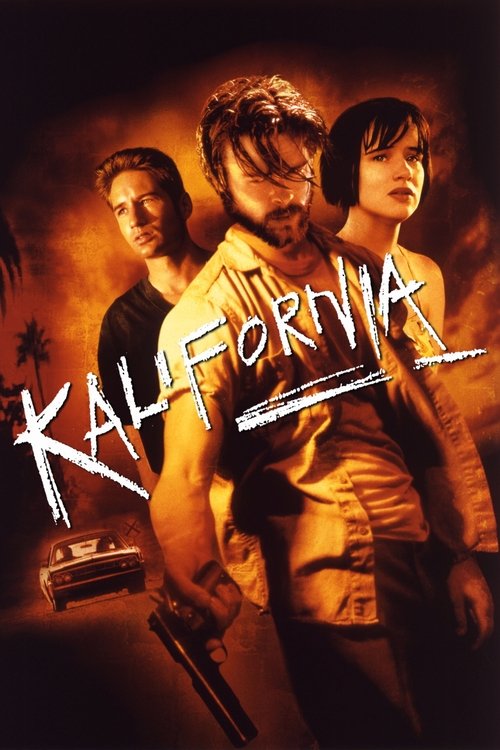
Kalifornia1993
Road movie with David Duchovny and Brad Pitt as strangers thrown together across America, the country itself becoming a character. Shares Thieves Like Us' sense of landscape and drift, though grittier and more contemporary.
But The serial-killer subplot can feel exploitative. Tonally uneven, and some find Pitt's performance self-consciously bratty.
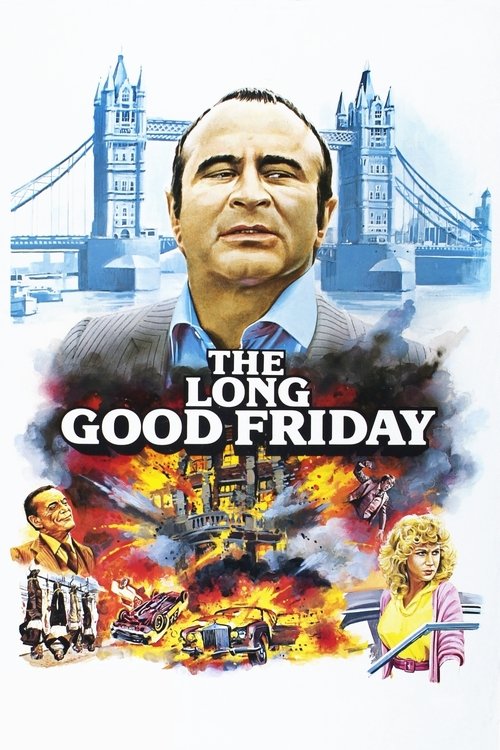
The Long Good Friday1980
Bob Hoskins' Irish gangster watching his empire crumble in real time, trying to maintain control as the ground shifts. Crime film that's ultimately about the failure of will, like Altman's escaped cons slowly losing momentum.
But Very 1980s British in its sensibility and slang. Hoskins dominates so completely that the other characters fade, which some find limiting.
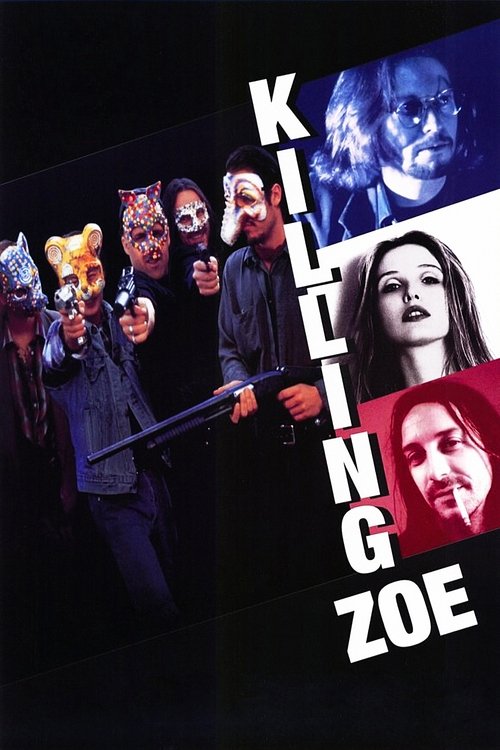
Killing Zoe1993
Roger Avary's stylish heist film follows criminals across Paris with a heroin-addled romantic core. Visually assured and atmospheric, with the same melancholic undertone about plans that don't survive contact with reality.
But The film's cool distance from its characters can feel cold rather than elegant. Plot takes second place to mood, which frustrates viewers looking for narrative clarity.
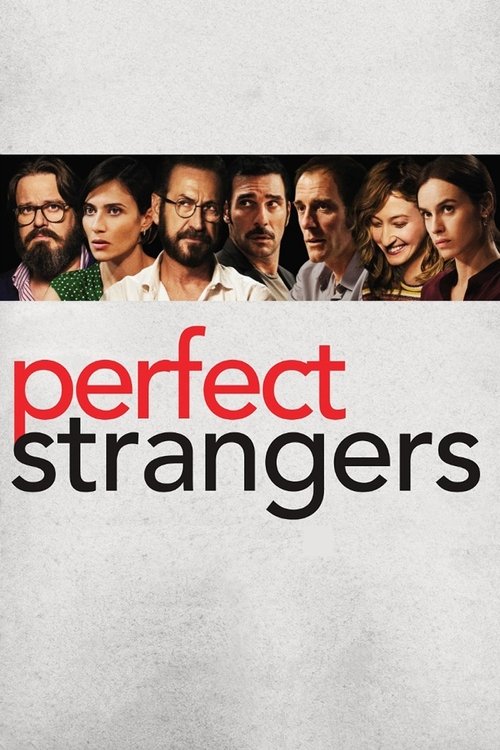
Perfect Strangers2016
Altman and Genovese share the same conviction: cinema's power lives in conversation and the spaces between people, not in what happens to them. Both films trust actors and words completely.
Italian director Paolo Genovese's chamber piece—eight strangers at a dinner party in Rome agree to read all their text messages aloud. Entirely unlike Thieves Like Us in genre and setting, but identical in its faith that ordinary speech and small moments contain everything.
But Dependent on dialogue and character revelation rather than plot. It's essentially a play, which makes it feel static if you go in expecting a film's visual grammar.
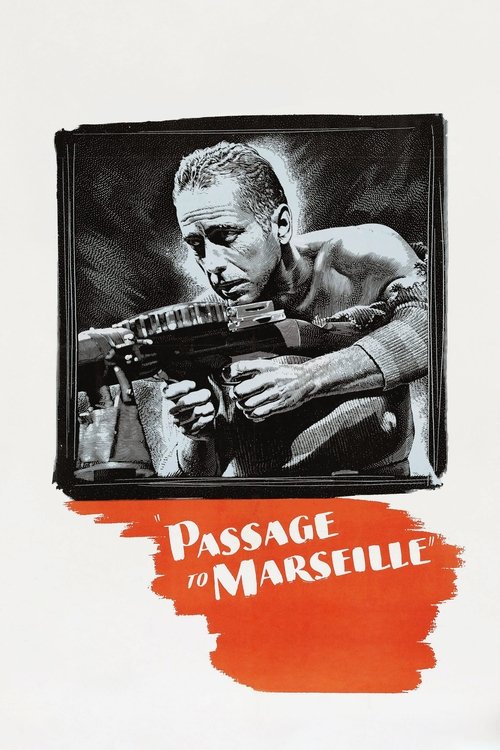
Passage to Marseille1944
Both use the escape narrative as a structure for examining how people cling to hope in impossible circumstances. But where Marseille romanticizes flight, Thieves Like Us shows it as attrition—the same story, drained of myth.
Curtiz's wartime melodrama about escaped convicts (including Humphrey Bogart and Peter Lorre) fleeing across the ocean. Studio Hollywood at its most romantic about criminals and escape, a mirror that shows exactly how unsentimental Altman's version is.
But The wartime politics and framing device are heavy-handed. It's pure melodrama, and the emotional manipulation is conscious and sometimes cloying.
People
Cast
 Shelley DuvallKeechie
 Keith CarradineBowie
 John SchuckChicamaw
 Bert RemsenT-Dub
 Louise FletcherMattie
- Ann LathamLula
 Tom SkerrittDee Mobley
- Al ScottCapt. Stammers
- John RoperJasbo
- Mary WaitsNoel Joy
- Rodney LeeJames Mattingly
 Arch Hall Sr.Alvin
Directing
- Tommy ThompsonAssistant Director
- Robert AltmanDirector
- Michael KusleySecond Assistant Director
Writing
- Edward AndersonNovel
- Calder WillinghamScreenplay
- Joan TewkesburyScreenplay
- Robert AltmanScreenplay
Production
- Robert EggenweilerAssociate Producer
- Thomas Hal PhillipsAssociate Producer
- George LittoExecutive Producer
- Jerry BickProducer
- Carole GisterResearcher
Recommended by
You Only Live Once, The Sugarland Express, They Live by Night, Odds Against Tomorrow, Fun with Dick and Jane, The Night of the Following Day, Bloody Mama, The Dion Brothers, The Killing Kind, Rebel Rousers, The King of Marvin Gardens, Jewel Thief, Slither, Gas Food Lodging, Bonnie's Kids, Last Ride, The Grissom Gang, The Four Musketeers, Boxcar Bertha