
Film
The Killing Kind
- Vigilante
- Very dark
A 1974 revenge thriller about a young man returning home after prison, determined to punish those he blames for his conviction. It's a grimy, morally murky film that trades in genuine unease rather than jump scares, anchored by Ann Sothern's unsettling performance as his enabling mother. Difficult, deliberately ugly cinema for viewers who can stomach moral ambiguity.
Should you watch it?
Watch it if you want a lean, grubby low-budget thriller where a tense homecoming under one roof builds dread through simmering confrontation rather than gore, and you're happy with a genre film that doesn't pretend to be polite.
Skip it if you find sexual violence too heavy a premise to sit with, since the film's unease rests on that trauma and its aftermath, with little lightness to offset it.
What it asks of you: Expect a ninety-five minute stretch that stays close to one house and one man's slow-burning resolve, with few breaks between its sharper jolts.
Not sure? Find tonight's pick in a minute.
If you liked this
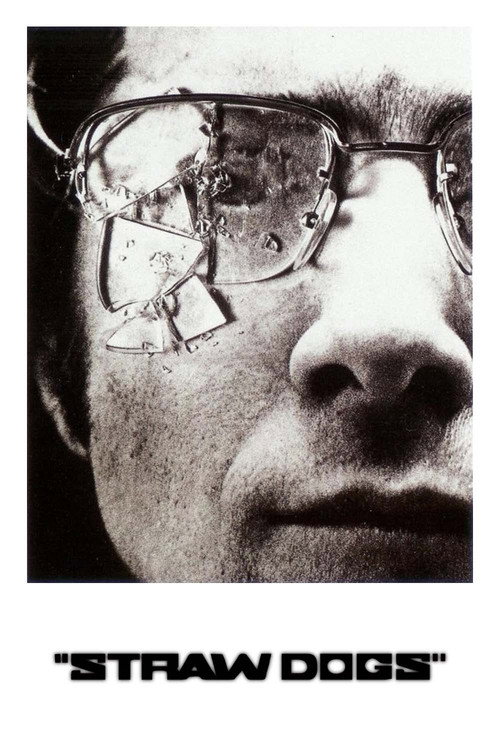
Straw Dogs1971
Peckinpah's masterpiece of escalating violence and masculine anxiety, where a quiet man is pushed beyond his limit. Shares The Killing Kind's interest in how violence begets violence, and in the cruelty that ordinary people contain.
But Brutally graphic by any era's standards, and the gender politics—while intentional—are brutal too. Not a film that offers comfort or easy answers.
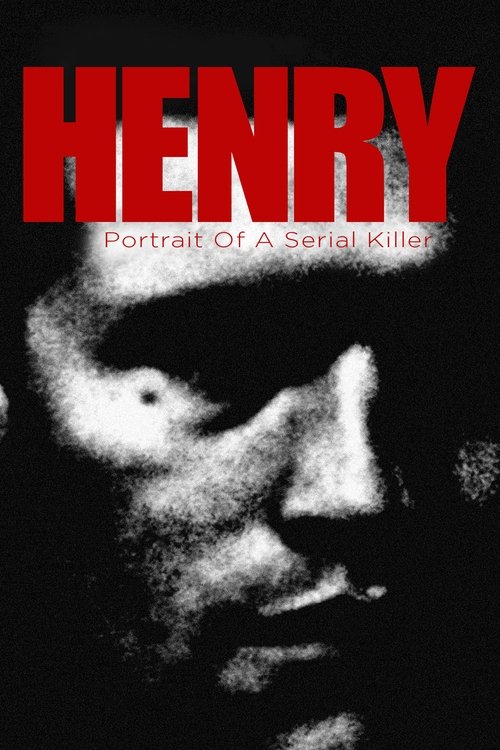
Henry: Portrait of a Serial Killer1986
A genuinely disturbing study of casual evil and the banal monstrosity of an ordinary man. Michael Rooker's performance is as chilling as anything in 70s thriller cinema, and it shares The Killing Kind's refusal to flinch.
But Extremely graphic and relentless. There is no catharsis here, no moment where you feel better. It's a slog through ugliness, and that's entirely the point.
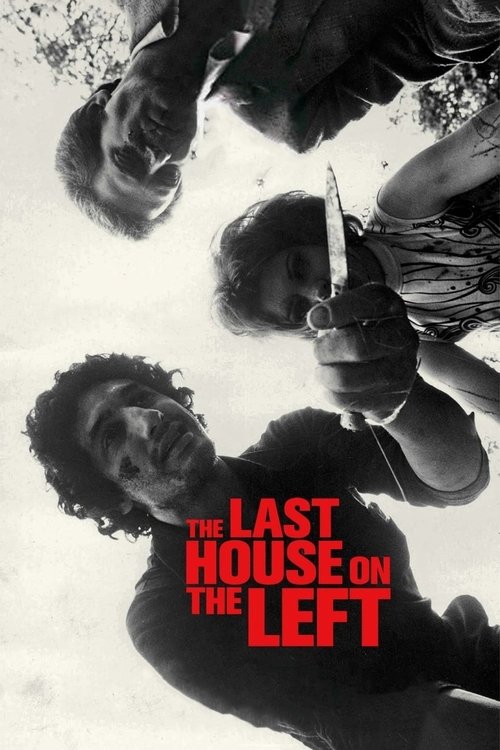
The Last House on the Left1972
Wes Craven's raw, shambling debut about home invasion and parental revenge. Like The Killing Kind, it's interested in how trauma and rage corrupt everyone they touch, and in the violence that erupts when boundaries are crossed.
But Cheap production values that some find distracting rather than immersive. Also genuinely upsetting—not fun horror, but moral horror.
Not sure tonight? Get a pick in a minute, starting from The Killing Kind
The wildcard
Something you would not have found on your own.
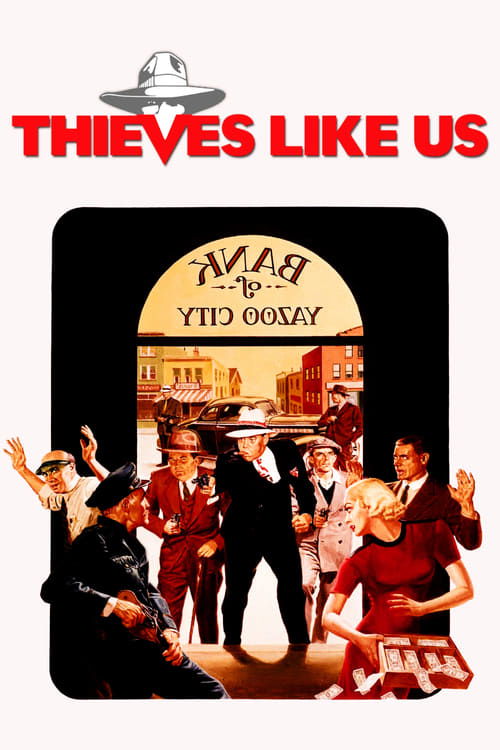
Thieves Like Us1974
Both are 1974 films about damaged people trying to outrun their pasts, interested in moral complexity over judgment. Both trust the audience to find sympathy for the unsympathetic.
Altman's gentle film about Depression-era bank robbers on the run. It sounds completely different from The Killing Kind—it's almost romantic—but both films are interested in how desire and circumstance turn ordinary people into criminals, and in the impossibility of escape.
But Slow, digressive, and more interested in mood than plot. Robbery is the subject, not the point. Some find Altman's style frustratingly mannered.
More like this (7)
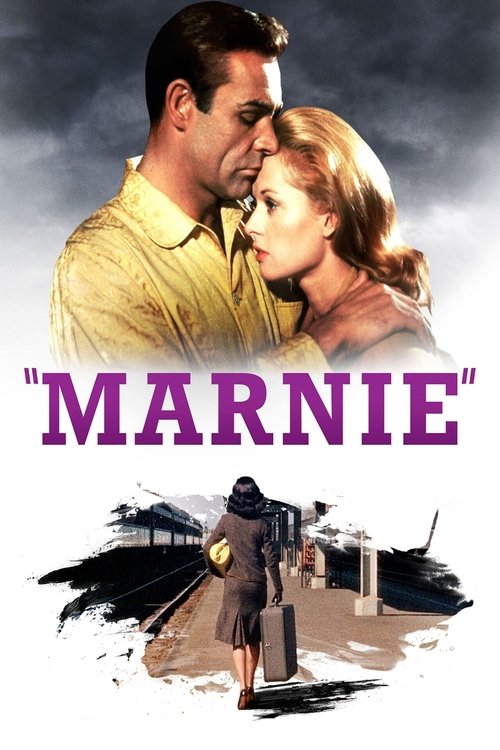
Marnie1964
Hitchcock's psychological thriller about a woman whose past traumas drive her compulsions. Both films use family dysfunction and sexual damage as engines for plot, and both trust the audience to sit with complicated, unlikeable characters.
But Slower and more introspective than you might expect. The Hitchcock elegance means less visceral impact than The Killing Kind's grittier approach.
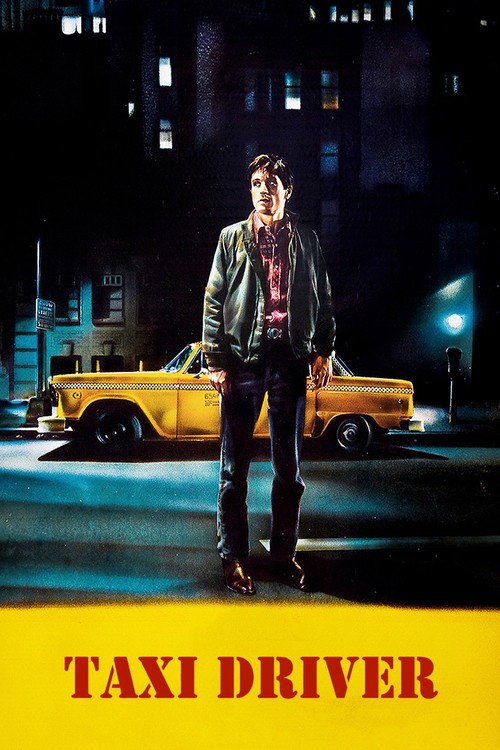
Taxi Driver1976
De Niro's Travis Bickle is another damaged man spiraling into violence, another study of urban rot and masculine resentment. Both films understand that revenge narratives are sometimes about self-destruction masquerading as justice.
But An era piece now, and deliberately slow. If you're looking for plot momentum, you won't find it. Travis's monologues can feel dated to modern ears.
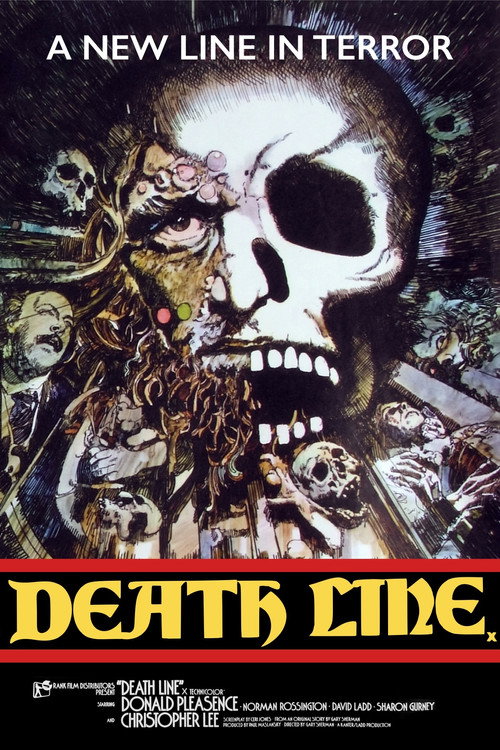
Death Line1972
A grimy British horror-thriller about cannibals in the London Underground. It has the same 70s aesthetic of decay and moral rot as The Killing Kind, and the same confidence in disturbing its audience.
But Threadbare plot and uneven pacing. The atmosphere carries it more than the story, and that won't be enough if you need narrative drive.
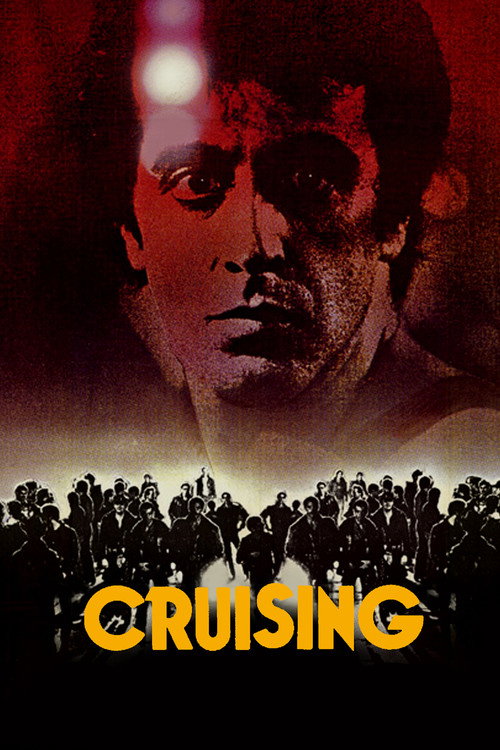
Cruising1980
Friedkin's controversial thriller about a cop going undercover in New York's gay leather scene to catch a serial killer. Like The Killing Kind, it's interested in how exposure to violence and depravity warps the men it touches.
But The gay politics are at best confused, at worst offensive. Some sequences are gratuitous rather than purposeful. It's a film that provokes, but not always in interesting ways.
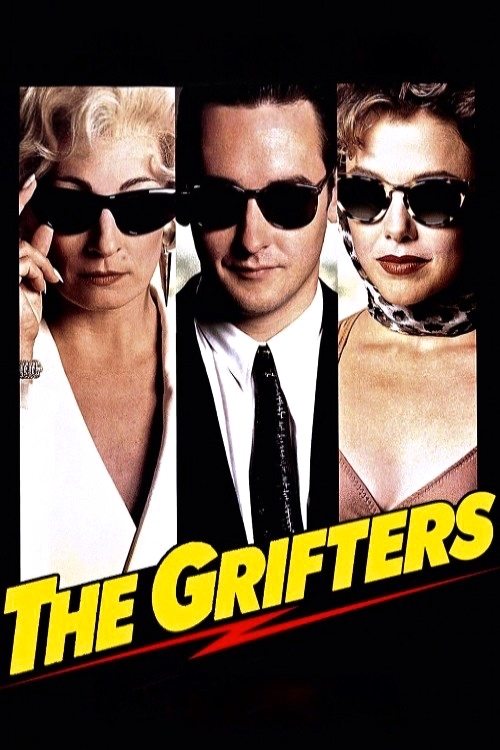
The Grifters1990
Scorsese-adjacent con-artist noir where every character is using everyone else. Shares The Killing Kind's interest in people whose relationships are entirely transactional, and in how manipulation breeds more manipulation.
But More stylish than The Killing Kind, which some might find alienating. Also less interested in moral consequence—it's smarter but colder.
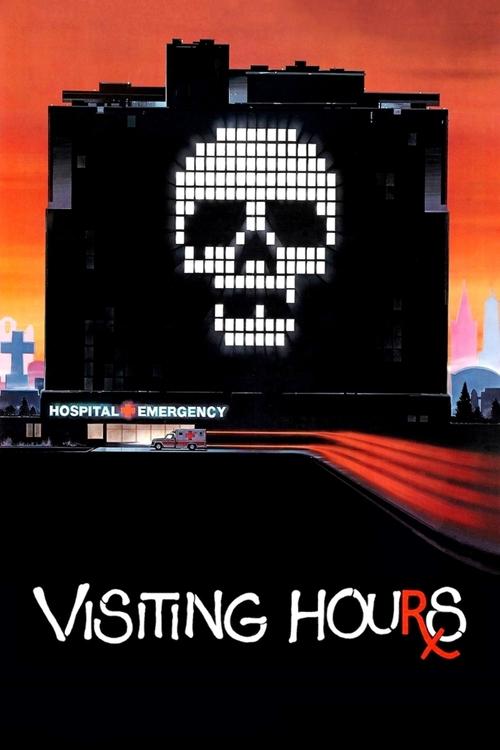
Visiting Hours1982
A stalker thriller where a disturbed man pursues a TV journalist through a hospital. It's a nasty little film cut from the same cloth as The Killing Kind: exploitation with genuine craft, and real malice underneath.
But The plotting is sometimes arbitrary. It's essentially a sequence of scenes rather than a tightly constructed thriller. The nastiness is the point, not a means to one.
A Prophet2009
Both films use incarceration and the people around prisoners as a lens for exploring how society creates monsters. Both refuse to sentimentalize their protagonists' suffering.
A French prison thriller about a young man who arrives in jail innocent and leaves transformed by violence and power. It's a completely different register—taut, modern, visceral in a different way—but the moral logic is identical: prisons don't rehabilitate, they radicalize.
But Subtitled, and quite long. The prison politics might feel opaque if you're not familiar with French social context. Some sequences are graphically violent.

People
Cast
 Ann SothernThelma Lambert
 John SavageTerry Lambert
 Luana AndersLouise
 Ruth RomanRhea Benson
 Cindy WilliamsLori
 Sue BernardTina
 Marjorie EatonMrs. Orland
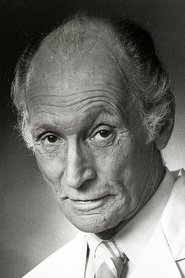 Peter BroccoLouise's Father
Directing
- Curtis HarringtonDirector
Writing
- George EdwardsWriter
- Tony CrechalesWriter
Production
- Sal GrassoAssociate Producer
- Leon MirellExecutive Producer
- George EdwardsProducer
- Sal GrassoProduction Manager
Recommended by
Strait-Jacket, The Web, Twisted Nerve, Reflections in a Golden Eye, Alone in the Dark, The Boys Next Door, Pieces, Monkey Shines, 3 Sisters, Straight On Till Morning, Chicago Confidential, The Medusa Touch