
Film
Straight On Till Morning
- Serial killer
- Thriller
- Very dark
A 1972 psychological thriller about a lonely woman who falls for a charming stranger, unaware he's a serial killer. It's a deliberate, unglamorous portrait of vulnerability and predation—less slasher spectacle than slow-burn study of isolation and manipulation. For fans of character-driven horror that trusts its audience to sit with discomfort.
Should you watch it?
Watch it if you like slow-burn psychological thrillers from the early 1970s, where dread builds through a lonely woman's hopefulness and a patient, watchful atmosphere more than through quick shocks.
Skip it if you need brisk pacing or a clear sense of what the film is building towards, since it lingers on its quiet, uneasy stretches and the unease can feel slow and repetitive.
What it asks of you: At 96 minutes it is brief, but it moves at a deliberate pace and rewards close attention to small, unsettling details.
Not sure? Find tonight's pick in a minute.
If you liked this
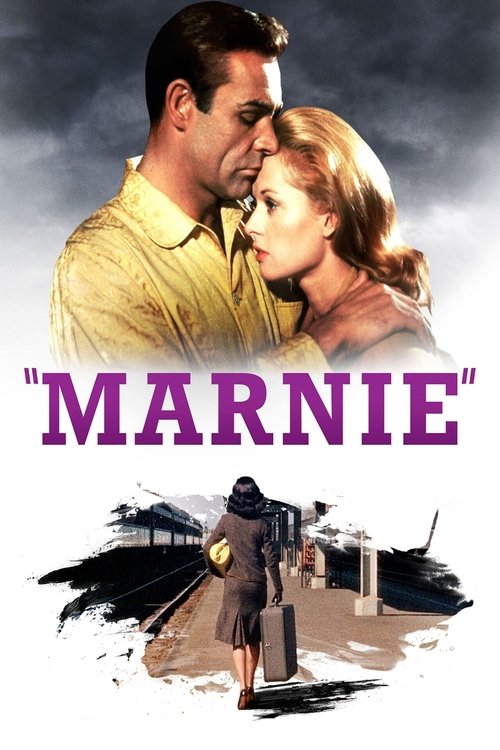
Marnie1964
Hitchcock's portrait of a damaged woman drawn to a man who recognises her damage as opportunity. Tense, psychologically precise, with terrific chemistry between its leads that makes every scene crackle.
But The sexual politics feel dated now, and some viewers find the clinical approach to trauma unsettling rather than moving.
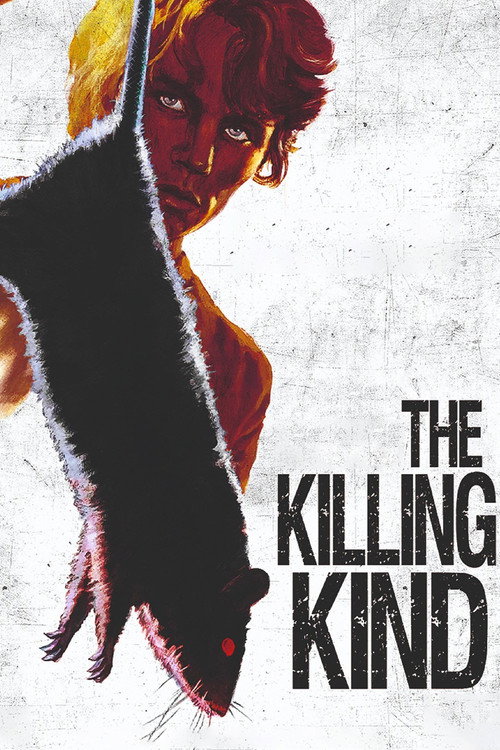
The Killing Kind1974
Another slow-burn about a mentally unwell man returning to a small town, preying on the women around him. Nasty, smart, and genuinely uneasy—made just after Straight On Till Morning and cut from the same cloth.
But It's bleak without offering catharsis, and the sexual violence is treated seriously rather than exploited, which some find harder to watch.
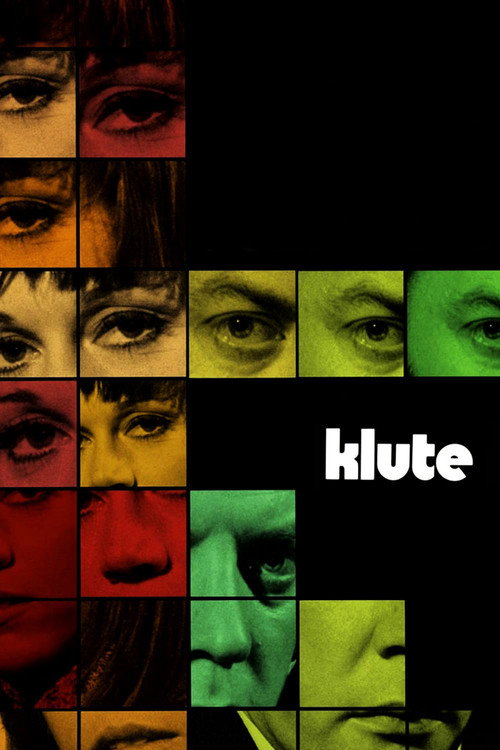
Klute1971
A detective and a sex worker drawn together while hunting a killer. It's grounded, sexy, and more interested in its characters than its plot—Jane Fonda gives one of the best performances in 70s cinema.
But It moves at its own pace, and the thriller mechanics feel secondary, which can feel slack if you want conventional suspense.
Not sure tonight? Get a pick in a minute, starting from Straight On Till Morning
The wildcard
Something you would not have found on your own.
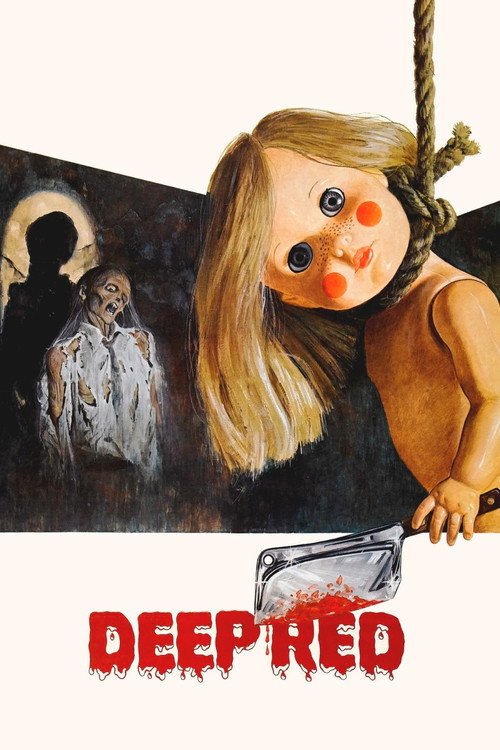
Deep Red1975
Both are European thrillers fascinated by the machinery of violence and the psychology of people who enact it, treating the subject with visual precision rather than sensation-seeking.
Argento's giallo masterpiece: a man witnesses a murder and investigates, uncovering secrets. Technically dazzling, beautifully colour-graded, and constructed like clockwork. It's a thriller that looks like a painting.
But Giallo is its own language—if you don't know the genre, the tonal shifts and operatic violence can feel overwrought or archaic.
More like this (8)
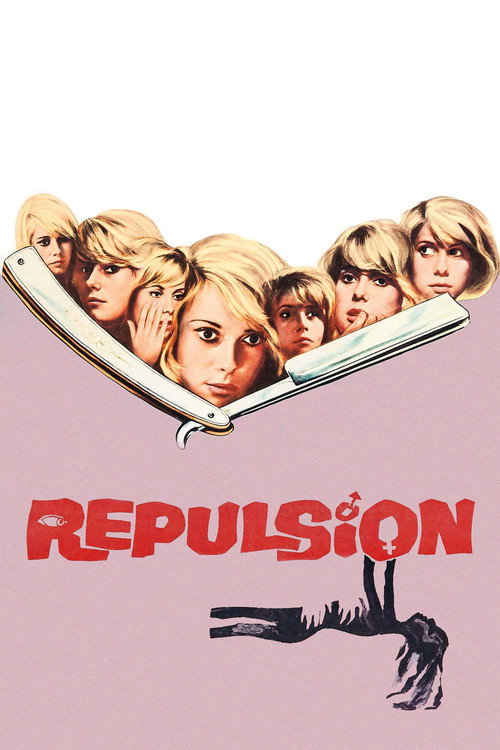
Repulsion1965
Polanski's masterpiece about a woman's psychological unraveling, shot in black and white. Visceral, hallucinatory, unbearably tense—it gets inside a fractured mind without flinching or explaining.
But It's genuinely disturbing and features sexual violence; it's a portrait of terror, not entertainment.
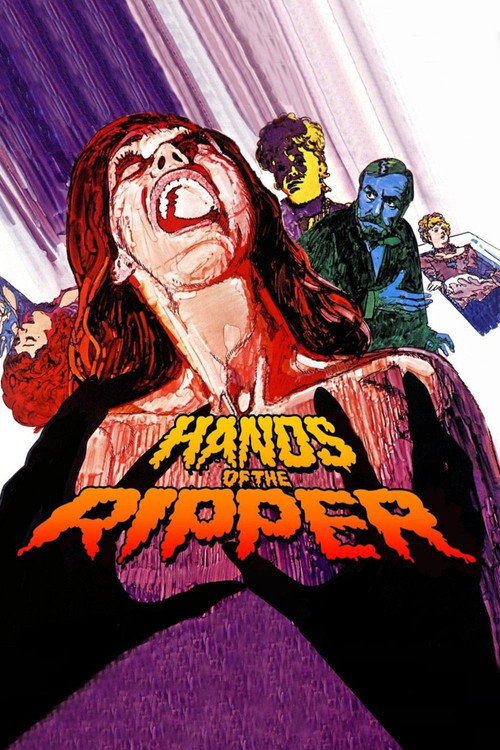
Hands of the Ripper1971
A Jack the Ripper descendant subplot wrapped around a fascinating character study. Gothic, peculiar, and willing to spend time on psychology over jump scares—British horror at its most thoughtful.
But The pacing is deliberate, and it prioritises atmosphere over plot momentum, which can feel slow.
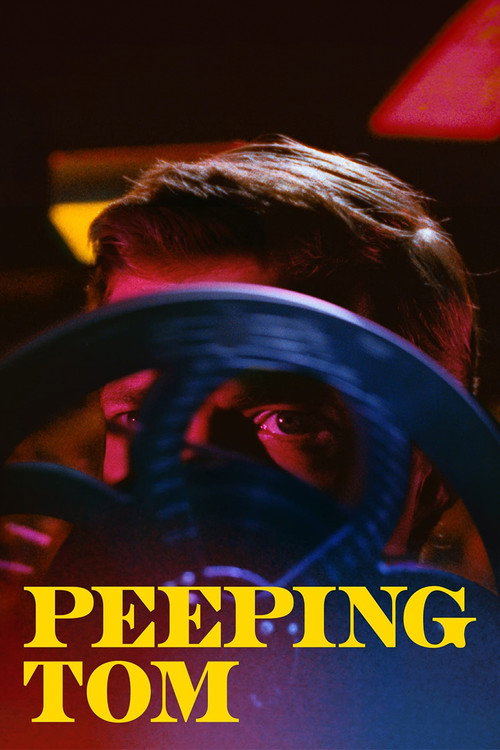
Peeping Tom1960
A man films women while killing them. Shot in colour, surprisingly intimate, and genuinely ahead of its time in treating its killer with humanity rather than caricature. Rare and rewarding.
But It's deeply uncomfortable by design, and its sympathy for a murderer disturbed critics so much it killed its director's career for decades.
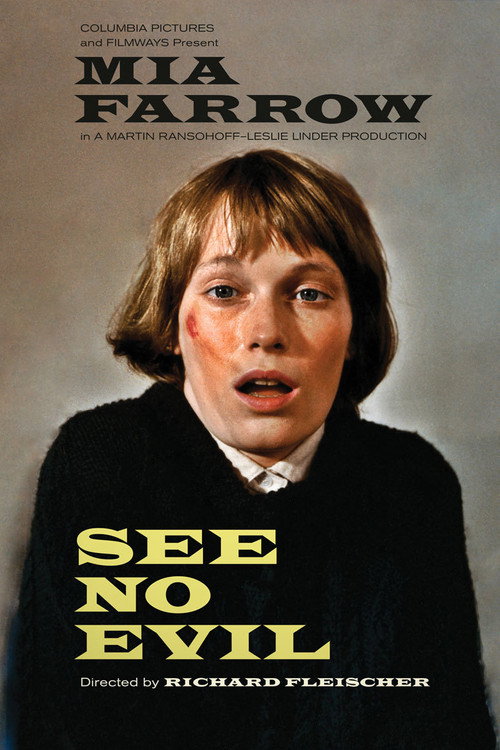
See No Evil1971
A blind woman terrorised by a killer in her own home. Lean, efficient, and genuinely suspenseful without relying on gore—Mia Farrow is quietly brilliant, and the film trusts you to fill in the blanks.
But At under 90 minutes it can feel slight, and home-invasion thrillers can feel repetitive if you've seen the template before.
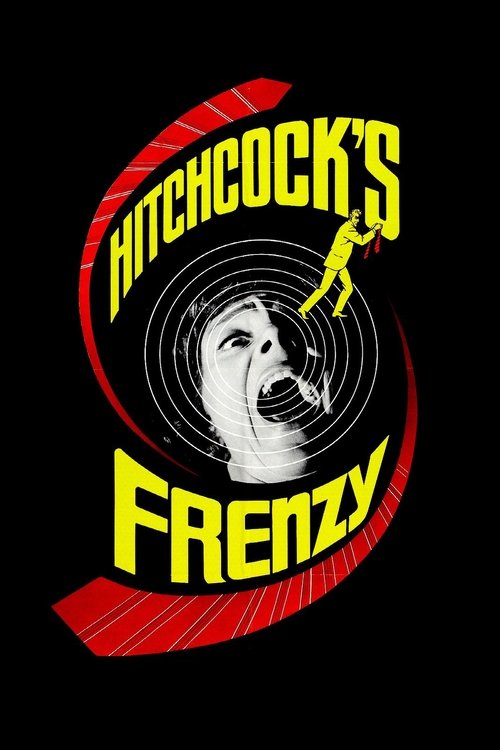
Frenzy1972
Hitchcock's penultimate film, his only one rated R. A serial killer loose in London; it's brutal, darkly funny, and one of his most accessible late-period works. Cracking entertainment.
But The rape scene is notoriously graphic, and its treatment of violence alongside comedy will not land for everyone.
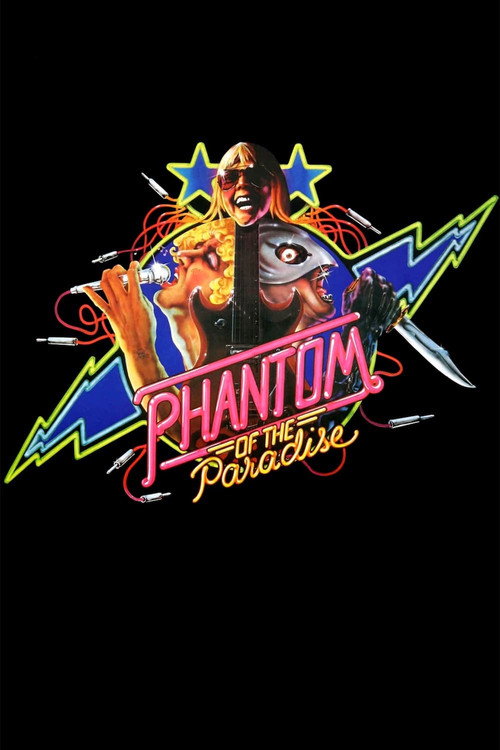
Phantom of the Paradise1974
De Palma's twisted rock opera about obsession and the music industry. Stylish, weird, camp, genuinely eerie—it's unlike anything else and utterly committed to its own logic.
But It's aggressively strange, and if you don't buy the tone it can feel like cosplay rather than cinema.
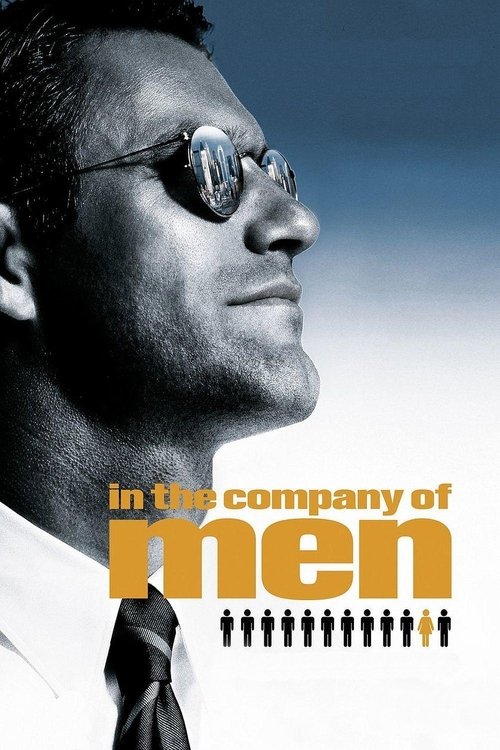
In the Company of Men1997
Both centre on predatory men who exploit the vulnerability of isolated women, but LaBute makes the predators the point of view, forcing you to sit with their logic while remaining morally disgusted.
Two men in a corporate office decide to seduce and discard a deaf woman, then betray each other. It's a merciless comedy-drama about entitlement and cruelty. Punishing and brilliant.
But It's nasty by design—Neil LaBute doesn't soften his characters, and if you expect narrative justice you'll be angry. Absolutely no fun.
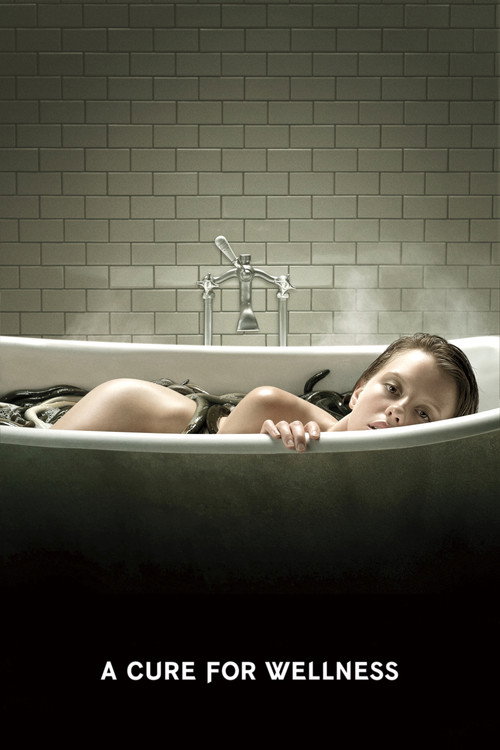
A Cure for Wellness2017
Both are 70s-inflected paranoid thrillers about a protagonist drawn toward someone or somewhere that should seem suspicious, with a killer hiding in plain sight beneath a veneer of normalcy.
A man investigates a wellness facility and finds something rotten underneath the surface. Visually stunning, deeply weird, and willing to go places most thrillers won't. Gore and beauty held in uneasy balance.
But It's 146 minutes and sometimes feels self-impressed; the plot contortions can feel elaborate rather than inevitable.
People
Cast
 Rita TushinghamBrenda Thompson
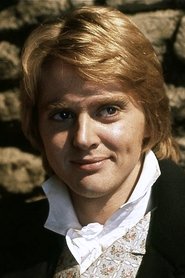 Shane BriantPeter Clive
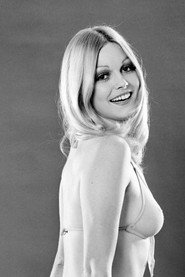 Katya WyethCaroline
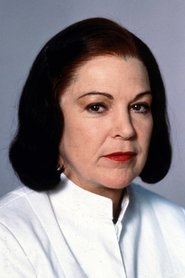 Annie RossLiza
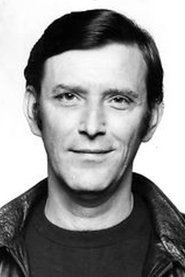 Tom BellJimmy Lindsay
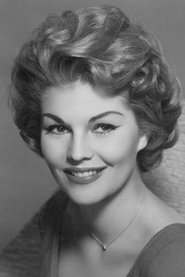 Claire KellyMargo Thompson
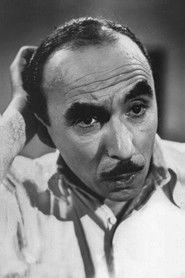 Harold BerensMr. Harris
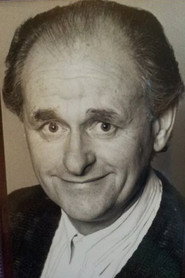 John CliveNewsagent
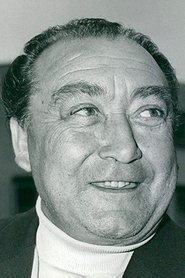 Tommy GodfreyMr. Godfrey
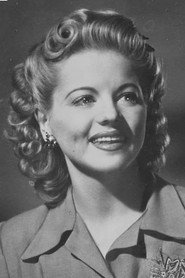 Mavis VilliersIndian Princess
- Lola WillardCustomer
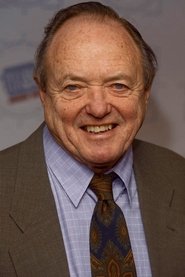 James BolamJoey
Directing
- Clive ReedAssistant Director
- Betty HarleyContinuity
- Peter CollinsonDirector
Writing
- John PeacockScreenplay
Production
- James LiggatCasting
- Michael CarrerasProducer
- Tom SachsProduction Manager
- Roy SkeggsProduction Supervisor