
Film
Repulsion
Polanski's second film traps you inside the mind of a young woman quietly unravelling in a London flat, and it never lets you out. It's slow, silent, and suffocating rather than jumpy — cracks appear in walls, hands reach from nowhere, and dread accumulates like dust. Essential for anyone who wants horror that works through atmosphere and psychology rather than plot.
If you liked this
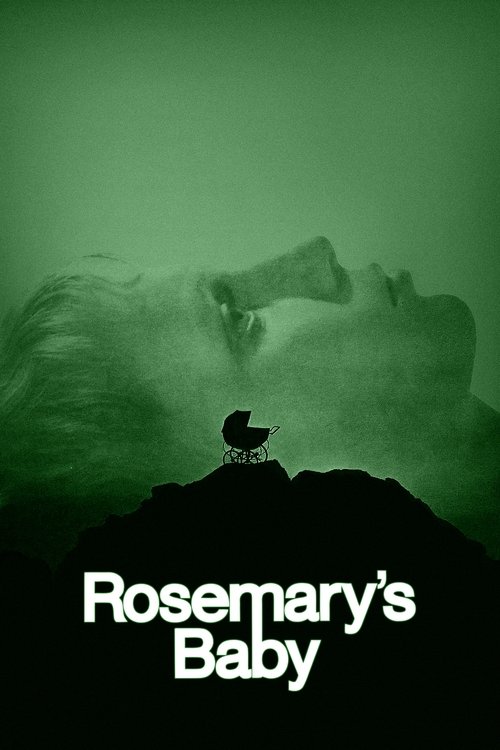
Rosemary's Baby1968
Polanski's very next film, and the natural companion piece — another woman isolated in an apartment, another slow erosion of trust in her own perception, but with a conspiracy instead of a void.
But More plot-driven and less abstract; if you loved Repulsion's formlessness, this feels comparatively conventional.
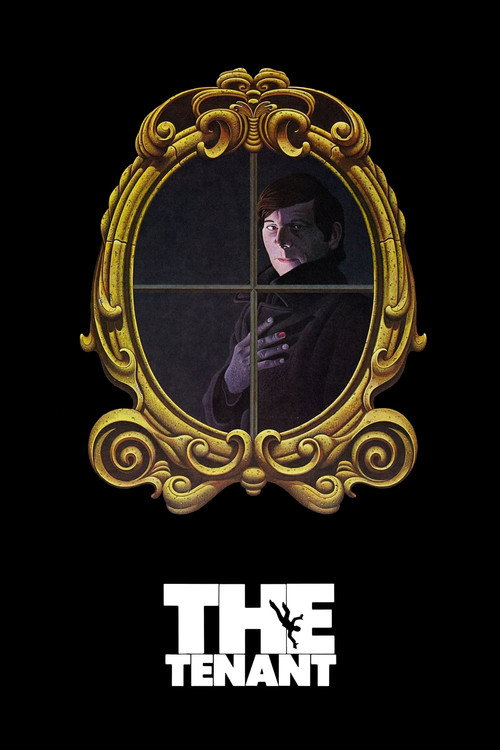
The Tenant1976
Polanski completes his 'apartment trilogy' here, this time with himself as the paranoid tenant convinced his neighbours are conspiring against him. Same claustrophobia, dialled up to absurdist nightmare.
But Tonally stranger and often darkly comic — it can feel like a fever dream rather than a coherent descent.
Black Swan2010
Aronofsky's ballet horror shares Repulsion's DNA almost exactly: a woman's body and mind betraying her, mirrors that lie, a psychological collapse rendered as visceral horror.
But Far more melodramatic and kinetic — this trades stillness for hysteria and body horror set pieces.

The wildcard
Something you would not have found on your own.
Perfect Blue1998
Same subjective descent into madness and unreliable perception as Repulsion, just relocated to Japanese animation — proof the mechanism works in any medium.
A Japanese animated psychological thriller about a pop idol whose grip on reality dissolves under stalking, fame, and self-doubt — hallucination and identity collapse rendered in anime instead of live action.
But Animation and a pop-idol setting might read as an odd match if you're expecting live-action realism.

More like this (8)
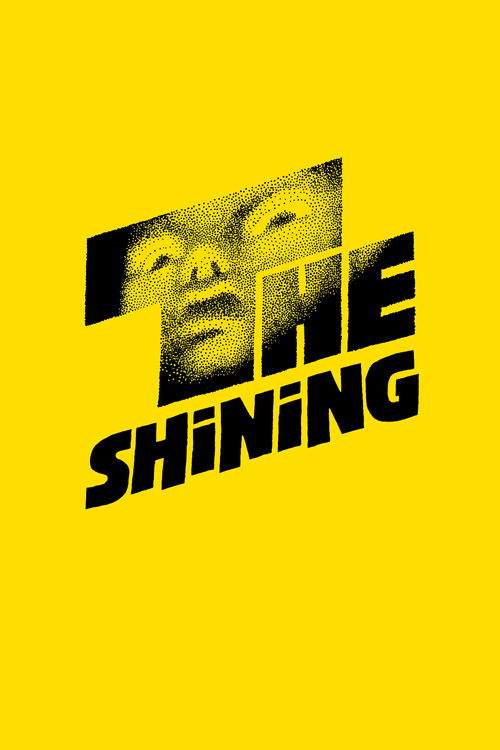
The Shining1980
Kubrick's haunted hotel does for space what Repulsion does for an apartment — turns architecture itself into a source of dread as isolation curdles into madness.
But Runs longer and centres a man's breakdown rather than a woman's; the horror is grander, less intimate.
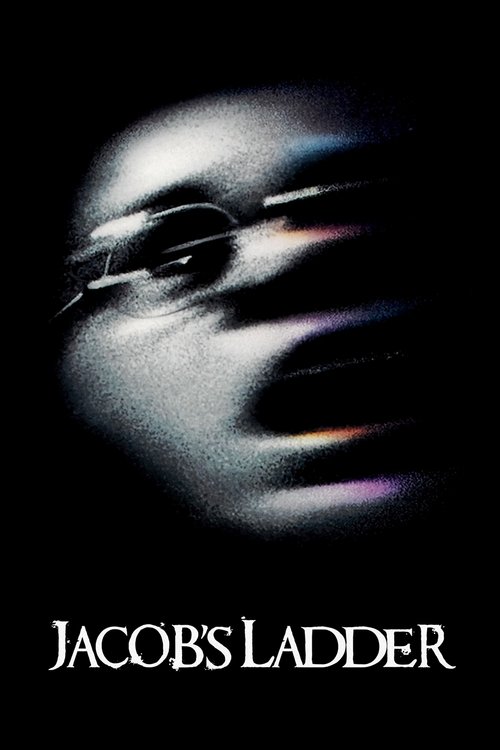
Jacob's Ladder1990
A masterclass in unreliable perception — you're never sure what's real, and the film uses that uncertainty to build genuine dread rather than cheap twists.
But Leans more into supernatural/war-trauma imagery and jump-scare horror than Repulsion's quiet dissolution.
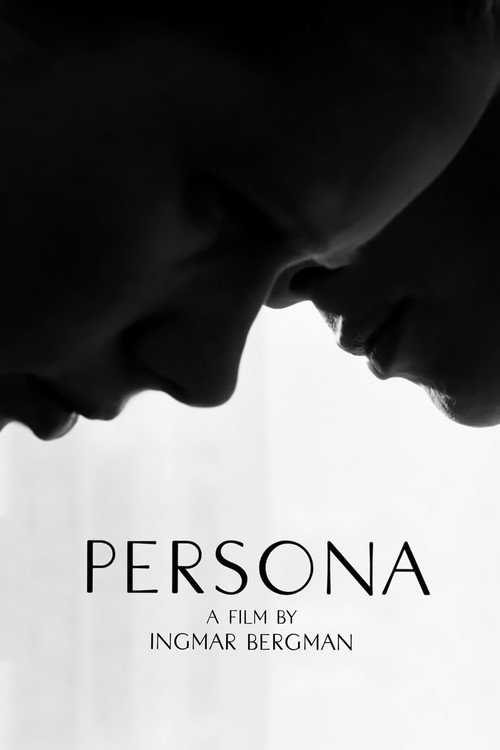
Persona1966
Bergman's two women merging identities is the arthouse cousin to Carol's disintegration — cold, formally daring, obsessed with what happens when the self stops holding together.
But Even more elliptical and demanding; there's barely a plot to hold onto if abstraction isn't your thing.
Take Shelter2011
A quietly devastating study of a man convinced disaster is coming, and whether that conviction is prophecy or breakdown — the domestic dread builds exactly the way Repulsion's does.
But Rooted in American realism and family drama rather than expressionist horror imagery; a different kind of slow.

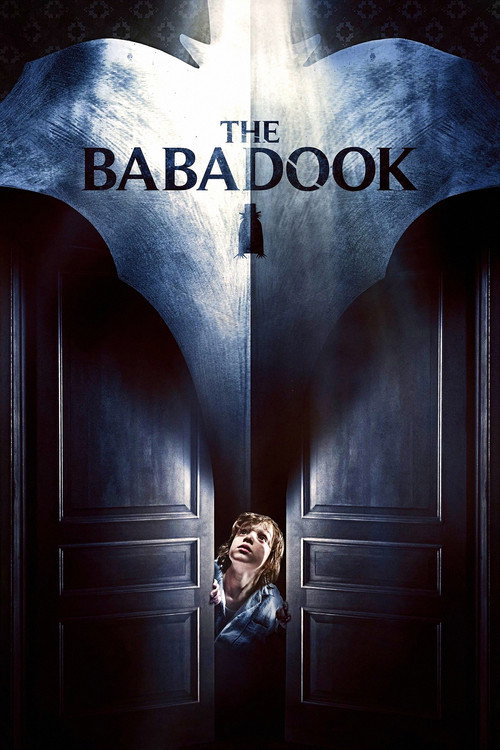
The Babadook2014
Grief and isolation curdle into something monstrous inside one house, with a mother's unravelling mind as the real horror — visually and emotionally in Polanski's lineage.
But More explicitly a 'monster' film with a clearer metaphor; less ambiguous about what's actually happening.
Safe1995no page yet
Julianne Moore drifting through a life that's quietly poisoning her, with no one believing her and no clear villain — a spiritual sibling in tone, dread, and ambiguity.
But Glacially paced even by arthouse standards, and offers little catharsis or resolution by design.
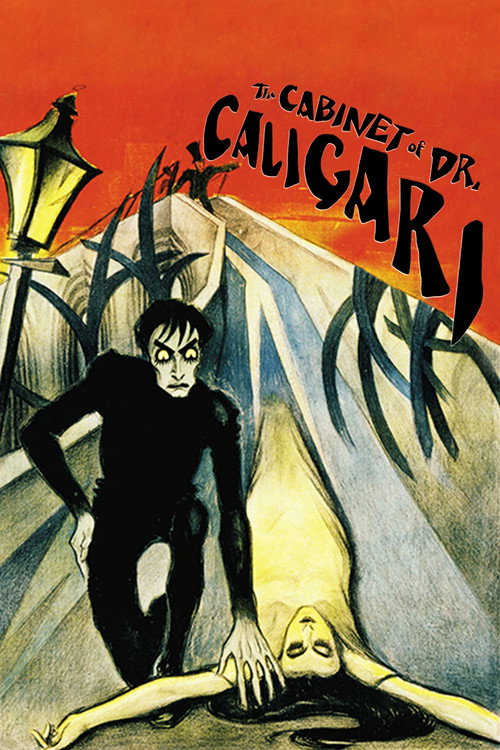
The Cabinet of Dr. Caligari1920
This is the film that invented the idea of distorted environment as a map of a broken psyche — Repulsion's apartment is Caligari's set, forty-five years and a country later.
A silent German Expressionist landmark where warped sets and jagged shadows externalise a disturbed mind decades before Polanski did it with cracking walls and grasping hands.
But Silent, theatrical, and nearly a century old — the acting style and pacing require patience from modern viewers.
The Entity1982no page yet
Same nightmare — a woman assaulted in her own domestic space while the world doubts her — stripped of arthouse subtlety and played as lurid genre horror instead.
A woman is repeatedly attacked in her own home by an unseen, possibly supernatural force, and no one believes her — pulpy, sweaty, and genuinely unsettling B-movie horror.
But Far trashier and more exploitative, with none of Polanski's restraint or ambiguity — this one wants to scare you, not unsettle you.
People
Cast
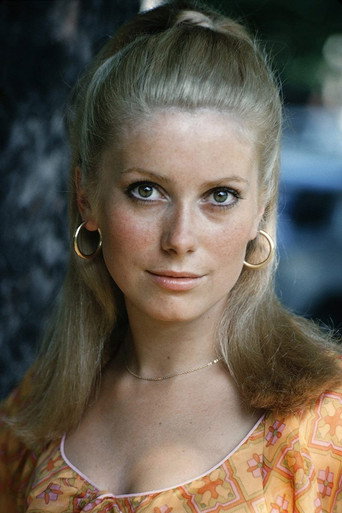 Catherine DeneuveCarol Ledoux
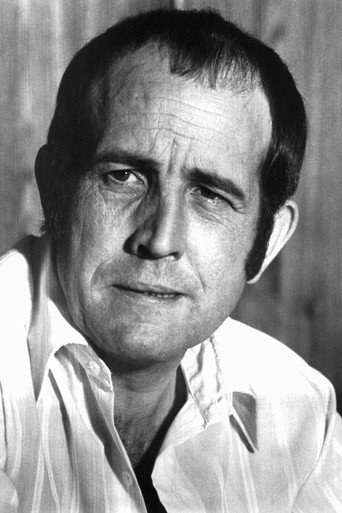 Ian HendryMichael
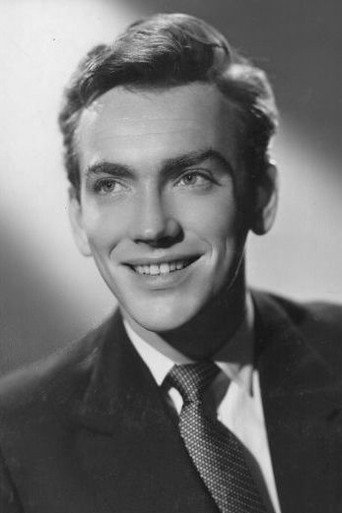 John FraserColin
 Yvonne FurneauxHélène Ledoux
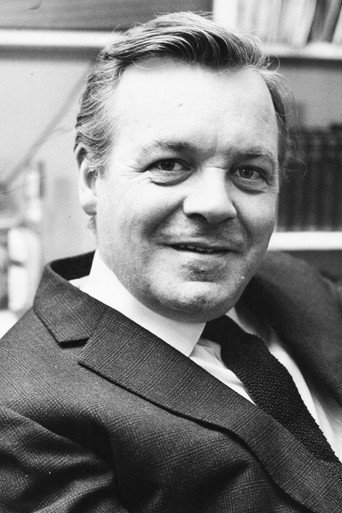 Patrick Wymarkle propriétaire
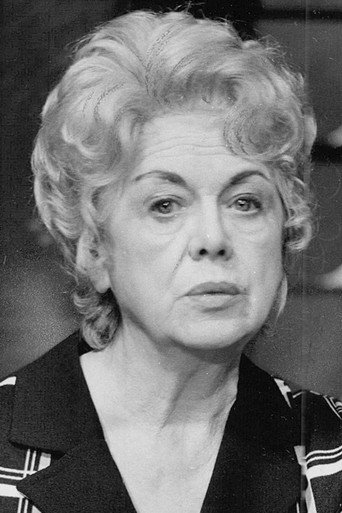 Renée HoustonMme Balch
 Valerie TaylorMme Denise
 James VilliersJohn
 Helen FraserBrigitte
- Monica MerlinMme Rendesham
- Hugh FutcherReggie
- Imogen GrahamManicurist
Directing
- Roman PolanskiDirector
- Ted SturgisFirst Assistant Director
Writing
- David StoneAdaptation
- Gérard BrachScreenplay
- Roman PolanskiScreenplay
Production
- Michael KlingerExecutive Producer
- Sam WaynbergExecutive Producer
- Tony TenserExecutive Producer
- Gene GutowskiProducer
Recommended by
Rosemary's Baby, Black Swan, The Shining, Perfect Blue, Blow-Up, Peeping Tom, Martha Marcy May Marlene, The Cabinet of Dr. Caligari, Evil Dead II, Persona, The Babadook, Eyes Without a Face, The Machinist, Don't Look Now, Carnival of Souls, The Nightmare, 3 Women, Possession, The Brood, Belle de Jour, The Tenant