
Film
Check to the Queen
- Drama
- Very dark
A 1969 Italian drama about desire, power and self-destruction. Silvia, young and wealthy, becomes entangled with Margaret, a magnetic film star, in a relationship that spirals from seduction into psychological domination. Stylish and unsettling, it's a portrait of complicity and the costs of wanting to be wanted.
Should you watch it?
Watch it if you like erotic dramas that treat desire as a quiet power game, with a cool, stylish surface and a sharp eye for how control shifts between two women.
Skip it if you need brisk pacing or a clear view of the premise; this one lingers, leans on repetition, and its sensational style can feel dated.
What it asks of you: Ninety-five minutes of unhurried scenes, polished interiors and slow-building tension, where patience matters more than plot momentum and the mood stays cool rather than lurid.
Not sure? Find tonight's pick in a minute.
If you liked this
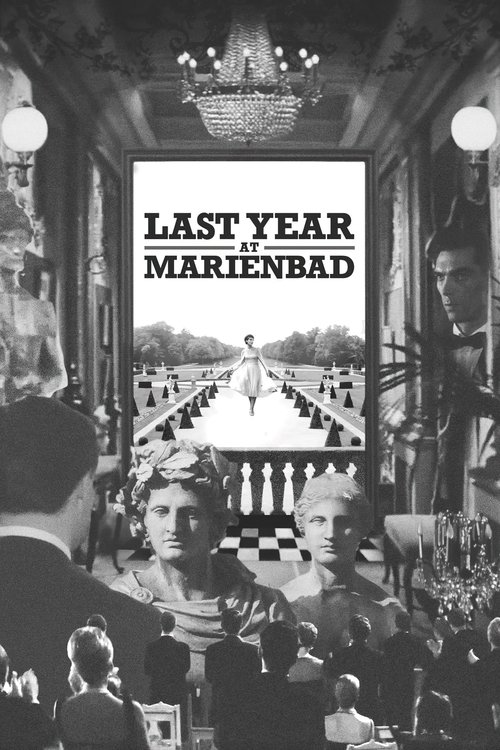
Last Year at Marienbad1961
Alain Resnais's hypnotic puzzle-box about memory, desire and ambiguous power dynamics between strangers. Visually stunning, narratively slippery, and equally concerned with the texture of seduction as with its consequences.
But The narrative refuses to resolve itself. If you want clarity about what's happening and why, you will leave frustrated.
The Leopard1963
Visconti's masterpiece about decadence, desire and the slow death of a way of life. Burt Lancaster is magnificent, the cinematography is ravishing, and it understands wealth and beauty as both seductive and corrosive.
But It's deliberately paced and meditative. Modern audiences often find it slow, and subtitles are required if you don't speak Italian.

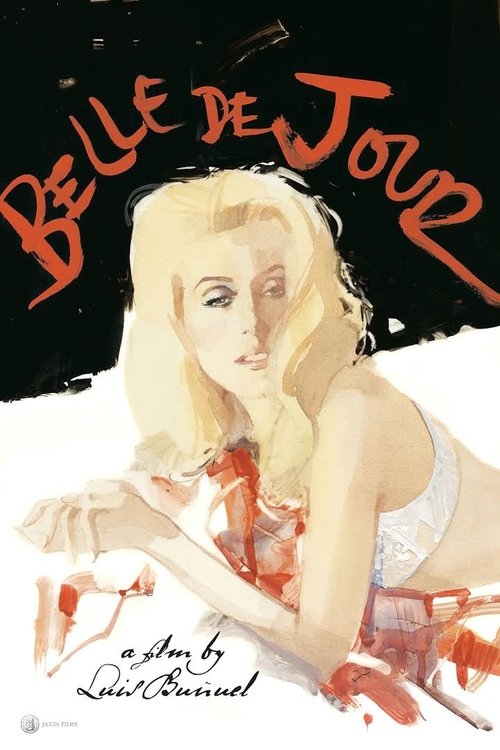
Belle de Jour1967
Buñuel's provocative study of a woman's secret double life and her own unknowable desires. Surreal, erotic without being explicit, and genuinely unsettling about what we want from ourselves and others.
But It's deliberately ambiguous about what is real and what is fantasy. The sexual content, while artistic, may feel transgressive or uncomfortable.
Not sure tonight? Get a pick in a minute, starting from Check to the Queen
The wildcard
Something you would not have found on your own.
Contempt1963
Both films use seduction as their grammar for exploring power, complicity and the gap between what we want and what we're willing to accept. Both are about beautiful women becoming entrapped by their own desirability.
Godard's masterpiece about the slow death of a marriage, filmed in CinemaScope on the island of Capri with Brigitte Bardot and Jack Palance. It's about the performance of desire, the way beauty becomes a prison, and the failure of communication between people who love each other.
But It's a Godard film: meta-cinematic, with long static shots and philosophical digressions. The narrative is deliberately thin; philosophy matters more than plot.

More like this (8)
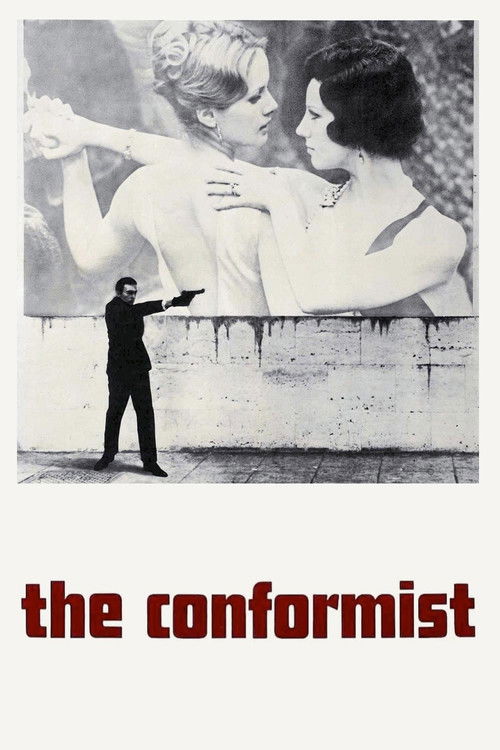
The Conformist1971
Bertolucci's exploration of complicity, desire and moral surrender under fascism. Dario Argento's cinematography is baroque and hypnotic. A film about how we rationalize our own corruption.
But It's a political allegory that requires patience. The pacing is deliberate and the ending offers no comfort.
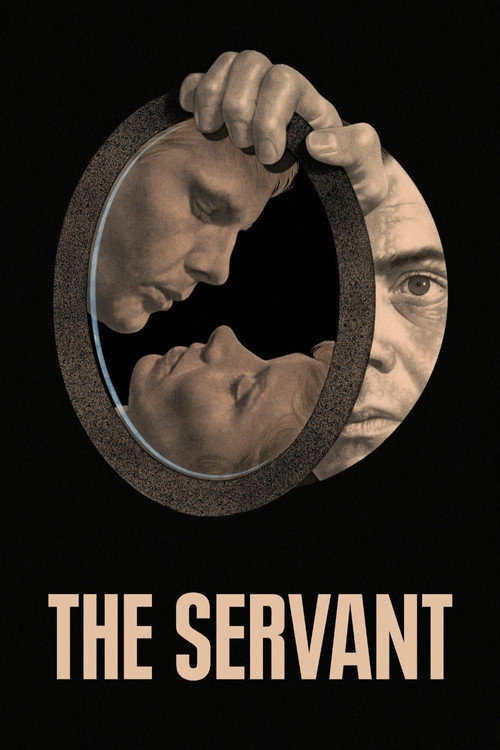
The Servant1963
Losey's claustrophobic nightmare about class, seduction and the erosion of power dynamics between employer and employee. James Fox is superb, and the film gets darker and stranger as it proceeds.
But It's deeply uncomfortable viewing. The moral landscape keeps shifting, and no one is sympathetic by the end.
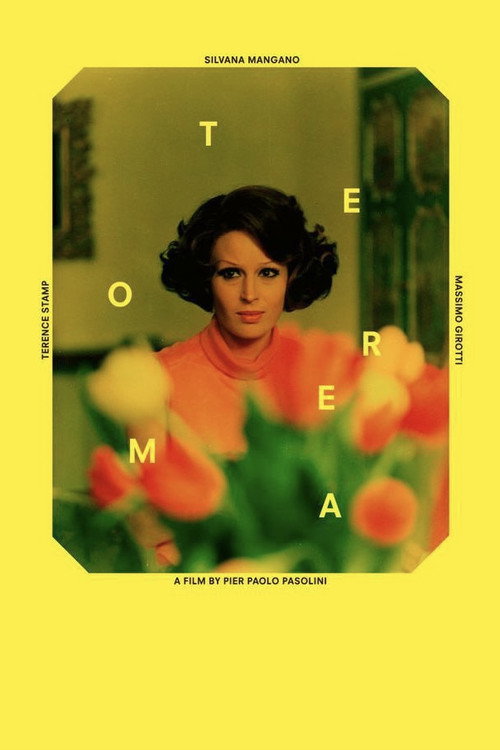
Theorem1968
Pasolini's audacious provocation: a beautiful stranger enters a bourgeois household and seduces each family member, leaving psychological devastation. Visually stunning and genuinely transgressive without being gratuitous.
But It's a philosophical provocation rather than a narrative film. The ending is deliberately unsettling and may feel pretentious or cold.
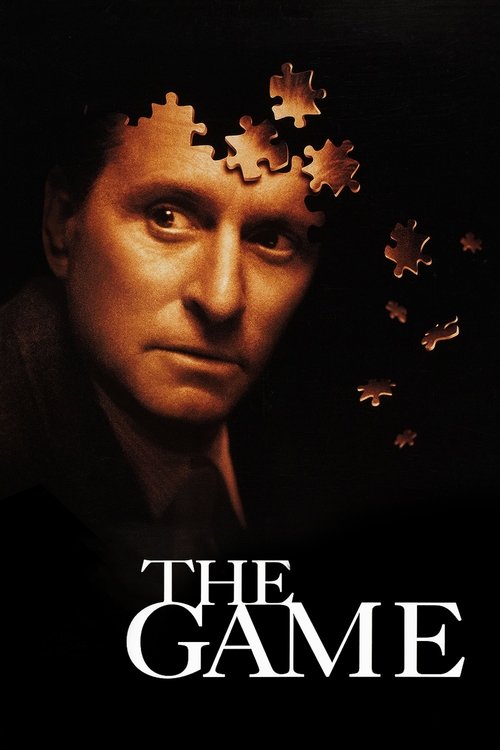
The Game1997
Fincher's paranoid thriller about a man whose life is destabilized by an elaborate game. Like *Check to the Queen*, it's about powerlessness masquerading as choice, and the seductive appeal of surrender.
But The twist is divisive. Some find it earned and brilliant; others find it a cheat that invalidates everything before it.
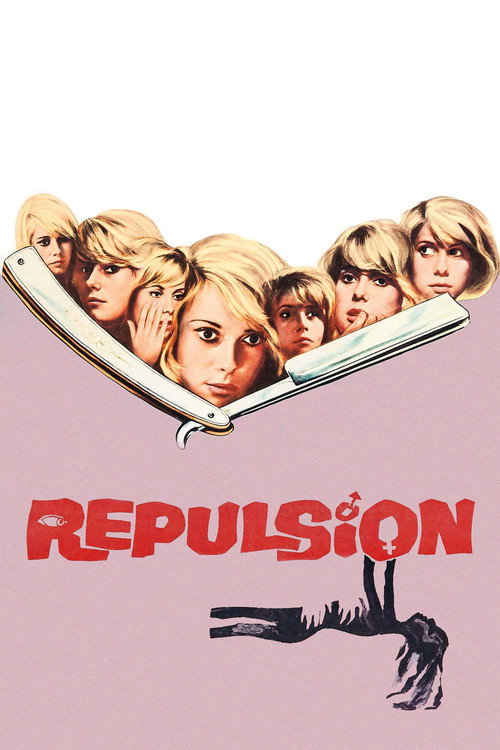
Repulsion1965
Polanski's descent into psychological horror via a woman's growing alienation and decay. It's about isolation, desire, and the fragility of sanity. Visceral and deeply uncomfortable filmmaking.
But It's relentlessly bleak and features disturbing imagery including sexual violence. The repetitive editing can feel punishing rather than artistic.
Under the Skin2014
Glazer's science-fiction reverie about predation, seduction and the male gaze. Scarlett Johansson in an enigmatic role; minimal dialogue; hypnotic cinematography. A film about the currency of beauty and desire.
But Almost nothing happens in conventional terms. It's an experience rather than a story, and many find it incomprehensibly slow.

Skin in the Game2014
Both are fundamentally about transactions masked as relationships, and about how attraction becomes the instrument of control. Both films refuse to offer moral judgment; they just watch.
Hitchcock's late-period thriller about manipulation, class warfare and sexual coercion. Darker and meaner than his reputation suggests, it uses seduction and blackmail to explore how power operates between people. Technically brilliant and morally vicious.
But It's an outlier in Hitchcock's work: nastier and less sympathetic than his mainstream films. Audiences expecting suspense will find ambiguity and discomfort instead.

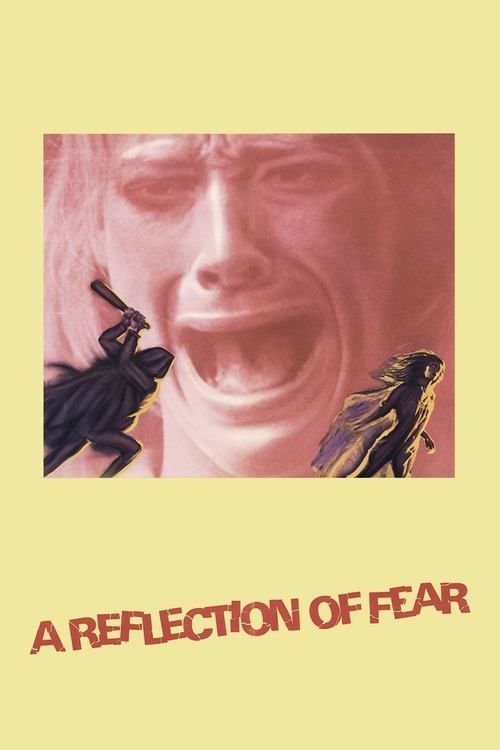
A Reflection of Fear1972
Like *Check to the Queen*, it's about a woman whose passivity and self-effacement become active destructive forces. Both films use the female body as the site where psychology becomes visible, and both are interested in the erotics of domination and surrender.
An obscure American domestic thriller about a disturbed young woman whose psychology becomes the real antagonist. Visually baroque and deeply strange, it explores dissociation, desire and the way trauma distorts perception. Genuine unease throughout.
But It's genuinely disorienting and never quite clarifies the nature of what's happening psychologically. Very 1970s and occasionally unintentionally funny, which breaks the mood.
People
Cast
 Haydée PolitoffSilvia
 Rosanna SchiaffinoMargaret Mevin
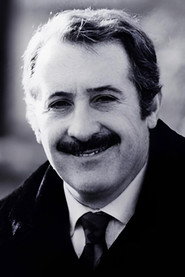 Romolo ValliEnrico
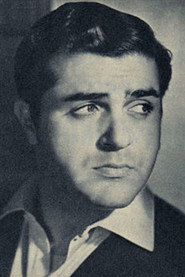 Aldo GiuffrèSpartaco
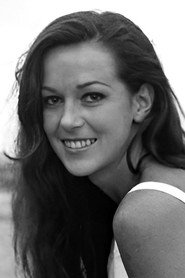 Daniela SurinaDina
 Gabriele TintiFranco
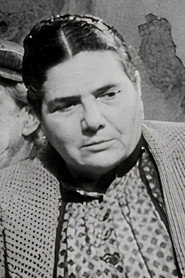 Elvira TonelliVittorina
 Ileana RiganòIris
- Giorgio GrudenRegista
 Edda FerronaoMaria
 Mario ErpichiniInvitato alla festa
Directing
- Pasquale Festa CampanileDirector
Writing
- Renato GhiottoNovel
- Brunello RondiWriter
- Tullio PinelliWriter
Production
- Alfredo BiniProducer