
Film
Theorem
Pasolini's 1968 provocation: a beautiful stranger infiltrates a wealthy Milan household and seduces each family member in turn, leaving them spiritually transformed and existentially unmoored. Deliberately ambiguous, formally audacious, and suffused with religious symbolism. For viewers seeking cinema that asks questions rather than answers them.
Should you watch it?
Watch it if you are drawn to slow, sensual provocations where a single intrusion quietly rearranges a family's inner life, and you enjoy films that treat their own strangeness with a cool, unhurried gaze.
Skip it if you want a plot that moves briskly toward answers, since this one deliberately withholds explanation and trades momentum for mood, ritual and long, watchful silences.
What it asks of you: It runs about ninety-five minutes and asks you to sit with stillness, lingering framing and gradual shifts in behavior rather than dialogue-driven exposition or quick cuts.
Not sure? Find tonight's pick in a minute.
If you liked this
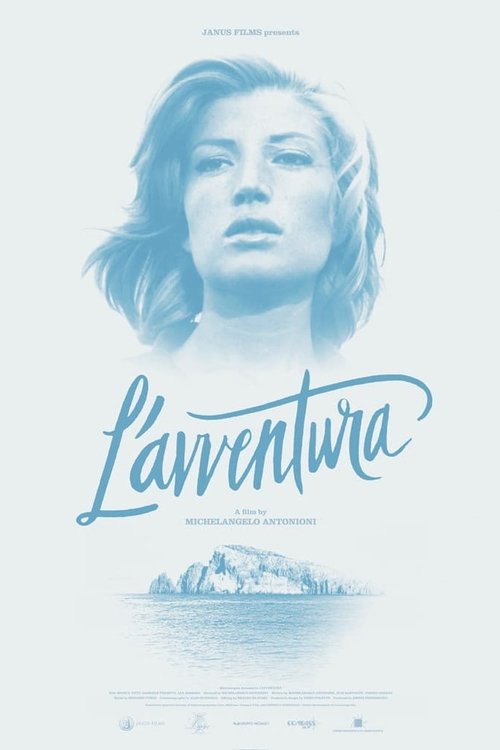
L'Avventura1960
Antonioni's landmark about spiritual emptiness in modern Italy, a woman vanishes and the search becomes secondary to the searchers' moral drift. Essential viewing for understanding Theorem's concerns about bourgeois alienation.
But Nearly three hours, glacially paced, with barely a conventional plot to anchor you. Long stretches demand patience and active interpretation.
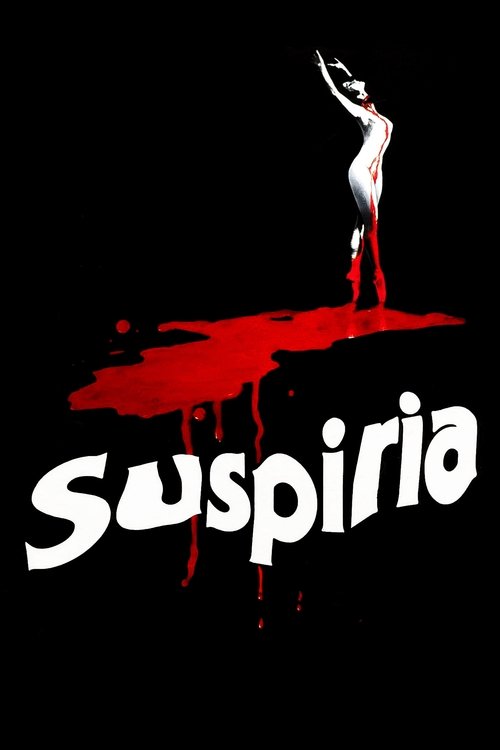
Suspiria1977
Argento's supernatural puzzle about a young woman entering a sinister academy. Like Theorem, it prioritizes atmosphere and unease over rational explanation, making the irrational feel inevitable.
But A giallo, so more overtly genre-bound and lurid. If you want pure intellectual challenge rather than genre thrills, this may feel frivolous by comparison.
The Seventh Seal1957
Bergman's masterpiece about mortality, faith, and the search for meaning when confronted by an unknowable force. The stranger here is Death itself, but the spiritual inquiry parallels Theorem's investigation of transcendence.
But Heavy, philosophical, and deeply Scandinavian in its gloom. Not a film that meets you halfway; it demands you meet it in the dark.

Not sure tonight? Get a pick in a minute, starting from Theorem
The wildcard
Something you would not have found on your own.
Stalker1979
Both films locate transcendence in the presence of an enigmatic Other. Neither film resolves what that Other means or wants; both suggest meaning resides in the seeker, not the sought.
Tarkovsky's sci-fi poem about three men journeying to a mysterious room that grants wishes. Like Theorem, it treats desire and spiritual transformation as the true subject; the Visitor and the Room are functionally identical—catalysts for revelation.
But A 163-minute Russian film about people walking through a landscape talking about metaphysics. Glacially contemplative and narratively minimal; demands the kind of surrender some viewers cannot give.

More like this (6)
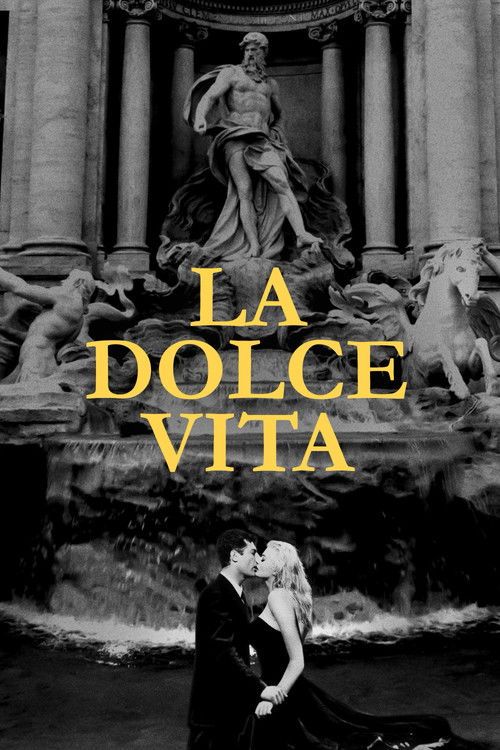
La Dolce Vita1960
Fellini's Rome is a corrupted Eden where pleasure masks spiritual bankruptcy. The film shares Theorem's fascination with how wealth and beauty can conceal emptiness, though Fellini is far more playful.
But Episodic and shapeless by design; three hours of gorgeous surfaces without closure. Some find it liberating, others simply exhausting.
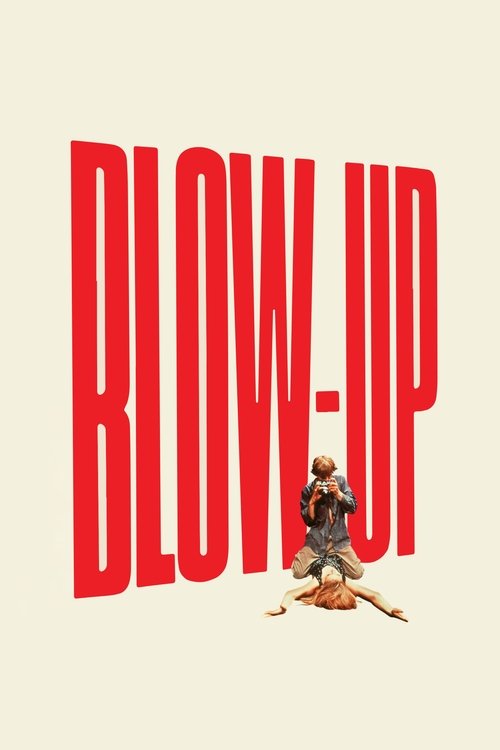
Blow-Up1966
Antonioni's London mystery where a photographer may or may not have witnessed a murder. Another sixties exploration of perception, reality, and the unreliability of evidence—Theorem shares its radical ambiguity.
But The plot is genuinely slight. What matters is the mood and what lies beneath, which is a tough sell if you prefer narrative momentum.
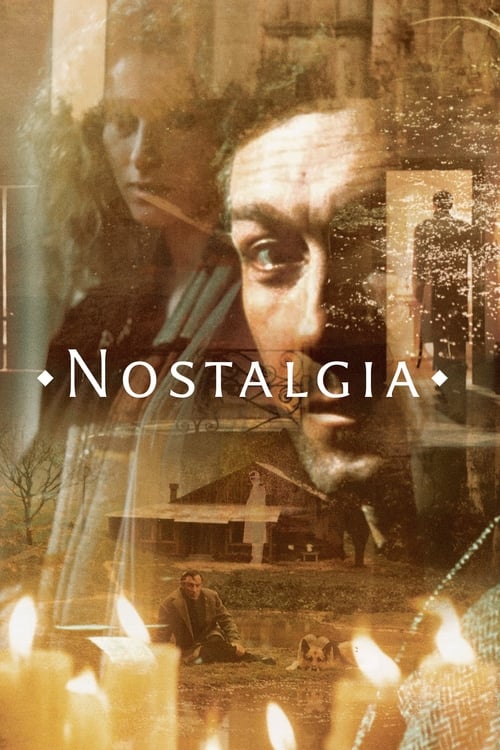
Nostalgia1983
Tarkovsky's meditative exile film about a man spiritually untethered from home. Like Theorem, it treats spiritual crisis as cinema's proper subject, moving slowly through states of being rather than action.
But Extremely slow, extremely Russian, extremely interior. If you need something to *happen*, this will feel like watching paint dry on a painting you don't understand.
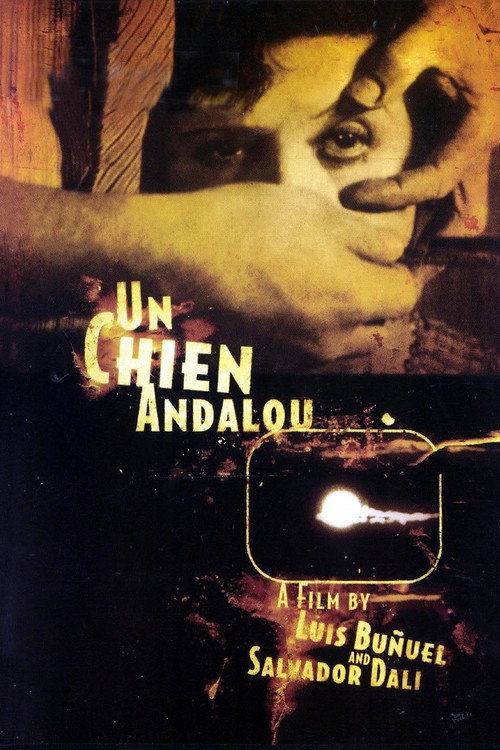
Un Chien Andalou1929
Buñuel and Dalí's surrealist provocation refuses narrative logic in favor of dream-logic and visceral shock. Theorem works similarly: it abandons plot coherence to burrow into the irrational.
But Sixteen minutes of pure abstraction and disturbing imagery. More of a challenge than an entertainment; the famous eyeball scene alone will stay with you in ways you may not enjoy.
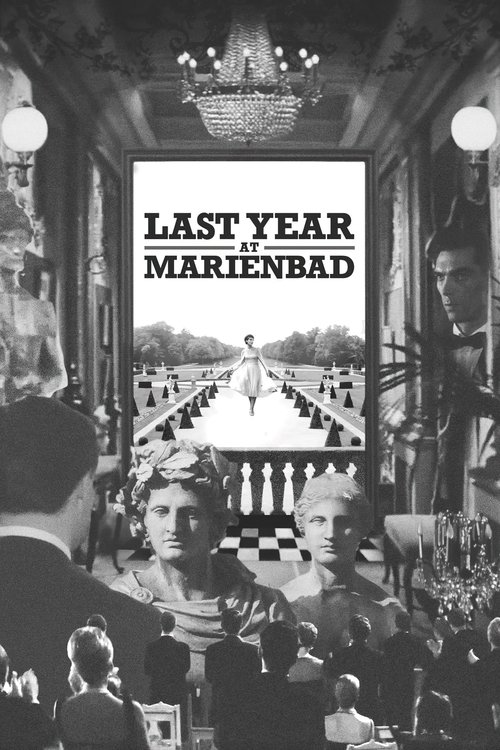
Last Year at Marienbad1961
Resnais and Robbe-Grillet's puzzle-box about memory, reality, and whether anything we're told is true. Shares Theorem's commitment to ambiguity as a feature, not a bug.
But Deliberately frustrating. The film withholds information and misdirects constantly. If narrative clarity matters to you, this will feel like a con.
Memories of Murder2003
Both films refuse closure as a matter of principle. Each family member/detective seeks understanding and finds only internal transformation. The mystery's answer matters less than how pursuing it changes the seeker.
Bong Joon-ho's serial killer procedural is a formal masterclass, but here it's the mystery's *unsolvability* that devastates. The crime remains unsolved; the film is about what investigation does to the investigator—exactly Theorem's concern.
But A contemporary Korean thriller might feel tonally remote from Pasolini's metaphysical chamber piece. It's also violently graphic, whereas Theorem's eroticism is softer and more ambiguous.

People
Cast
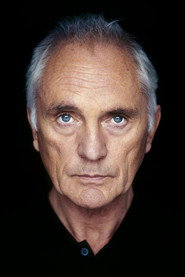 Terence StampThe Visitor
 Silvana ManganoLucia, the Mother
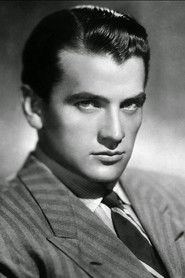 Massimo GirottiPaolo, the Father
 Anne WiazemskyOdetta, the Daughter
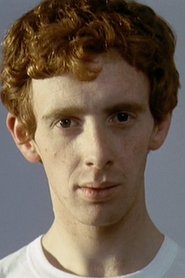 Andrés José Cruz SoublettePietro, the Son
 Laura BettiEmilia, the Servant
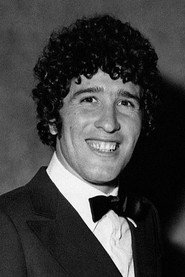 Ninetto DavoliAngelino, the Messenger
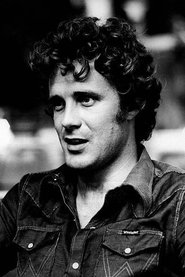 Carlo De MejoLucia's first lover
- Adele CambriaEmilia, the Second Servant
- Luigi BarbiniBoy at the station
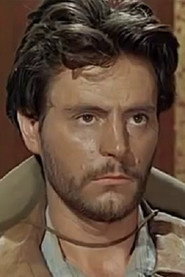 Giovanni Ivan ScratugliaLucia's second lover
- Alfonso GattoDoctor
Directing
- Sergio CittiAssistant Director
- Pier Paolo PasoliniDirector
- Vanda TuzziScript Supervisor
Writing
- Pier Paolo PasoliniScreenplay
Production
- Franco RosselliniProducer
- Manolo BologniniProducer
- Paolo FrascàProduction Manager
- Sergio GalianoProduction Secretary
Recommended by
Oedipus Rex, Scenes from the Class Struggle in Beverly Hills, Check to the Queen, 'Tis Pity She's a Whore, Joan the Maid II: The Prisons, Conversation Piece, Of Freaks and Men, The Lickerish Quartet, The Story of Piera