
Film
Blow-Up
Antonioni's cool, glassy puzzle box follows a bored London fashion photographer who may have accidentally captured a murder on film — or nothing at all. It's less mystery than mood: gorgeous 60s surface glamour with existential dread underneath, and an ending that refuses to resolve. For patient viewers who like their thrillers philosophical rather than solved.
If you liked this
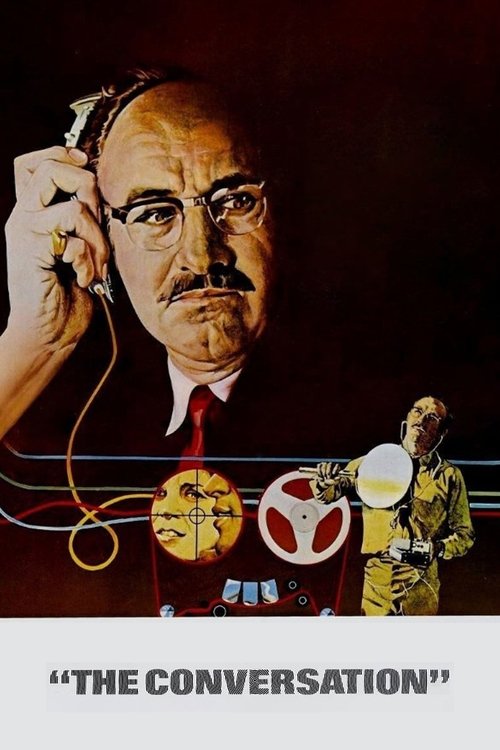
The Conversation1974
Coppola's surveillance thriller shares Blow-Up's central nerve: a man convinced a recording holds evidence of a crime, slowly unraveling as his certainty slips away. Gene Hackman's paranoid performance anchors the whole thing.
But Slow-burning and deliberately claustrophobic — if you wanted the crackle of a conspiracy thriller, this one simmers instead.
L'Avventura1960
Antonioni's earlier film, also built around a disappearance nobody quite resolves, also far more interested in ennui and alienation than in solving anything. If Blow-Up's ambiguity intrigued you, this is where he perfected it.
But Even slower than Blow-Up, with even less plot — a real test of patience for anyone wanting answers.

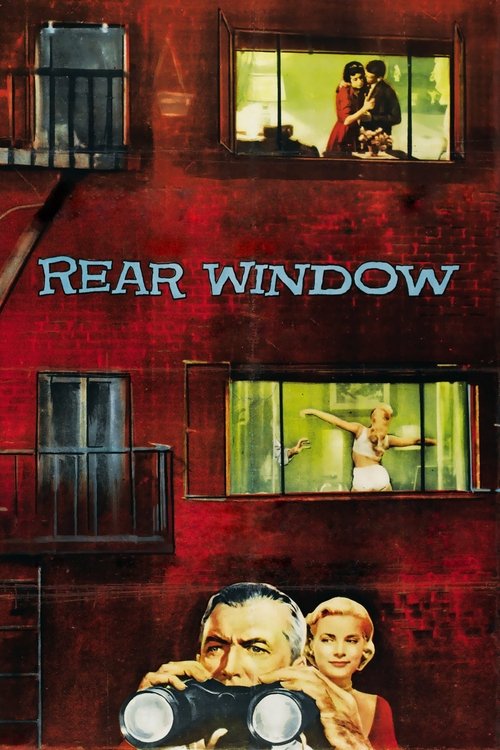
Rear Window1954
Hitchcock's own study of a man piecing together a crime purely from what his camera and eyes can catch, wrapped in wit, tension, and a far more satisfying resolution.
But Warmer, funnier, and much more classically plotted — it resolves everything Blow-Up leaves hanging.
The wildcard
Something you would not have found on your own.
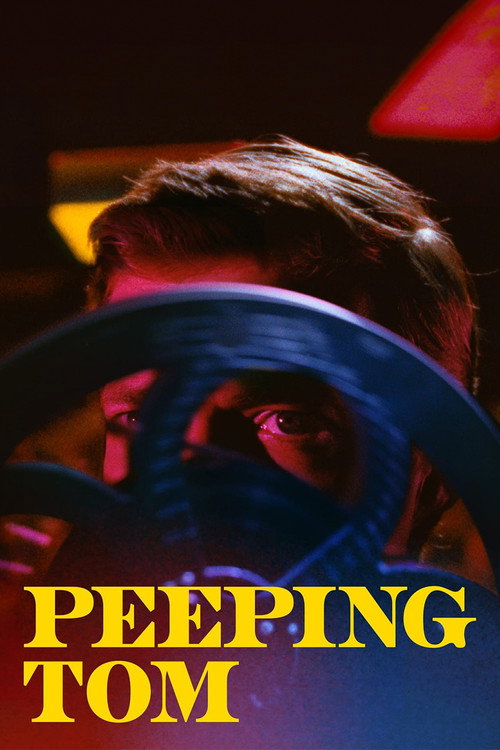
Peeping Tom1960
Both films interrogate the camera as an instrument of violence and voyeurism through a photographer protagonist, asking what looking without consequence does to a person — one plays it as cool ambiguity, the other as outright horror.
A London photographer whose camera is literally a murder weapon — made just six years before Blow-Up, in the same city, by a British director whose career it destroyed on release.
But Genuinely upsetting rather than cerebral — it wants you to feel complicit, not intrigued.
More like this (8)
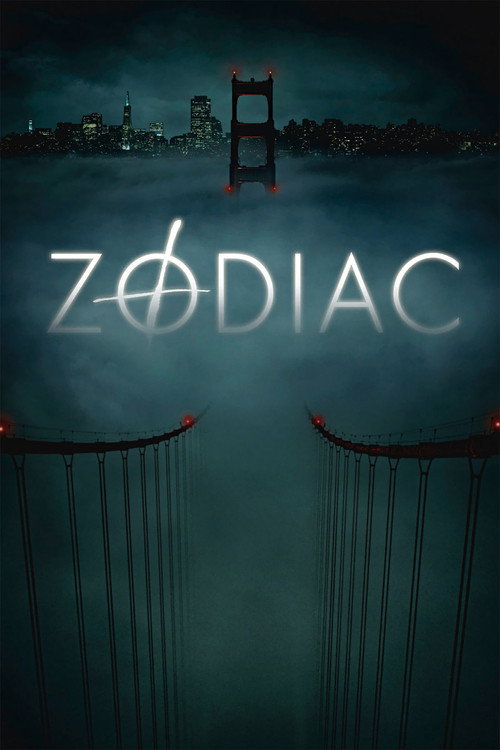
Zodiac2007
Fincher's obsessive procedural, about journalists and cops consumed by a case that may never be solvable, channels the same dread of chasing a truth that keeps sliding out of reach.
But Nearly three hours long and methodical rather than moody — a very different kind of patience required.
The Passenger1975no page yet
Antonioni again, this time with Jack Nicholson vanishing into someone else's identity across desert landscapes. Same fascination with dissolving selves and unresolved endings, filtered through a wider, wearier world.
But Even more elliptical than Blow-Up, with long stretches where almost nothing happens on purpose.
Performance.1970no page yet
Roeg and Cammell's fractured, druggy vision of swinging London turns identity itself into the mystery, mixing gangster menace with psychedelic dissolve in a way that feels like Blow-Up's wilder cousin.
But Deliberately disorienting and grimier than Blow-Up — this one wants to unsettle you, not just puzzle you.
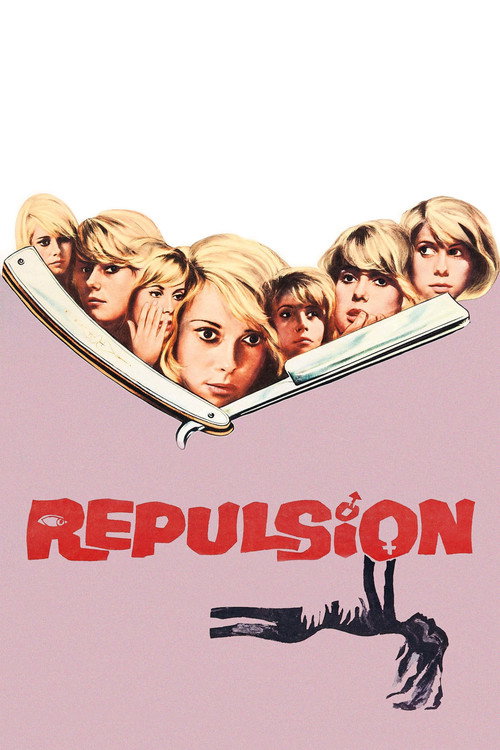
Repulsion1965
Polanski's claustrophobic London chamber piece swaps fashion-world cool for creeping psychological horror, but shares that same sense of a mind losing its grip on what's real.
But Genuinely disturbing rather than elegantly ambiguous — this is horror, not arthouse mystery.
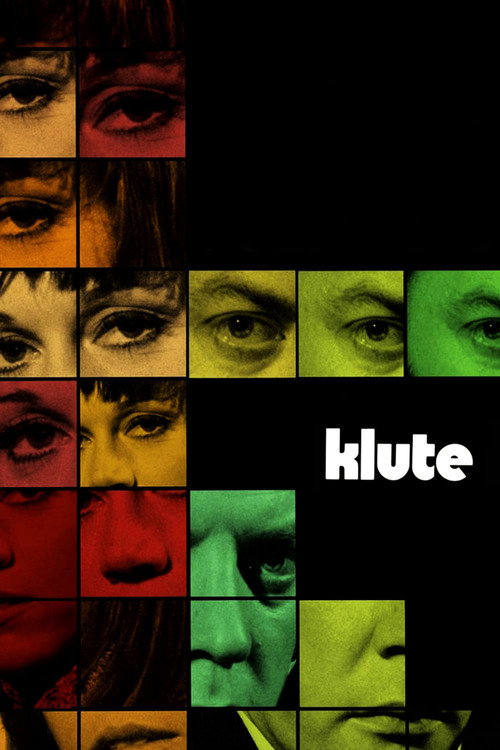
Klute1971
A moody, noir-inflected thriller where surveillance tapes and photographs become the only thread through a possible murder, anchored by Jane Fonda's Oscar-winning performance.
But More conventional thriller mechanics than Blow-Up — it wants to give you a story, not a riddle.
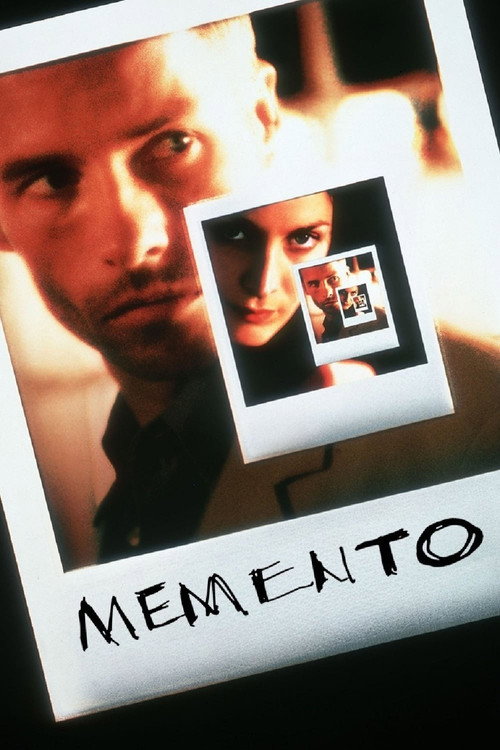
Memento2000
Nolan's backwards-told puzzle asks the same question Blow-Up does — can you trust what you think you've captured or remembered — just with a far more aggressive structural gimmick.
But Flashier and colder than Blow-Up, with a twisty mechanism some find gimmicky rather than haunting.
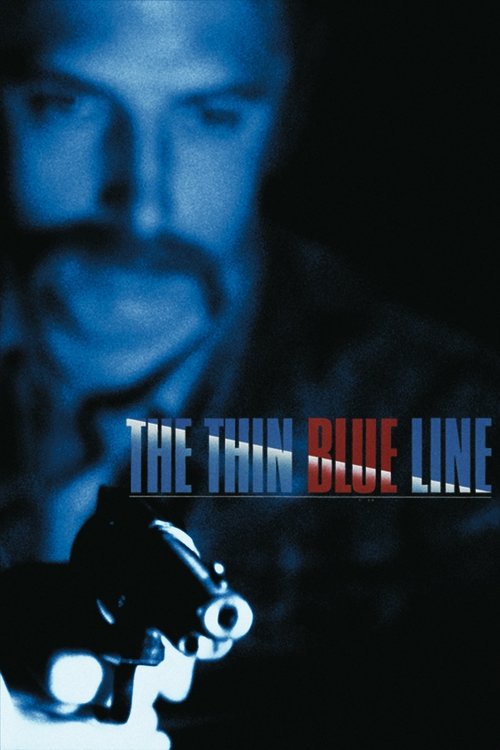
The Thin Blue Line1988
Where Blow-Up fictionalizes doubt about what a photograph proves, this documentary does the same work for real, restaging and replaying evidence until the truth itself blurs.
Errol Morris's landmark documentary reconstructs a murder case entirely through contradictory testimony and staged recreations, questioning whether any recorded evidence — photograph, memory, confession — can ever be trusted.
But No plot, no photographer protagonist, no mod fashion — this is a real murder case, and the stakes are sober, not stylish.
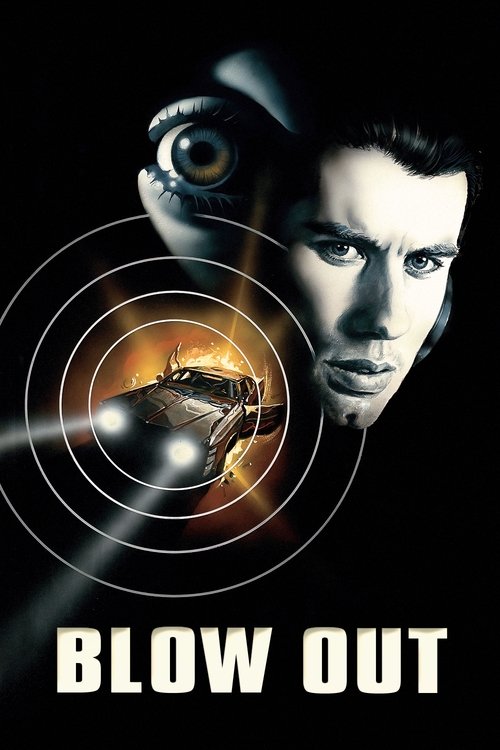
Blow Out1981
Blow Out is Blow-Up's American, genre-movie mirror: an artist accidentally recording a death and obsessively replaying the evidence, but played straight as pulp thriller instead of philosophical puzzle.
De Palma's pulpy, propulsive homage swaps photograph for sound recording — a movie sound man believes he's captured evidence of an assassination on tape, and spirals into a full-blown conspiracy thriller.
But Far trashier and more plot-driven — De Palma wants dread and a body count, not ambiguity.
People
Cast
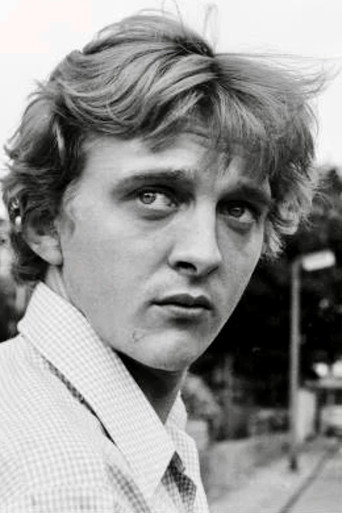 David HemmingsThomas
 Vanessa RedgraveJane
 Sarah MilesPatricia
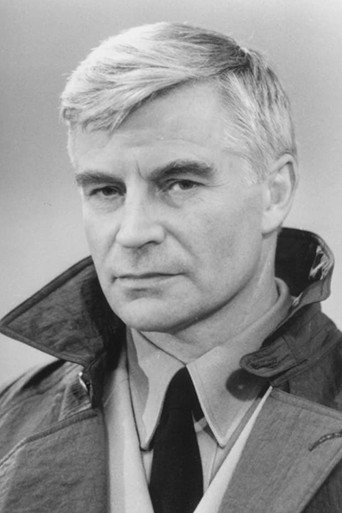 John CastleBill
 Veruschka von LehndorffVeruschka
 Jane BirkinThe Blonde
 Gillian HillsThe Brunette
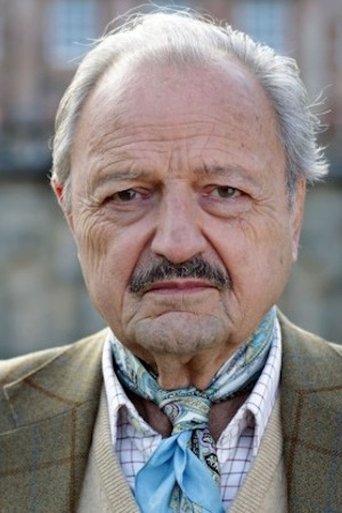 Peter BowlesRon
 Julian ChagrinMime
- Claude ChagrinMime
 Jimmy PageSelf - The Yardbirds (uncredited)
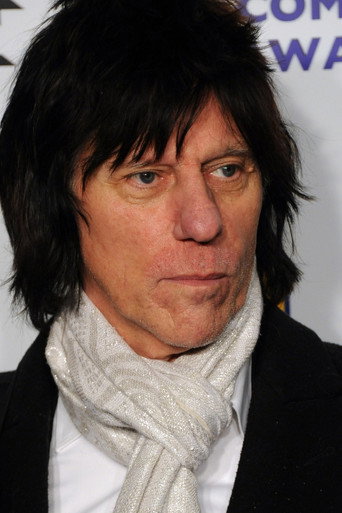 Jeff BeckSelf - The Yardbirds (uncredited)
Directing
- Michelangelo AntonioniDirector
Writing
- Julio CortázarAuthor
- Edward BondDialogue
- Michelangelo AntonioniScreenplay
- Tonino GuerraScreenplay
- Michelangelo AntonioniStory
Production
- Pierre RouveExecutive Producer
- Carlo PontiProducer
- Donald TomsProduction Manager