
Film
Eros
A three-part anthology directed by Wong Kar-wai, Michelangelo Antonioni, and Steven Soderbergh, each segment exploring desire and connection through radically different lenses. Formally audacious and occasionally frustrating, it's sensual cinema for people who think about what they watch. Not plot-driven; mood and image matter most.
Should you watch it?
Watch it if you are drawn to slow, tactile films where longing shows up through gesture, silence and fabric rather than plot, and you don't mind three separate stories stitched into one evening.
Skip it if the middle section, with its talky psychiatrist sessions, can feel like a different film, and the pace is deliberately languid for anyone wanting momentum.
What it asks of you: Just under two hours of patience, with long held silences and a shape that arrives in three separate chapters, each with its own temperature and rhythm.
Not sure? Find tonight's pick in a minute.
If you liked this
In the Mood for Love2000
Wong Kar-wai's masterpiece about two neighbours who discover their spouses are having an affair. Achingly beautiful, formally perfect, and deeply romantic—this is the film that shows you what Wong can do when given room to breathe.
But It's deliberately paced to the point of stillness, and the emotional payoff is restraint itself. If you need plot momentum, this will feel glacial.

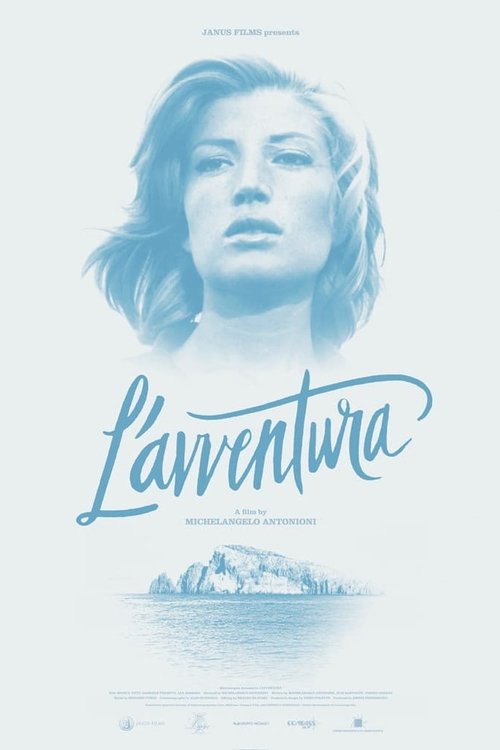
L'Avventura1960
Antonioni's meditation on alienation and desire in post-war Italy. Mysterious, visually stunning, and it changed cinema—if you want to understand why Eros exists, this is where the DNA comes from.
But A woman vanishes early on and nobody really seems to care. It's about absence and ennui, not answers, and that bothers some people immensely.
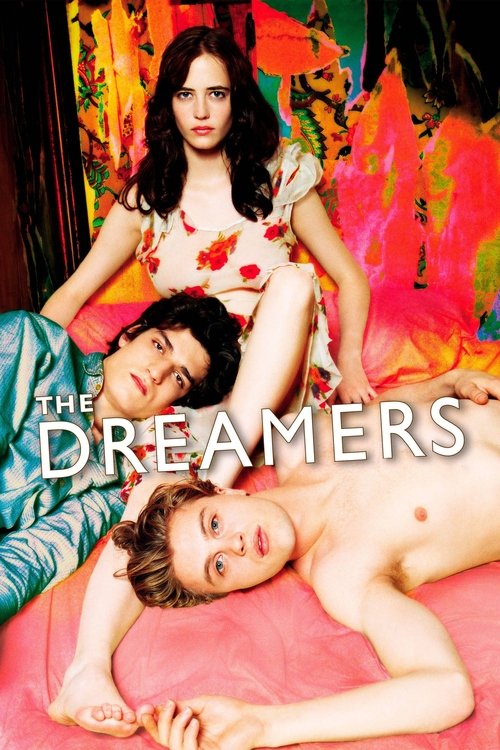
The Dreamers2003
Bertolucci's sensual, literary film about three young film obsessives in Paris during the 1968 uprising. It shares Eros's fascination with how desire and cinema intertwine, and it's genuinely erotic without being clinical.
But Very explicit in places, and the politics of the film are complicated—some find it self-indulgent about its own eroticism in ways that don't sit well.
Not sure tonight? Get a pick in a minute, starting from Eros
The wildcard
Something you would not have found on your own.
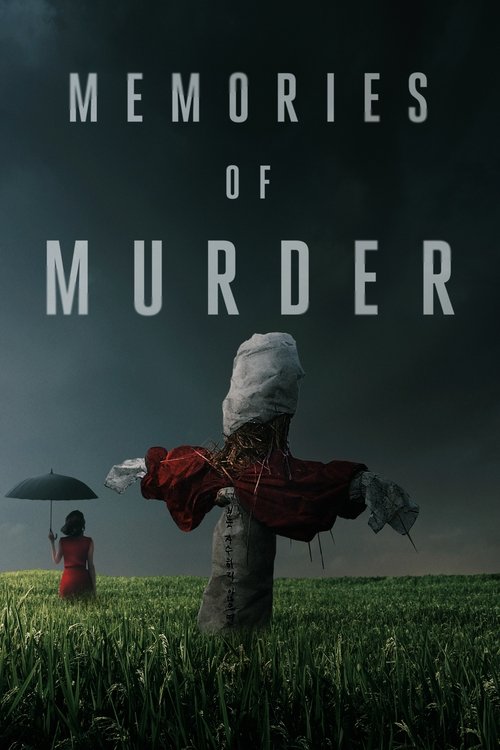
Memories of Murder2003
Both are 2004-era formally ambitious films where the architecture of desire (erotic or investigative) drives the storytelling forward, and both refuse conventional climax.
Bong Joon-ho's serial killer investigation is obsessive and formally restless in ways that echo Eros's fragmented energy. It's about desire too—for answers, for justice, for control. Completely gripping, with architecture underneath.
But It's a brutal, long, murky film about gruesome crimes. Not a meditation; a descent into institutional failure and male competitiveness.
More like this (7)
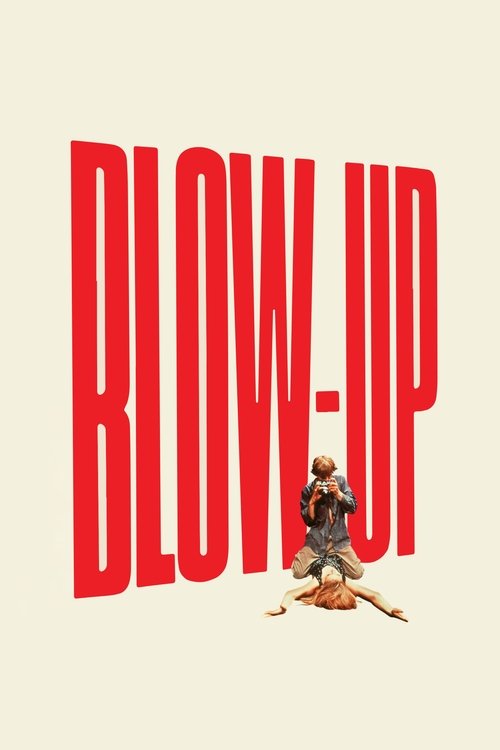
Blow-Up1966
Antonioni again, this time in swinging London. A photographer becomes obsessed with a mysterious woman and a potential crime. It's the film that taught the world how to make desire visual and ambiguous.
But The narrative dissolves by design, and the finale is cryptic to the point of being maddening. You don't solve this film; you sit with it.
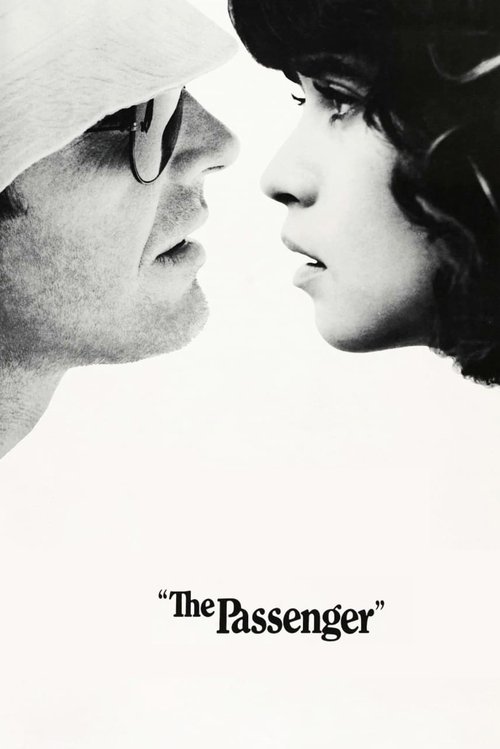
The Passenger1975
Michelangelo Antonioni's existential masterpiece about a man who assumes another man's identity. Slow, hypnotic, formally daring. The final shot is one of cinema's greatest moments.
But It moves like a man sleepwalking through his own life. Patience required. Rewarding patience, but patience nonetheless.
Mulholland Drive2001
David Lynch's Hollywood fever dream where desire, performance, and identity fracture across two realities. Erotic, unsettling, and formally brilliant—this is experimental filmmaking that grabs you by the throat.
But It's deliberately structured to confuse you, and Lynch doesn't explain the rules. Some people leave angry; others can't stop thinking about it for months.

A Ghost Story2017
David Lowery's haunting meditation on love, loss, and time. A man returns as a ghost to watch his widow grieve. It's tender and formally inventive, about connection persisting beyond death.
But A man in a sheet for most of the runtime, and a five-minute scene of someone eating a pie. Not conventional, and not for everyone.

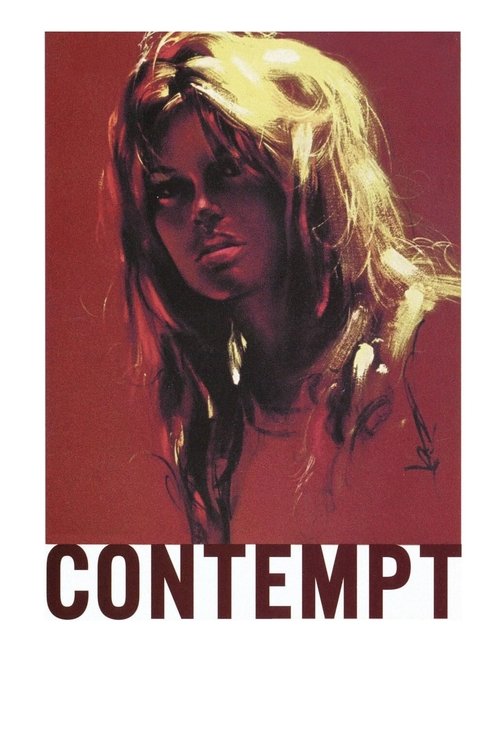
Contempt1963
Godard's film about a marriage unraveling during the making of a film. It's about how desire dies and performance masks reality. Bresson would have made this differently; Godard makes it impossible to look away.
But It's meta before meta was fashionable, and the self-consciousness sometimes overwhelms the emotional stakes. Your patience with Godard matters here.
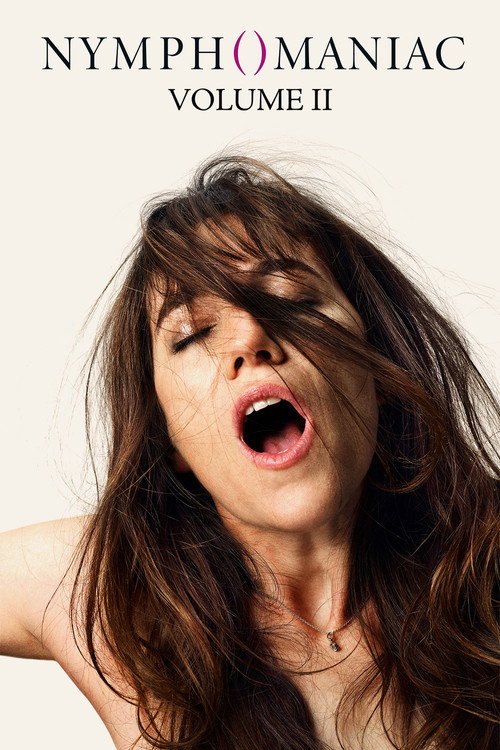
Nymphomaniac: Vol. II2013
Both are anthology-adjacent structures examining sexuality with maximum formal ambition, unwilling to be polite about the subject, directed by artists who believe cinema is the only medium equal to desire.
Lars von Trier's explicit, divisive, and genuinely intellectual film about a woman narrating her sexual history. It's shameless, operatic, and formally wild. If you want to sit with eroticism as a serious artistic subject, this doesn't blink.
But Extremely graphic sexual content throughout, self-harm, and a worldview toward women that's complicated at best. It's difficult and confrontational by design.
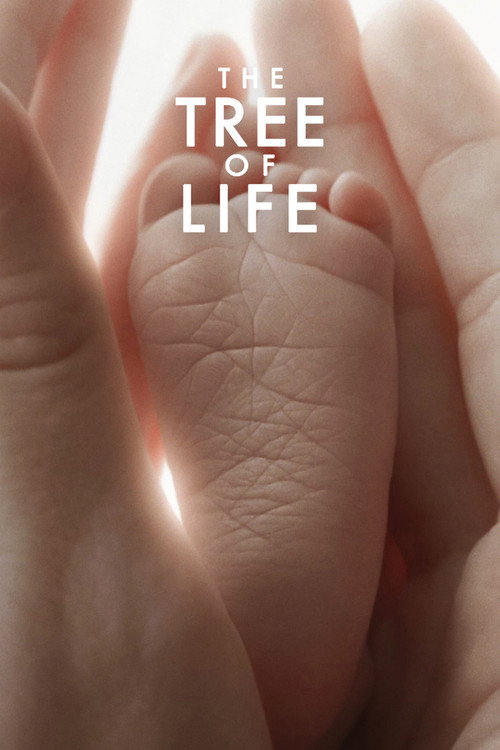
The Tree of Life2011
Like Eros, it's an anthology of sensations and philosophical questions dressed in images rather than dialogue—cinema as mood and mystery rather than narrative, asking what desire and existence even mean.
Terrence Malick's metaphysical epic about grace, desire, and the meaning of existence. Dinosaurs, nebulae, and the Lubetkin estate. It's as interested in how images *feel* as any film ever made. Hypnotic and strange.
But It has no plot, a whispered voiceover, and forty minutes of natural beauty before a character appears. Malick's maximalism is not for everyone, and patience has limits.
People
Cast
 Gong LiMiss Hua
 Chang ChenXiao Zhang
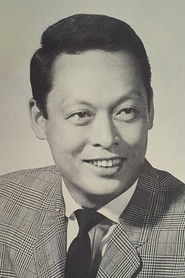 Tien FengMaster Jin
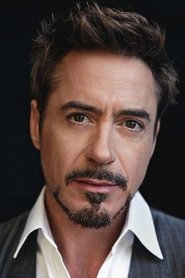 Robert Downey Jr.Nick Penrose
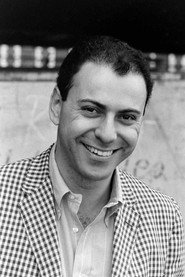 Alan ArkinDr. Pearl / Hal
 Ele KeatsThe Woman / Cecilia
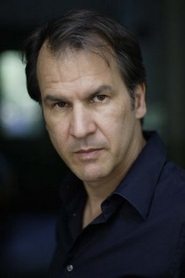 Christopher BuchholzChristopher
 Regina NemniCloe
 Luisa RanieriThe Girl / Linda
- Chan Chun-LukHua's Servant, Ying
 Cecilia LuciGirl by the Cascade
- Riccardo ManfrediBarman
Directing
- Michelangelo AntonioniDirector
- Steven SoderberghDirector
- Wong Kar-WaiDirector
- Gregory JacobsFirst Assistant Director
- Basti Van Der WoudeSecond Assistant Director
Writing
- Michelangelo AntonioniWriter
- Steven SoderberghWriter
- Tonino GuerraWriter
- Wong Kar-WaiWriter
Production
- Chan Ye-chengExecutive Producer
- Danièle GégauffExecutive Producer
- Domenico ProcacciProducer
- Gregory JacobsProducer
- Jacky PangProducer
- Jacques BarProducer
- Raphaël BerdugoProducer
- Stéphane TchalgadjieffProducer
- Wong Kar-WaiProducer
- Gregory JacobsUnit Production Manager
Recommended by
Untold Scandal, Kink, The Belly of an Architect, Matador, The Night of the Seagull