
Film
The Belly of an Architect
- Drama
- Very dark
Peter Greenaway's baroque fever dream about an American architect in Rome, consumed by obsession with his wife's pregnancy, his architectural vision, and his own failing body. Visually baroque and deliberately unsettling, it's a descent into paranoia wrapped in Renaissance beauty. For viewers who want cinema to unsettle and provoke, not comfort.
Should you watch it?
Watch it if you love films where architecture, painterly framing and a richly sour marriage are all treated as the same obsession, and you don't mind a director who lets images carry the argument.
Skip it if you need warmth or a brisk plot, because the characters work as emblems more than companions and the pace is deliberately stately.
What it asks of you: Two hours of unhurried, densely composed frames, with a tone that swings from stately to overwrought and very little relief along the way.
Not sure? Find tonight's pick in a minute.
If you liked this
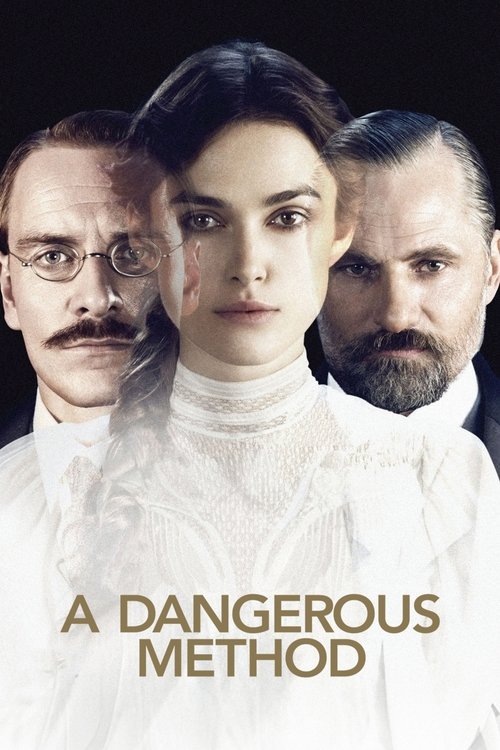
A Dangerous Method2011
Cronenberg explores the collision between intellectual ambition and sexual jealousy through the Freud-Jung-Sabina triangle. Like Greenaway, he finds eroticism in ideas and corruption in desire, with architecture replaced by psychoanalysis.
But Talky and interior in a way that feels stagy. The sexual frankness may read as clinical rather than thrilling.
Mulholland Drive2001
Lynch's baroque descent into paranoia and desire in Los Angeles mirrors Kracklite's unraveling. Both films layer visual beauty over psychological dissolution, making you feel the protagonist's collapse rather than just witness it.
But Deliberately difficult and ambiguous. If you need plot clarity and emotional resolution, this will frustrate you.

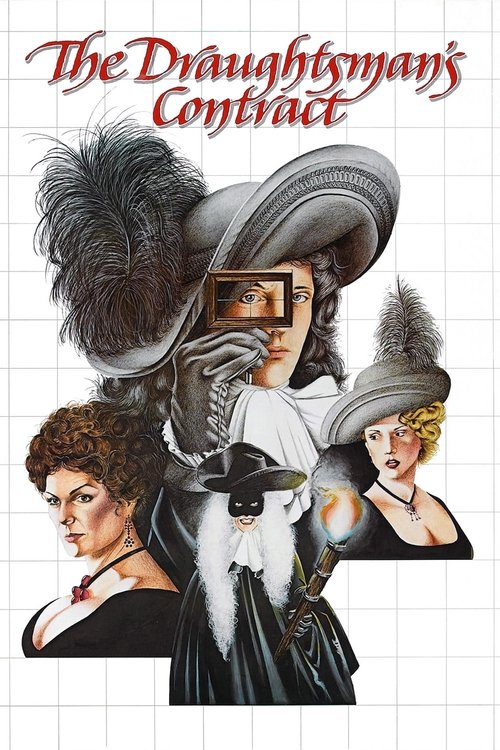
The Draughtsman's Contract1982
Greenaway's earlier masterpiece uses a commission as its engine for obsession, class anxiety, and sexual games. Similar control of composition, baroque erudition, and slow-burn menace. Essential if you want more of this sensibility.
But Even more formally austere than Belly. The deliberate pacing and puzzle-box structure can feel cold.
Not sure tonight? Get a pick in a minute, starting from The Belly of an Architect
The wildcard
Something you would not have found on your own.
Sans Soleil1983
Both are architects of image and idea rather than narrative. Both use baroque abundance and visual precision to explore how obsession and mortality reshape perception.
Marker's essay film is equally baroque, erudite, and preoccupied with memory, death, and the body. Like Greenaway, Marker treats cinema itself as architecture—building meaning from color, image, and digression. Hypnotic and devastating.
But Essentially a poem with no plot, narration, or conventional structure. Requires active, meditative attention. Most viewers will find it impenetrable.

More like this (8)
Under the Skin2014
Glazer's film shares Greenaway's command of unsettling beauty and bodily horror. Both treat the body as landscape and mystery. The dread accumulates through atmosphere rather than plot, leaving you genuinely disturbed.
But Minimal dialogue and plot. Demands patience and tolerance for ambiguity and alienation.

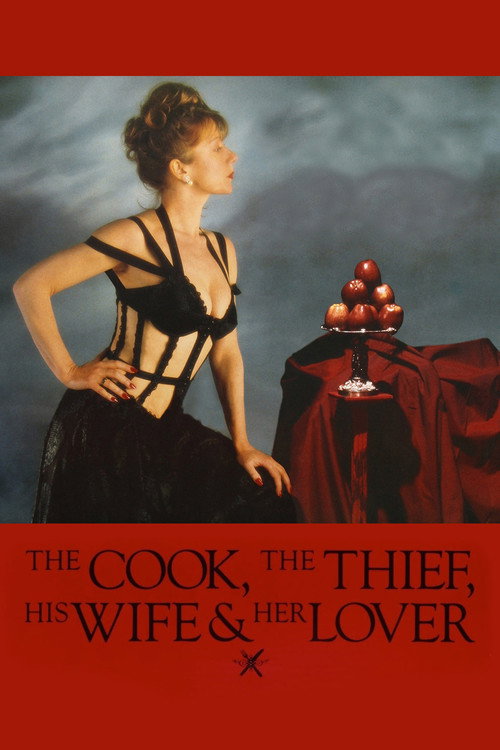
The Cook, the Thief, His Wife & Her Lover1989
Another Greenaway masterclass in color, composition, and the grotesque. Like Belly, it's about bodies, appetite, and the violent intersection of sex and power. Overwhelming and operatic in the best way.
But Genuinely brutal and obscene. Not a casual watch. Some will find it exploitative rather than enlightening.
Synecdoche, New York2008
Kaufman's film shares Greenaway's obsession with the blurring of art and life, scale and intimacy. A man consumed by his vision until it destroys everything he touches. Visually dense and emotionally crushing.
But Deliberately fractured and nightmarish. The narrative logic is associative rather than causal. Easy to feel lost.

Possession1981
Żuławski's masterpiece about a marriage collapsing into art, desire, and surrealism. Like Belly, it's grotesque, sexually charged, and more interested in psychological texture than coherent plot. Viscerally disturbing.
But Extremely intense and deliberately gross. The performances are operatic to the point of hysteria. Not for viewers seeking subtlety.

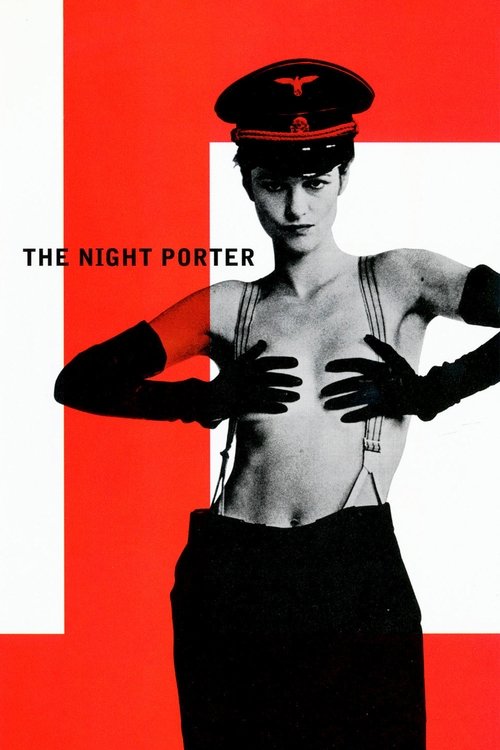
The Night Porter1974
Cavani's controversial film about obsession, trauma, and desire plays in similar registers: beautiful, corrupt, darkly erotic, with bodies as sites of power and memory. Uncompromising and haunting.
But Deals with the Holocaust as sexual fantasy, which many find deeply offensive. The eroticism of its violence is intentionally provocative.
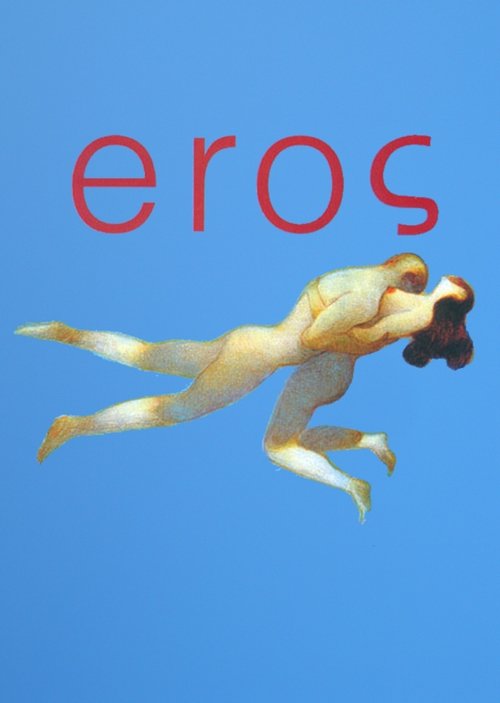
Eros2004
Soderbergh's segment of this anthology engages with the body, desire, and artistic vision in ways that echo Greenaway's concerns. It's sensual, formally precise, and interested in how obsession distorts perception.
But Slow and meditative to the point of inertia. The narrative is thin. Some will find it pretentious rather than profound.
Shoplifters2018
Both films build their entire meaning around the body—Kracklite's parasitic obsession with his wife's pregnant belly versus Koreeda's compassionate exploration of how the body binds families together. They're opposing answers to the same question.
Koreeda's film uses the family and bodies—birth, pregnancy, mortality—as its central architectural principle, building a counterargument to Kracklite's solipsism. It's warm where Belly is cold, but equally rigorous in form and vision.
But Structurally and tonally the inverse of Greenaway. If you're watching it for baroque visual intensity, you'll be disappointed by its restraint.

The Act of Killing2012
Both use elaborate formal control and visual baroque abundance to explore how obsession and ideology poison the mind. Both ask whether beauty can redeem or merely ornament monstrosity.
Oppenheimer's documentary mirrors Greenaway's baroque precision and his interest in how men rationalize violence, obsession, and the corruption of beauty. Like Belly, it's visually ornate and psychologically devastating. Utterly original.
But A documentary about real genocide. Watching it is heavy and disturbing in a way that demands emotional preparation. Not entertainment.

People
Cast
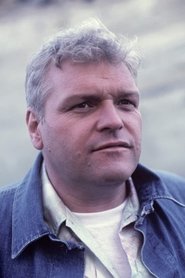 Brian DennehyStourley Kracklite
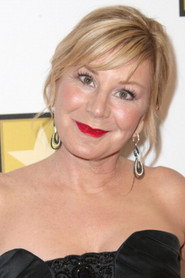 Chloe WebbLouisa Kracklite
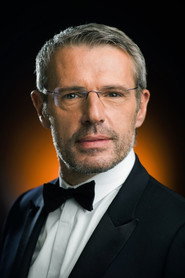 Lambert WilsonCaspasian Speckler
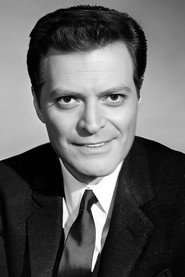 Sergio FantoniIo Speckler
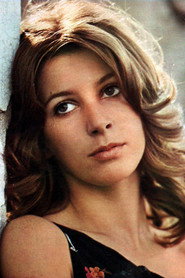 Stefania CasiniFlavia Speckler
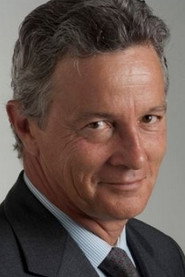 Vanni CorbelliniFrederico
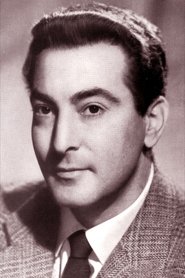 Alfredo VarelliJulio
 Geoffrey CoplestonCaspetti
 Francesco CarneluttiPastarri
 Marino MaséTrettorio
 Marne MaitlandBattistino
Directing
- Peter GreenawayDirector
Writing
- Peter GreenawayWriter
Production
- Conchita AiroldiAssociate Producer
- Dino Di DionisioAssociate Producer
- Colin CallenderProducer
- Walter DonohueProducer
Recommended by
The Pillow Book, The Favour, the Watch and the Very Big Fish, A Zed & Two Noughts, Caravaggio, Nightwatching