
Film
The Favour, the Watch and the Very Big Fish
- Comedy
- Light-hearted
- Strange
A fizzy, absurdist farce about a religious photographer hunting for his perfect Jesus, only to find a bemused jazz pianist who starts believing his own hype. Bob Hoskins presides over escalating chaos with Gallic charm and bewilderment. It's silly, occasionally inspired, and unapologetically caught between three different films—not always successfully, but never boring.
Should you watch it?
Watch it if you like farce where a run of small misunderstandings snowballs into something absurd, and you enjoy seeing a cast of reliable character actors play it with a straight face.
Skip it if you want tight plotting or a steady comic rhythm, since this is loose, episodic and happy to wander off on tangents that don't always land.
What it asks of you: At under ninety minutes it moves briskly and keeps its jokes coming, so it wants light attention rather than patience, and rewards going along with its daft logic.
Not sure? Find tonight's pick in a minute.
If you liked this
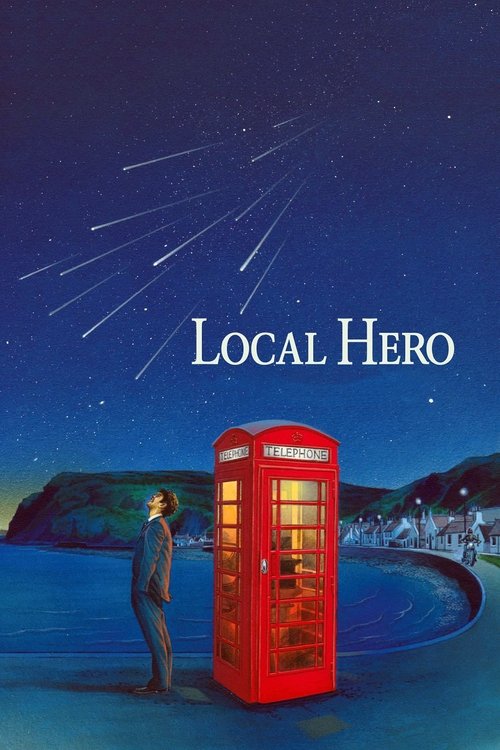
Local Hero1983
Bill Forsyth's masterpiece about an American oil executive sent to a Scottish village to secure land. Like this film, it's a comedy about outsiders colliding with local life, full of deadpan absurdity and genuine affection for its characters.
But Forsyth's pacing is deliberate and whimsical—if you want plot momentum over atmosphere, it'll feel slow and slight.
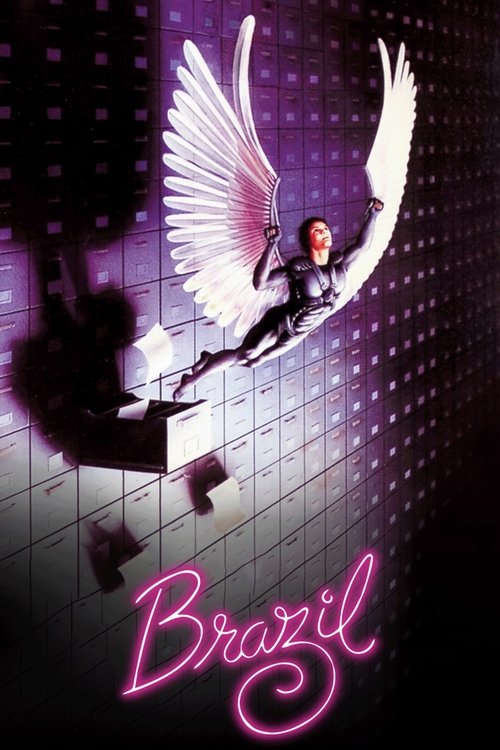
Brazil1985
Terry Gilliam's baroque satire set in a dystopian bureaucratic nightmare. Both films share the same fever-dream logic, anarchic ensemble energy, and willingness to let the story collapse into chaos for a joke.
But It's visually overwhelming and narratively impenetrable. Some will find it tedious; others find it exhausting in exactly the way Gilliam intends.
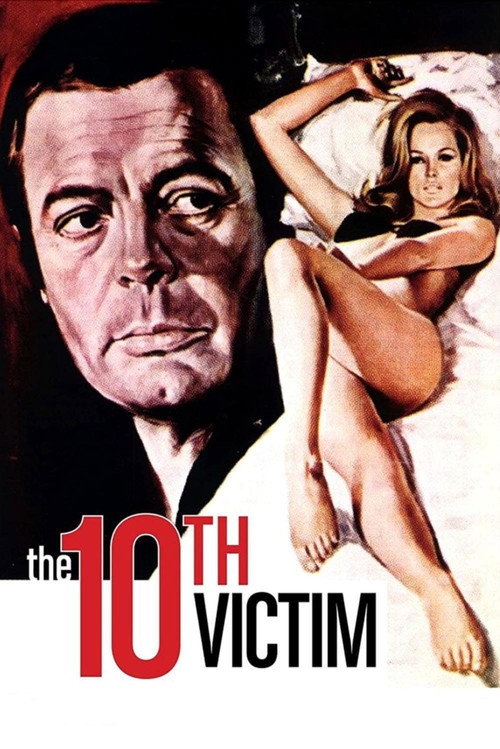
The 10th Victim1965
Elio Petri's mod Italian science-fiction comedy about assassins hunting each other for sport. Shares the same deadpan surrealism, gorgeous artificiality, and commitment to ideas that are genuinely strange rather than conventionally funny.
But It's a relic of 1960s camp—the irony is so thick you can't always tell what the film itself believes in, and that ambiguity frustrates some viewers.
Not sure tonight? Get a pick in a minute, starting from The Favour, the Watch and the Very Big Fish
The wildcard
Something you would not have found on your own.
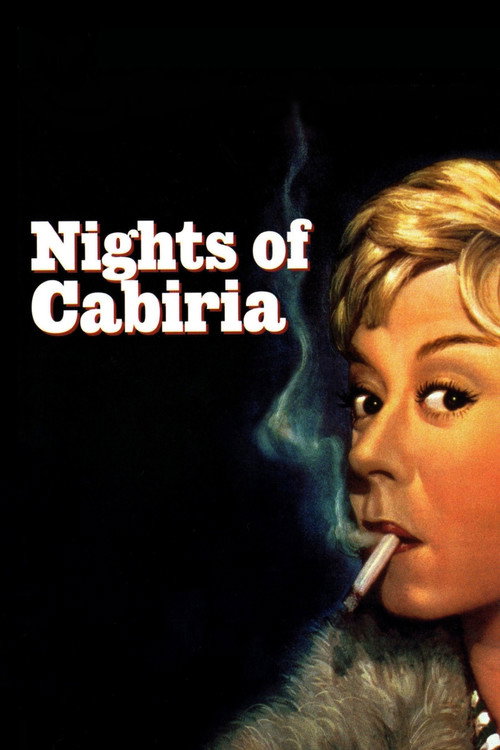
Nights of Cabiria1957
Both explore how people construct false identities and search for redemption through love and belief. Both have a tender underneath all the chaos.
Fellini's heartbreaking masterpiece about a Roman prostitute seeking love and dignity. The connection: both films use religious and romantic obsession as their engine, both are populated by characters who believe in transformation, and both mix comedy with a peculiar melancholy about human longing.
But It's an art film from 1957—deliberately paced, subtitled, often wordless. Expecting anything like the farce of the Hoskins film will leave you stranded.
More like this (5)
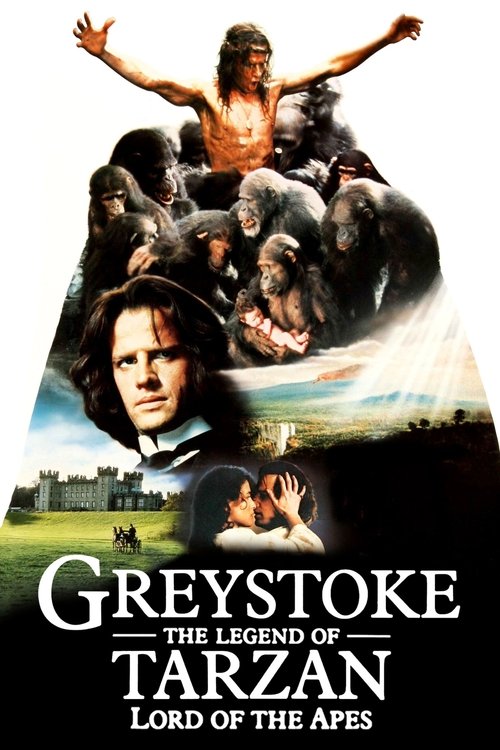
Greystoke: The Legend of Tarzan, Lord of the Apes1984
Hugh Hudson's unexpectedly thoughtful adventure with Hoskins in a key role, treating its wild-man premise seriously until it becomes oddly moving. That same tension between the ridiculous and the sincere runs through the new film.
But It's ungainly—it doesn't know if it's a comedy or drama, and that confusion isn't always productive. Long stretches feel musty.
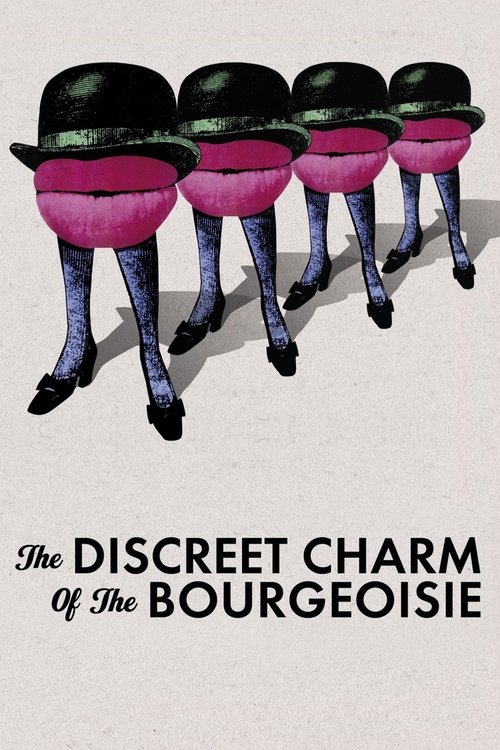
The Discreet Charm of the Bourgeoisie1972
Buñuel's masterwork about a group repeatedly interrupted before they can share a meal. Both films have that same logic of escalating absurdity, where the world refuses to cooperate with anyone's plans, and everybody remains polite about it.
But It's deliberately frustrating by design—if you prefer narrative satisfaction to Buñuel's philosophical game-playing, you'll be annoyed.
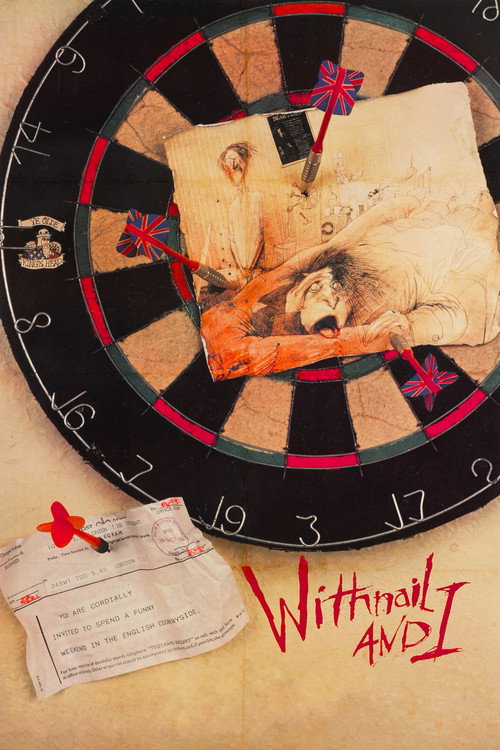
Withnail & I1987
Bruce Robinson's cult comedy about two unemployed actors in London. Shares the same shambling ensemble chaos, absurdist dialogue, and sympathy for people getting tangled in situations beyond their control.
But It's quotable to the point of self-parody, and the fan reverence can overshadow what's actually on screen. Also deeply British in ways that don't export.
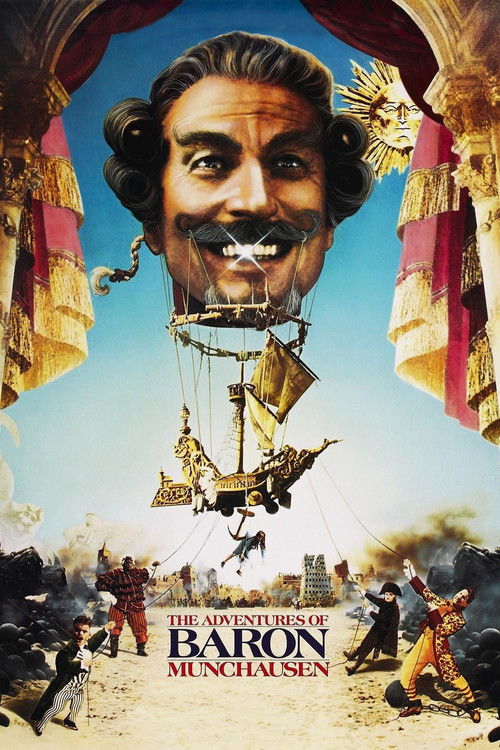
The Adventures of Baron Munchausen1988
Another Gilliam film, this one a fantasia about a man living in a world that refuses to believe his stories. Same commitment to visual excess, same theme of reality versus delusion, same operatic tone.
But Gilliam's budget spiraled, and it shows—not always in good ways. The film feels bloated, and the story can't quite support all that spectacle.
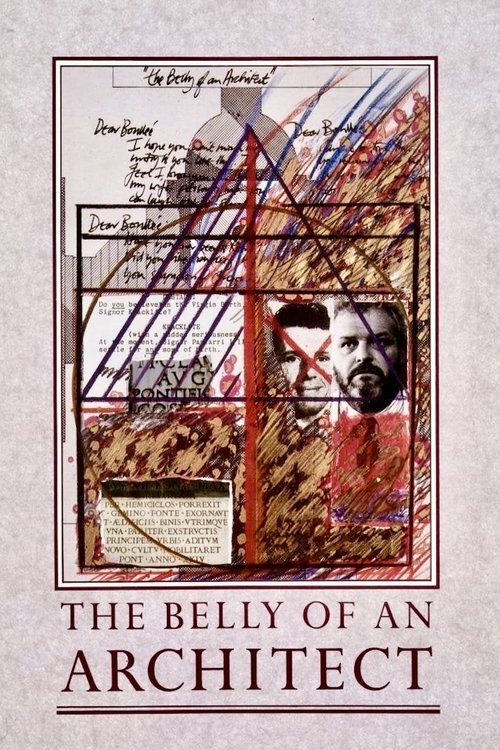
The Belly of an Architect1987
Both feature men trying to impose their vision on the world while reality quietly conspires against them. Both are essentially about failed creation.
Peter Greenaway's baroque visual essay about an American architect in Rome, consumed by visions of grandeur and bodily decay. Same obsessive protagonist, same collision between lofty ideals and earthly mess, same ornate European setting.
But It's more art installation than narrative—dialogue is sparse, images are more important than plot. If you need story momentum, you'll be frustrated.
People
Cast
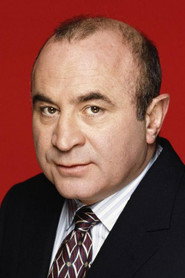 Bob HoskinsLouis Aubinard
 Jeff GoldblumPianist
 Natasha RichardsonSybil
 Michel BlancNorbert
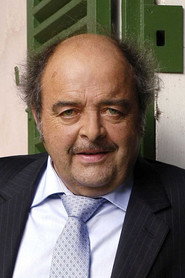 Jacques VilleretLingerie Man
 Jean-Pierre CasselZalman
 Angela PleasenceLouis' Sister
- Carlos KlosterThe Archbishop
- Claudine MavrosMother Superior
 Artus de PenguernSaint Francis
 Martine FerrièreMother of Lingerie Man
- Sacha VikouloffThe Violinist
Directing
- Ben LewinDirector
Writing
- Marcel AyméNovel
- Ben LewinScreenplay
Production
- Florence DugowsonCasting
- Margot CapelierCasting
- Simon PerryCo-Producer
- Antoine de Clermont-TonnerreExecutive Producer
- Michelle de BrocaProducer