
Film
Greystoke: The Legend of Tarzan, Lord of the Apes
Hugh Hudson's audacious 1984 reimagining treats Tarzan as tragedy: a sophisticated meditation on language, belonging, and the cost of civilization. Shot with painterly beauty and powered by Rick Baker's Oscar-winning makeup, it's slower and stranger than the adventure stories, more interested in what's lost than gained when wildness meets drawing rooms. For patient viewers drawn to character-driven spectacle.
Should you watch it?
Watch it if you want a slow, handsome jungle adventure that treats its wild man as a puzzle of manners and belonging, with plenty of patient looking.
Skip it if you need brisk pacing, since at nearly two and a half hours it lingers over jungle wanderings and polite drawing-room conversation.
What it asks of you: Settle in for a long, unhurried stretch where quiet shots of jungle foliage and clipped aristocratic talk carry as much weight as the plot.
Not sure? Find tonight's pick in a minute.
If you liked this
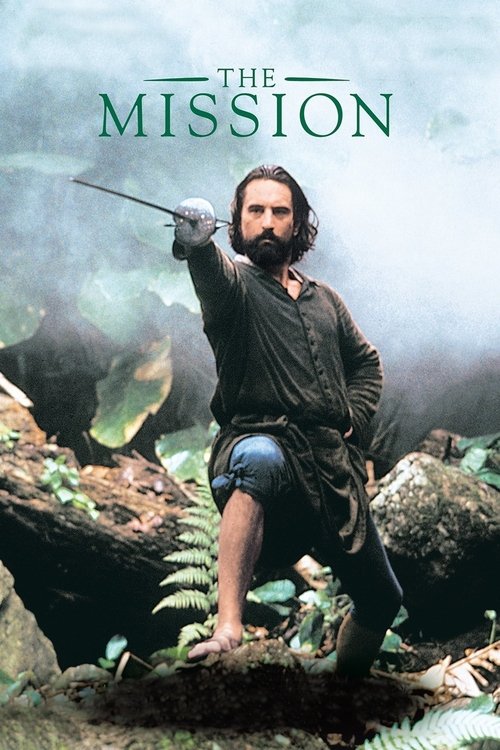
The Mission1986
Another 1980s epic about colonialism, faith, and the dignity of the dispossessed, with Robert De Niro and Jeremy Irons. It shares Greystoke's visual grandeur and moral seriousness about what 'civilization' actually means.
But Nearly three hours, deliberately paced, and the theology can feel heavy-handed. Not a rousing adventure—it's a requiem.
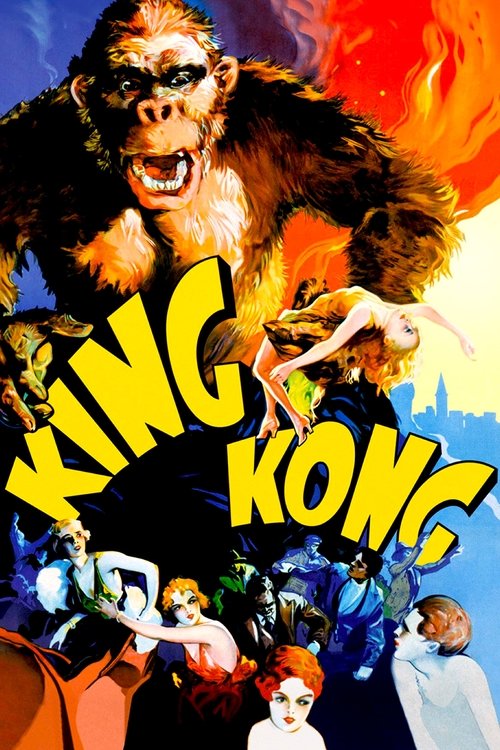
King Kong1933
The Ur-text for bringing primitive magnificence into the modern world and watching it shatter. Same DNA: a being of nature forced into civilization, shot with real awe for what he is before captivity.
But Eighty years old and occasionally clunky by modern standards. Also, the racial implications are unavoidable and ugly—worth knowing before watching.
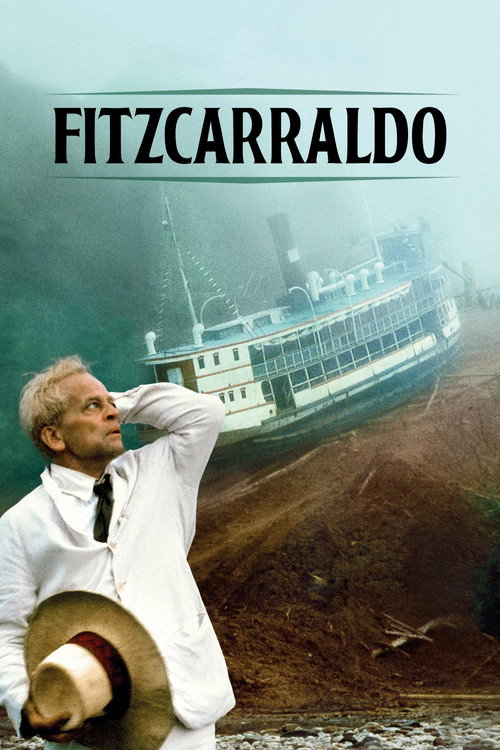
Fitzcarraldo1982
Kinski in the Amazon, Werner Herzog's mad vision of bringing European dreams into untamed wilderness. That same collision of scale, obsession, and gorgeous futility—two films made in the same moment about the same dream.
But Herzog's actually insane. The making-of story overshadows the film for some people. And it's a slog—beautiful, but genuinely punishing.
Not sure tonight? Get a pick in a minute, starting from Greystoke: The Legend of Tarzan, Lord of the Apes
The wildcard
Something you would not have found on your own.
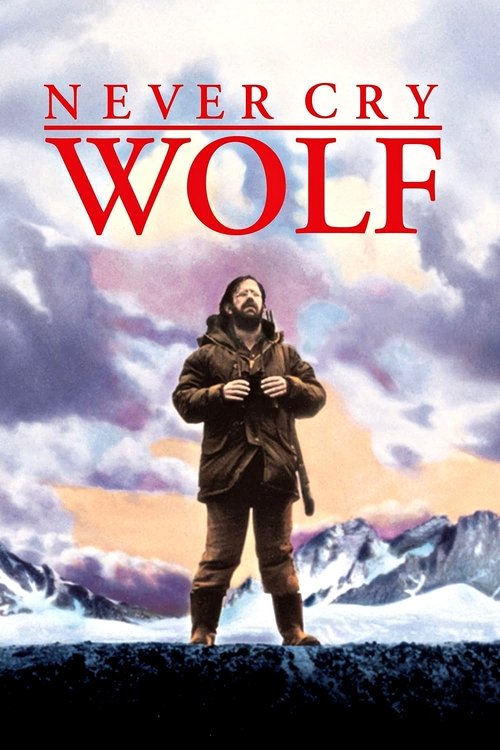
Never Cry Wolf1983
Both films are about a man learning an animal language and gaining sympathy for a non-human society. Both ask: is returning to civilization salvation or exile? Both trust visual storytelling over plot.
Carroll Ballard's hypnotic film about a biologist alone with Arctic wolves, learning their language and logic until he forgets his own. Same story as Greystoke—a man between two worlds—but filmed as a spiritual experience, not a tragedy. The cinematography is almost abstract.
But Glacially slow and experimental in form. Long stretches of minimal dialogue and observation. Some will find it meditative; others will find it pretentious and boring.
More like this (8)
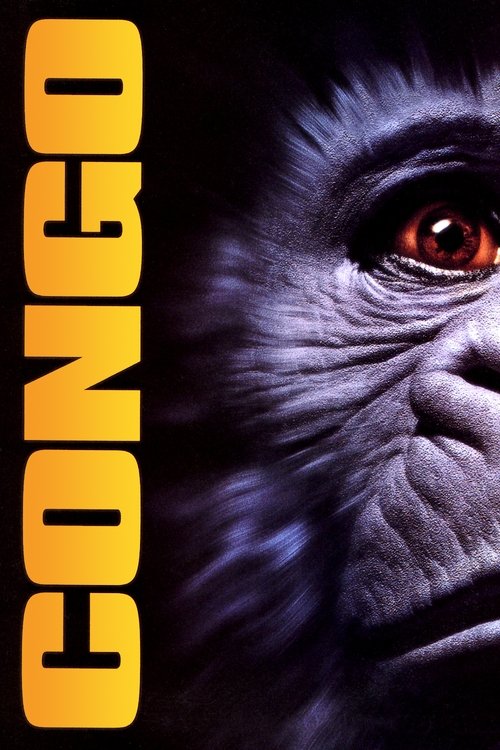
Congo1995
The B-side Tarzan: adventure in darkest Africa with a talking ape, diamonds, and unironic camp. It knows exactly what it is and swings for the fences. Balm if Greystoke felt too serious.
But Transparently silly, with dated effects. If you want gravitas, this undercuts it immediately and doesn't care.
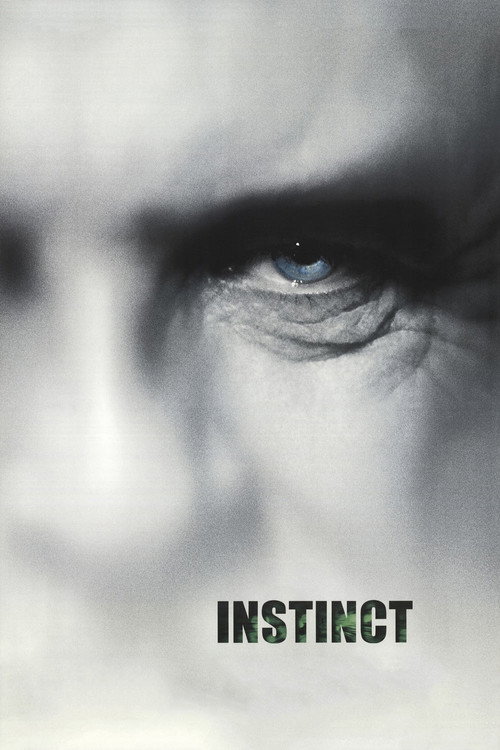
Instinct1999
Sean Penn as a man raised in the wild, returned to civilization and prison. It's the flip side of Greystoke's coin—the same myth but darker, more violent, less interested in what's noble about nature.
But Overwrought and sincere in ways that don't quite work. The prison-film bits smother the premise. It tries very hard and mostly fails.
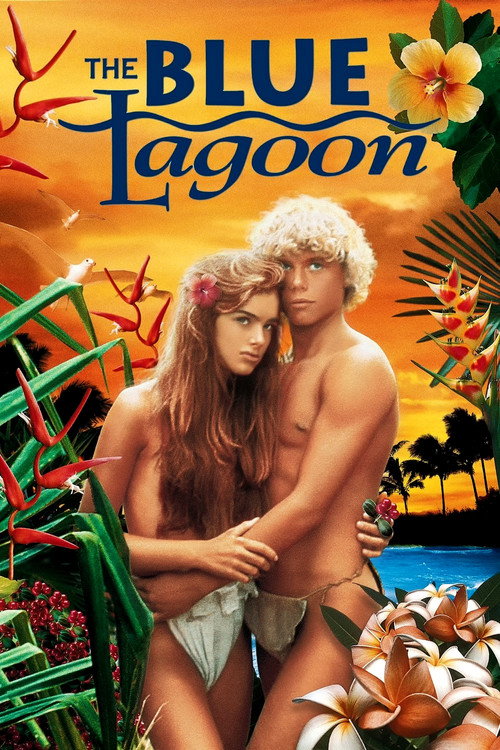
The Blue Lagoon1980
Two young people alone on an island, civilization left behind. Also from early-80s adventure cinema, also about innocence and nature, shot with real visual appeal despite its reputation.
But The romance is the whole point and it's not subtle about it. Worse: a prequel exists. Start and stop here.
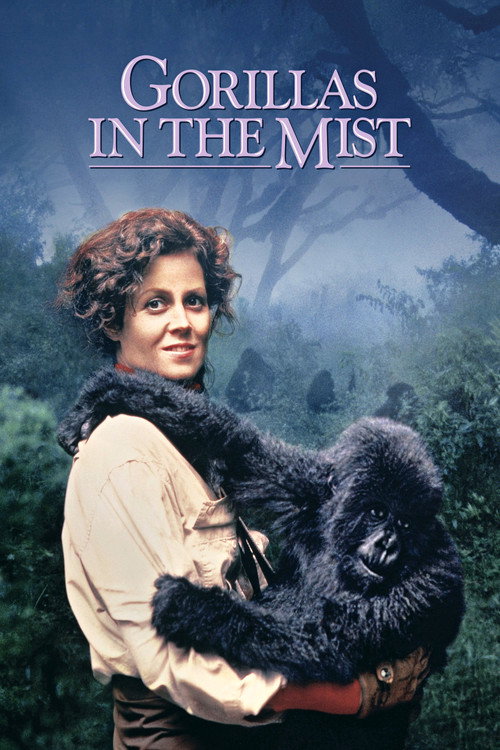
Gorillas in the Mist1988
Sigourney Weaver studying apes in the African highlands, building relationship and understanding across species. Similar reverence for animal intelligence, similar sense of a woman caught between two worlds.
But More conventional biopic than you might want. Weaver's magnificent but the film around her is occasionally rote.
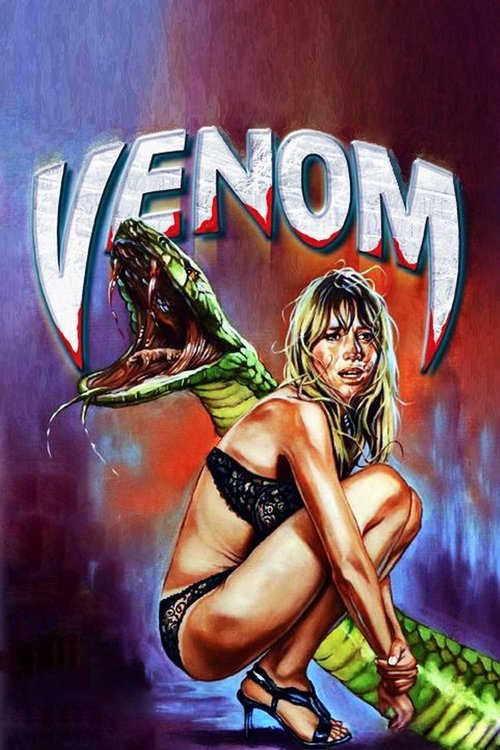
Venom1981
Klaus Kinski and Sterling Hayden in a standoff with a king cobra in a London townhouse. Bonkers creature-feature with real stars; watch it as the mirror-universe Greystoke, all panic where that's patient.
But Utterly ridiculous and deeply 1981. If you're not in the mood for trashy thrills, this has nothing else to offer.
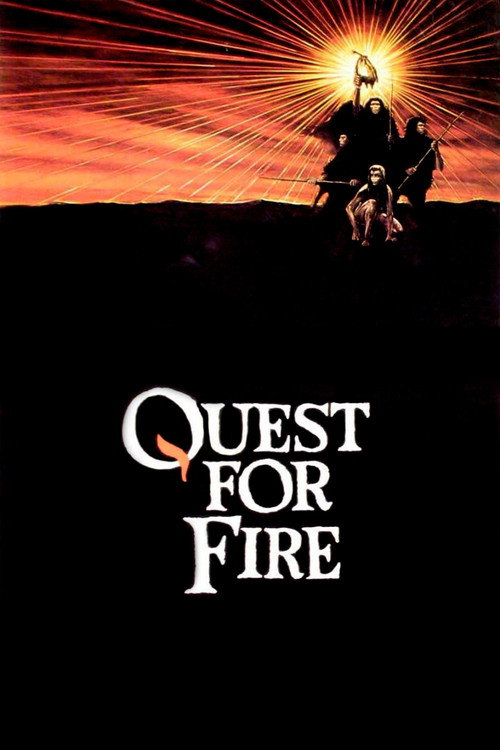
Quest for Fire1981
Prehistoric humans searching for fire, shot with real artistry and language invented from scratch. Jean-Jacques Annaud's meditation on how we became human—same period obsession as Greystoke, less dialogue, more primal.
But Cryptic and deliberate. No conventional narrative shape. Some find it essential; others find it a slog in furs.
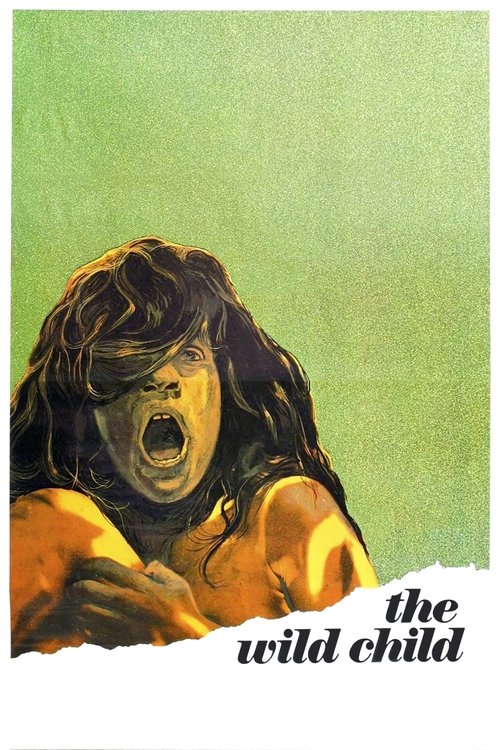
The Wild Child1970
Both dramatize the Enlightenment fantasy of the 'wild child'—but both quietly suggest that civilization might not be improvement. Both are about the tragedy of language.
Truffaut's true-story film about Victor, a feral boy found in the woods, and the teacher who tries to civilize him. Greystoke in miniature: same question about what language and society actually give us, filmed with Truffaut's gentle skepticism about progress. Black and white. A masterpiece.
But French New Wave, which means elliptical and more interested in observation than catharsis. The boy doesn't have a cinematic arc. It resists being a triumph story.
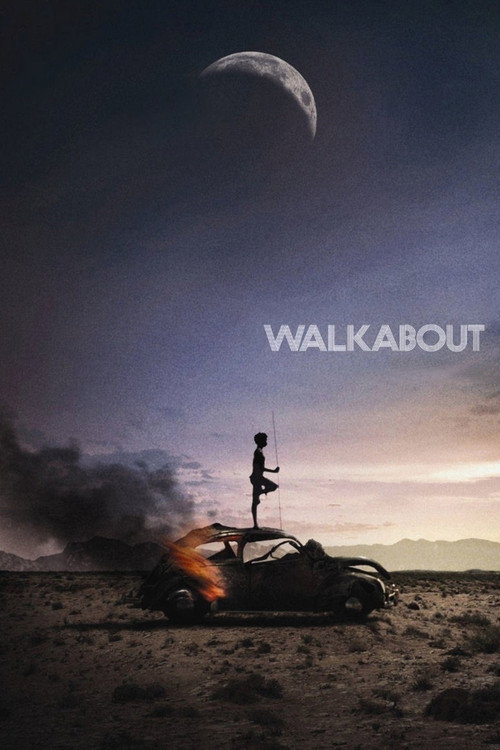
Walkabout1971
Both films reverse the colonial narrative: they see 'civilization' as loss, not gain. Both feature a guide (D'Arnot, the Aboriginal boy) shepherding someone toward a fate we understand to be diminishment. Both are elegies.
Nicolas Roeg's hypnotic film about an Australian Aboriginal boy and two lost European children in the outback. Like Greystoke, it's about incompatible worlds, knowledge systems, and what gets destroyed when they meet—but told from the other direction, and concluding with heartbreaking inevitability. Haunting.
But Roeg's visual style is fragmentary and unsettling. The sexual content was controversial then and hasn't aged gracefully. Also deeply sad. Not comforting.
People
Cast
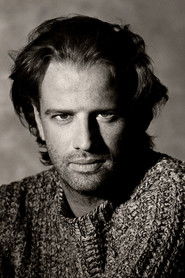 Christopher LambertJohn Clayton / Tarzan, Lord of the Apes
 Andie MacDowellMiss Jane Porter
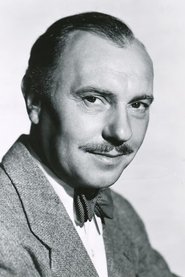 Ralph RichardsonThe Sixth Earl of Greystoke
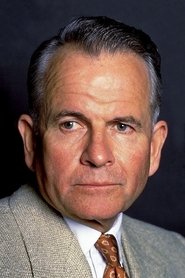 Ian HolmCapitaine Phillippe D'Arnot
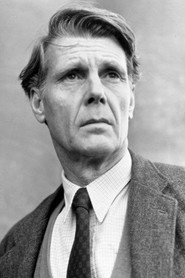 James FoxLord Charles Esker
 Cheryl CampbellLady Alice Clayton
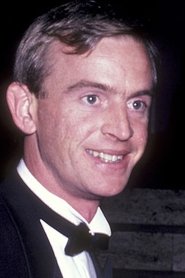 Ian CharlesonJeffson Brown
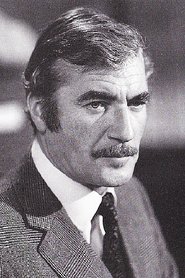 Nigel DavenportMajor Jack Downing
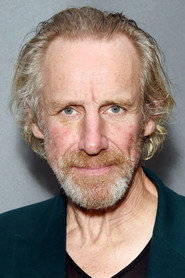 Nicholas FarrellSir Hugh Belcher
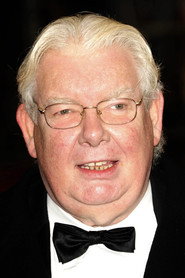 Richard GriffithsCaptain Billings
 Paul GeoffreyLord John Clayton
 Hilton McRaeWilly
Directing
- Maggie UnsworthContinuity
- Hugh HudsonDirector
- Ray CorbettFirst Assistant Director
- Simon Channing WilliamsFirst Assistant Director
- Kieron PhippsSecond Assistant Director
- Lee ClearySecond Assistant Director
- Michael ZimbrichSecond Assistant Director
- Paul TiversSecond Assistant Director
Writing
- Edgar Rice BurroughsNovel
- Michael AustinScreenplay
- Robert TowneScreenplay
Production
- Christopher KnowlesAssistant Location Manager
- Garth ThomasAssociate Producer
- Patsy PollockCasting
- M.L. TannerCasting Assistant
- Paul HitchcockExecutive In Charge Of Production
- Bernard HansonLocation Manager
- Peter KohnLocation Manager
- William LangLocation Manager
- Hugh HudsonProducer
- Stanley S. CanterProducer
- Brian HarrisProduction Accountant
- Hazel CrombieProduction Accountant
- Laura GrumittProduction Assistant
- Marie-Thérèse BoichéProduction Coordinator
- Simon BosanquetProduction Manager
- Mary RichardsProduction Secretary
- Frank ErnstUnit Production Manager
Recommended by
The Land That Time Forgot, Cocoon, Jungle Book, The Legend of Tarzan, Making Mr. Right, Robinson Crusoe, The Favour, the Watch and the Very Big Fish, Mountains of the Moon, The Fantastic Four, Tarzan the Ape Man, Hercules in New York, The Lion, Lovesick