
Film
Robinson Crusoe
Other titles called Robinson Crusoe: the 1954 film, the 2016 film.
A 1997 adventure that reimagines Defoe's classic as a psychological drama about exile and redemption. Pierce Brosnan plays a man fleeing murder, marooned on an island where survival becomes secondary to confronting who he was and who he might become. It's intimate and introspective where the source material is picaresque—less *Cast Away*, more *The Tempest*.
Should you watch it?
Watch it if you want a lean survival story where the castaway's guilt and his uneasy partnership with Friday matter as much as the shipwreck, told in a brisk ninety-two minutes.
Skip it if you expect the Crusoe of the classic adventure novel, since this one is a moodier, more introspective take that trades survival spectacle for brooding and long stretches of quiet.
What it asks of you: A short, unhurried sitting with a slow build, where the mood stays heavy and reflective rather than lightening into fun, and it rewards undivided attention.
Not sure? Find tonight's pick in a minute.
If you liked this
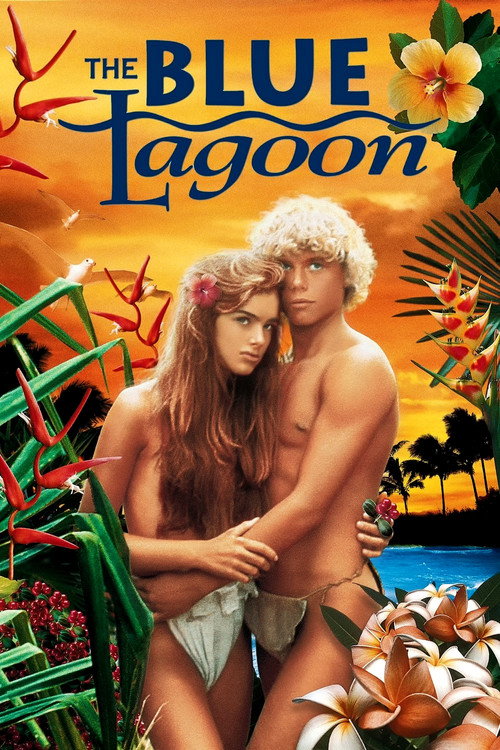
The Blue Lagoon1980
Two castaways learning to survive and trust each other on an isolated island, with the same lush cinematography and focus on relationship over spectacle. Shares that meditative quality about enforced solitude revealing character.
But The romance subplot dominates more than many will want, and the film's pacing can feel glacial if you're after adventure beats rather than emotional discovery.
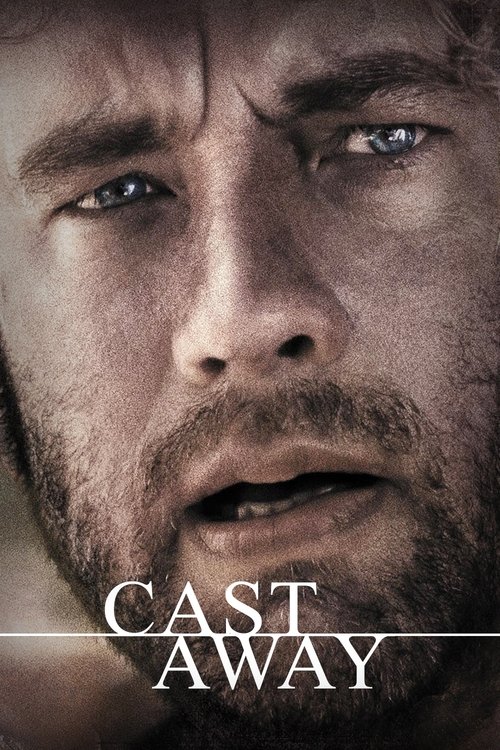
Cast Away2000
Tom Hanks alone on an island, wrestling with survival and identity in ways that echo *Robinson Crusoe*'s psychological core. Both treat isolation as a crucible for self-understanding, not just a plot setup.
But It's a later, bigger-budget take on similar ground—if you watch this first, *Robinson Crusoe* may feel slight by comparison, even though it's actually more interested in the emotional stakes.
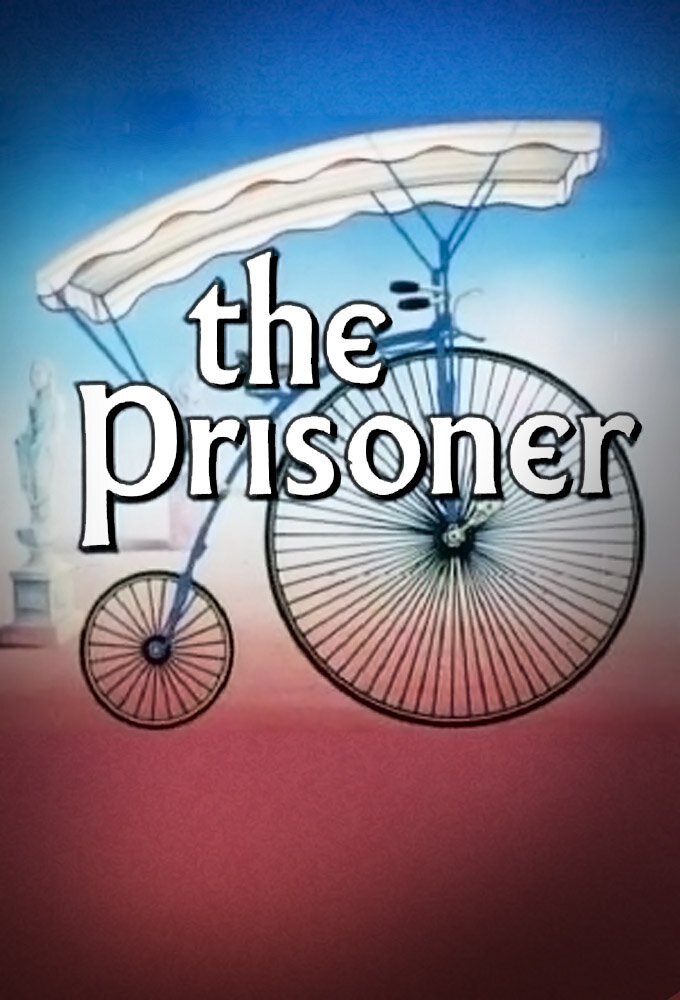
The Prisoner1967
A man held captive on a mysterious island, constantly resisting and redefining himself. Like *Robinson Crusoe*, it's philosophical about captivity, identity, and whether escape matters if you can't escape your own mind.
But It's deliberately opaque and allegorical—more *Kafka* than *Stevenson*. The 1960s production design and avant-garde approach will feel alien if you want straightforward storytelling.
Not sure tonight? Get a pick in a minute, starting from Robinson Crusoe
The wildcard
Something you would not have found on your own.
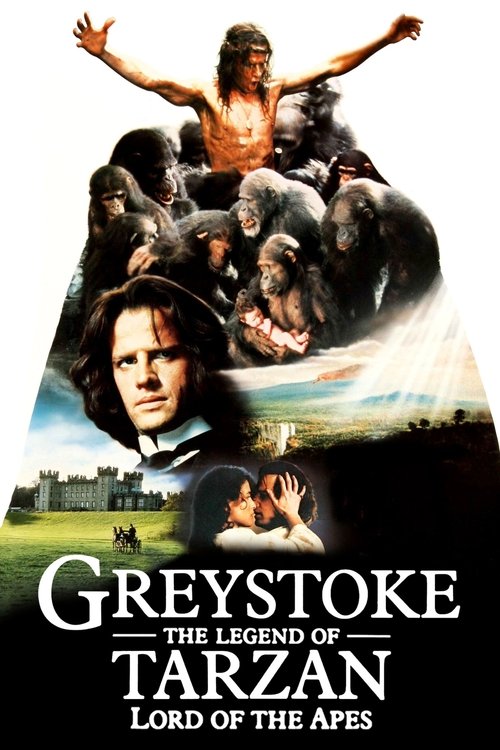
Greystoke: The Legend of Tarzan, Lord of the Apes1984
Both films use isolation and encounter with 'the other' to ask what makes us human. *Robinson Crusoe* teaches Crusoe to see Friday as equal; *Greystoke* shows a man learning that civilization is not inherently superior to nature.
Ralph Richardson and Christopher Lambert in a film about a man raised outside civilization who must learn the rules of the world he's inherited. It inverts *Robinson Crusoe*'s journey—instead of learning nature, Tarzan learns society—but both are about belonging and identity.
But It's quite long and the middle section in England slows considerably. The ape effects show their age, and some find the colonial framing troubling.
More like this (7)
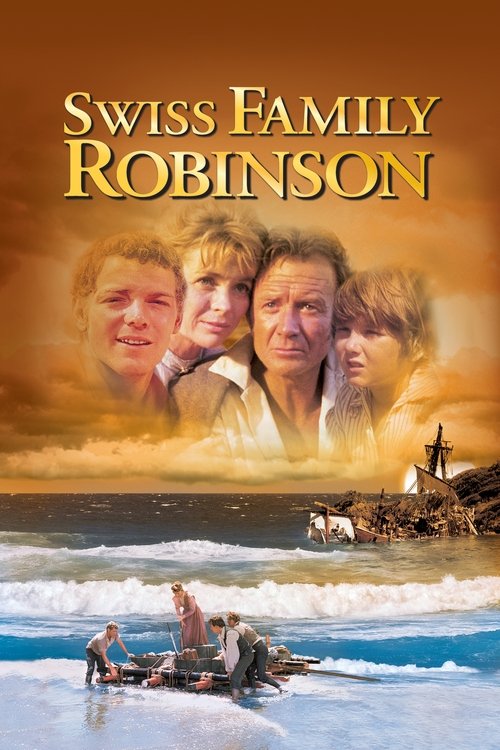
Swiss Family Robinson1960
The Disney version that influenced how we imagine island survival. It's warmer and more playful than Brosnan's version, but both films use the island as a space where people reinvent themselves and their relationships.
But It's aimed at families and shows its age considerably. The tone is entirely different—lighter, more whimsical—so don't expect the introspection *Robinson Crusoe* brings.
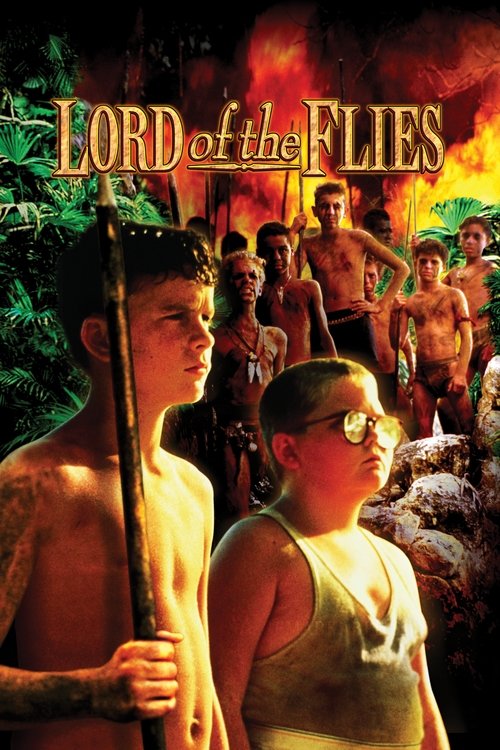
Lord of the Flies1990
Castaways on an island learning brutal truths about civilization and themselves. Like *Robinson Crusoe*, it uses isolation to ask hard questions about human nature and what we build when the old world falls away.
But It's relentlessly dark and about children descending into savagery. The tone is bleak where *Robinson Crusoe* finds moments of grace, and the violence is harder to watch.
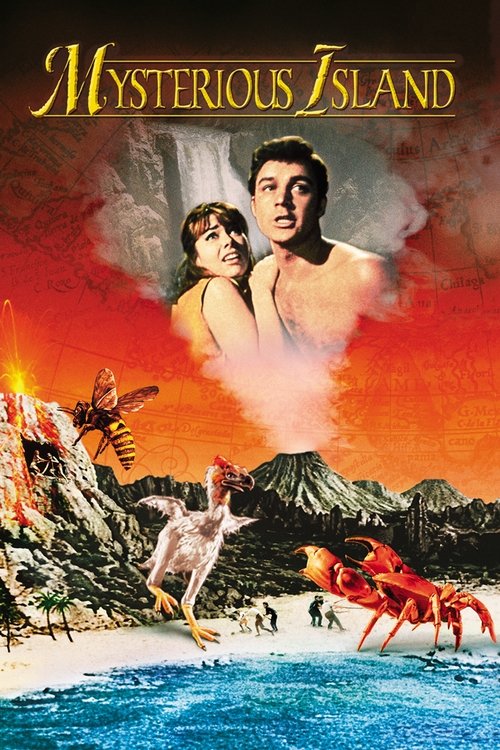
Mysterious Island1961
Verne's shipwrecked survivors on a fantastic island, discovering wonder and danger in equal measure. Both films use islands as stages for transformation, though this one layers in dinosaurs and Victorian adventure.
But The adventure elements overshadow character work. If you're watching *Robinson Crusoe* for its quiet psychological depth, this will feel cluttered and quaint.
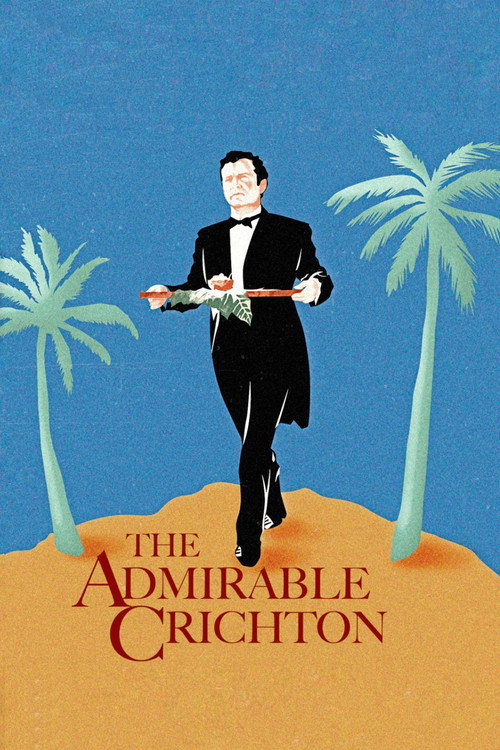
The Admirable Crichton1957
A shipwreck forces the British class system to collapse, and a servant becomes the natural leader. Like *Robinson Crusoe*, it's fascinated by how isolation strips away pretense and reveals who people actually are.
But It's a British drawing-room comedy first and foremost—the island is almost incidental. The social satire will land better if you care about Edwardian class dynamics.
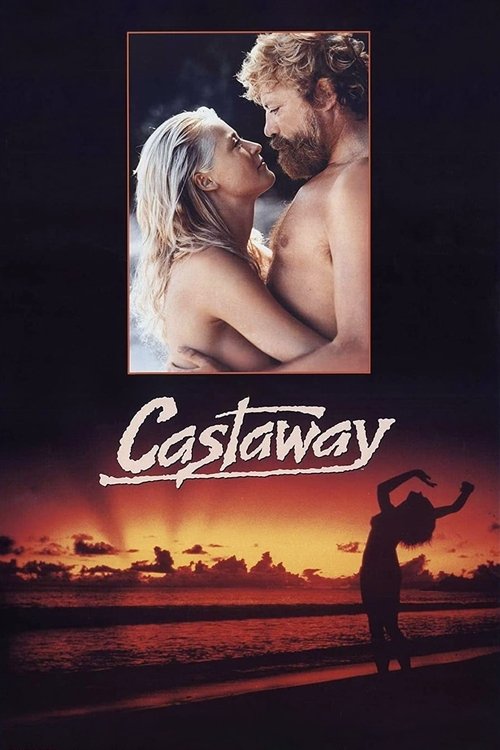
Castaway1986
A man and woman stranded together must negotiate not just survival but desire and disappointment. It shares *Robinson Crusoe*'s interest in how isolation clarifies relationships and forces uncomfortable truths.
But It's less known for a reason—the pacing is slow even by arthouse standards, and the relationship is more complicated than romantic, which some find frustrating rather than moving.
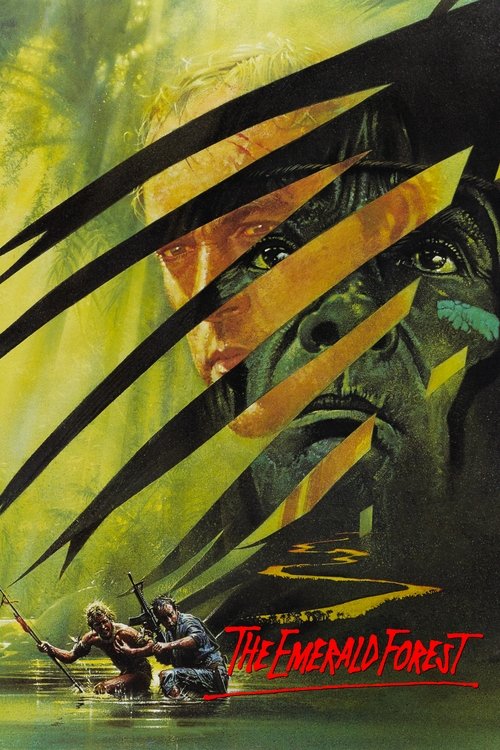
The Emerald Forest1985
A boy raised by an Amazonian tribe challenges his father's understanding of civilization. Like *Robinson Crusoe*, it's about two people from different worlds learning to see each other as human, though the jungle replaces the island.
But It can feel dated in its representation of indigenous peoples, and the action sequences interrupt the character work that gives the film its heart.
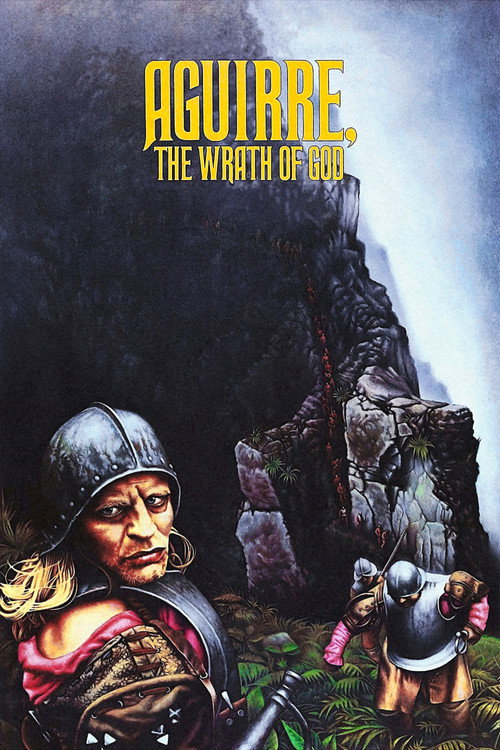
Aguirre, the Wrath of God1972
Both are films about men isolated from the world, but where *Robinson Crusoe* finds grace through connection, *Aguirre* finds only the madness that isolation reveals was always there. One is about learning to live; the other about dying to ego.
Herzog's Spanish conquistadors descending a river into madness and self-delusion. Like *Robinson Crusoe*, it's about a man unmoored from civilization, but instead of learning wisdom, Aguirre spirals into megalomania. The landscape is as much a character as any person.
But It's shot in murky conditions, moves slowly, and has no traditional plot arc. Herzog's obsessive style requires patience, and the vision is bleak and hallucinatory rather than redemptive.
People
Cast
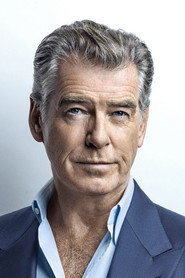 Pierce BrosnanRobinson Crusoe
 Polly WalkerMary
 Ian HartDaniel Defoe
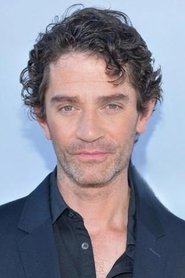 James FrainRobert/Defoe's Publisher
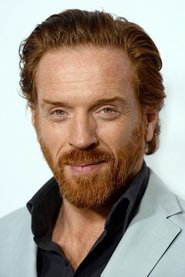 Damian LewisPatrick
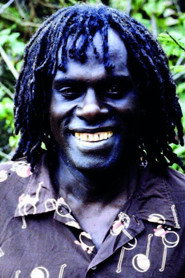 William TakakuMan Friday
- Ben RobertsonJames/Patrick's Brother
- Martin GraceCaptain Braga
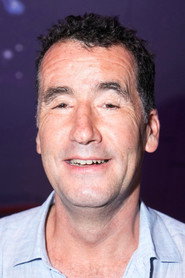 Tim McMullanCrusoe's Second
 Sean BrosnanCabin Boy
Directing
- George T. MillerDirector
- Rod HardyDirector
- Jenny QuigleyScript Supervisor
Writing
- Daniel DefoeNovel
- Christopher CanaanScreenplay
- Christopher LoftonScreenplay
- Tracy Keenan WynnScreenplay
Production
- Bob WeinsteinExecutive Producer
- Harvey WeinsteinExecutive Producer
- Robert Halmi Sr.Executive Producer
- Njeri KaragoProducer
- Michele TandyProduction Accountant
- Issy ShabtayProduction Manager
- James A. WestmanProduction Manager
Recommended by
Swept Away, The Blue Lagoon, Island of the Blue Dolphins, Castaway, A Cry in the Wild, Jungle Boy, Stranded