
Film
Island of the Blue Dolphins
A 1964 adaptation of Scott O'Dell's beloved novel about a young Native American girl stranded on an island in the Pacific. It's a survival story built on resourcefulness and quiet courage rather than spectacle—intimate, meditative, with real stakes. For viewers who love tales of resilience and self-reliance, particularly families watching together.
Should you watch it?
Watch it if you love quiet survival stories where patience and practical skill drive the drama, the kind that trusts a long stretch of ordinary days to say more than dialogue does.
Skip it if the pace is deliberate and the film spends long stretches on one person working alone, so if you need a plot to keep moving, the stillness may wear thin.
What it asks of you: Settle in for about ninety-three minutes of unhurried, quiet observation with a steady, watchful mood rather than thrills, and give it your full attention.
Not sure? Find tonight's pick in a minute.
If you liked this
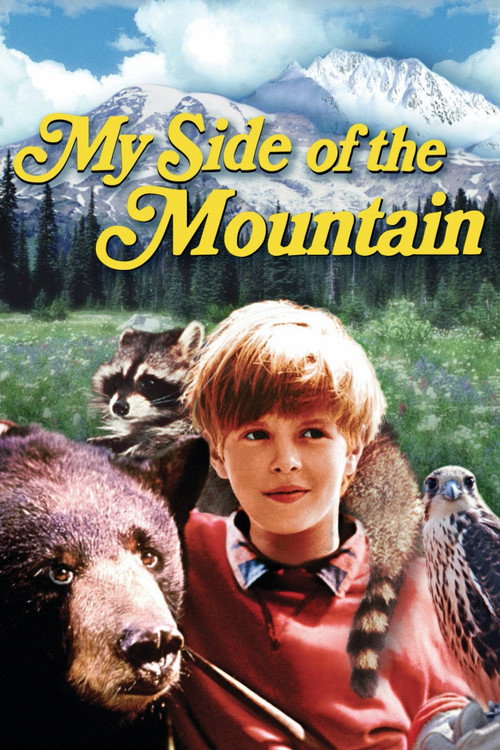
My Side of the Mountain1969
A boy survives alone in the Catskills with ingenuity and determination. Like Karana's story, it finds drama in small victories: making fire, finding food, learning the rhythms of solitude. Beautifully unhurried.
But The pacing is deliberate to the point of slowness, and there's minimal plot momentum. Not a film for viewers who need constant action or narrative propulsion.
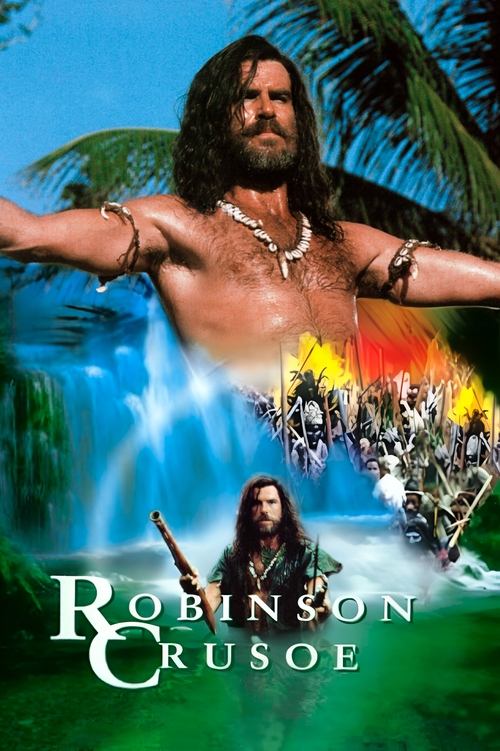
Robinson Crusoe1997
Pierce Brosnan as a castaway who must master his environment to survive. It captures that same meditative quality—the island as both obstacle and teacher. Visually lush and genuinely moving.
But It's a loose, romantic interpretation rather than a faithful adaptation. Some viewers will find it melodramatic compared to Karana's quieter resolve.
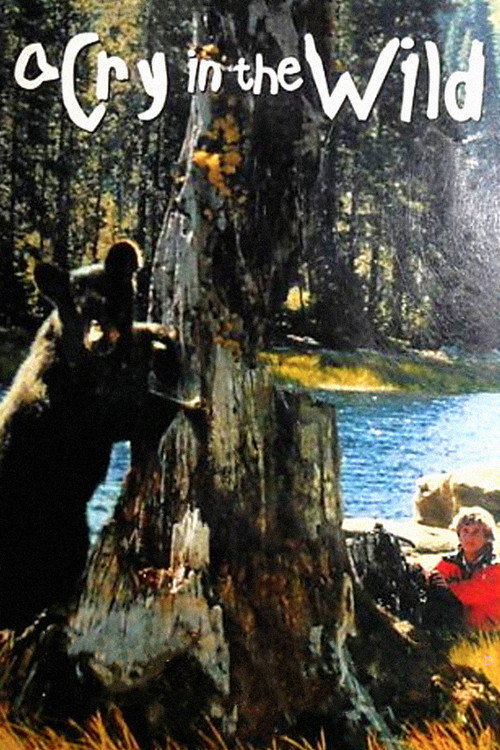
A Cry in the Wild1990
Based on Gary Paulsen's novel, a boy survives a plane crash in the Canadian wilderness through trial, error, and sheer will. The same intimate focus on survival skills and the psychology of being alone.
But Somewhat dated visually, and the emotional register is more tense and anxious than contemplative. Lacks the spiritual dimensions of Karana's journey.
Not sure tonight? Get a pick in a minute, starting from Island of the Blue Dolphins
The wildcard
Something you would not have found on your own.
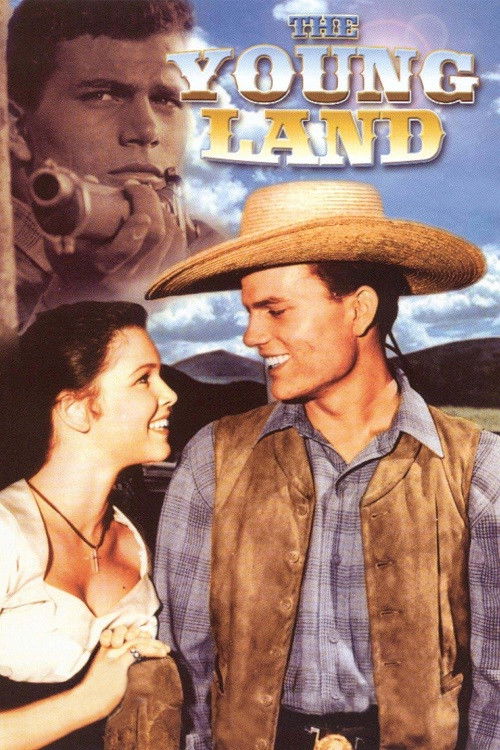
The Young Land1959
Both 1960s films explore what it means to survive and sustain yourself in an unforgiving landscape where rules are unclear and you must rely entirely on your own judgment.
A Western about frontier justice and survival in a young California settlement. Though different in setting, it shares Karana's era and the same focus on resourcefulness, self-reliance, and the moral weight of solitude and decision-making under pressure.
But It's a Western drama, not a survival story or family film. The tone is serious and legalistic rather than adventure-focused, and it centers adult men rather than a young woman.
More like this (5)
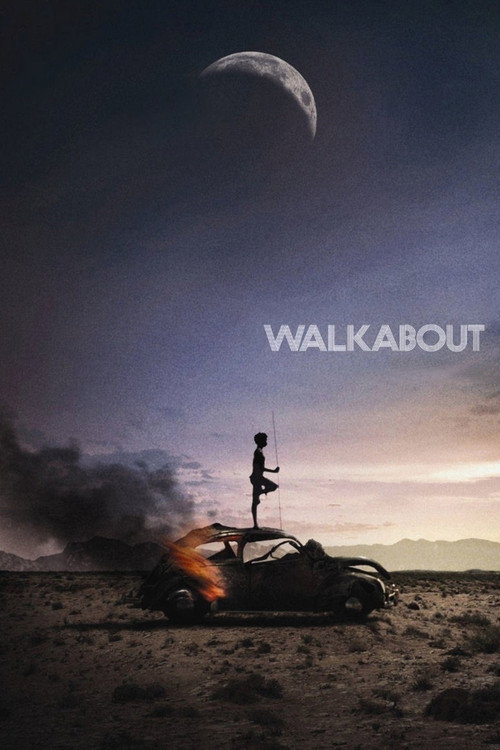
Walkabout1971
A girl survives the Australian outback after a family tragedy, guided by an Aboriginal boy. Like Island of the Blue Dolphins, it's a coming-of-age through isolation and survival. Visually stunning and subtly profound.
But The ending is ambiguous and somewhat melancholic. Some viewers find the pacing challenging and the cultural dynamics, viewed now, require critical watching.
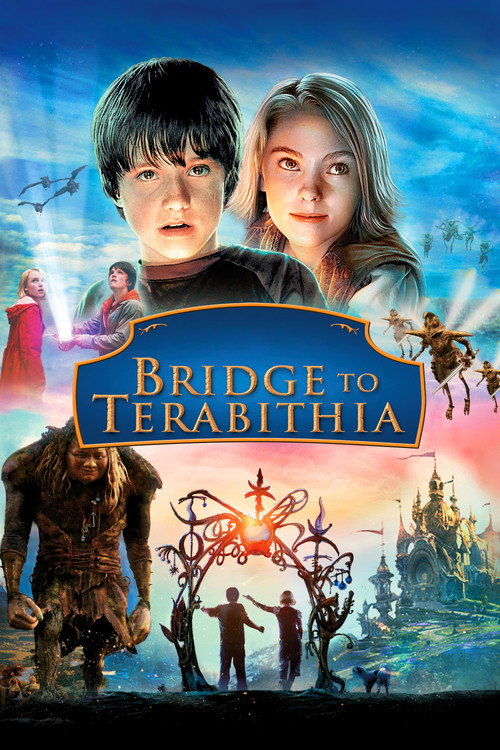
Bridge to Terabithia2007
Children find refuge and build resilience in imagination and nature. It shares Karana's theme of a young person relying on internal resourcefulness to survive emotional hardship, though more metaphorically than literally.
But It's primarily a fantasy adventure, not a survival story. The tone is warmer and more sentimental than the lean toughness of Karana's tale.
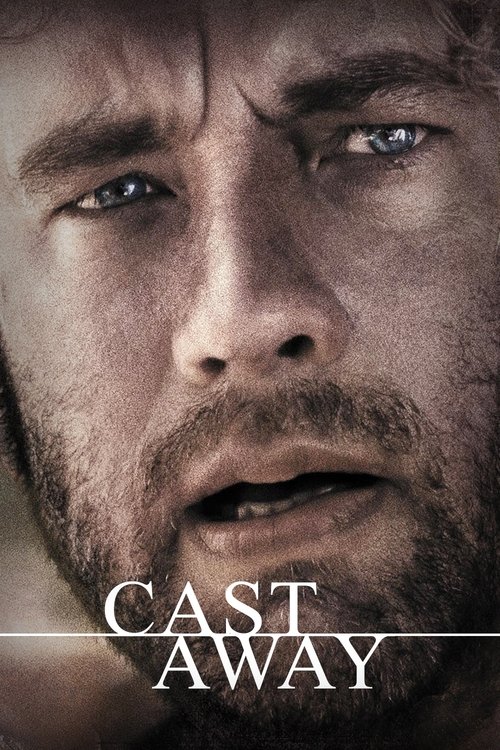
Cast Away2000
Tom Hanks stranded on an island must learn survival from scratch. It parallels Karana's journey of mastering fire, food, and shelter—the building blocks of solitary persistence.
But It's a Hollywood film about a middle-aged man, not a girl finding agency through necessity. The tone is often more anxious and despairing than determined.
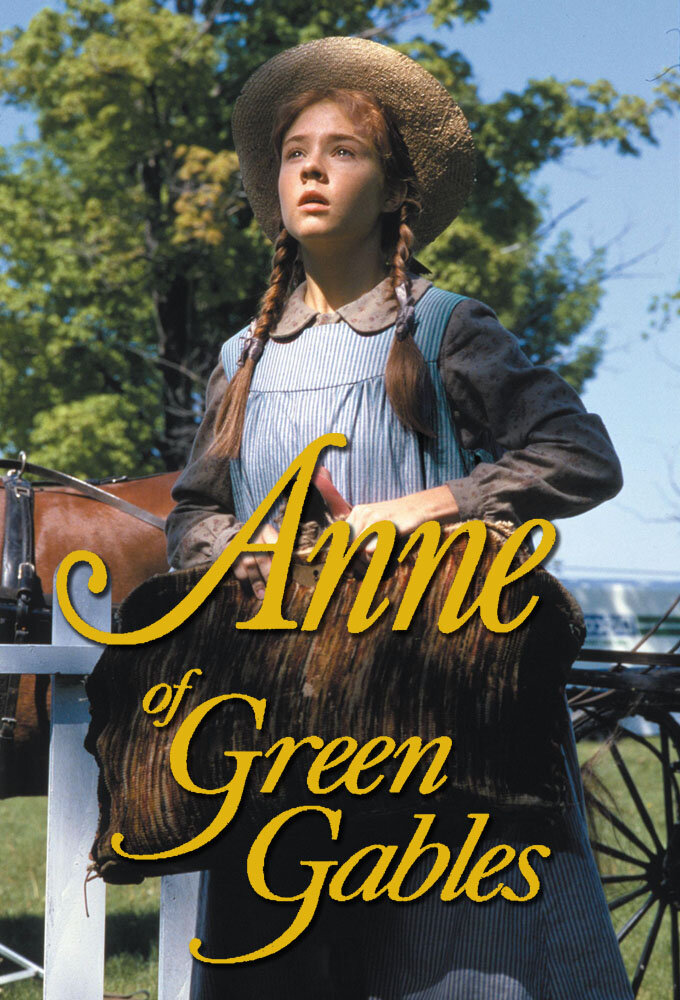
Anne of Green Gables1985
A girl finds her place and builds a life through resilience and imagination. While not a survival story, it shares Karana's focus on a young female protagonist who relies on herself and learns strength from hardship.
But It's period romance and coming-of-age drama, not adventure or wilderness survival. The stakes are social and emotional rather than physical.
Pollyanna1960
An orphan girl transforms her world through determination and optimism. Like Karana, she's resourceful and self-reliant, discovering her own agency in difficult circumstances.
But It's fundamentally a wholesome social drama about changing others' hearts. The survival element Karana faces is entirely absent.

People
Cast
 Celia MiliusKarana (as Celia Kaye)
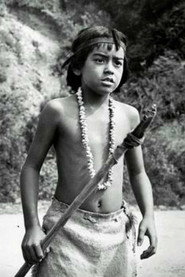 Larry DomasinRamo
- Ann DanielTutok
- Carlos RomeroChowig
 George KennedyAleut Captain
- Hal Jon NormanKimki
 Julie PayneLurai
 Martín GarralagaThe Priest
- JuniorRontu
Directing
- Phil BowlesAssistant Director
- James B. ClarkDirector
Writing
- Scott O'DellNovel
- Jane KloveScreenplay
- Ted SherdemanScreenplay
Production
- Robert B. RadnitzProducer
- Frank WeatherwaxTrainee Production Coordinator
- Ray BerwickTrainee Production Coordinator
- Terence NelsonUnit Production Manager