
Film
Walkabout
Nicolas Roeg's sun-scorched fable follows two English children abandoned in the Australian outback after their father's inexplicable suicide, saved by an Aboriginal boy midway through his own rite of passage. It's less survival story than fractured, dreamlike meditation on desire, communication, and the gulf between worlds — gorgeous, disquieting, and deliberately unresolved. For patient viewers who like their beauty a little sinister.
If you liked this
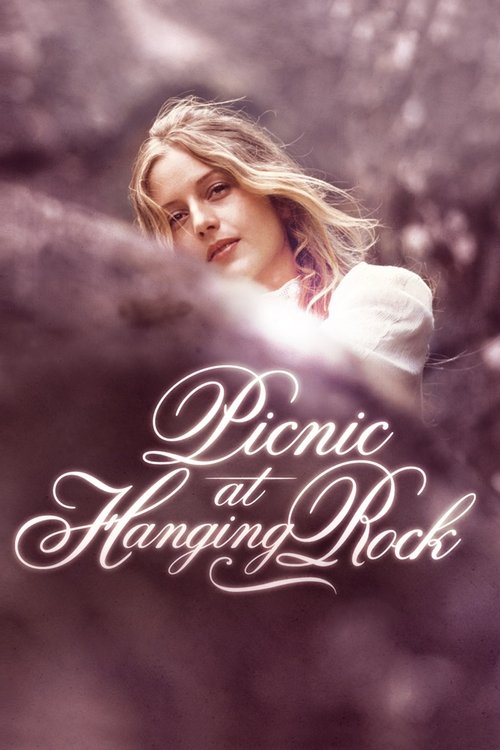
Picnic at Hanging Rock1975
Another sun-struck Australian landscape swallowing the civilised whole — schoolgirls vanish into rock instead of desert, but the same eerie sense that nature answers no questions and offers no closure.
But Even more opaque than Walkabout; if you wanted answers here, you'll want them there too, and won't get them.
Wake in Fright1971no page yet
Same year, same country, opposite mood: a schoolteacher's outback detour curdles into a booze-soaked nightmare. Where Walkabout finds grace in the land, this finds only the ugliness men bring with them.
But Deliberately abrasive and mean-spirited — a rough, sweaty watch with none of Roeg's visual serenity.
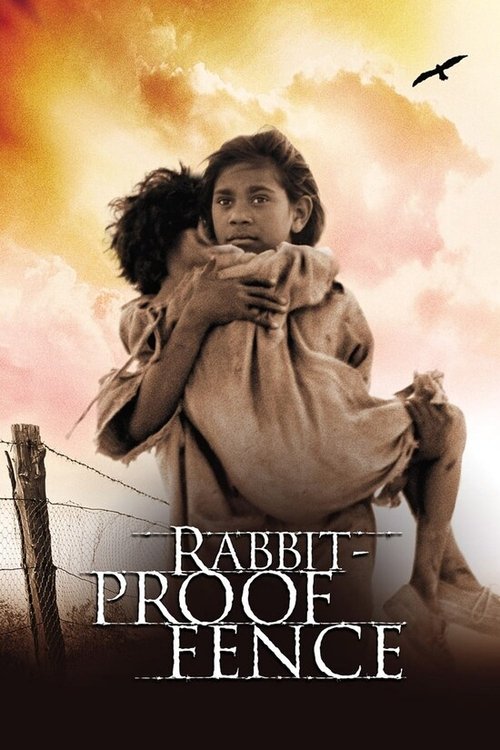
Rabbit-Proof Fence2002
Aboriginal children walking vast distances through the same unforgiving country, but told from their side of history, with real stakes and real anger beneath the beauty.
But More straightforwardly emotional and political — less interested in ambiguity, more in outrage.
The wildcard
Something you would not have found on your own.
Ten Canoes2006no page yet
Gulpilil narrates this one in his own voice and language, flipping the outsider's gaze of Walkabout into an insider telling his own story on his own terms.
A film told entirely in Aboriginal language, narrated with dry comic timing — and narrated, in fact, by David Gulpilil himself, decades after he stood wordless and mythic in Walkabout.
But Subtitled, structurally playful with nested stories-within-stories, and genuinely funny — a big tonal swing from Roeg's solemn beauty.
More like this (8)
The Tracker2002no page yet
David Gulpilil again, decades older, playing an Aboriginal tracker forced to guide white policemen through the bush — a bitter companion piece asking who really knows the land, and who's allowed to.
But Stylised musical interludes and blunt colonial violence make it a harder, angrier film than Walkabout.
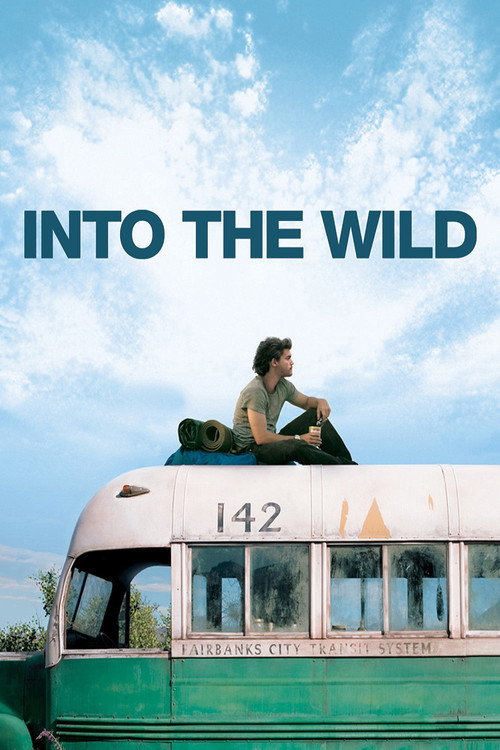
Into the Wild2007
Swap the outback for Alaska and the siblings for one restless young man, but the same question persists: can civilisation's children ever really belong to wilderness, or only visit it?
But Sean Penn's romanticism is far less ambiguous than Roeg's — it wants you to feel something specific, not sit with confusion.
Lord of the Flies1963
Children stripped of adult supervision and civility, left to reinvent the rules of survival — the black-and-white British answer to what Walkabout asks in colour and heat.
But Blunter and more didactic about human nature than Roeg's elliptical approach; it wants a thesis.
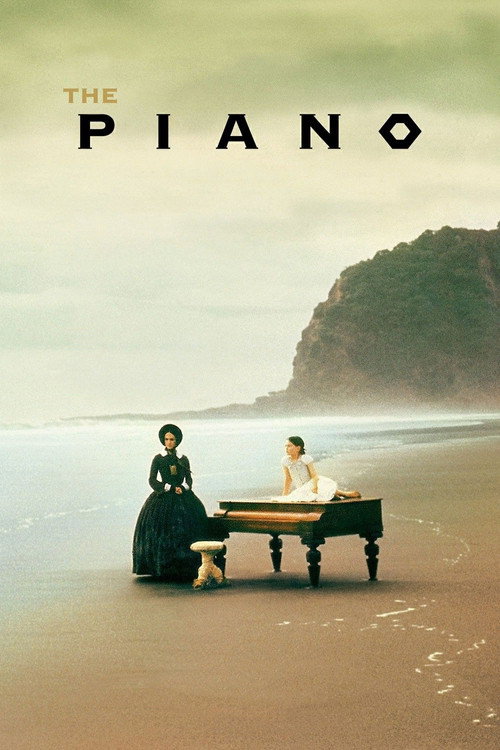
The Piano1993
Jane Campion's colonial New Zealand, another story of communication breaking down across cultures and landscapes, desire arriving sideways rather than through words.
But More explicitly romantic and sexually charged — Walkabout is far more restrained about what its ambiguity might mean.
Samson and Delilah2009no page yet
A contemporary Aboriginal Australian film about two teenagers surviving on their own terms — the walkabout's descendants, in petrol-can poverty rather than postcard wilderness.
But Bleak, almost wordless, and unsentimental about modern Indigenous life — no scenic redemption offered.
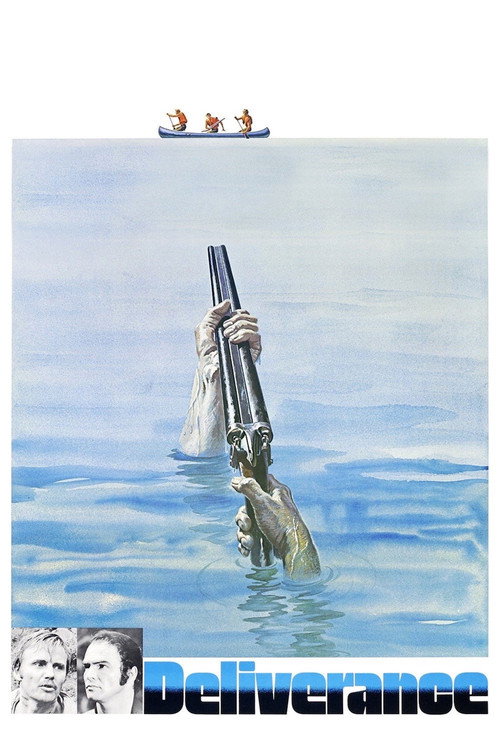
Deliverance1972
City men meet a river that doesn't care about them; the wilderness-versus-civilisation collision turns violent and visceral rather than lyrical.
But Thriller mechanics and macho posturing replace Walkabout's dreamy, symbolic remove.
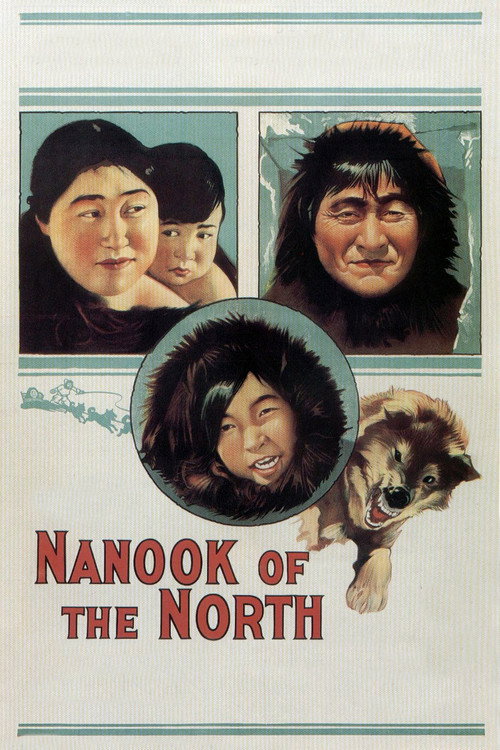
Nanook of the North1922
Same camera hunger for expertise-in-the-wild as visual wonder, but made with none of Walkabout's self-awareness about the gaze doing the looking.
The silent ur-text of "watch someone read a hostile landscape and survive" cinema — an Inuit family's daily competence rendered as spectacle, decades before Roeg pointed his camera at Gulpilil the same way.
But Silent, staged, ethically dicey by modern standards, and paced like nothing you've watched recently.
The Blue Lagoon1980no page yet
Same bones — stranded young people, awakening bodies, nature as backdrop to coming of age — but played as pulp instead of art.
Take Walkabout's premise — children cut loose from civilisation, growing up fast in paradise — and run it through a glossy, trashy, unapologetically horny lens.
But Soft-focus and shallow where Roeg is oblique and troubling; pure melodrama with none of the moral unease.
People
Cast
 Jenny AgutterGirl
- Luc RoegWhite Boy
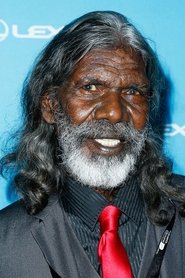 David GulpililBlack Boy
 John MeillonMan
- Peter CarverNo Hoper
- John IllingsworthYoung Man
- Hilary BambergerWoman
- Barry DonnellyAustralian Scientist
 Noeline BrownGerman Scientist
- Carlo ManchiniItalian Scientist
Directing
- Kevin KavanaghAssistant Director
- Annabel Davis-GoffContinuity
- Nicolas RoegDirector
Writing
- James Vance MarshallNovel
- Nicolas RoegStory
- Edward BondWriter
Production
- Anthony J. HopeAssociate Producer
- Max L. RaabExecutive Producer
- Irving ZeigerOther
- Si LitvinoffProducer
- Grahame JenningsProduction Manager
Recommended by
Dersu Uzala, Picnic at Hanging Rock, Into the Wild, Hai to Gensou no Grimgar, The Naked Prey, Rabbit-Proof Fence