
Film
The Blue Lagoon
Other titles called The Blue Lagoon: the 1980 film.
A 1949 British adventure about two orphaned children shipwrecked on a South Pacific island. It's a leisurely, sun-drenched survival story that feels more like a dream than a thriller—meditative, gorgeously shot, and genuinely concerned with how two young people learn to live together in isolation. For those who love character-driven period dramas and patient storytelling.
Should you watch it?
Watch it if you like slow, sun-soaked survival stories told with a naturalist's patience, where the pleasure is watching a small world get built from coconuts, surf and stubbornness rather than from plot.
Skip it if you need brisk storytelling or plenty of dialogue; long quiet stretches of sea and sunlight dominate, and the 1940s studio staging can look stagy.
What it asks of you: a patient, unhurried watch, roughly an hour and forty minutes, that lets long silences and sun-bleached images do the talking, and tension arrives slowly if at all.
Not sure? Find tonight's pick in a minute.
If you liked this
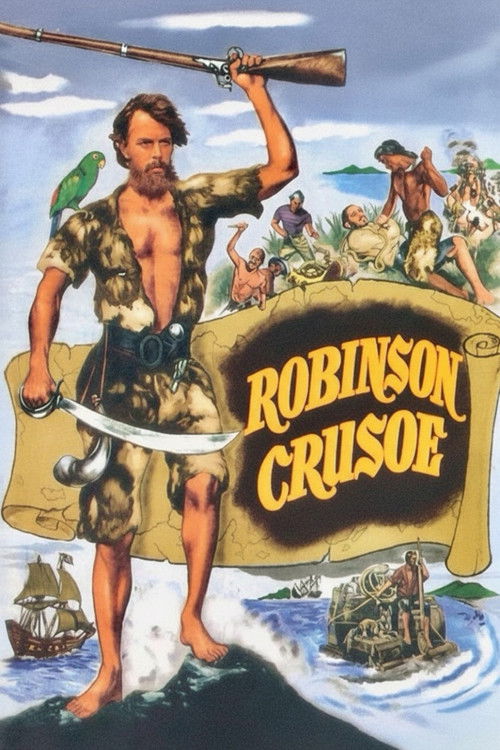
Robinson Crusoe1954
Luis Buñuel's Spanish adaptation captures that same spell of solitude on an island paradise. It's hypnotic and strange, with a dreamlike quality that lingers long after. A masterpiece of isolation and survival.
But It's deliberately paced and philosophical rather than action-driven. Some find Buñuel's approach too slow or too surreal for comfort.
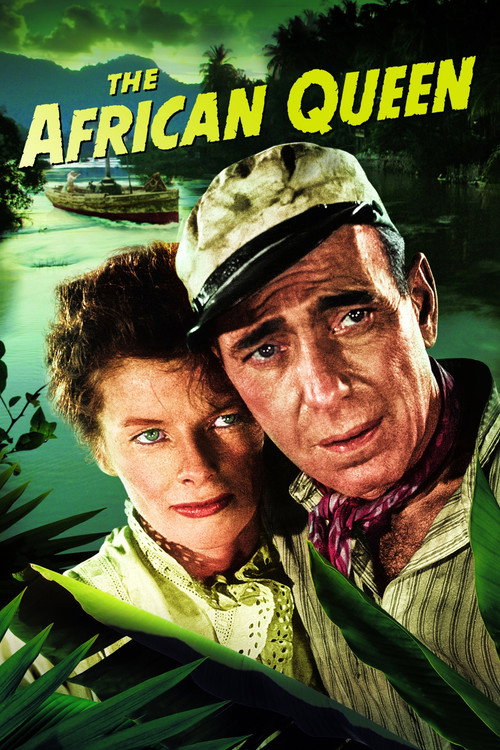
The African Queen1952
Humphrey Bogart and Katharine Hepburn navigate a river through hostile jungle in colonial Africa. It has that same blend of intimate character work, gorgeous location filming, and the peculiar romance that grows between two people thrown together by circumstance.
But The colonial attitudes are very much of its era, and the ending feels safer than the journey deserves.
Lord of the Flies1963
Peter Brook's adaptation of Golding's novel tracks children stranded on an island, but where The Blue Lagoon is gentle and almost fairy-tale, this is survival as moral crucible. Haunting and unforgettable.
But It's bleak and disturbing. There's no comfort in this island, and the descent into chaos is genuinely upsetting.
Not sure tonight? Get a pick in a minute, starting from The Blue Lagoon
The wildcard
Something you would not have found on your own.
La Haine1995
Both use visual beauty and patient observation to follow young people learning to survive in isolation, whether literal or social. Both are about adaptation under impossible circumstances.
Mathieu Kassovitz's three-day odyssey through Paris suburbs following three young men is shot in high-contrast black and white. It has the same patient, observational quality as The Blue Lagoon—watching how people navigate a world not made for them—but in the concrete jungle instead of paradise.
But It's angry and bleak. There's violence and real social fury. It's emphatically not escapist, and the ending is devastating.

More like this (7)
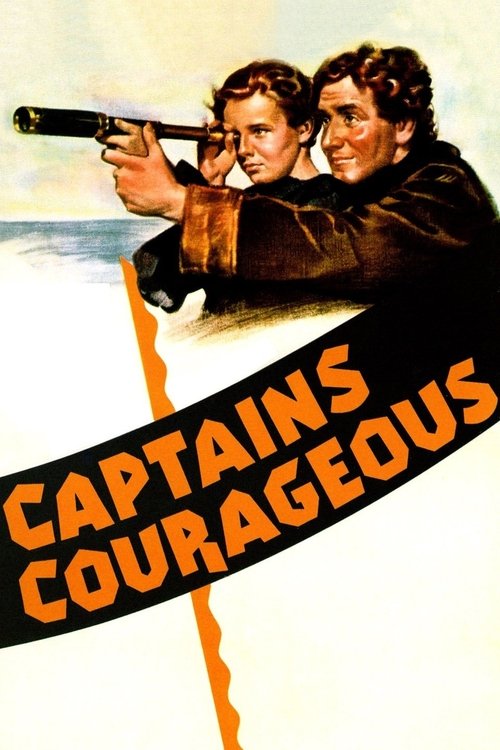
Captains Courageous1937
Spencer Tracy leads a crew of fishermen in this Rudyard Kipling adaptation that captures the same spirit of education-through-adventure. A spoiled boy learns manhood through work and camaraderie on the sea.
But It's heavy-handed in places, and the child actor can grate. The sentimentality about 'building character' feels quaint now.
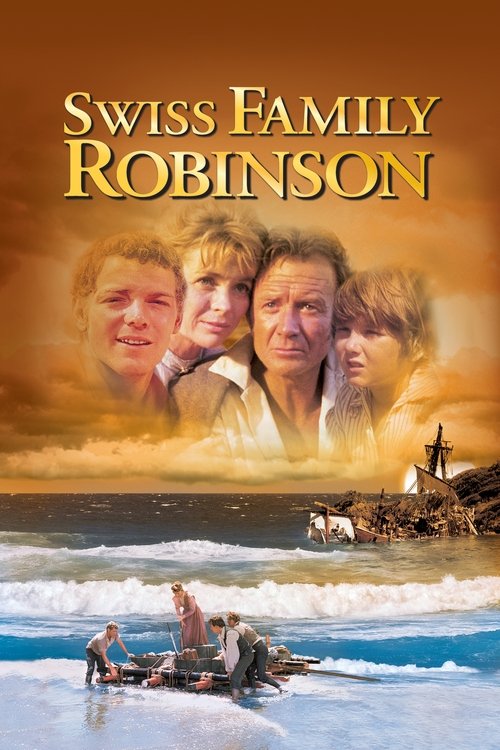
Swiss Family Robinson1960
Disney's version is pure invention and charm—an entire family engineering survival on a tropical island with ingenuity and warmth. It shares the resourcefulness and the sense that nature can be both provider and playground.
But It's relentlessly cheerful and simplistic. Real survival is messier, hungrier, and far less fun than this suggests.
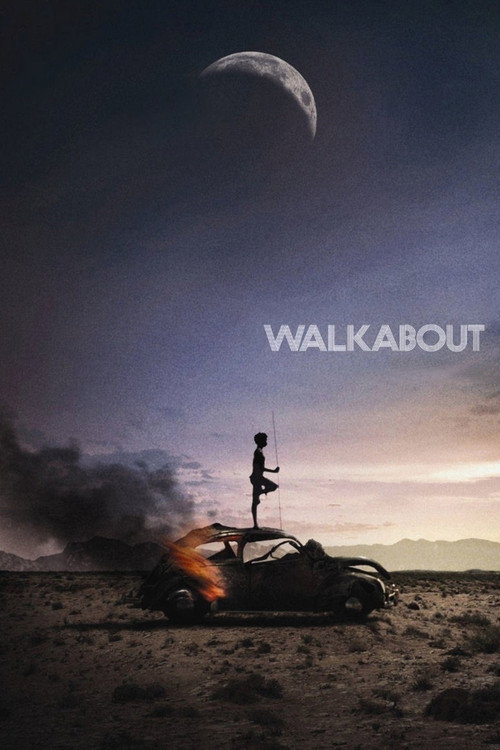
Walkabout1971
Two white children survive in the Australian outback with help from an Aboriginal boy. Nicolas Roeg shoots the landscape as character, and the film has a meditative, almost sacred quality about humans learning to live within nature rather than against it.
But It's slow and visual rather than narrative-driven. The sexual awakening subplot feels dated and uncomfortable now.
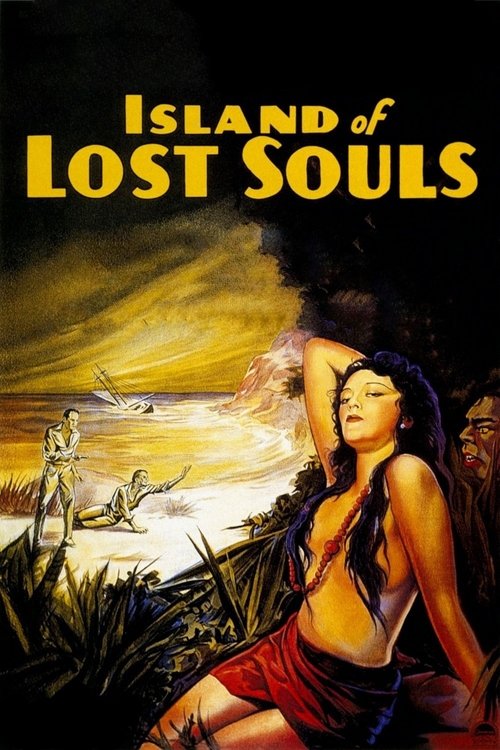
Island of Lost Souls1932
Charles Laughton presides over a nightmarish tropical island in this adaptation of H.G. Wells. It proves the island setting can hold pure horror—a fascinating counterpoint to The Blue Lagoon's paradise.
But It's genuinely unsettling and visceral. Not comfort viewing, and the dated special effects won't convince everyone of the threat.
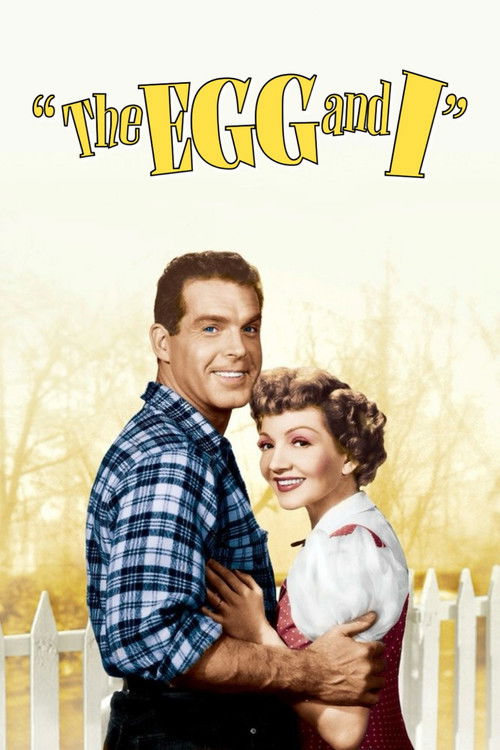
The Egg and I1947
Claudette Colbert in the Pacific Northwest learning frontier life from Cary Grant. Similar gentle comedy about adaptation and romance between two people learning to live together in unfamiliar terrain.
But The tone is frothy and dated. The gender politics are very 1940s, and some will find it saccharine.
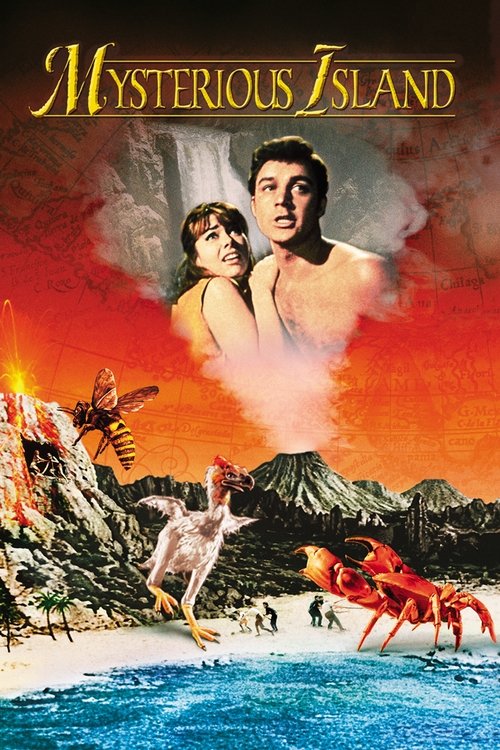
Mysterious Island1961
Jules Verne adaptation with Ray Harryhausen's stop-motion creatures. A group survives on a hidden volcanic island in the South Pacific, full of wonder and invention. Earnest, imaginative, deeply weird.
But The special effects look old even by 1961 standards. The plot meanders, and it trades in adventure-serial plotting rather than character depth.
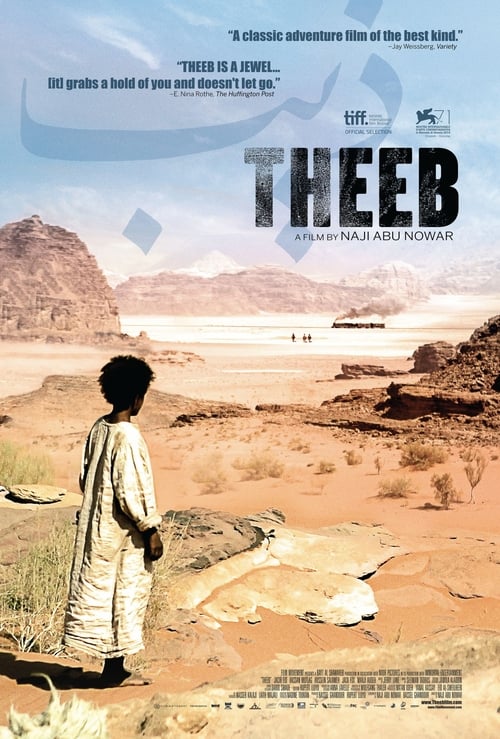
Theeb2014
Both are period survival stories told through the eyes of youth, both use landscape as a character, and both find quiet poetry in isolation and learning to coexist with a stranger.
A Bedouin boy journeys across the Arabian desert during World War I with a British soldier. Shot in actual desert locations with stunning natural cinematography, it's a survival story about adaptation, trust, and cultural collision—meditative and elegantly paced like the best 1940s cinema.
But It's deliberately slow. There are long stretches of landscape and silence. Dialogue is minimal and subtitled, and narrative takes a back seat to atmosphere.
People
Cast
 Jean SimmonsEmmeline Foster
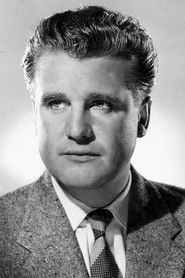 Donald HoustonMichael Reynolds
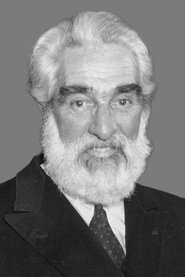 Noel PurcellPaddy Button
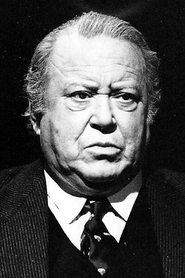 James HayterDr Murdock
 Cyril CusackJames Carter
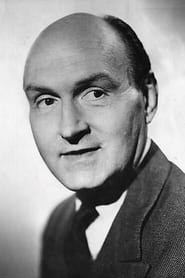 Maurice DenhamCaptain
- Philip StaintonMr. Ansty
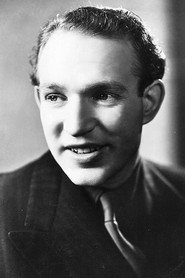 Patrick BarrMr Bruce
 Russell WatersCraggs
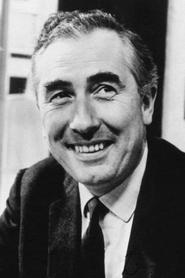 Peter JonesMichael-child
 Susan StranksEmmeline--As A Child
- Peter Rudolph JonesMichael, as child (as Peter Jones)
Directing
- Parry Jones Jr.Assistant Director
- Frank LaunderDirector
Writing
- Henry De Vere StacpooleNovel
- Frank LaunderScreenplay
- John BainesScreenplay
Production
- Frank LaunderProducer
- Sidney GilliatProducer