
Film
Theeb
Theeb is a Jordanian Western set in 1916's Arabian Desert, following a young Bedouin boy's harsh initiation into adulthood during the Great Revolt. Shot with stunning minimalism, it's contemplative and tense, letting landscape and silence do the storytelling. For those who love slow-burn character studies and revisionist takes on familiar genres.
If you liked this
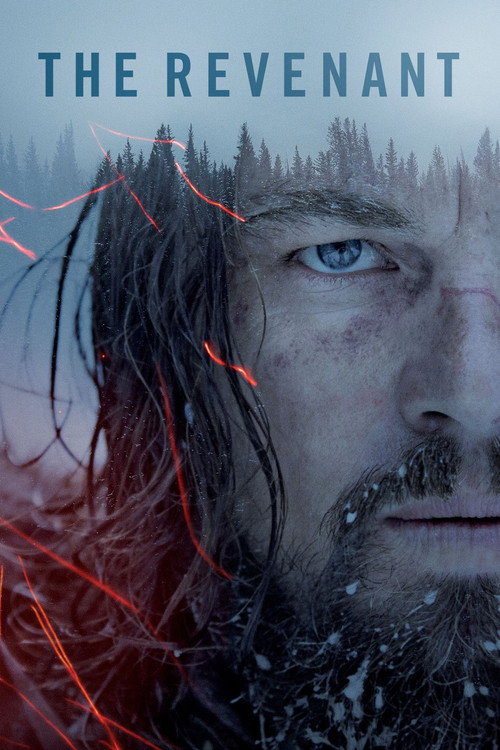
The Revenant2015
Another survival odyssey where landscape becomes antagonist and character. DiCaprio's struggle against wilderness mirrors Theeb's against desert and circumstance, with similarly breathtaking cinematography and minimal dialogue.
But Brutally paced and repetitive by design; if you need plot momentum or conventional drama beats, this will feel glacial.
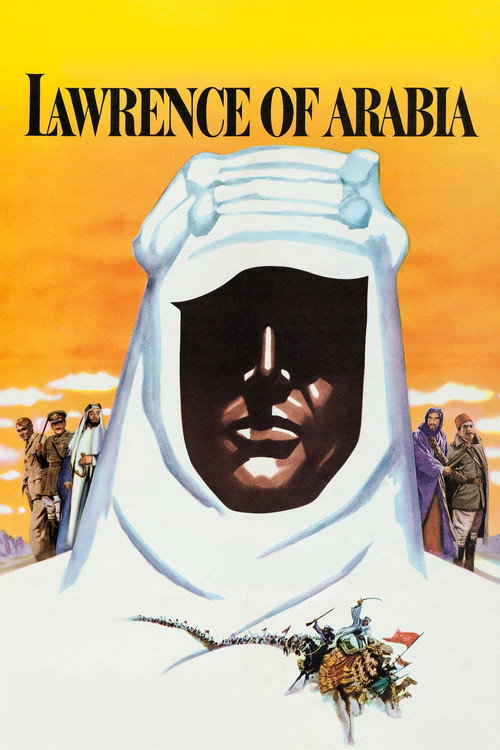
Lawrence of Arabia1962
The grand predecessor to Theeb's intimate take on the same conflict and region. Lean's epic vision of the Desert Revolt provides essential context and contrast to this film's stripped-down perspective.
But Nearly four hours long and deliberately theatrical in ways Theeb explicitly rejects. The scale might work against understanding this film's deliberate smallness.
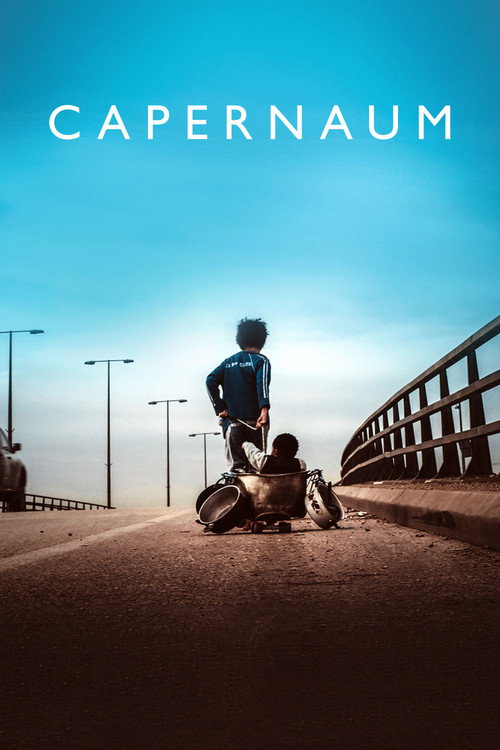
Capernaum2018
Another Middle Eastern coming-of-age story where a child navigates a hostile world with few allies. Dardenne-adjacent in its unflinching observation and refusal to sentimentalize poverty or hardship.
But Set in Beirut's slums rather than desert, with a very different tonal register—rougher, angrier, less poetic in its despair.
Not sure tonight? Get a pick in a minute, starting from Theeb
The wildcard
Something you would not have found on your own.
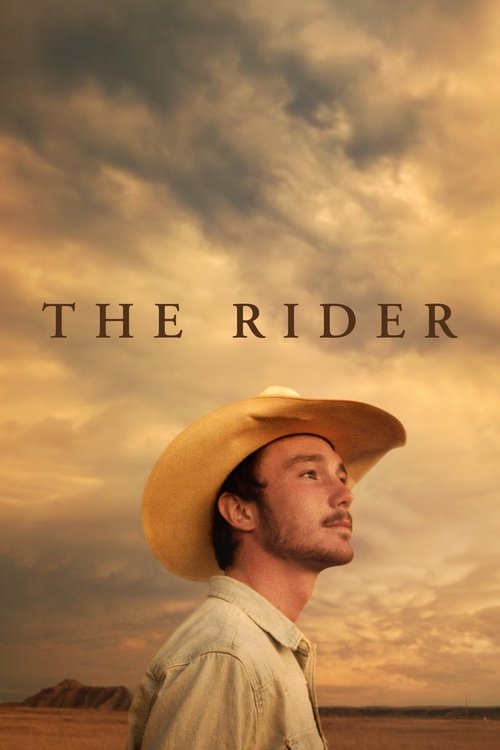
The Rider2018
Both films use the Western/frontier framework to explore how trauma and displacement force premature adulthood on young men with no choice in the matter.
Zhao's film shares Theeb's refusal to glamorize hardship and its use of non-professional actors in landscapes that dwarf them. Both are quiet meditations on masculine vulnerability disguised as Western toughness, set among cultures outsiders don't understand.
But Grievously slow and shot in handheld documentary style. Modern South Dakota instead of 1916 desert; some find it boring rather than contemplative.
More like this (8)
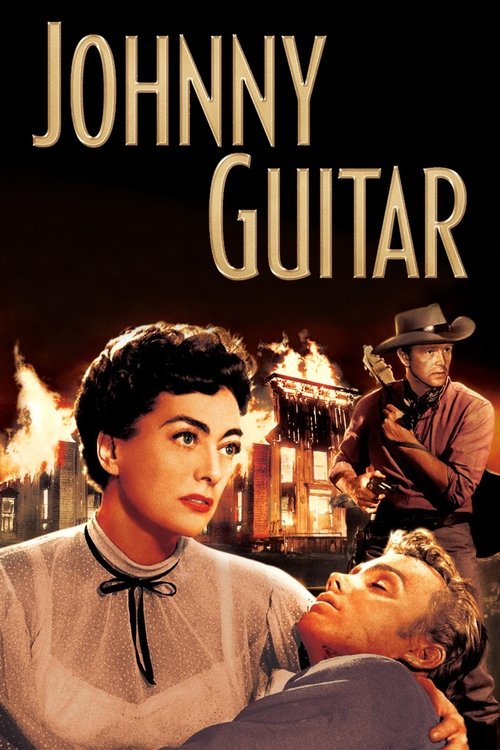
Johnny Guitar1954
Ray's revisionist Western upends genre expectations just as Theeb does, stripping the myth to reveal something stranger and more human beneath. Both find tragedy in desolate spaces.
But Aggressively stylized and weird; the 1950s melodrama register may feel distant from Theeb's documentary-like restraint.
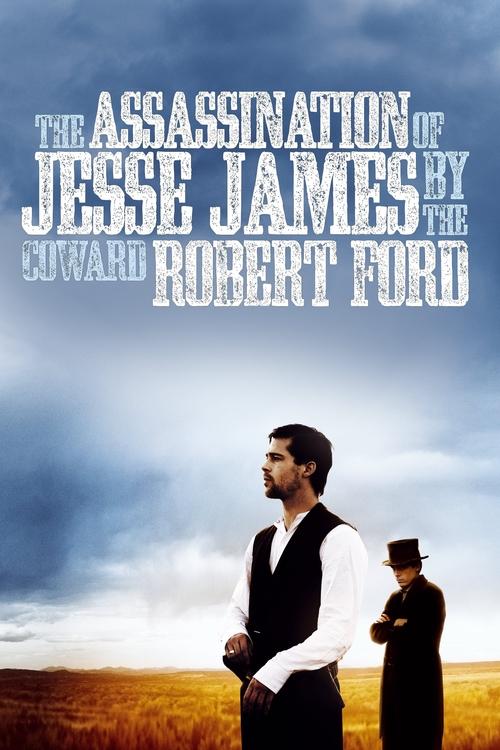
The Assassination of Jesse James by the Coward Robert Ford2007
Deakins' cinematography and Dominik's obsessive focus on atmosphere over action create a Western of psychological depth. Like Theeb, it trusts images over exposition.
But Three-and-a-half hours of mounting dread. Some find it suffocating rather than meditative; Pitt's performance is deliberately opaque.
A Prophet2009
Audiard's study of a young man's education in a hostile closed world—prison instead of desert. The same unflinching attention to how innocence dies and survival calculus shifts.
But Prison violence and sexual assault are central; far more overtly brutal than Theeb's psychological cruelty. The urban setting and thriller structure are completely different.

Stalker1979
Tarkovsky's philosophical journey through a mysterious zone parallels Theeb's physical one. Both films move at their own hypnotic pace and trust viewers to find meaning in silence and landscape.
But Science fiction abstraction and philosophical metaphor make it harder to access than Theeb. Some viewers find it impenetrable rather than meditative.

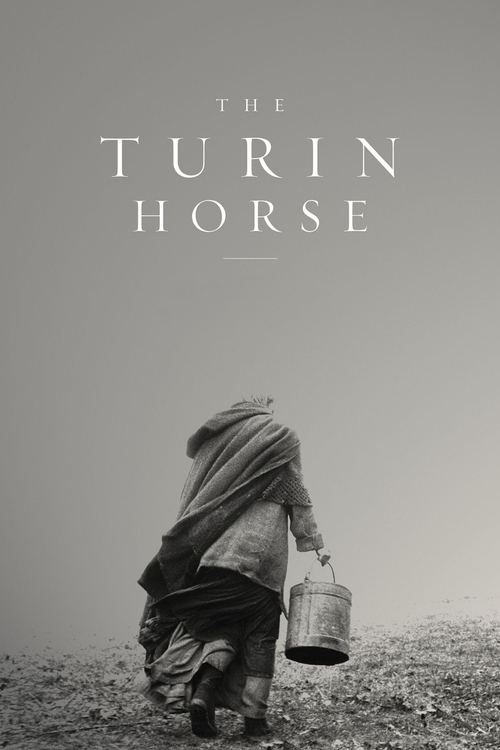
The Turin Horse2011
Béla Tarr's apocalyptic final film shares Theeb's bleak vision and aesthetic austerity. Two figures in an indifferent landscape, moving toward an inevitable conclusion without illusion.
But Aggressively black-and-white and expressionistic. The despair is almost abstract; very few will find this cathartic rather than punishing.
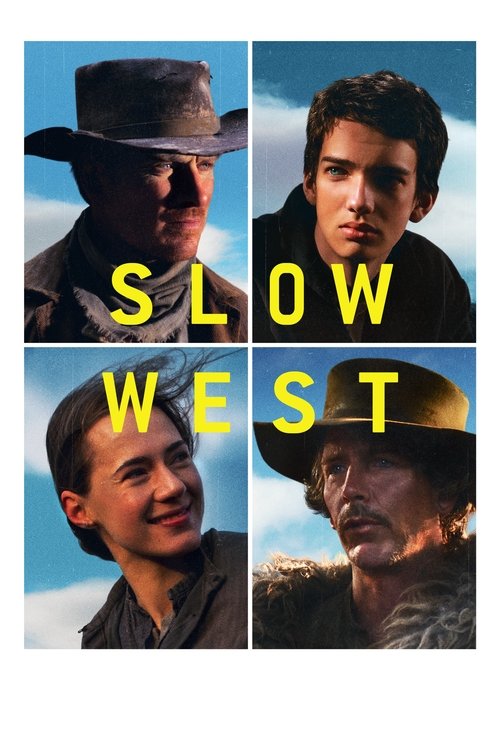
Slow West2015
A revisionist Western following a young man's education through betrayal and violence. Whiplash's composer provides a score that complements rather than explains; Theeb's Jordanian setting finds its Scottish Highlands parallel.
But Considerably more whimsical and mannered than Theeb, with wry humour that undercuts the darkness. Tonal inconsistency may dilute impact.
Wadjda2012
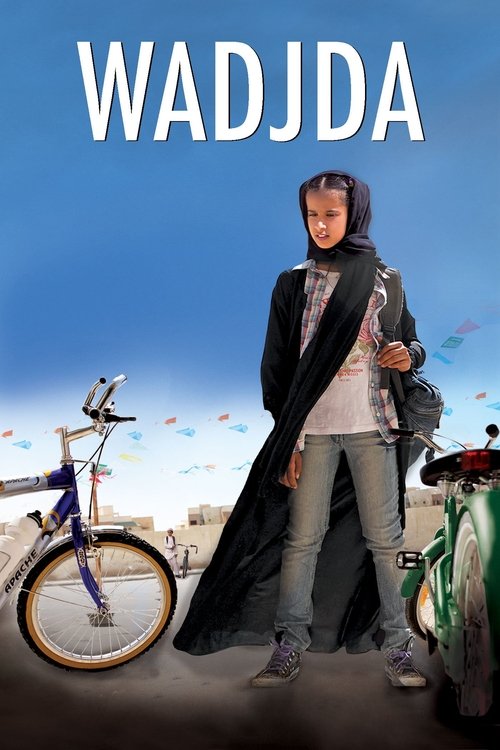
Both are Mideast debuts that use a child's journey against culturally specific terrain to examine how identity and survival intersect. Both refuse to exoticize or explain their settings for Western audiences.
Al-Mansour's film is similarly set in an Islamic culture under external and internal pressures, told through a child's-eye view. Another debut by a regional filmmaker using landscape and cultural specificity to explore universal coming-of-age stakes.
But Shot in Saudi Arabia with a girl protagonist and a lighter, more optimistic register. The tonal shift may feel jarring if you're expecting Theeb's bleakness.
Come and See1985
Both track a boy's initiation into manhood through betrayal and bloodshed. Both refuse catharsis or redemption—the journey transforms him into something harder, and that's all there is.
Elem Klimov's WWII masterpiece and Theeb are the only two films that authentically capture how quickly childhood ends under siege. Uncompromising study of how war conscripts innocence and destroys it.
But Soviet film from 1985; black-and-white, brutally graphic, and one of cinema's most harrowing experiences. Not a film you 'enjoy.' Some find it exploitative rather than necessary.

People
Cast
- Jacir Eid Al-HwietatTheeb
- Hassan Mutlag Al-MaraiyehThe Stranger
 Jack FoxEdward
Directing
- Naji Abu NowarDirector
Writing
- Bassel GhandourWriter
- Naji Abu NowarWriter
Production
- Bassel GhandourProducer
- Rupert LloydProducer