
Film
The Immigrant
Other titles called The Immigrant: the 1917 film.
James Gray's lush, melancholic romance follows a Polish immigrant in 1921 New York caught between exploitation and false salvation. Gorgeously shot in period detail, it's a film about desperation, desire, and the gap between rescue and freedom. For anyone moved by character-driven dramas about trapped lives and the people who promise escape.
Should you watch it?
Watch it if you love slow, candlelit character studies where moral compromise matters more than plot, and you don't mind a love story that feels like an old oil painting.
Skip it if you want brisk plotting or a romance that declares itself early; this one is unhurried and mournful, with the dread of its setting never quite lifting.
What it asks of you: Settle in for just under two hours of patient, shadowy scenes where much is conveyed through faces, lamplight and silence rather than dialogue.
Not sure? Find tonight's pick in a minute.
If you liked this
In the Mood for Love2000
Wong Kar-wai's exquisite study of longing and constraint in 1960s Hong Kong. Like The Immigrant, it prioritizes mood and visual beauty over plot, finding tragedy in what people cannot say or do to each other.
But Deliberately paced, almost static. If you need narrative momentum or dialogue-driven scenes, this will feel like watching paint dry.

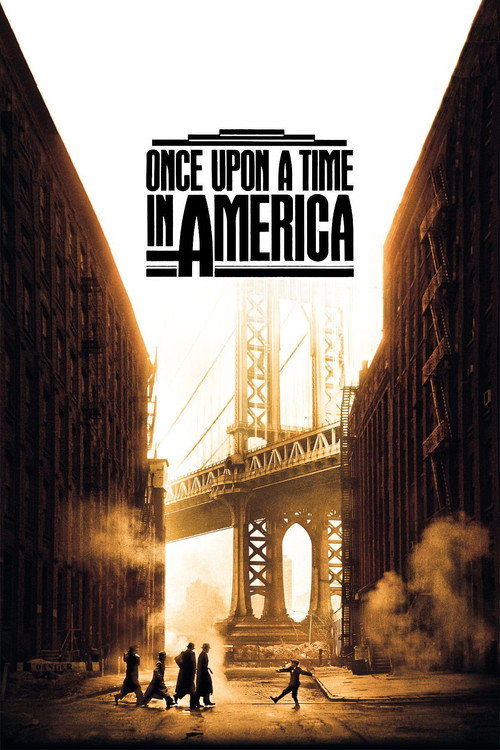
Once Upon a Time in America1984
Sergio Leone's epic meditation on ambition, betrayal, and the American dream's underside. Both films share a nostalgic ache and explore how circumstance traps their characters across decades, with similar moral complexity about survival.
But At 229 minutes, it demands serious patience. The nonlinear structure can confuse; some versions are edited poorly.
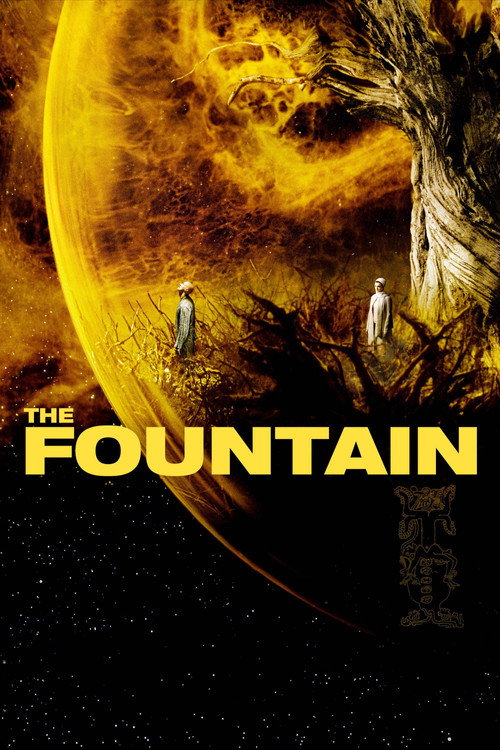
The Fountain2006
Darren Aronofsky's operatic, visually overwhelming film about love across time. Shares The Immigrant's willingness to prioritize beauty and emotion over narrative clarity, and the same sense of impossible longing.
But Wildly divisive. Some find it pretentious; others think it's genuinely moving. You might be in the former camp.
Not sure tonight? Get a pick in a minute, starting from The Immigrant
The wildcard
Something you would not have found on your own.
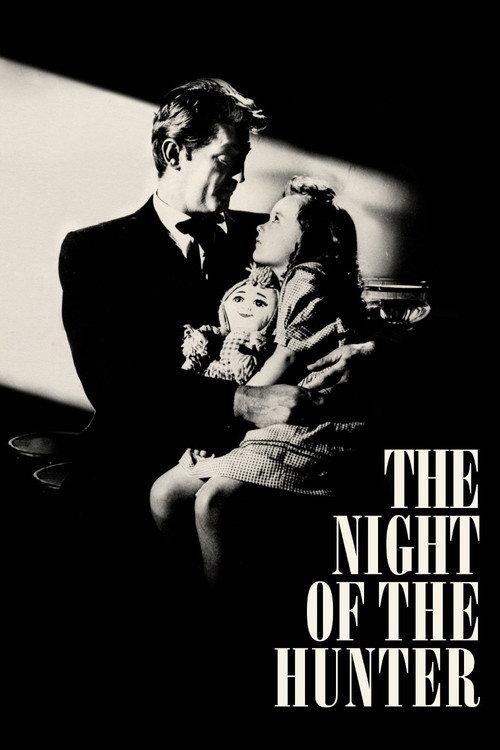
The Night of the Hunter1955
Both are morality plays about exploitation disguised as salvation, told through visual language more than plot. Laughton's magisterial atmosphere and Gray's lush cinematography come from the same impulse.
Charles Laughton's only directorial effort: a fever dream of pursuit and predation. Both films use visual poetry and fairytale darkness to explore how desperation makes people vulnerable to charming villains. Same DNA entirely, different era.
But A 1955 film in black and white, it moves at its own deliberate pace. The theatrical performance style will feel distant if you're used to modern naturalism.
More like this (8)
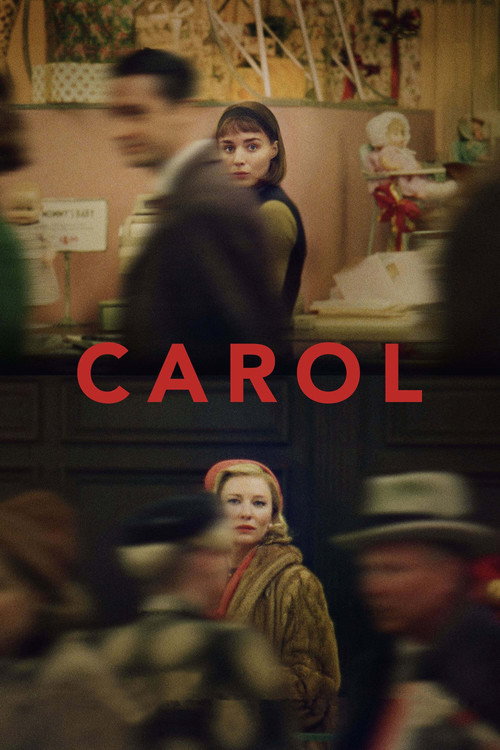
Carol2015
Todd Haynes' restrained period romance about two women and the social forces that keep them apart. The same visual precision, the same focus on desire constrained by circumstance and society's rules.
But Quiet and unhurried. The emotional climax is a glance, not a scene. That subtlety will bore anyone wanting clearer drama.
The Skin I Live In2011
Spanish thriller with the same obsessive visual style and a protagonist whose rescue of another person conceals darker truths. Explores how saving someone and possessing them can be the same act.
But It pivots into genuine horror. If you're expecting a straightforward romance, the twist will feel like betrayal.

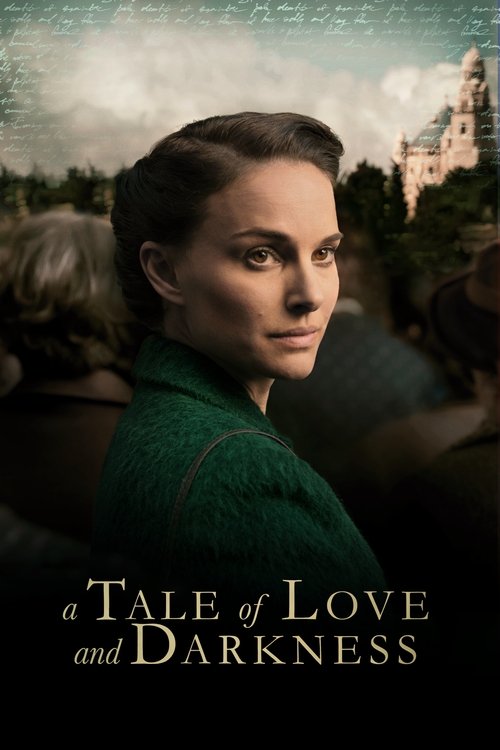
A Tale of Love and Darkness2015
Natalie Portman's adaptation of Amos Oz's memoir, set in 1950s Jerusalem. The same attention to how history and circumstance shape intimate relationships, with similar muted colour palette and lyrical approach.
But Glacially slow and deliberately undramatic. Some viewers find it meditative; others find it airless.
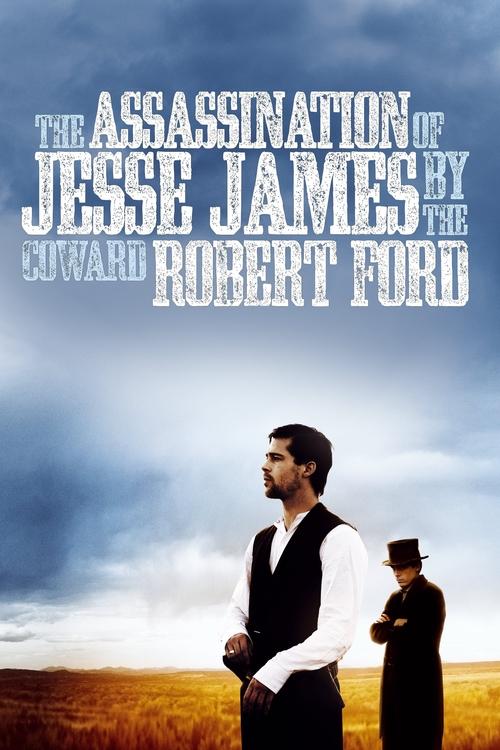
The Assassination of Jesse James by the Coward Robert Ford2007
Slow-burn American period piece about obsession and the gap between fantasy and reality. Shares Gray's painterly visual style and his interest in how admiration can corrupt or destroy.
But Nearly three hours of gorgeous but uneventful filmmaking. If you came for a Western, you'll be frustrated.
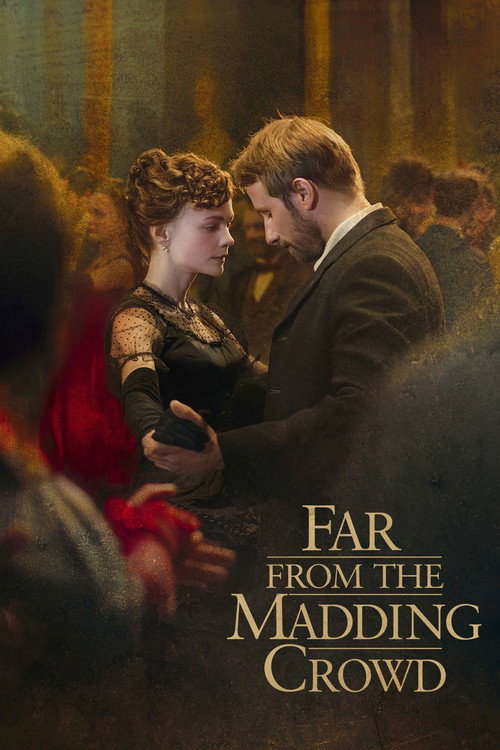
Far from the Madding Crowd2015
Thomas Vinterberg's adaptation emphasizes landscape, emotion, and the constraints placed on women making choices. Less noir than The Immigrant, but the same richness of visual storytelling and trapped desire.
But The rural English setting is quite different in mood. Some find it too genteel compared to the grit of period pieces like this one.
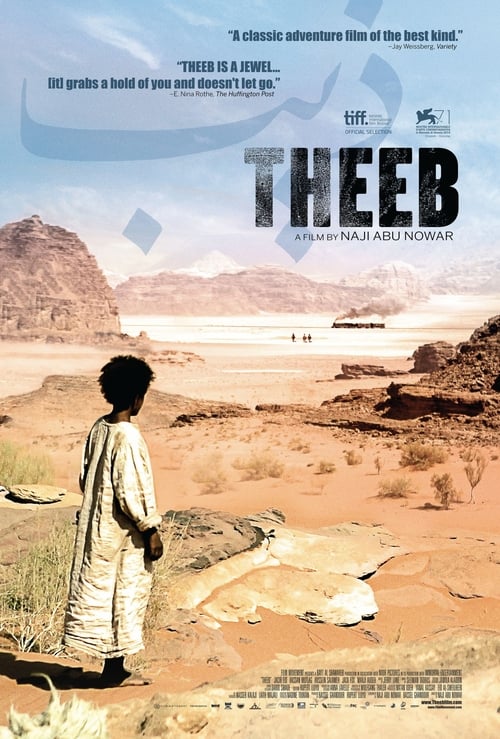
Theeb2014
Jordanian coming-of-age film set during World War I, shot in desert landscapes. Shares the immigrant experience—displacement, moral compromise, beauty amid hardship—in an entirely different context.
But Very sparse dialogue and minimal plot. Long sequences of landscape and silence. Not for those who need constant dialogue or action.
Jeanne Dielman, 23, quai du Commerce, 1080 Bruxelles1976
Both examine how women are trapped by circumstance and others' needs. The Immigrant shows desperation; Akerman shows the daily texture of constraint. Same cage, different angle.
Chantal Akerman's three-hour portrait of a woman's routine and invisible labour. A radical formal choice that finds drama in repetition. Like The Immigrant, it's about a woman's constrained life, but Akerman shows us the hours instead of the crisis.
But Nearly all of it is watching someone cook and clean. If you expect narrative or character development, you will be actively bored.

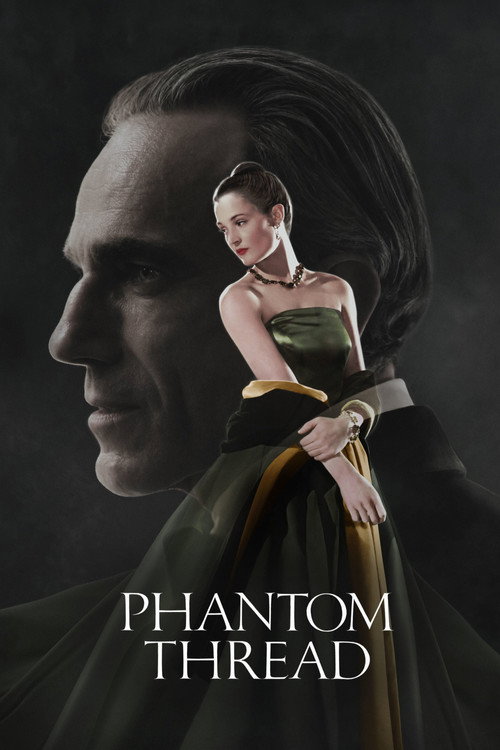
Phantom Thread2017
Both are about beautiful, talented women who have limited choices and powerful men who claim to save them. Phantom Thread is what happens when the woman saves herself.
Paul Thomas Anderson's baroque fashion world romance. Shares The Immigrant's portrait of a woman navigating a powerful man's world, but inverts it—here she has more agency and wit. Same visual obsession, same queasy power dynamics.
But Perversely funny in ways that undercut the romance. If you want to root for the couple, the film keeps suggesting you shouldn't.
People
Cast
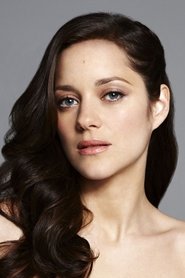 Marion CotillardEwa Cybulska
 Joaquin PhoenixBruno Weiss
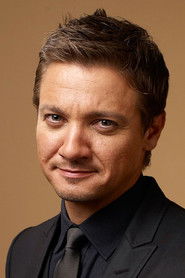 Jeremy Renner"Orlando the Magician" / Emil
 Dagmara DominczykBelva
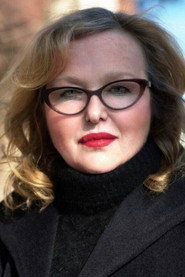 Yelena SoloveyRosie Hertz
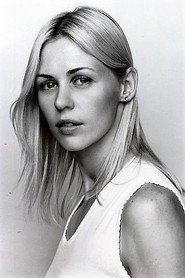 Jicky SchneeClara
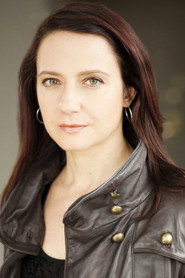 Maja WampuszycEdyta Bistricky
 Ilia VolokWojtek Bistricky
 Angela SarafyanMagda Cybulska
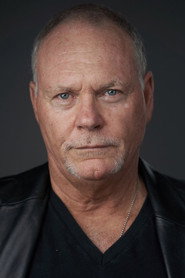 Antoni CoroneCustoms Officer Thomas McNally
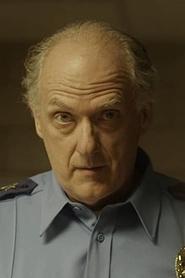 Patrick HustedPriest
 Patrick Holden O'NeillLeo Straub
Directing
- James GrayDirector
- Doug TorresFirst Assistant Director
- Jessica LichtnerScript Supervisor
- Amy LynnSecond Assistant Director
- Jason FeselSecond Second Assistant Director
Writing
- James GrayWriter
- Ric MenelloWriter
Production
- Bruce WinantADR Voice Casting
- Dann FinkADR Voice Casting
- Justin KronAssistant Location Manager
- Amy R. TrachtmanAssistant Production Coordinator
- Doug TorresAssociate Producer
- Paul A. LevinAssociate Producer
- Douglas AibelCasting
- Allison HallCasting Associate
- Henry Russell BergsteinCasting Associate
- Agnès MentreExecutive Producer
- Brahim ChiouaExecutive Producer
- Bruno WuExecutive Producer
- Hoyt David MorganExecutive Producer
- Jacob PechenikExecutive Producer
- Len BlavatnikExecutive Producer
- Maria CestoneExecutive Producer
- Molly ConnersExecutive Producer
- Sarah E. JohnsonExecutive Producer
- Vincent MaravalExecutive Producer
- Grant WilfleyExtras Casting
- Melanie BlockExtras Casting Assistant
- J. Max RuschakFirst Assistant Accountant
- Julie SageLocation Assistant
- Mathew NoackLocation Assistant
- Oliver BrooksLocation Assistant
- Michelle StellaLocation Coordinator
- Gayle VangrofskyLocation Manager
- Trevanna PostPost Production Accountant
- Anthony KatagasProducer
- Christopher WoodrowProducer
- Greg ShapiroProducer
- James GrayProducer
- Kathi ScharerProduction Accountant
- Jennifer CrammerProduction Coordinator
- Tal HarrisProduction Secretary
- John FedynichProduction Supervisor
- Marilou VetterSecond Assistant Accountant
- Anthony KatagasUnit Production Manager
Recommended by
Brooklyn, The Chinese Exclusion Act, Hester Street, Italianamerican, The Woman in the Fifth