
Film
The Chinese Exclusion Act
Ric Burns and Li-Shin Yu's American Experience epic lays out, with the genre's usual unhurried authority, how the United States built its first race-based immigration law and then spent decades enforcing it. It's archival photographs, court documents, and expert voices rather than talking-head drama — a patient, sobering civics lesson for anyone who wants the legal and human machinery of exclusion explained in full, not summarized.
Should you watch it?
Watch it if you want history told through the people who lived it, patient enough to follow decades of paperwork, court cases and family memory until the law's human cost comes into focus.
Skip it if you need a sharper narrative hook than a sweeping overview; at nearly three hours it moves through statutes and cases at a deliberate, survey-style pace.
What it asks of you: Long, unhurried and heavy, with dense legal detail and grim material handled without much levity, so it rewards full attention rather than background viewing.
Not sure? Find tonight's pick in a minute.
If you liked this
Asian Americans2020
This five-part PBS series picks up threads the exclusion documentary leaves dangling and carries Asian American history forward through internment, immigration reform, and the present day. Same institutional rigor, wider lens.
But It moves fast across a huge span of time, so some periods get compressed into a chapter where you might want a whole film.
13th2016
Ava DuVernay's Netflix documentary makes the same core argument in a different register: that American law has repeatedly been engineered to exclude and control a racial group, from the Constitution onward. Urgent, propulsive, hard to look away from.
But It's angrier and more polemical in tone than the measured Burns style — bracing if you want that, jarring if you came for something quieter.
Freedom Riders2010
Another American Experience production, same house style and pacing, following the 1961 bus riders who challenged segregation. If you liked how patiently this film builds its case, this is the same craftsmanship aimed at a different injustice.
But It's a somewhat gentler entry point than the exclusion film's sweep — narrower scope, single campaign rather than decades of legal war.
Not sure tonight? Get a pick in a minute, starting from The Chinese Exclusion Act
The wildcard
Something you would not have found on your own.
Warrior2019
Same setting, same era, same underlying racial hostility — dramatized as pulp adventure instead of sober history, showing how the period's violence can be told as spectacle rather than tragedy.
Based on treatments Bruce Lee wrote decades ago, this pulpy, R-rated Cinemax series is set in 1870s San Francisco Chinatown during the exact tong wars and anti-Chinese violence the documentary describes — but staged as martial-arts crime drama.
But It's stylized, bloody, and unapologetically entertaining where the source history is grim; some may find the genre treatment tonally jarring.
More like this (8)
RBG2018
A crowd-pleasing documentary about a lawyer who spent a career using the courts to dismantle discriminatory law, which is exactly the terrain the exclusion film's Supreme Court sections cover from the other side.
But It's warmer and more celebratory than investigative — closer to hagiography than the unflinching history you just watched.

Slavery by Another Name2012
A PBS documentary on how the South rebuilt racial subjugation through law after emancipation — convict leasing, debt peonage — using the same tactic of legalized exclusion dressed up as neutral policy.
But Its subject matter is even bleaker and more sustained in its cruelty; there's little relief across the runtime.
Eyes on the Prize1987
The foundational civil rights documentary series, made with the same commitment to letting witnesses and archival footage carry the story rather than narration doing all the work.
But It's older television craft — slower rhythms, fewer visual flourishes than documentaries make today.
The Central Park Five2012
Ken Burns and collaborators examine how the legal system and press turned racial panic into railroaded convictions — a smaller, sharper case study in the same machinery of prejudice-as-policy.
But Its focus on one case rather than an entire era might feel narrow after the exclusion film's decades-long scope.
Iron Jawed Angels2004
A dramatized HBO film about the suffrage movement's legal and political fight, showing exclusion from citizenship rights from a different angle, with movie-star performances rather than archival stills.
But It's a scripted drama with modern music and stylistic flourishes that can feel more Hollywood than history.
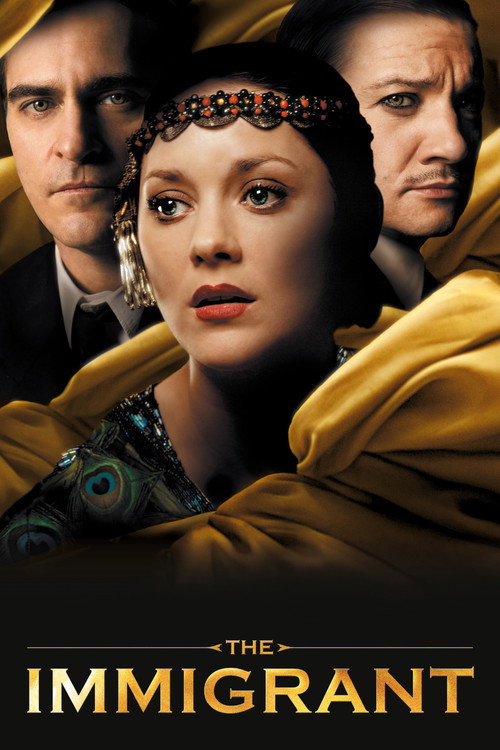
The Immigrant2013
James Gray's fictional drama follows a Polish woman through Ellis Island in the 1920s, capturing the same vulnerability and bureaucratic peril that paper sons and daughters faced on the other coast.
But It's a different immigrant experience entirely, more melodrama than history, and won't teach you anything about the Chinese exclusion laws directly.
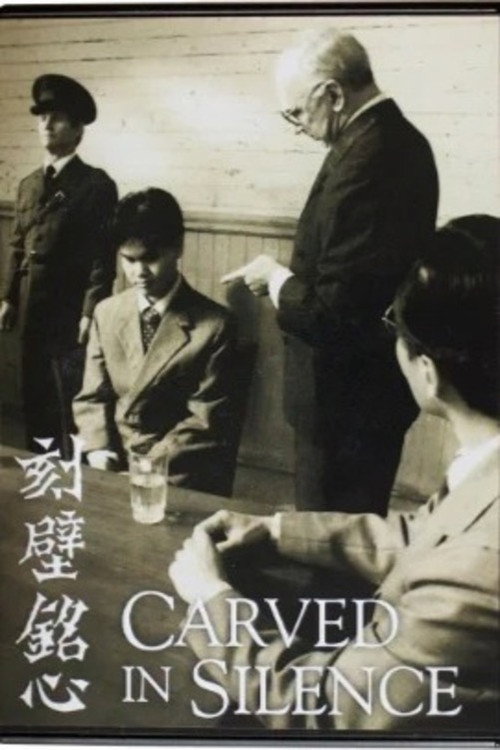
Carved in Silence1987
An earlier, smaller-scale documentary on the identical subject — the paper-son system — made with first-person testimony instead of expert narration, so you get the intimate version this film only gestures toward.
Felicia Lowe's intimate documentary about the Angel Island Immigration Station lets detained paper sons and daughters speak for themselves, decades before this film's grander archival approach existed.
But It's a short, modest, VHS-era production with none of the polish or scale of a modern PBS epic.
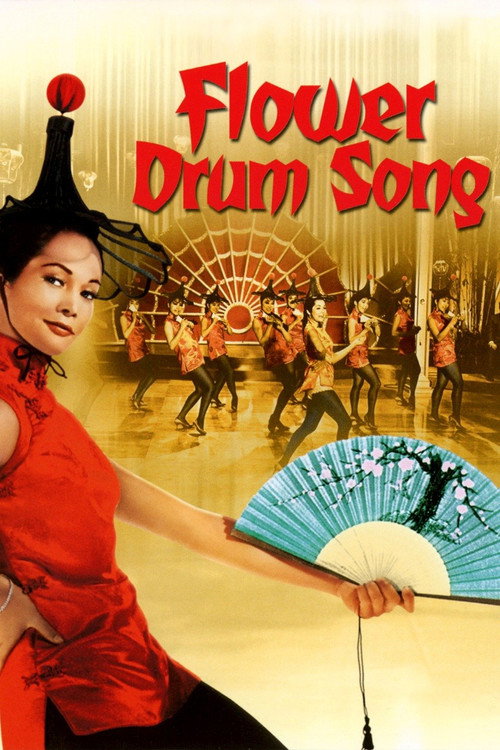
Flower Drum Song1961
The optimistic, song-and-dance version of the community the documentary shows surviving under siege — a mainstream American fantasy of Chinatown life that the history makes look considerably more complicated.
A bright Rodgers and Hammerstein musical about generational tension in San Francisco's Chinatown, made right as exclusion-era immigration restrictions were finally being dismantled.
But It's frothy, dated in its gender politics, and was itself criticized for stereotyping — a real artifact of its moment, not a corrective to it.
People
Cast
 Hoon LeeNarrator

Directing
- Li-Shin YuDirector
- Ric BurnsDirector
Writing
- Ric BurnsWriter