
Film
Carved in Silence
- Western
- Very dark
- Slow-burning
Carved in Silence documents the Chinese immigrant experience at Angel Island, where thousands were detained and interrogated between 1910 and 1940. Using archival footage, interviews with survivors, dramatic reconstruction, and the haunting poetry carved into barracks walls, it renders visible a largely forgotten chapter of American immigration history—one shaped by institutional racism and human resilience.
Should you watch it?
Watch it if you want a history told through the voices of those who lived it, and you are moved by poetry scratched into walls by people with no other way to be heard.
Skip it if you need a tightly plotted narrative or a brisk pace, since this moves slowly through testimony and re-enactments that can feel stiff beside the archival footage.
What it asks of you: Expect a measured, unhurried sitting in which the hard facts arrive in quiet stretches, and give it your full attention rather than half of it on a phone.
Not sure? Find tonight's pick in a minute.
If you liked this
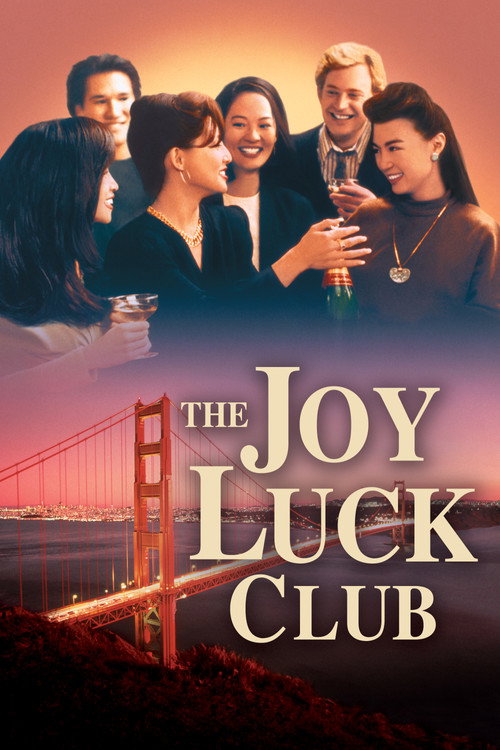
The Joy Luck Club1993
Multigenerational storytelling that honors Chinese and Chinese-American identity through intimate family narratives. It captures the emotional weight of immigration and cultural displacement with nuance and warmth.
But The film softens some edges and can feel more mainstream Hollywood than documentary truth. Some find its structure overstuffed with plotlines.
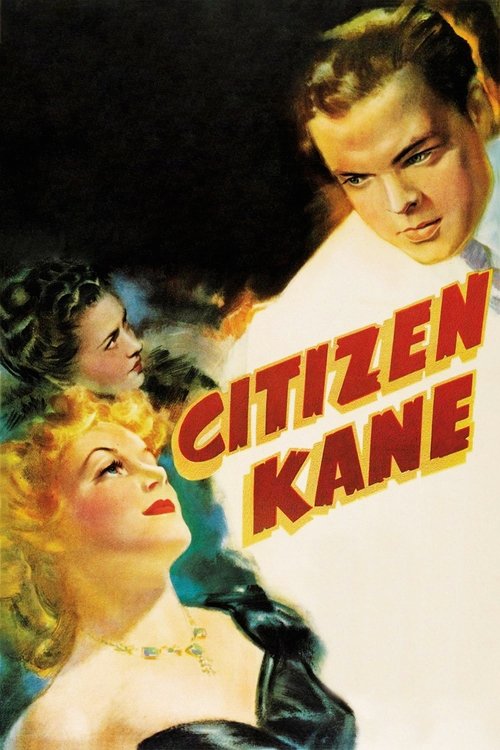
Citizen Kane1941
A masterclass in how cinema can unearth buried history through inventive form. Like Carved in Silence, it uses fragmented narrative and visual layering to recover a life others wanted forgotten.
But Made in 1941 and shot in black-and-white; the pacing and style demand active watching. Its political edge was obscured at release, which some find frustrating in retrospect.
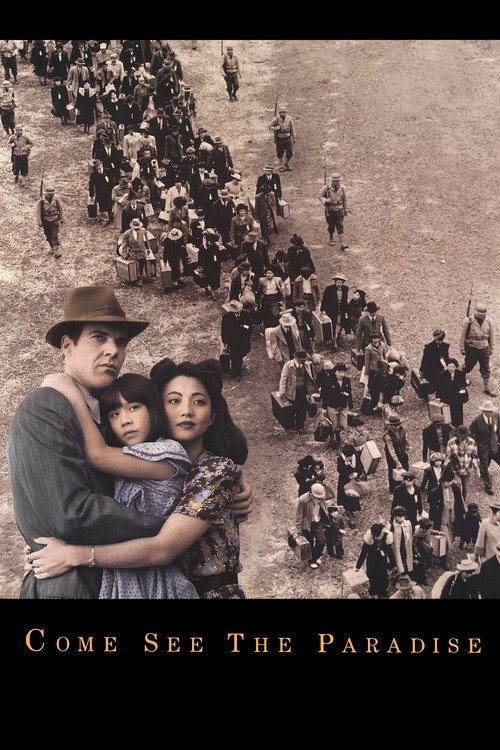
Come See the Paradise1990
A deeply felt romance set against Japanese-American internment camps during WWII. It treats incarceration not as abstraction but as a lived catastrophe that tears families apart.
But Critics divided on whether it centers white experience at the expense of Japanese-American voices. The melodrama occasionally overwhelms the historical weight.
Not sure tonight? Get a pick in a minute, starting from Carved in Silence
The wildcard
Something you would not have found on your own.
Sans Soleil1983
Both use unconventional form—poetry carved in walls, images and voice layered across each other—to make interior immigrant experience visible. Both refuse the comfort of a resolved narrative.
A documentary essay film that refuses plot or interviews entirely. Instead it builds meaning through image, music, and narration—proving that immigrant experience, memory, and alienation can be rendered through pure cinema rather than testimony alone.
But Experimental and deliberately fragmented. No linear story, no narrative satisfaction. Demands active interpretation rather than passive reception.

More like this (8)
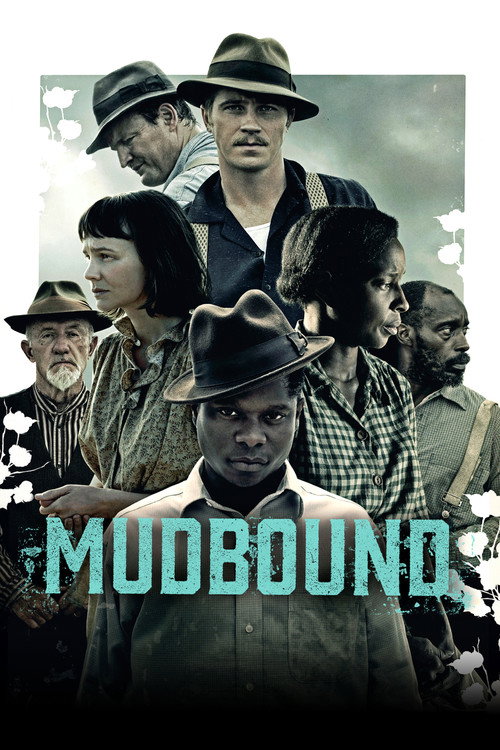
Mudbound2017
A multigenerational American epic that reckons with how racism shaped lives and land. Its formal sophistication mirrors how history lives in bodies and landscape, not just in facts.
But Deliberately paced and visually dense. Some found the plantation setting and racial violence difficult without feeling it went far enough in interrogation.
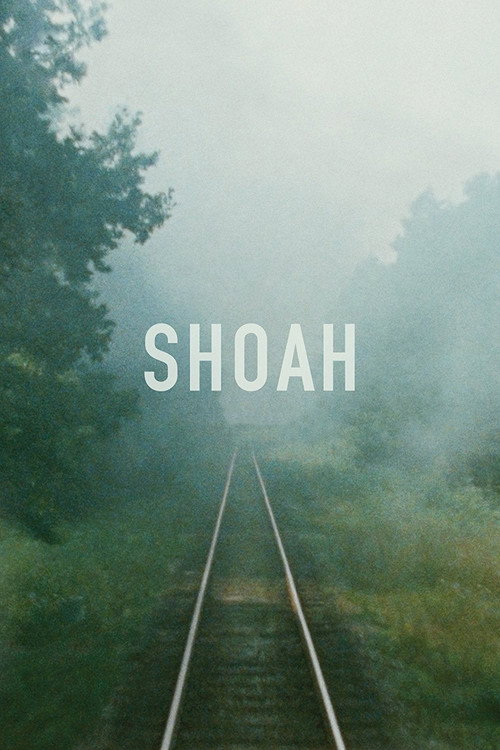
Shoah1985
A nine-and-a-half-hour documentary that lets survivors and witnesses speak at length. It proves that some histories demand time, and that testimony itself is the proper form of remembrance.
But Its length is not negotiable. Many find nine hours of testimony emotionally exhausting, even necessary ones.
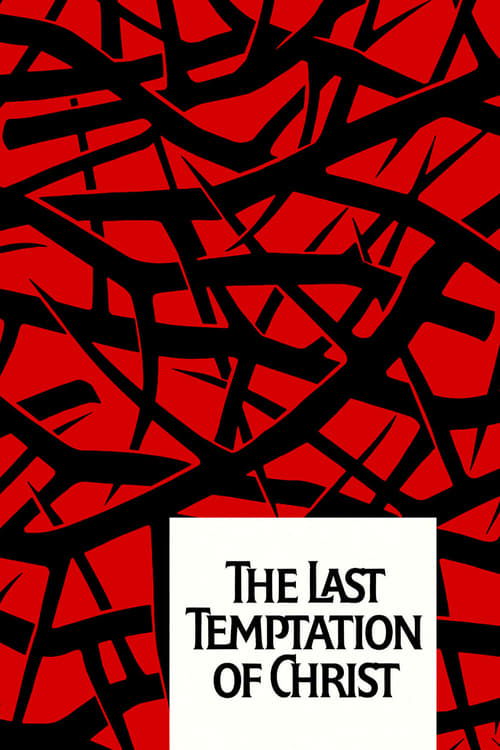
The Last Temptation of Christ1988
Scorsese's controversial retelling centers internal spiritual struggle over received narrative. Like Carved in Silence, it asks us to imagine the private life beneath the official story.
But The religious controversy overshadowed its actual inquiry. If you want straightforward drama, this philosophical wrestling match will frustrate.
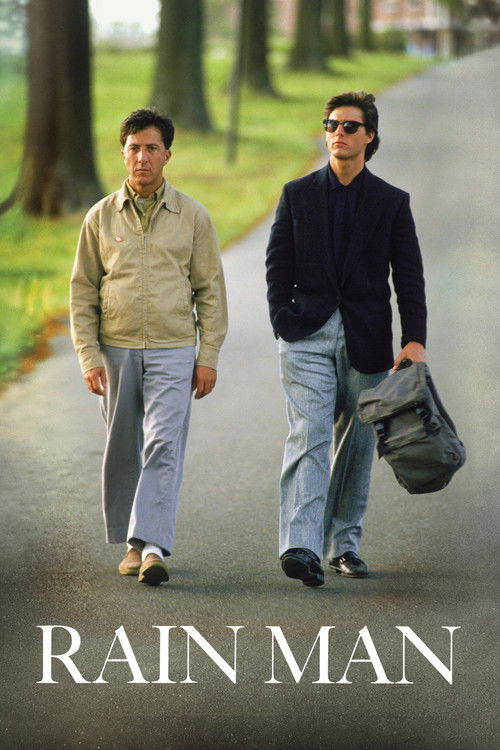
Rain Man1988
A film that uses relationship to explore difference and institutional failure. Dustin Hoffman's performance captures an interiority often denied to marginalized people in mainstream cinema.
But Autism advocates have criticized its portrayal as reductive. The buddy-comedy structure sometimes lightens what deserves weight.
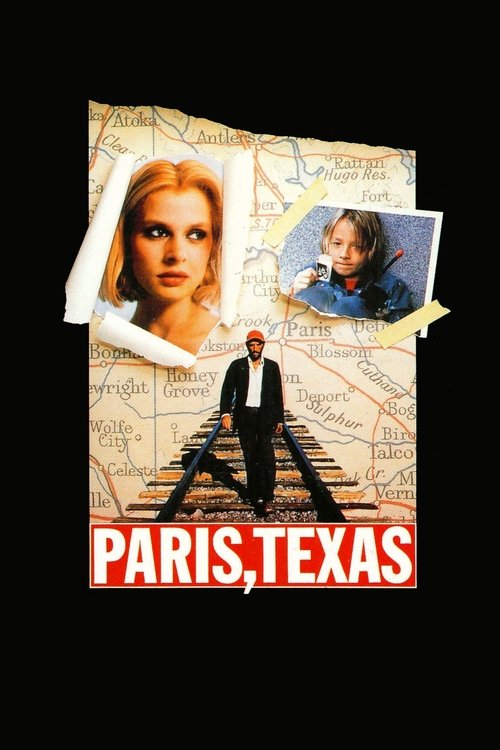
Paris, Texas1984
Wim Wenders' meditation on alienation, memory, and the gap between inner life and expression. Its visual poetry mirrors how trauma lives unspeakably in the body.
But Nearly dialogue-free and glacially paced. Some experience it as beautifully remote rather than moving.
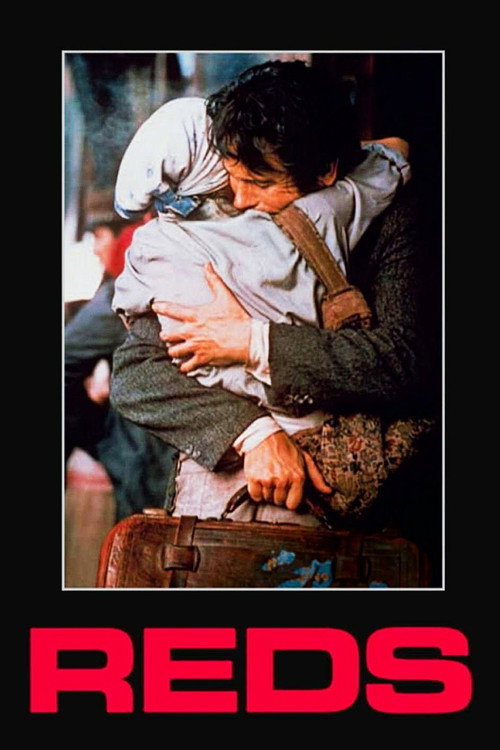
Reds1981
An ambitious political epic that uses interviews with witnesses to validate a story the powerful wanted erased. Epic scope and intimate testimony reinforce each other.
But Three-and-a-quarter hours, and it's Warren Beatty wrestling with his own mythology as much as Lenin's. The personal and historical can feel imbalanced.
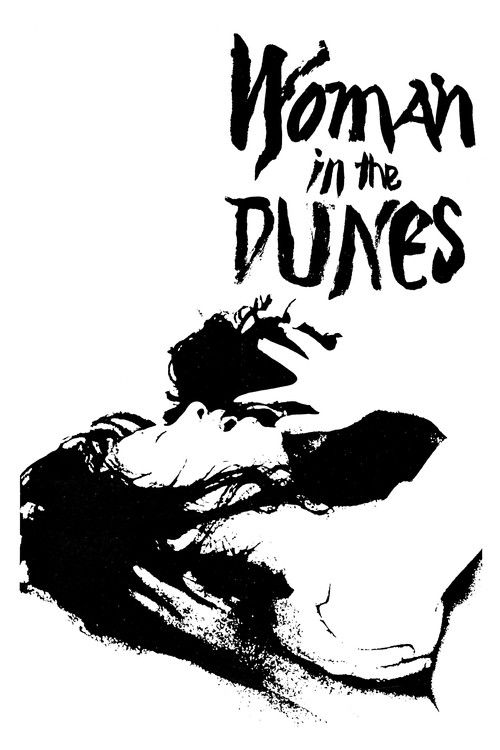
Woman in the Dunes1964
Both dramatize the psychological devastation of indefinite detention and relentless interrogation. Both use formal constraint to mirror institutional constraint. The sand pit is Angel Island inverted into dream logic.
A Japanese film about a man trapped in a sand pit, interrogated endlessly about his identity and origins. It's an existential parable about confinement, systematic humiliation, and the impossible negotiation between self and authority.
But Deliberately surreal and philosophical. It treats confinement as metaphysical rather than literal, which some find bloodless or pretentious.
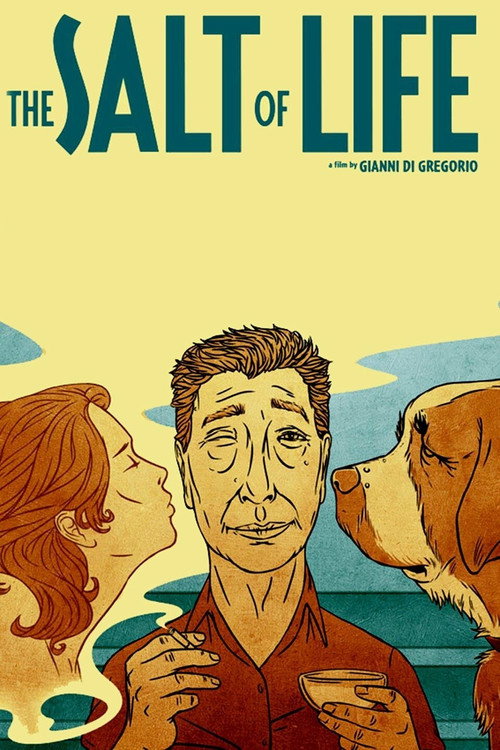
The Salt of Life2011
Both honor the interior lives of people history deemed disposable. Both use beauty and visual precision to insist that forgotten lives still contain depths worth seeing.
Paolo Sorrentino's meditation on aging, memory, and what remains when language fails. An elderly man searches for something he cannot name, moving through a landscape of his own history. Quietly devastating.
But It's almost plotless and absolutely refuses emotional catharsis. Some experience it as inert rather than contemplative.
People
Directing
- Felicia LoweDirector