
Film
Come See the Paradise
Alan Parker's 1990 drama traces an interracial love story across the American home front during WWII. A drifter falls for a Japanese-American woman, they marry and build a life together, then face the machinery of internment camps. It's intimate and political at once—less concerned with spectacle than with how policy destroys ordinary happiness. For viewers interested in how history arrives at the personal level.
Should you watch it?
Watch it if you want a love story braided into a painful chapter of American history, told with lush, old-fashioned craft and a sincere, unhurried sense of romance.
Skip it if you want a light night out, since this is a long, earnest film that stays heavy with history and rarely lets the mood lift for long.
What it asks of you: Two hours and thirteen minutes of unhurried, melodic storytelling where the romance unfolds gradually and the emotional weight builds in quiet, deliberate scenes.
Not sure? Find tonight's pick in a minute.
If you liked this
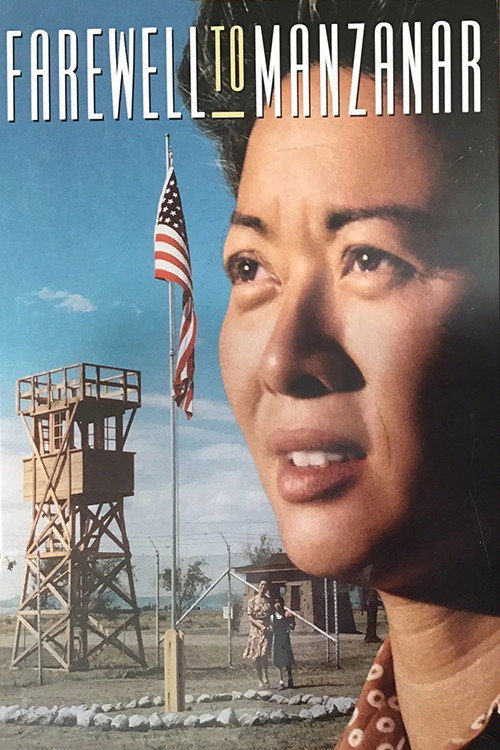
Farewell to Manzanar1976
A television film about a Japanese-American family's experience in an internment camp, grounded in the real memoir. Direct and unsentimental about both the bureaucratic cruelty and the interior life of those imprisoned.
But Made for TV in 1976, so the production values feel modest by today's standards. Some viewers find the pacing deliberate rather than propulsive.
The Mask of Fu Manchu1932
Early Hollywood melodrama where an Asian character—albeit problematic by modern standards—is the protagonist's equal in intelligence and power. Shows how differently cinema once imagined interracial dynamics, for better and worse.
But Steeped in the casual racism of early 1930s cinema. The film is interesting *because* of this historical document quality, not in spite of it, which isn't for everyone.

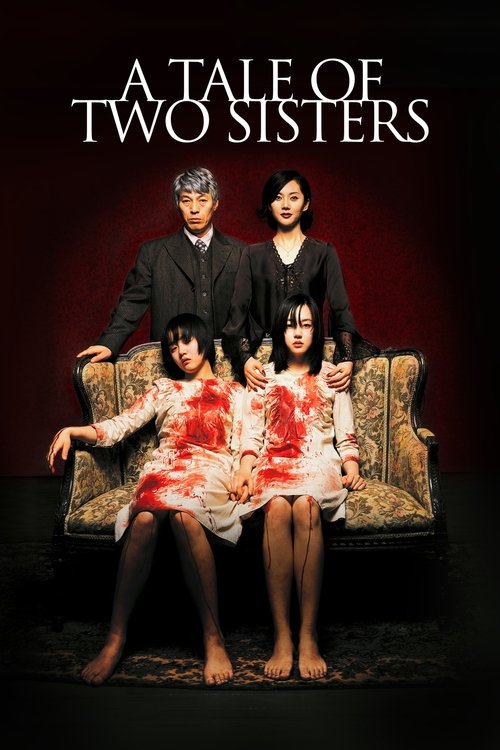
A Tale of Two Sisters2003
A Korean gothic drama about family fracture and the unspeakable things families endure together. Like *Come See the Paradise*, it finds the supernatural in the ordinary, and devastation in intimacy.
But Deliberately paced and cryptic. It doesn't explain itself; some viewers find that rewarding, others frustrating. Not a plot-driven film.
Not sure tonight? Get a pick in a minute, starting from Come See the Paradise
The wildcard
Something you would not have found on your own.
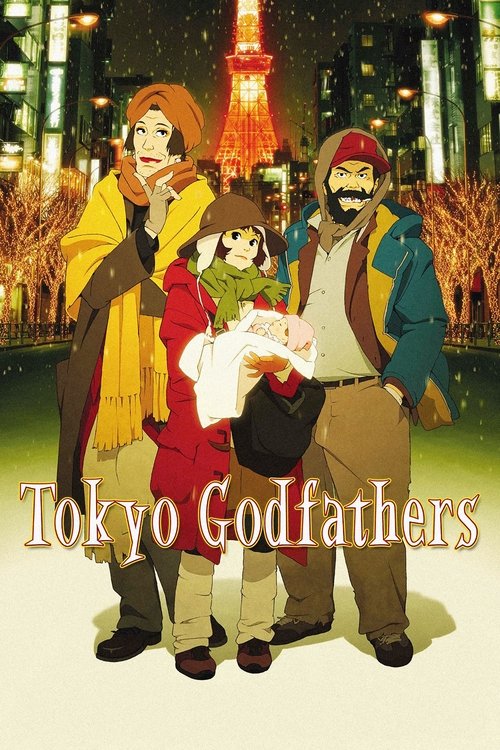
Tokyo Godfathers2003
Both are about people society has decided to erase, and both argue that their love and dignity matter anyway.
An anime film about three homeless people in Tokyo who find an abandoned baby. It's funny and tender and devastatingly sad. The connection: both use a central love or bond to examine how society treats those it deems disposable, but *Tokyo Godfathers* finds comedy and grace in precarity where *Come See the Paradise* finds tragedy.
But It's animated, which some viewers dismiss as lesser, and the tonal shifts between comedy and heartbreak can feel jarring if you're not ready for them.
More like this (8)
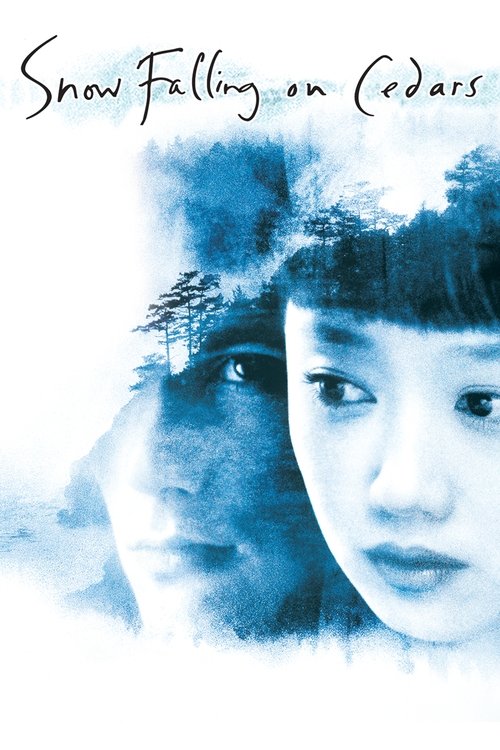
Snow Falling on Cedars1999
Another Pacific Northwest story about Japanese-American internment and a hidden love affair, but filtered through a murder mystery. If you want the historical trauma of *Come See the Paradise* wrapped in narrative momentum, this delivers.
But The mystery plot can feel like a concession to commercial filmmaking. Some find it dilutes the emotional core rather than deepening it.
In Good Company2004
A workplace romance between people of different ages and circumstances, focused on how intimacy navigates real obstacles. Lighter in tone than *Come See the Paradise*, but asking similar questions about love across divides.
But Romantic comedies rarely satisfy viewers who want genuine stakes. This one tries, but the formula can feel like it's pulling against the material.

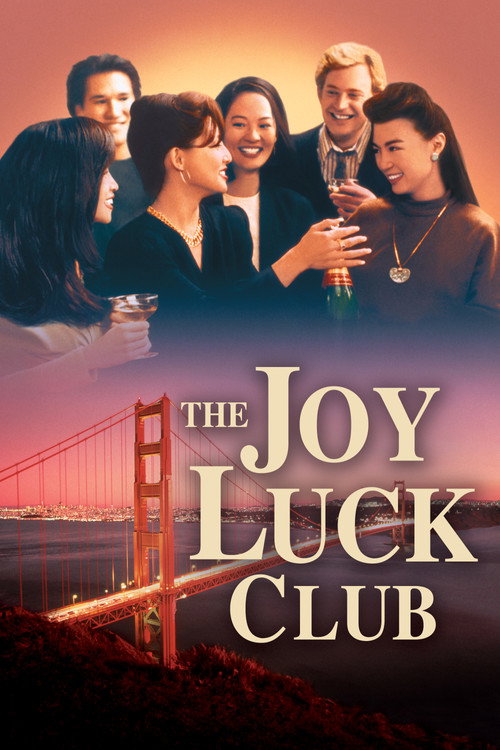
The Joy Luck Club1993
Interconnected stories about Chinese-American women and their mothers, exploring identity, belonging, and the weight of cultural inheritance. Rich ensemble work that honors both the American and Asian sides of the hyphenated experience.
But With four narratives running parallel, some storylines get less attention than others. The film tries to do a lot and not everything lands equally.
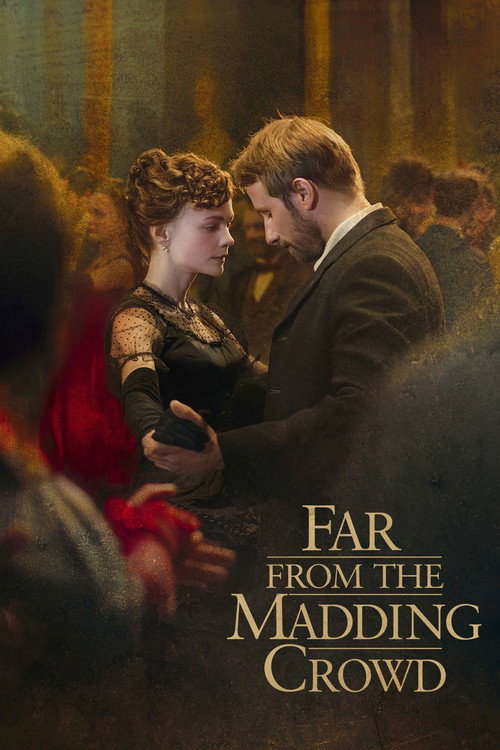
Far from the Madding Crowd2015
A woman chooses her own path despite three men who want to claim her. Like *Come See the Paradise*, it's about the collision between personal desire and forces larger than the self—but here the woman survives and decides.
But The recent BBC version prioritizes visual beauty over narrative drive. If you want plot momentum, you might find yourself impatient.
The Ballad of Little Jo1993
A woman passes as a man to survive in the Old West, and builds a life on her own terms. It shares *Come See the Paradise's* interest in people on the margins of American society, building love despite everything working against them.
But Independent film from 1993 with limited resources. The production is intentionally spare, which some viewers read as haunting and others as thin.

Sunset Boulevard1950
A noir about obsession and power imbalance in Hollywood, using the movie theater world as a setting. It captures the same sense of being trapped by forces beyond your control, though the genre and tone are entirely different.
But Cynical and occasionally cruel. If you're watching *Come See the Paradise* for emotional warmth, this will feel like the opposite direction.

Harakiri1962
Both examine how power systems grind down personal love and agency. *Harakiri* is a samurai film; *Come See the Paradise* is a wartime romance; but both are about watching institutions erase intimacy.
A masterpiece about a samurai who walks into a feudal estate to commit ritual suicide, but the film is really about how institutions destroy individuals. Shot in black and white, visually stunning. The structure is a reverse-engineered tragedy told with devastating control.
But Violent and bleak. The pacing is deliberate—this is a film that makes you wait. If you want catharsis, you won't find it.

The Farewell2019
Like *Come See the Paradise*, it's about the experience of straddling two cultures and losing something in each one. But where *Come See the Paradise* is historical tragedy, *The Farewell* is contemporary and uses humor to hold the pain.
A Chinese-American woman navigates her family's deception about her grandmother's terminal illness. It's a comedy and a heartbreak at once, built on the friction between American individualism and collectivist family loyalty. Smart, funny, and genuinely moving.
But The emotional beats are quiet. It trusts you to understand what's unsaid. Some viewers want more explicit declaration of feeling.

People
Cast
 Dennis QuaidJack McGurn
 Tamlyn TomitaLily Kawamura
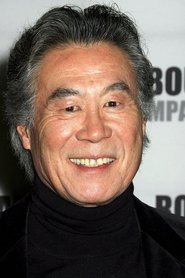 Sab ShimonoMr. Kawamura
- Brady TsurutaniFrankie Kawamura
 Shizuko HoshiMrs. Kawamura
 Stan EgiCharlie Kawamura
- Ronald YamamotoHarry Kawamura
- Akemi NishinoDulcie Kawamura
- Naomi NakanoJoyce Kawamura
- Elizabeth GilliamYounger Mini McGann
- Shyree MezickMiddle Mini McGann
 Caroline Junko KingOlder Mini McGann
Directing
- Alan ParkerDirector
- Aldric La'Auli PorterFirst Assistant Director
- Luca KouimelisScript Supervisor
- Jeff OkabayashiSecond Second Assistant Director
Writing
- Alan ParkerWriter
Production
- Shari RhodesAdditional Casting
- Todd M. ThalerAdditional Casting
- Nellie NugielAssociate Producer
- Lisa ClarksonCasting
- Robert F. ColesberryProducer
Recommended by
Places in the Heart, King in the Wilderness, Carved in Silence, A Time for Burning, Farewell to Manzanar, Sayonara