
Film
Sayonara
A 1957 drama about an Air Force major stationed in postwar Japan who grapples with institutional racism when his men fall in love with Japanese women. Brando wrestles with conscience against protocol in a film both earnest about prejudice and constrained by its era's assumptions. For viewers interested in how Hollywood tackled race and belonging in the Cold War, with romance and moral compromise woven through.
Should you watch it?
Watch it if you are drawn to studio melodrama that treats prejudice and forbidden love as a moral question, and you don't mind a stately pace that lets feelings land.
Skip it if you want a lean, modern take on race, since this is a sentimental, long picture where the politics are earnest and sometimes spoken straight out loud.
What it asks of you: Expect nearly two and a half hours of unhurried scenes, long stretches of talk and courtship, and dialogue that sits with its earnestness rather than hurrying past it.
Not sure? Find tonight's pick in a minute.
If you liked this
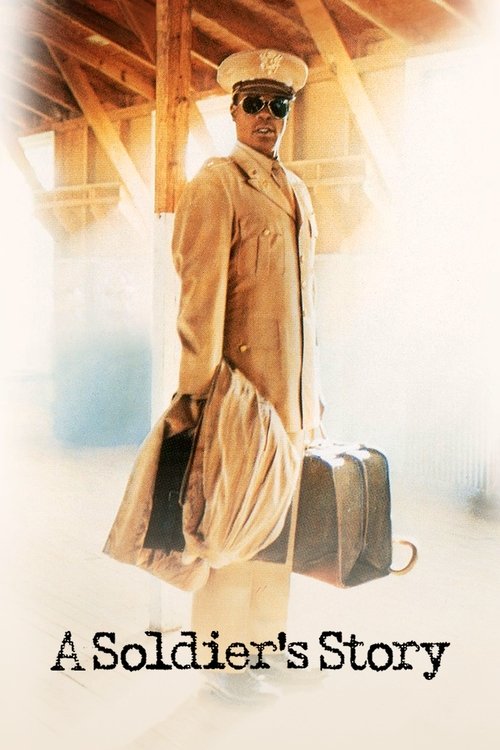
A Soldier's Story1984
Another military drama confronting systemic racism within the armed forces, with a Black officer investigating a murder that exposes deeper institutional hatred. Sharp, angry, and structurally brilliant.
But It's a procedural mystery first and a message second, which means some of the emotional weight gets distributed across plot mechanics rather than concentrated.
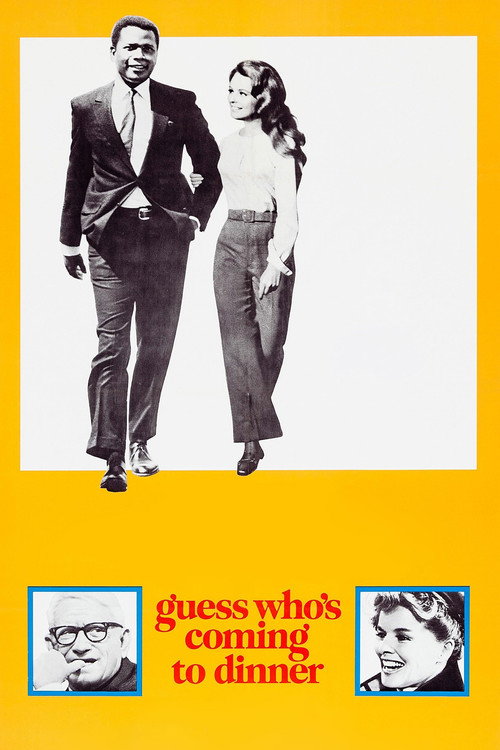
Guess Who's Coming to Dinner1967
Sidney Poitier and Spencer Tracy in a film about interracial marriage that treats the subject with warmth and intelligence. It aged better than many of its contemporaries because it trusts the audience to feel without being lectured.
But The setup is genteel—a wealthy family dinner party—which softens the stakes compared to the real-world hostility the film acknowledges exists.
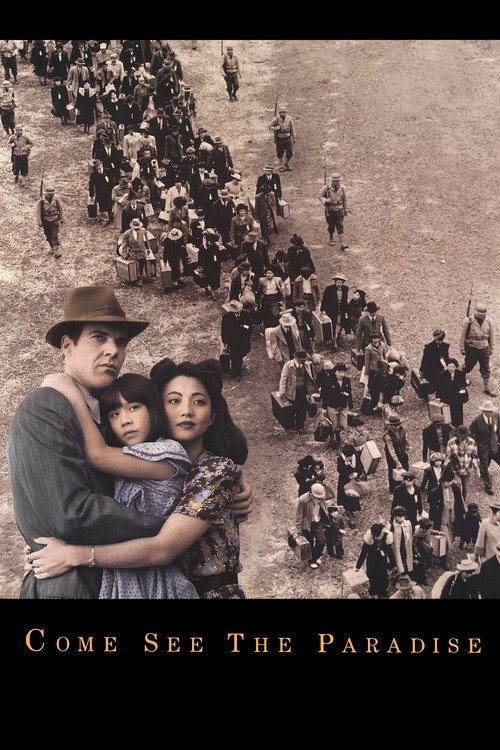
Come See the Paradise1990
A quieter film about an American man and a Japanese-American woman's relationship interrupted by internment camps. It shares Sayonara's interest in how American institutions reshape lives across cultural lines.
But The romance can feel secondary to the historical machinery; some viewers find it dutiful rather than passionate.
Not sure tonight? Get a pick in a minute, starting from Sayonara
The wildcard
Something you would not have found on your own.
Come and See1985
Both are about young soldiers in occupied territory learning that duty and humanity are in collision; Sayonara flinches, this one doesn't.
A Soviet film about a boy conscripted into WWII that becomes an unflinching portrait of war's dehumanization. It shares Sayonara's setting in the Pacific theater of occupation but strips away sentiment entirely, asking what military service does to the soul.
But This is profoundly difficult to watch—graphic violence, psychological devastation, and a refusal to offer comfort. It is not a film for evening relaxation.

More like this (7)
Bend It Like Beckham2002
A lighter film about cultural collision and belonging, but one that handles prejudice—both internal and external—with real affection for all its characters. Funny and genuinely moving.
But The tone is often comedic, which means it won't satisfy anyone looking for the weight and severity of Sayonara.

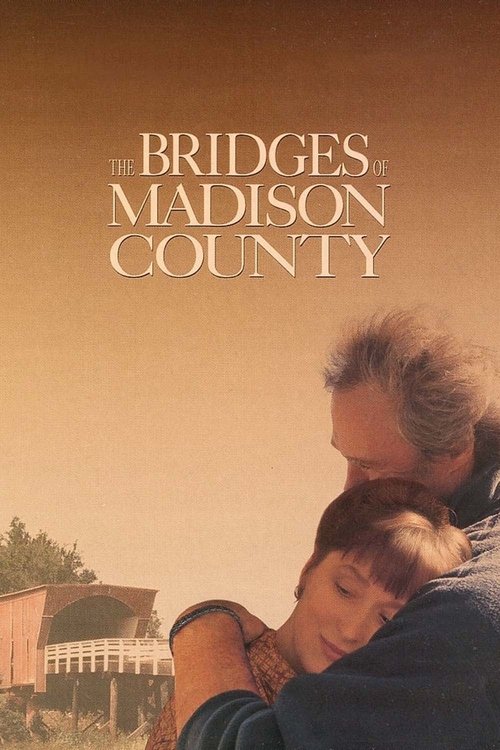
The Bridges of Madison County1995
Clint Eastwood and Meryl Streep in a meditation on duty versus desire. Like Sayonara, it's about characters weighing obligation against passion, and what it costs to choose.
But It's deliberately restrained and interior. If you want external conflict, this will feel small despite its emotional scope.
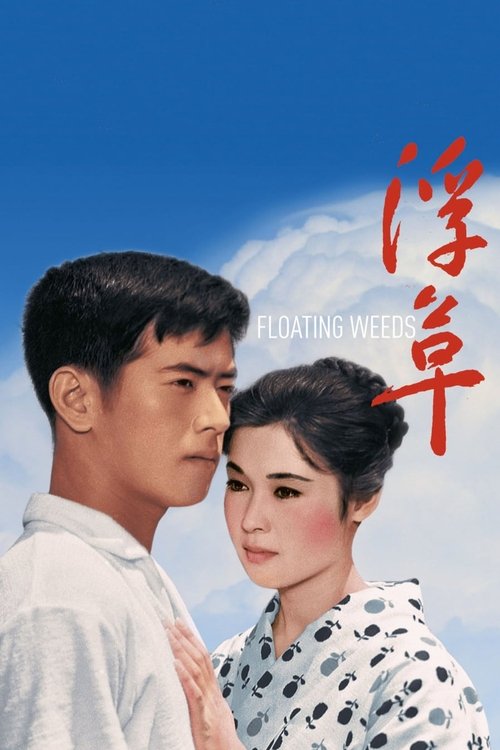
Floating Weeds1959
Ozu's film about a theater troupe visiting a small Japanese town offers a completely different angle on postwar Japan—intimate, philosophical, concerned with shame and family duty. A palate cleanser that refuses melodrama.
But There's almost no plot. If you need narrative momentum and romantic stakes, this will feel like watching someone's memory rather than a story.
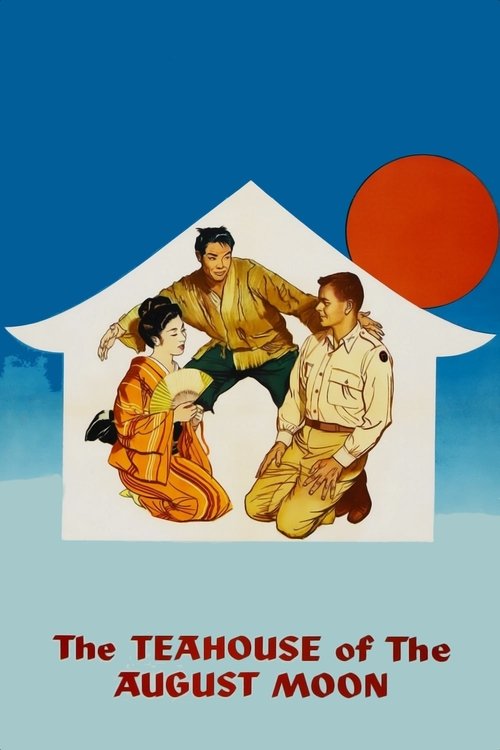
The Teahouse of the August Moon1957
Also set in occupied Japan with military American characters, but it's a comedy about cross-cultural misunderstanding. Marlon Brando actually appears in this one too, playing Sakini—a much stranger choice.
But The humor doesn't always land by modern standards, and the representation of Japanese characters can feel patronizing even when meant affectionately.
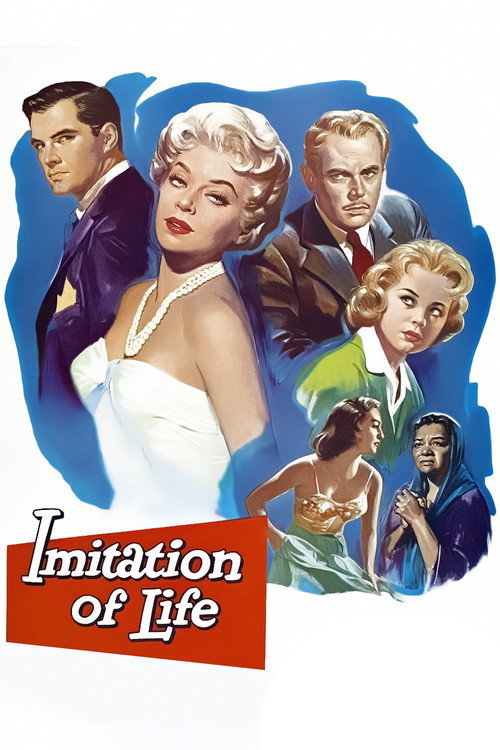
Imitation of Life1959
Douglas Sirk's melodrama about race and passing, featuring Lana Turner and a Black actress in a story that refuses easy answers. Visually sumptuous and emotionally raw about what society demands of women across color lines.
But It's heightened and operatic. The soap-opera register might feel mannered if you're in the mood for understated realism.
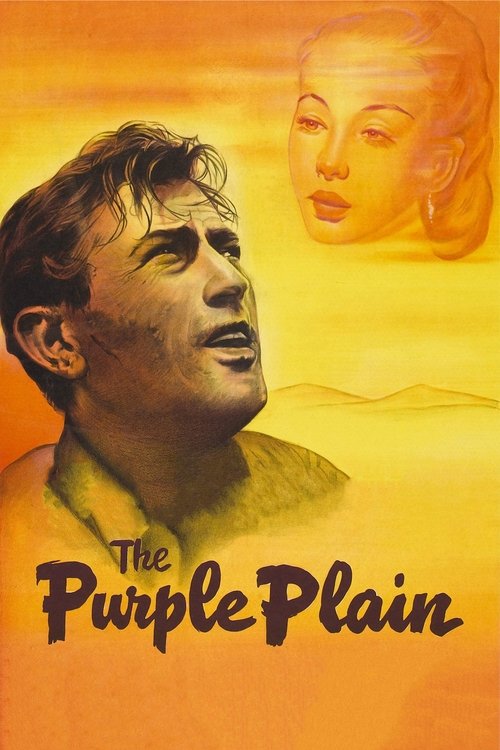
The Purple Plain1954
Gregory Peck in a war film set in Burma after WWII, wrestling with trauma and connection in a colonial landscape. Like Sayonara, it's about a soldier finding humanity where the military expects obedience.
But The emotional work is indirect. You have to be patient with a film that suggests feeling rather than stating it.
Tokyo Story1953
Both are set in postwar Japan and grapple with the American presence remaking Japanese life; one opts for melodrama, one for acceptance of impermanence.
Ozu's masterpiece about an elderly couple visiting their son in postwar Tokyo, watching modernity and Western influence reshape their family. Sayonara is fascinated by cross-cultural collision; Tokyo Story is fascinated by what persists across it. Quiet, patient, mysteriously complete.
But Nothing dramatic happens. The entire film is an act of attention to small moments. Many viewers experience this as boredom rather than beauty.

People
Cast
 Marlon BrandoMajor Lloyd Gruver
 Patricia OwensEileen Webster
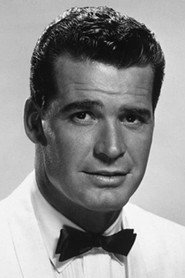 James GarnerCapt. Mike Bailey
 Martha ScottMrs. Webster
 Miiko TakaHana-ogi
 Miyoshi UmekiKatsumi
 Red ButtonsJoe Kelly
 Kent SmithGen. Webster
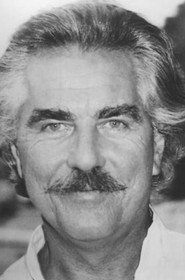 Douglass WatsonCol. Craford
 Reiko KubaFumiko-san
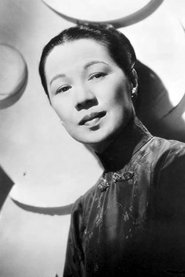 Soo YongTerukosan
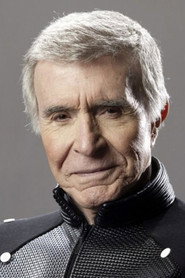 Ricardo MontalbanNakamura
Directing
- Joshua LoganDirector
Writing
- James MichenerNovel
- Paul OsbornScreenplay
Production
- Sally BaianoCasting
- William GoetzProducer
Recommended by
The Barbarian and the Geisha, Madame Butterfly, The Teahouse of the August Moon, Kings Go Forth