
Film
A Soldier's Story
Other titles called A Soldier's Story: the 2015 film.
A Soldier's Story is a tightly constructed mystery set on a segregated Army base in 1944 Louisiana, where a Black officer investigates the murder of a harsh sergeant. It's a film about power, complicity, and how racism fractures communities from within. Intelligent, deliberately paced, and built on performances that do more with silence than noise.
Should you watch it?
Watch it if you enjoy a slow whodunit driven by dialogue and suspicion, where the real puzzle is how a community closes ranks around its own secrets.
Skip it if you want fast action or constant plot movement, since this is talky and mostly confined to interviews and tense conversations on base.
What it asks of you: A measured, dialogue-heavy pace over about a hundred minutes, with long quiet exchanges where small remarks and glances carry weight and you must track who lies.
Not sure? Find tonight's pick in a minute.
If you liked this
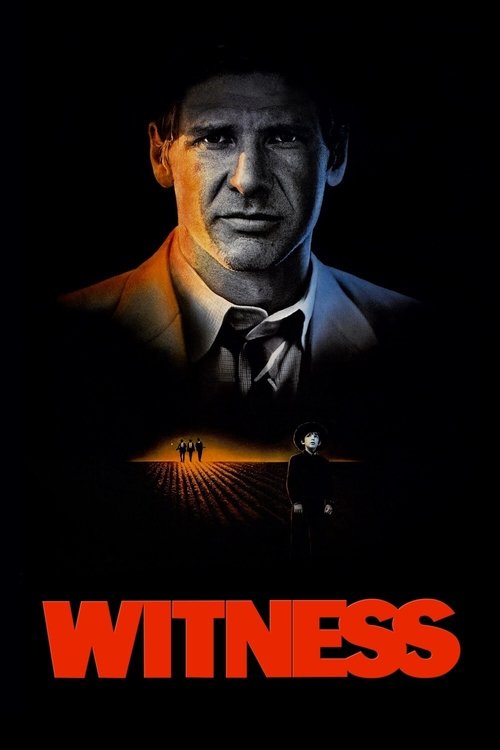
Witness1985
A police procedural where the detective must navigate an unfamiliar world and uncover corruption within his own institution. Both films trust their audience to piece together moral complexity through careful observation rather than exposition.
But The rhythm is unhurried. If you need constant movement or plot twists to stay engaged, the methodical investigation may feel slow.
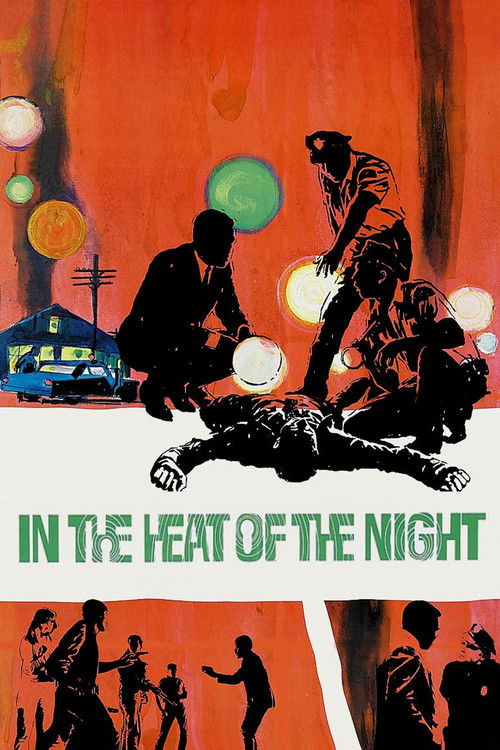
In the Heat of the Night1967
Sidney Poitier as a Northern detective solving a murder in the Jim Crow South. The same exploration of how racism infects institutions and individuals, though with more direct confrontation than Soldier's Story's quieter reckoning.
But It's a product of its era in some ways, and the film occasionally leans on its own cleverness about race relations rather than letting complexity breathe.
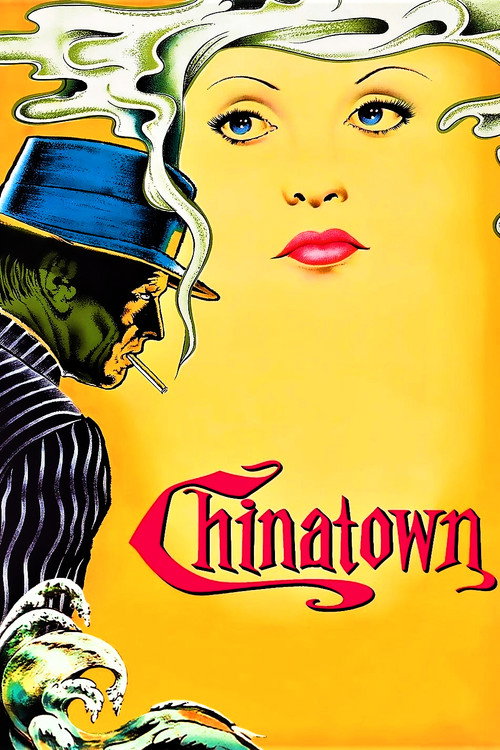
Chinatown1974
A detective unravels a murder only to discover the real corruption runs deeper than the crime itself. Like A Soldier's Story, it's about how systems protect themselves and how truth can be more dangerous than the lie that preceded it.
But The genre is film noir rather than military drama, and its ending is much bleaker and more cynical in register.
Not sure tonight? Get a pick in a minute, starting from A Soldier's Story
The wildcard
Something you would not have found on your own.
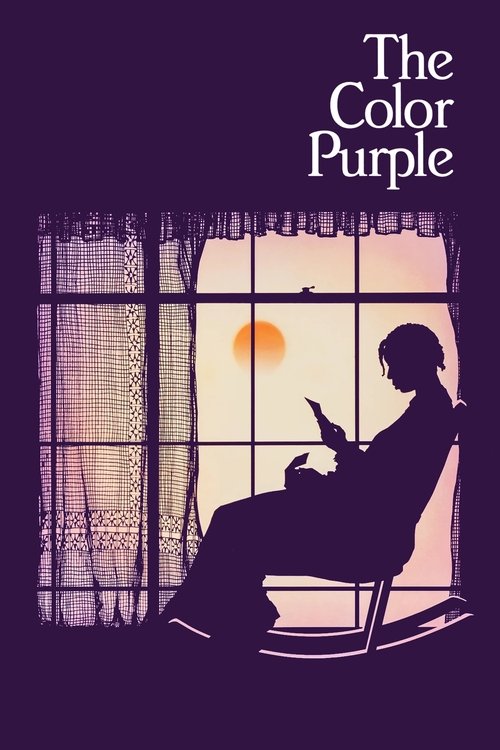
The Color Purple1985
Both use period settings and careful performances to examine how systematic oppression operates through personal relationships and institutional silence.
Steven Spielberg's adaptation of Alice Walker's novel, also from 1985, centers a Black woman's interior life amid violence, institutional indifference, and moral reckoning. The connection is thematic rather than generic: both films are interested in how violence shapes consciousness and how people survive systems designed to diminish them.
But It's an epic about trauma and spiritual transformation, which is a very different emotional register than a murder mystery. Some find Spielberg's approach sentimental.
More like this (7)
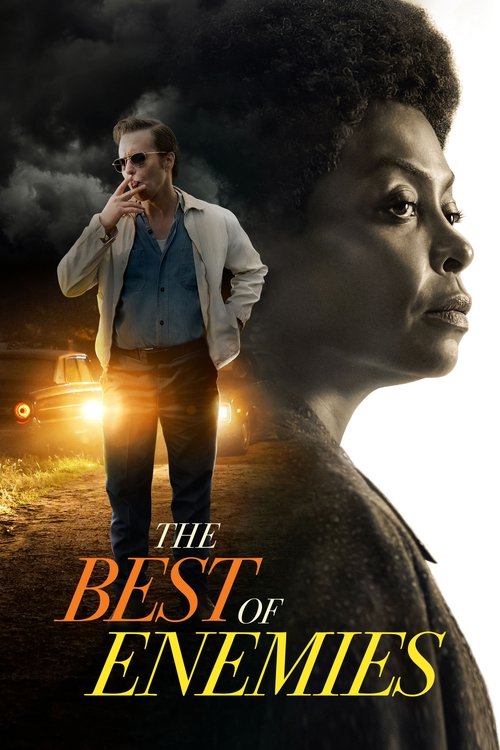
The Best of Enemies2019
A film about two ideological opponents—one Black, one white—forced into dialogue. It shares Soldier's Story's interest in how power and prejudice operate within institutions that claim to serve everyone equally.
But It's more explicitly didactic about its themes, and the two-hander format means less room for the ensemble dynamics and institutional pressure that make Soldier's Story compelling.
Catch Me If You Can2002
An investigation structured around interviews and piecing together the truth from unreliable narrators. The cat-and-mouse dynamic between investigator and subject creates similar tension to the slow reveal in A Soldier's Story.
But It's a very different tone—lighter, more playful—and the stakes are financial rather than moral and existential.

The Killing of a Sacred Deer2017
A methodical exploration of guilt, complicity, and how institutions fail to protect the vulnerable. The deliberate pacing and focus on performance over plot mechanics echo what makes Soldier's Story work.
But It's far more unsettling and abstract. If you want clarity and conventional narrative satisfaction, this will frustrate you.

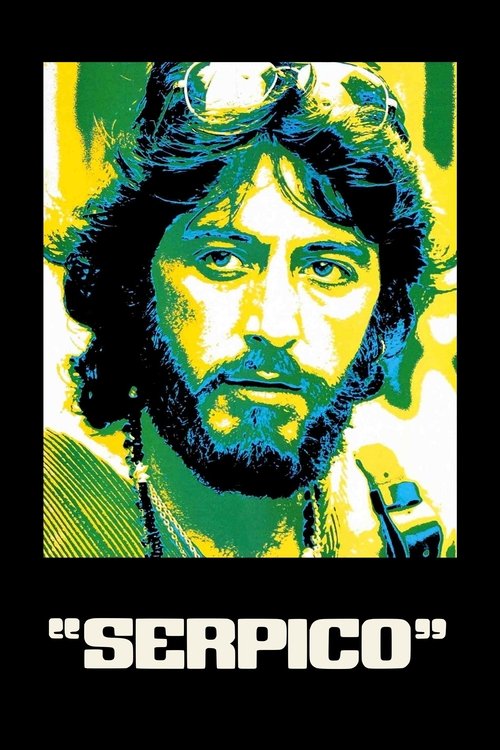
Serpico1973
An honest cop investigating corruption in his own department and discovering that the system protects the guilty. The institutional critique and the moral isolation of the protagonist mirror Soldier's Story's concerns.
But Serpico is more of a crusader narrative. A Soldier's Story is less interested in heroics and more interested in complicity and contradiction.
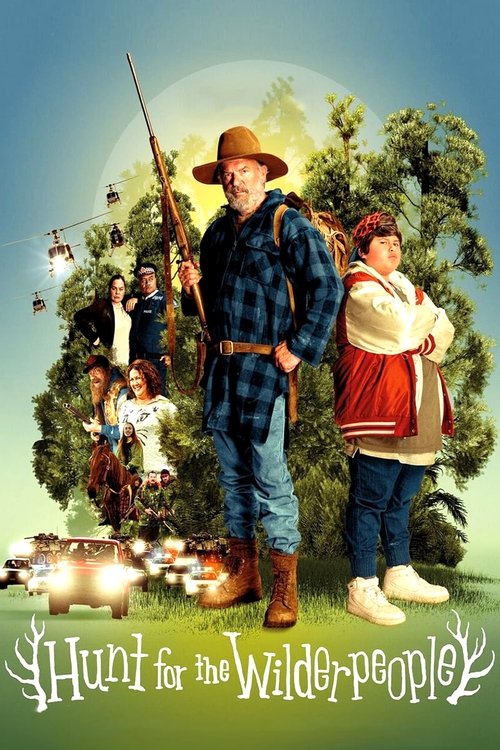
Hunt for the Wilderpeople2016
A mystery about a manhunt where the investigation gradually reveals something uncomfortable about the hunters themselves. It has the same interest in how institutions betray their stated purpose.
But It's a New Zealand action-comedy, so the tone is much lighter and the stakes feel smaller, even if the themes overlap.
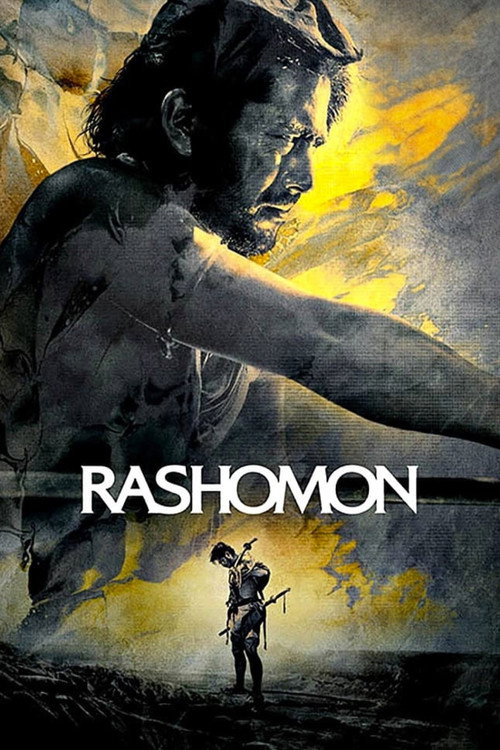
Rashomon1950
Both films distrust the official narrative and use the investigation itself to question whether truth can ever be established, or only narrated.
Kurosawa's groundbreaking film presents a single crime through multiple contradictory testimonies, making truth itself the mystery. The narrative structure—investigation through competing accounts—is identical to A Soldier's Story, but the philosophical register is entirely different: Eastern, meditative, existential.
But It's a Japanese film from 1950 in black and white, and it's philosophically abstract in ways that have little interest in plot resolution. If you want answers, it will leave you unsatisfied.
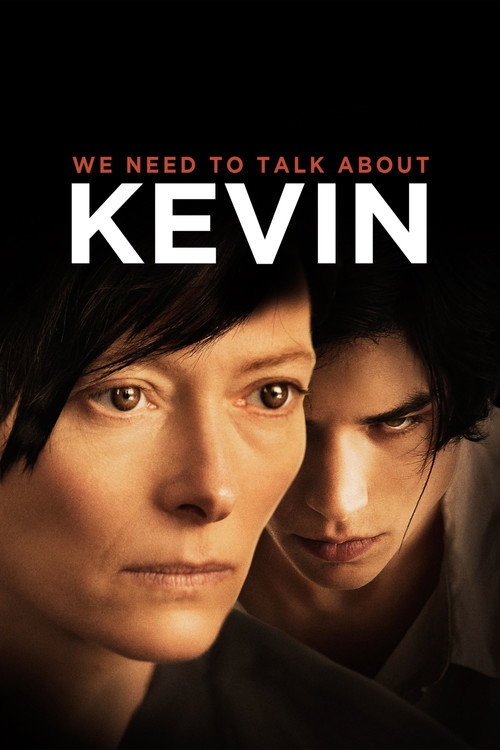
We Need to Talk About Kevin2011
Both films refuse easy answers about guilt and responsibility, and both suggest that the people closest to a crime often understand it least clearly because they are invested in specific versions of the truth.
Lynne Ramsay's devastating film about a mother reckoning with her son's terrible act, told in fragmented, abstract sequences. It shares A Soldier's Story's interest in complicity and how we construct stories to avoid facing what we know. The narrative withholding is more radical, but the moral inquiry is equally unsparing.
But It's formally experimental, deeply difficult to watch, and resists catharsis entirely. The subject matter is abusive, and the aesthetic is cold. This is not a comfortable film.
People
Cast
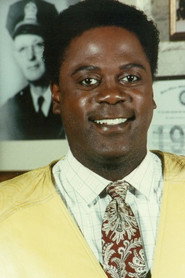 Howard RollinsCaptain Davenport
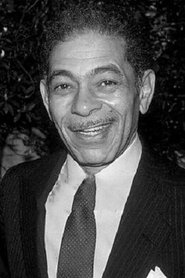 Adolph CaesarSergeant Waters
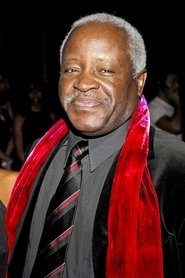 Art EvansPrivate Wilkie
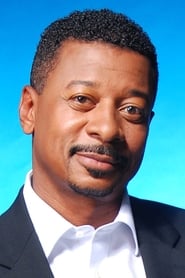 Robert TownsendCorporal Ellis
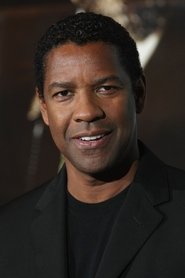 Denzel WashingtonPrivate First Class Peterson
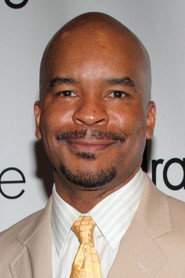 David Alan GrierCorporal Cobb
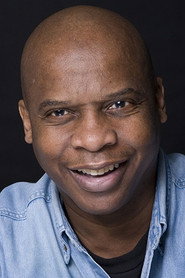 David HarrisPrivate Smalls
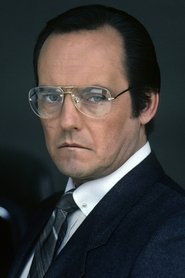 Dennis LipscombCaptain Taylor
 Patti LaBelleBig Mary
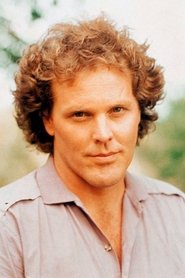 Wings HauserLieutenant Byrd
 Larry RileyC.J. Memphis
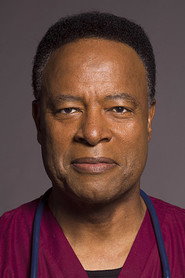 William Allen YoungPrivate Henson
Directing
- Norman JewisonDirector
- Wilma Garscadden-GahretScript Supervisor
Writing
- Charles FullerScreenplay
Production
- Charles MilhauptAssociate Producer
- Reuben CannonCasting Director
- Chiz SchultzExecutive Producer
- Megan BranmanExtras Casting
- Norman JewisonProducer
- Patrick J. PalmerProducer
- Ronald L. SchwaryProducer
- Gerald R. MolenUnit Production Manager
Recommended by
The Tuskegee Airmen, Hanover Street, Sayonara, Standing Room Only