
Film
The Best of Enemies
Other titles called The Best of Enemies: the 1961 film.
A 1971 drama about Ann Atwater, a Black civil rights activist, and C.P. Ellis, a KKK leader, forced to co-chair a community summit over school desegregation in Durham, North Carolina. Taraji P. Henson and Sam Rockwell anchor a film about unlikely understanding built through sustained, difficult conversation—what transformation looks like when both sides actually listen.
Should you watch it?
Watch it if you want a sharp, talky two-hander about people who dig in against each other, where the community meeting arguments do the work and history feels lived-in rather than lectured.
Skip it if you need fast pace or outright villains; it moves at a deliberate, dialogue-heavy clip, and its sympathy for a Klan leader may feel too soft to some viewers.
What it asks of you: It runs 133 minutes at an unhurried pace, mostly in meeting rooms and around tables, so it asks for patience more than it delivers a rush of incident.
Not sure? Find tonight's pick in a minute.
If you liked this
Spotlight2015
Another ensemble procedural about ordinary people uncovering systemic truth through dogged investigation. Similarly structured around dialogue, compromise, and the slow accretion of evidence that changes everything.
But Slower than you'd expect for a thriller. Long stretches of people reading documents and making phone calls.

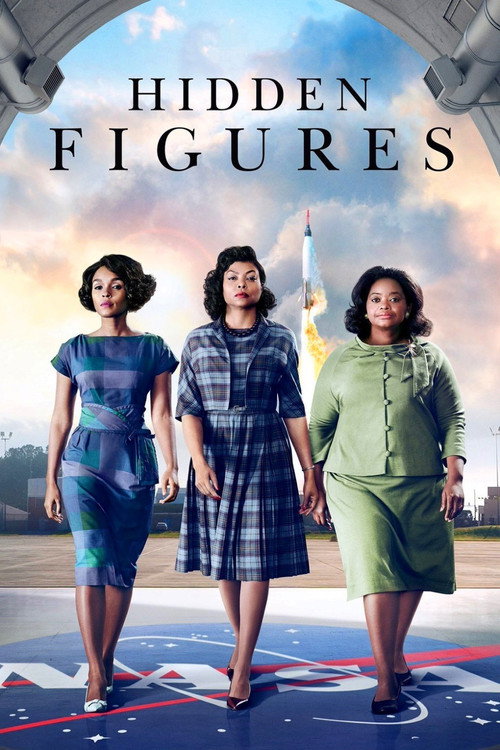
Hidden Figures2016
Taraji P. Henson in a different era, different struggle, same grace. A film about Black women proving brilliance against institutional indifference, with lighter moments than *Enemies* but equal emotional weight.
But Pursues crowd-pleasing sentiment over complexity in places. Some will find the uplift tone a touch safe.
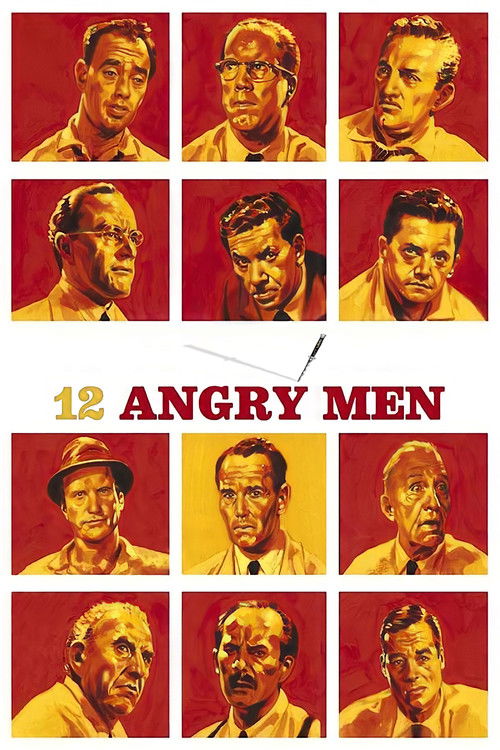
12 Angry Men1957
A masterclass in dialogue-driven drama. Twelve strangers must find consensus through argument. Like *Enemies*, it's about the possibility of changing minds through sustained engagement rather than rhetoric.
But Entirely set in one room. Pacing demands patience. The gender and race dynamics feel very much of 1957.
Not sure tonight? Get a pick in a minute, starting from The Best of Enemies
The wildcard
Something you would not have found on your own.
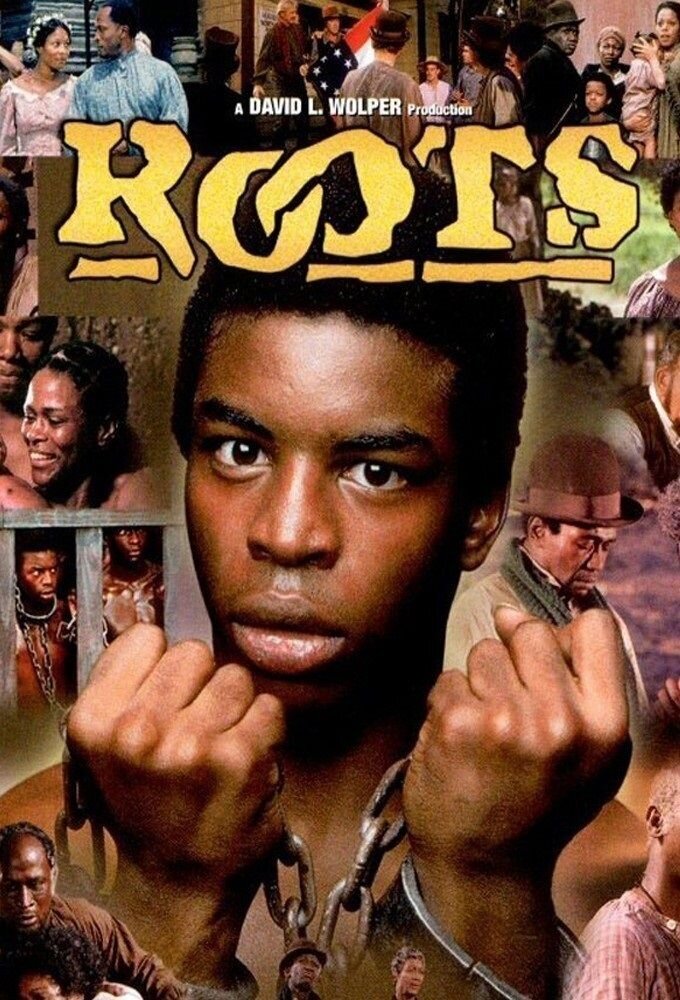
Roots1977
Both are American histories about race told through individuals rather than abstraction, but *Roots* supplies the gravity that *Enemies* builds toward—you cannot understand C.P. Ellis's transformation without understanding what he's transforming *from*.
Twelve hours across a week. Begins in Africa in 1750 and traces one family's catastrophe through slavery and toward freedom. *Enemies* is about reconciliation; *Roots* is the ancestral weight that reconciliation must reckon with. Watching both changes how you understand the 1971 summit.
But Violent, brutal, and unrelenting about suffering. Some scenes are harrowing by design. Demands emotional investment that won't leave you light at the end.
More like this (8)
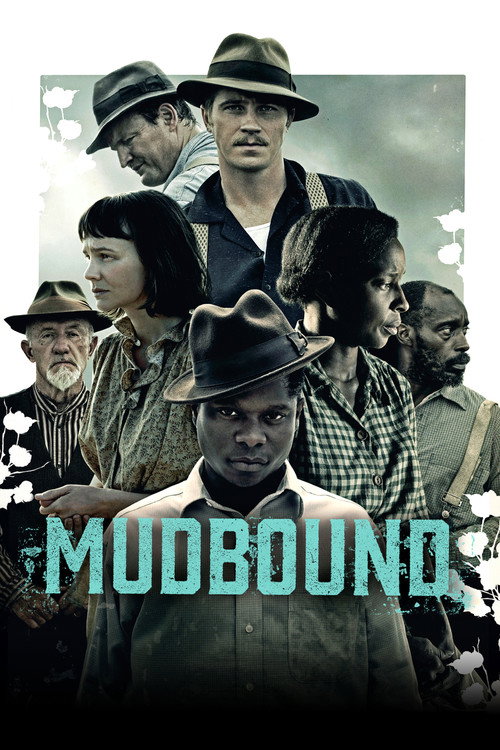
Mudbound2017
Mississippi, 1940s, Black and white families bound by land and circumstance. Examines how proximity and shared suffering can erode prejudice, though never easily or completely.
But Visually bleak. Anger and grief sit heavier here than reconciliation does. Some violence is quite brutal.
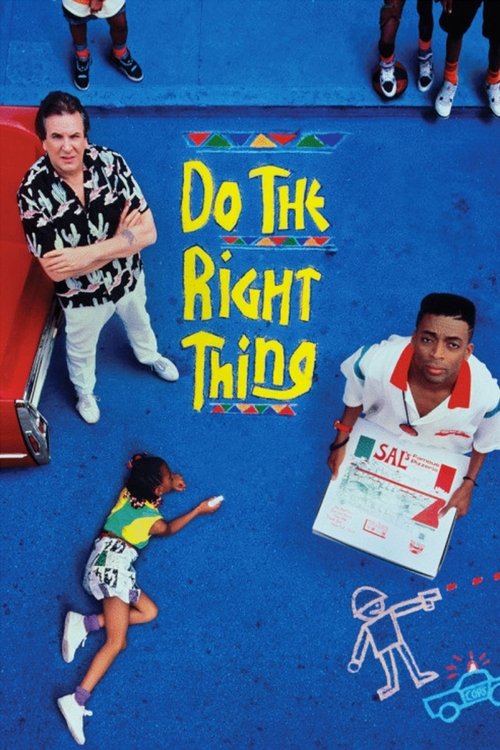
Do the Right Thing1989
Spike Lee's Brooklyn summer, where community tension builds toward confrontation. Unlike *Enemies*, it doesn't resolve into understanding—it burns—but both films ask what happens when systems force unlikely people into the same space.
But Deliberately confrontational. Some viewers resent being made uncomfortable; that's partly the point. Ending divides audiences.
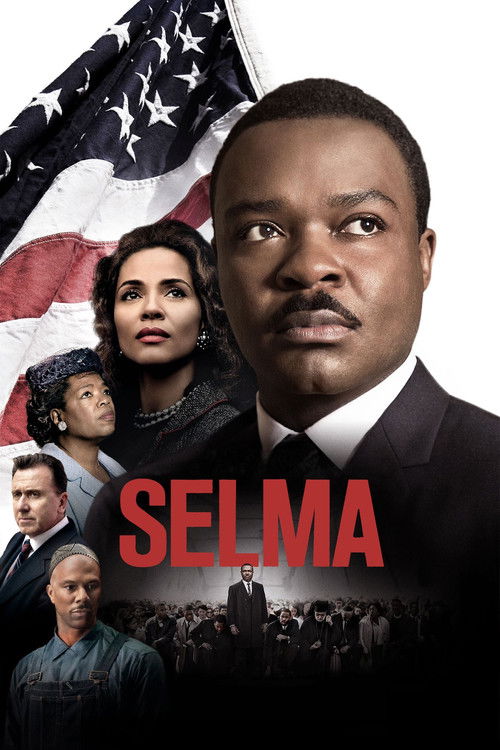
Selma2014
Another historical civil rights drama with quiet power and ensemble depth. Focuses on Dr. King and the Selma march, with attention to strategy, faith, and the cost of moral leadership.
But David Oyelowo gives a restrained performance some found underwhelming. Very reverential in tone.
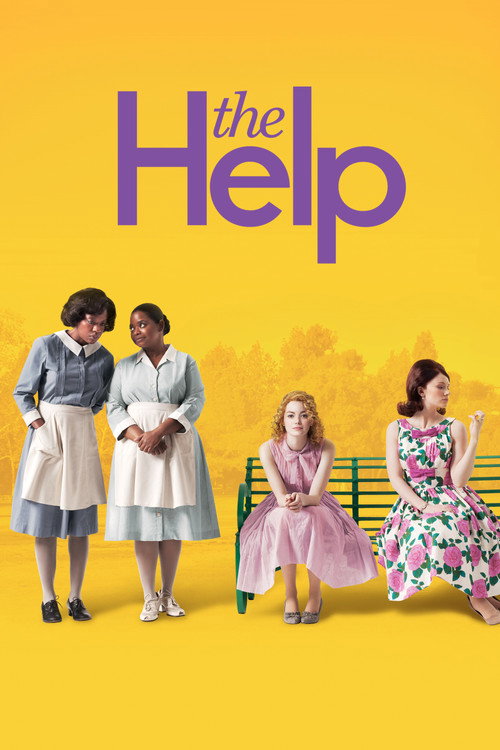
The Help2011
Mississippi, 1960s. Relationships forming across racial lines, told through the voices of Black domestic workers. Accessible, well-acted, emotionally resonant about dignity and visibility.
But Criticized for centering a white savior narrative. Feels softer and more Hollywood-polished than the harder truths it touches.
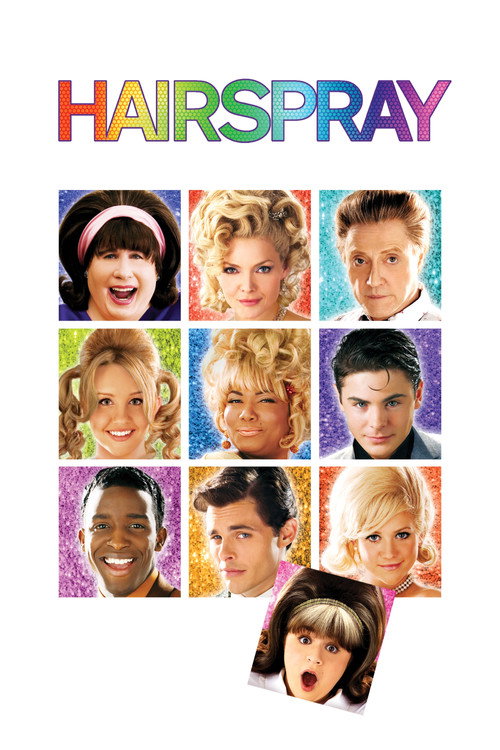
Hairspray2007
Baltimore, 1962, a musical about school integration. Genuinely joyful. John Waters' DNA shows—it's about outsiders and acceptance, but through dance numbers and camp rather than somber dialogue.
But Tonal whiplash if you're in the headspace *Enemies* puts you in. Lighter weight entirely.
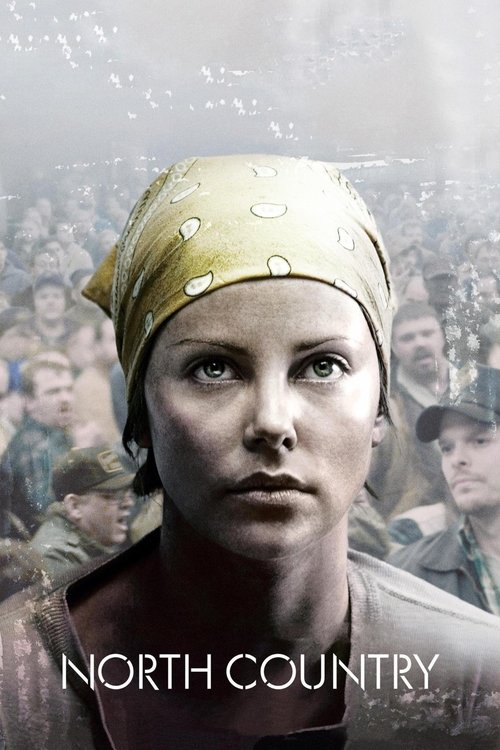
North Country2005
Iron Range Minnesota, workplace sexual harassment lawsuit. Charlize Theron versus systemic indifference. Like *Enemies*, it's about one woman's refusal to accept the way things are, though the antagonism never softens.
But Uneven film. Some performances overwhelm the narrative. Ending can feel thin after everything that precedes it.
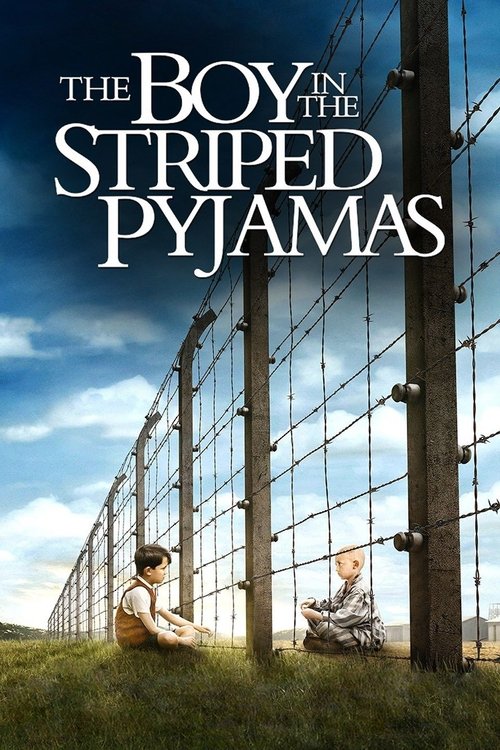
The Boy in the Striped Pyjamas2008
Both films are fascinated by connection across a line that society insists should not be crossed, but this one shatters the hope that *Enemies* offers—a darker possible answer to the same question.
A German commandant's son befriends a Jewish boy on the other side of a concentration camp fence. It's about the friendship that blooms in the machinery of evil—small intimacy against massive horror. Structurally it's asking the same question *Enemies* asks: can individuals transcend the systems they're trapped in?
But Some Holocaust scholars object to its framing and its ending. The child's-eye view flattens rather than clarifies moral complicity. Devastating rather than clarifying.
Stalker1979
Both films sit in the space between people having conversations, watching what happens when language becomes the site of actual transformation. *Stalker* is abstract and metaphysical where *Enemies* is specific and historical, but both understand that the deepest dramas happen in talk.
Andrei Tarkovsky. A guide, a scientist, a writer journey through a mysterious zone to a wish-granting room. Ninety minutes of dialogue and landscape about desire, faith, doubt, and whether transformation is possible. Philosophically dense but hypnotic. *Enemies* is about whether two people can change; *Stalker* asks whether change, if you could choose it, would be real.
But Soviet science fiction from 1979. Deliberately paced. Subtitled. Not a plot you follow—a state of mind you enter. Rewards patience; punishes distraction.

People
Cast
 Taraji P. HensonAnn Atwater
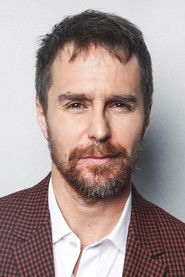 Sam RockwellClaiborne Paul Ellis
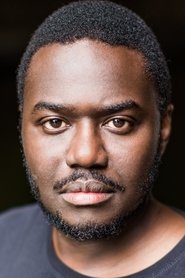 Babou CeesayBill Riddick
 Anne HecheMary Ellis
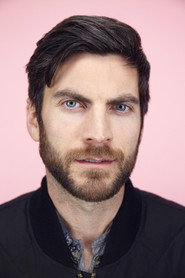 Wes BentleyFloyd Kelly
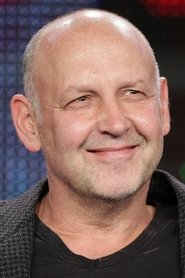 Nick SearcyGarland Keith
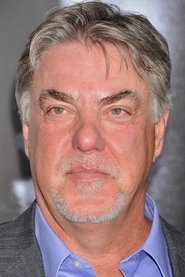 Bruce McGillCarvie Oldham
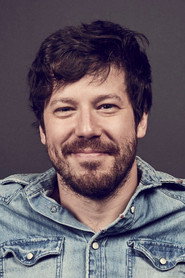 John Gallagher Jr.Lee Trombley
 Nicholas LoganWiley Yates
 Gilbert Glenn BrownHoward Clement
 Caitlin MehnerMaddy Mays
- Dolan WilsonCouncilman Bill Atkins
Directing
- Robin BissellDirector
Writing
- Robin BissellAdaptation
- Osha Gray DavidsonBook
- Robin BissellWriter
Production
- Jeremiah SamuelsExecutive Producer
- Rick JacksonExecutive Producer
- Danny StrongProducer
- Dominique TelsonProducer
- Fred BernsteinProducer
- Matt BerensonProducer
- Matthew PlouffeProducer
- Tobey MaguireProducer
Recommended by
Glory Road, Down in the Delta, Pete Seeger: The Power of Song, Woman Thou Art Loosed, A Soldier's Story, Sunshine State