
Film
Selma
Ava DuVernay's account of the 1965 Selma-to-Montgomery marches is less biopic than political thriller — a study of strategy, pressure, and the machinery of nonviolent resistance under threat of real violence. Oyelowo's King is a tactician as much as an orator. Tense, precise, and unflinching about the brutality it depicts, without ever feeling like a lecture.
If you liked this
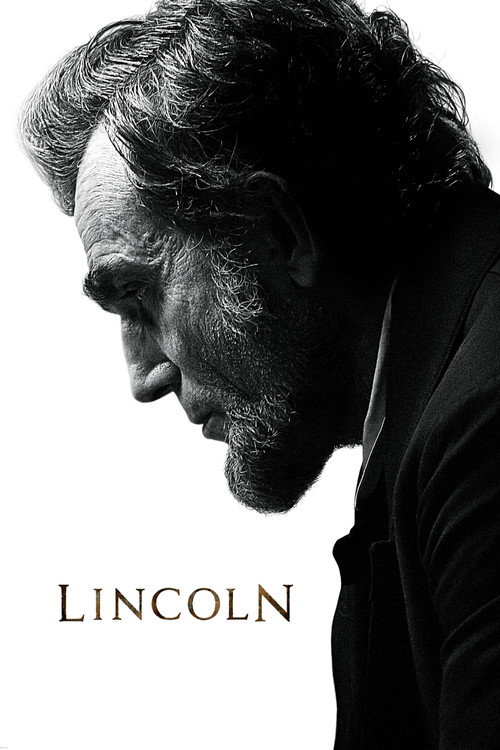
Lincoln2012
Spielberg's chamber piece about the grubby, exhausting work of passing the 13th Amendment pairs naturally with Selma's focus on legislative pressure and backroom deals rather than grand speeches.
But Talky and procedural — if you wanted more marching and less parliamentary arithmetic, it may feel dry.
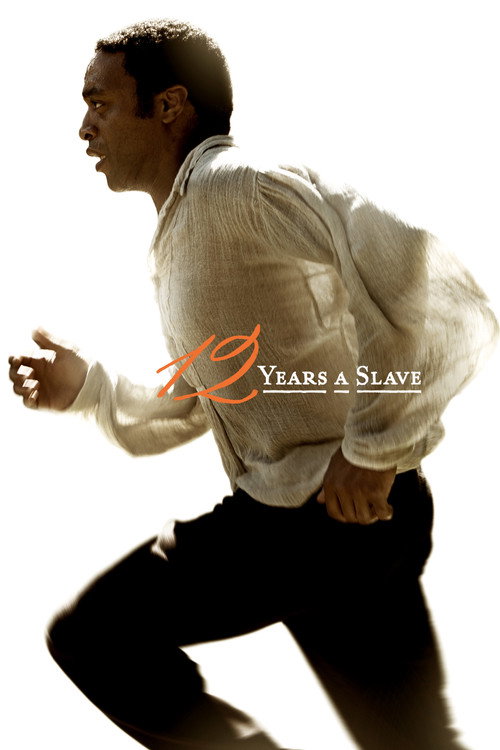
12 Years a Slave2013
McQueen's unflinching adaptation gives the historical weight Selma gestures toward its fullest, most brutal expression — essential, harrowing context for everything that came after.
But Genuinely gruelling; this is not a film you put on for comfort or momentum.
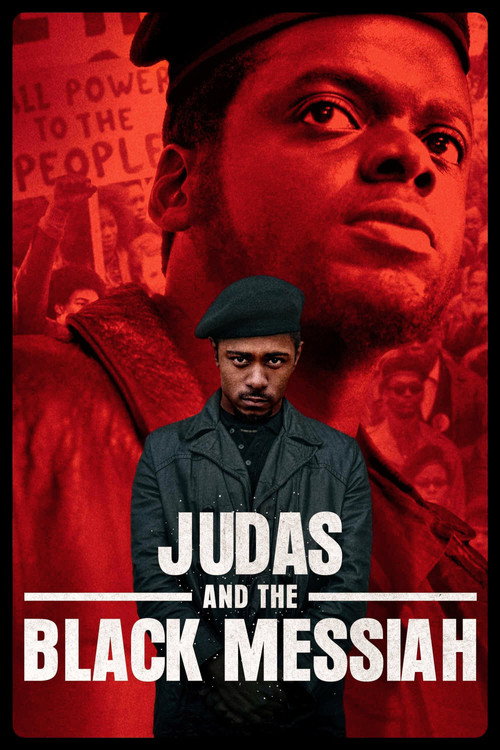
Judas and the Black Messiah2021
Picks up the movement a few years later and several degrees angrier, tracing how the state responded to Black political organizing once nonviolence gave way to Black Power.
But Faster, more thriller-paced, and less interested in King's model of moral suasion — a different argument entirely.
The wildcard
Something you would not have found on your own.
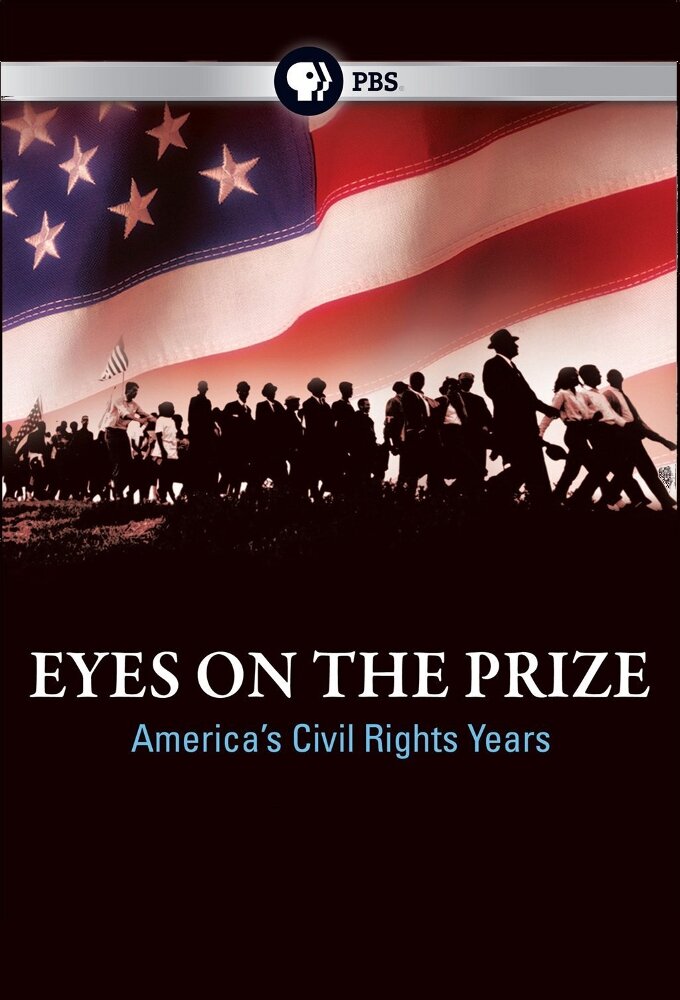
Eyes on the Prize1987
Selma dramatizes events this series captured live; watching the real Edmund Pettus Bridge footage after the film recontextualizes every staging choice DuVernay made.
The landmark documentary series that actually filmed the Selma march and everything around it — the real footage Selma is reconstructing, shot by people who were there.
But No score, no star performances, just archival footage and interviews — a completely different, less cinematic experience.
More like this (8)
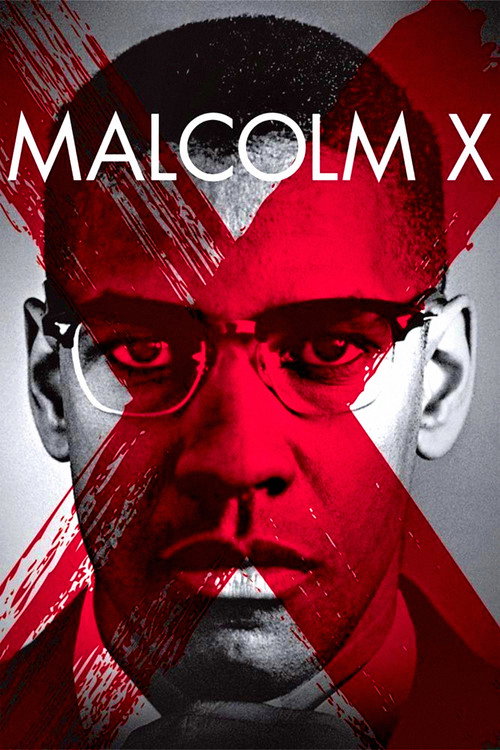
Malcolm X1992
Spike Lee's sprawling epic makes a compelling companion piece — the ideological counterpoint to King's strategy, told with equal conviction and scale.
But Over three hours long and structured as a full-life biopic, a much bigger commitment than Selma's tight focus.
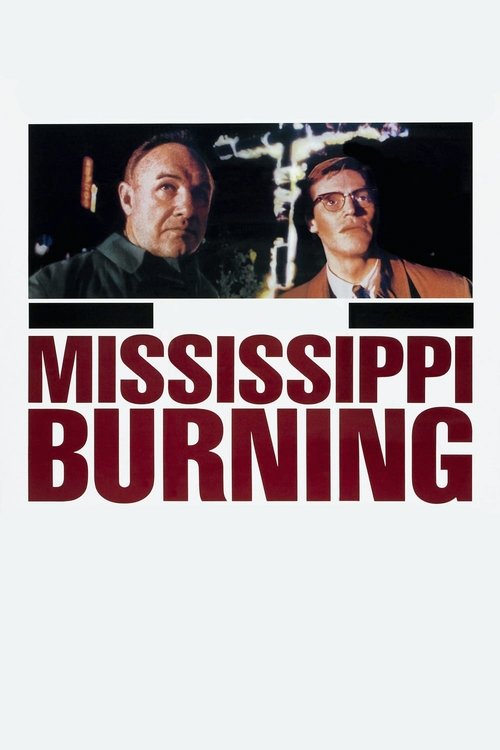
Mississippi Burning1988
A pulpier, thriller-shaped look at the same Deep South violence, following FBI investigators into Klan territory with real tension and dread.
But Centres white FBI agents rather than the Black activists actually risking their lives — a real and dated flaw.
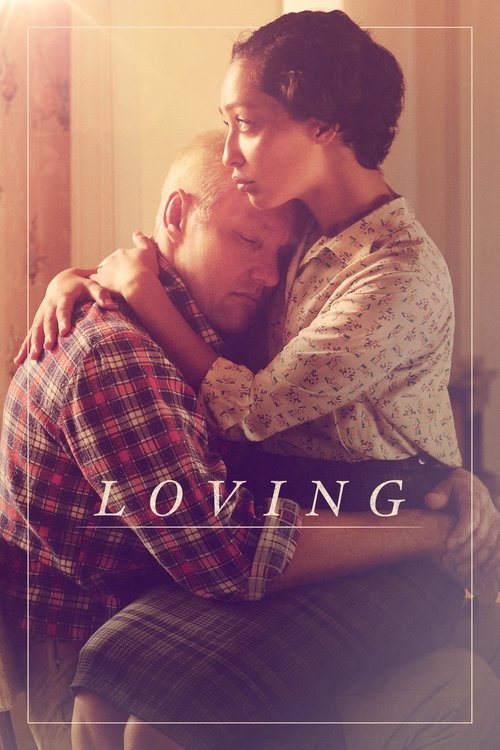
Loving2016
A quieter, more intimate civil rights story — the Supreme Court case that struck down bans on interracial marriage, told with tenderness rather than spectacle.
But Deliberately understated; if you want righteous confrontation, this one whispers instead.
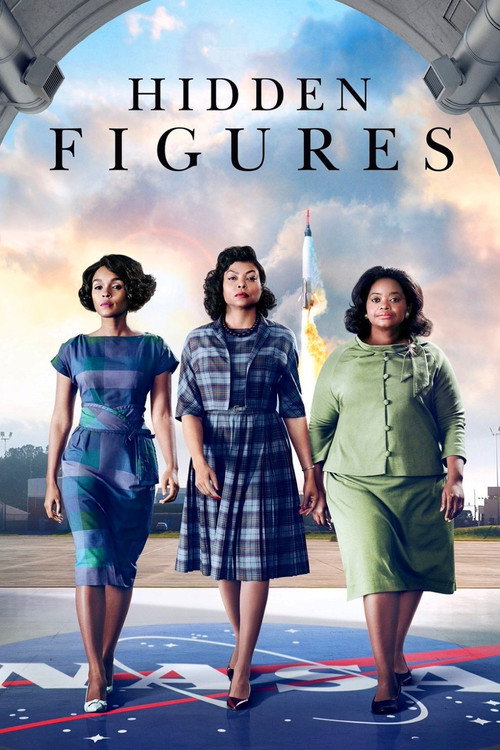
Hidden Figures2016
Same era, same systemic racism, but refracted through NASA's space race — warmer and more crowd-pleasing while still landing real punches.
But Considerably lighter in tone; smooths some of history's harder edges for feel-good momentum.
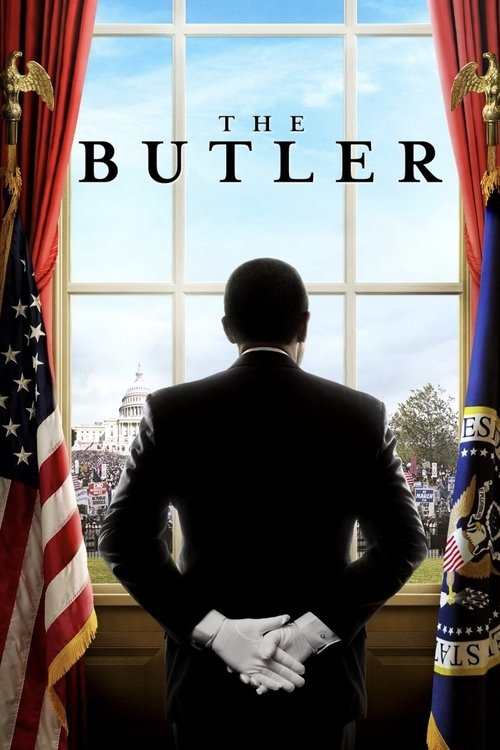
The Butler2013
Zooms out to decades of civil rights history seen from inside the White House, giving useful scope to the single moment Selma zooms in on.
But Covers so much ground it sometimes trades depth for breadth, skimming where Selma lingers.
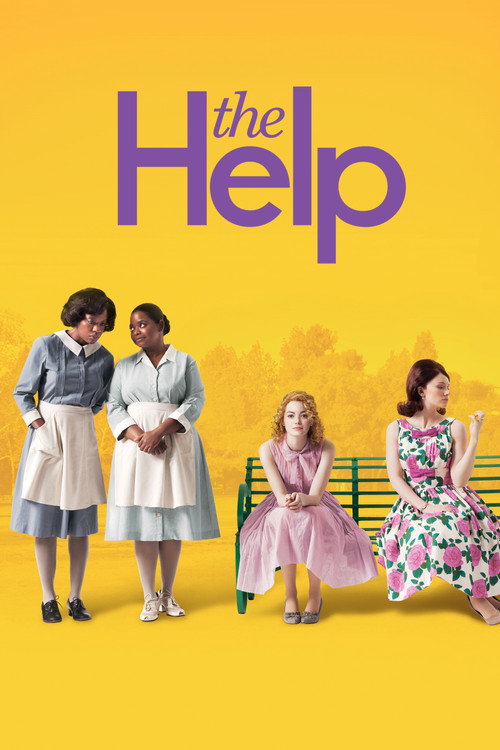
The Help2011
A gentler, more mainstream entry point into the era's everyday indignities, told through domestic workers in Jackson, Mississippi.
But Criticized for centering a white protagonist's awakening over Black characters' own agency — a real limitation.
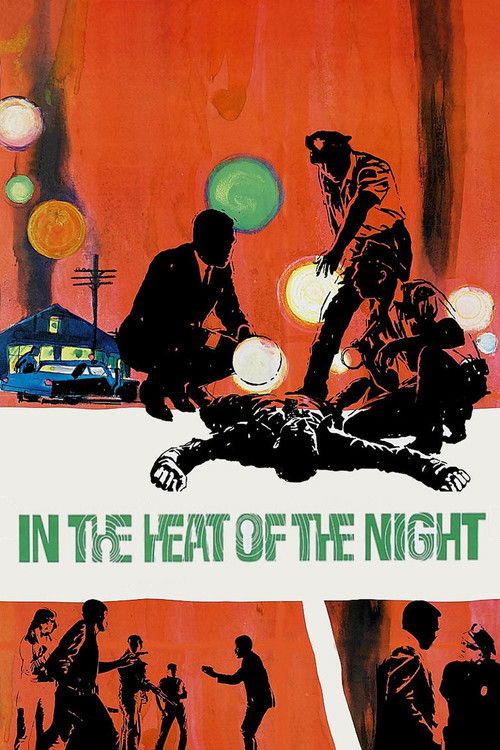
In the Heat of the Night1967
Same year, same region, same racial tension — but Hollywood's contemporaneous instinct was to smuggle it into a crime thriller rather than confront it head-on, as Selma later would.
Made while the civil rights movement was still happening, this Sidney Poitier detective thriller channels the same Deep South racial menace into pulpy genre filmmaking.
But It's a murder mystery first — the social commentary rides inside a much pulpier, more commercial shell.
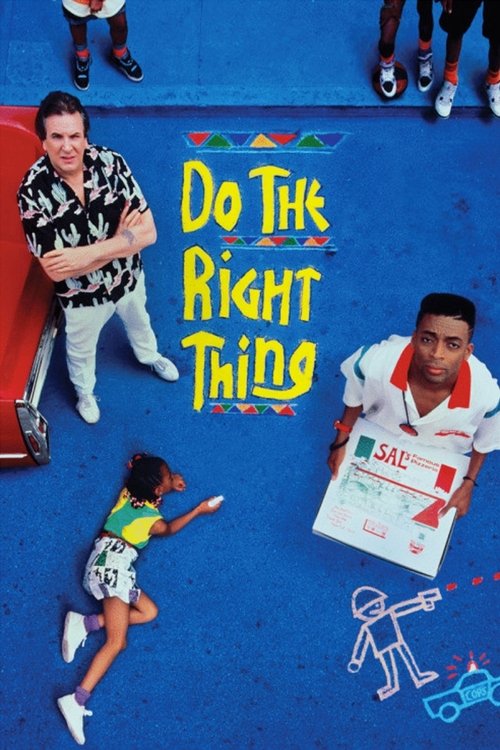
Do the Right Thing1989
It literally quotes both King's and Malcolm X's competing philosophies at its climax, making explicit the ideological question Selma dramatizes through King's tactics alone.
Spike Lee's blistering single-day tragedy ends by setting King's and Malcolm X's words against each other directly, turning Selma's central philosophy into a live, unresolved argument.
But Contemporary, urban, and structured like a fever dream — nothing about its style resembles Selma's measured period drama.
People
Cast
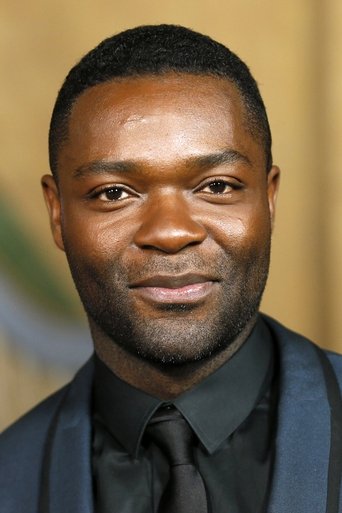 David OyelowoDr. Martin Luther King, Jr.
 Carmen EjogoCoretta Scott King
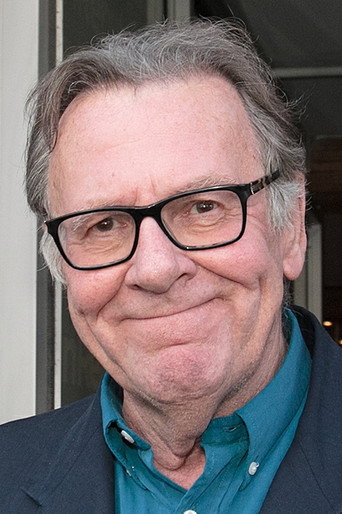 Tom WilkinsonPresident Lyndon B. Johnson
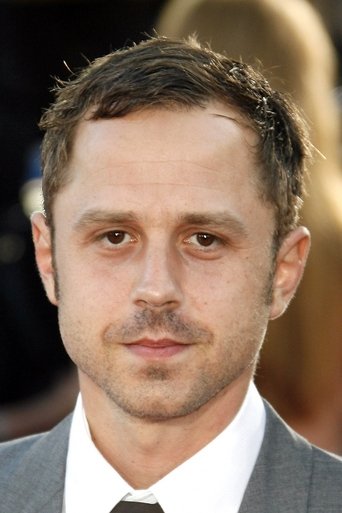 Giovanni RibisiLee White
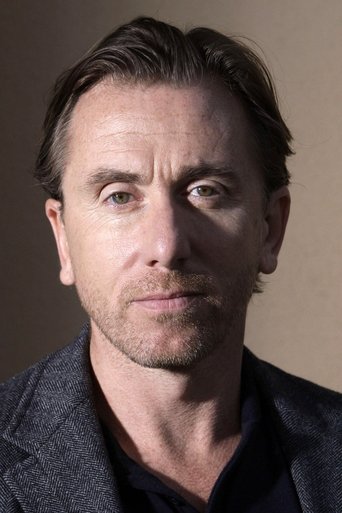 Tim RothGov. George Wallace
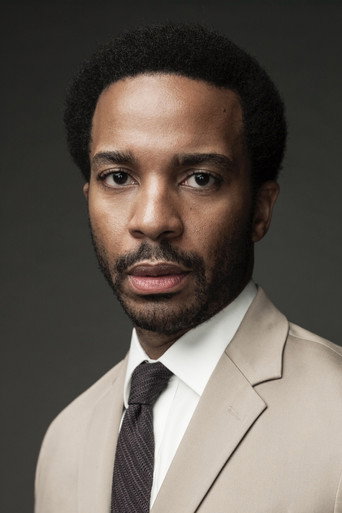 André HollandAndrew Young
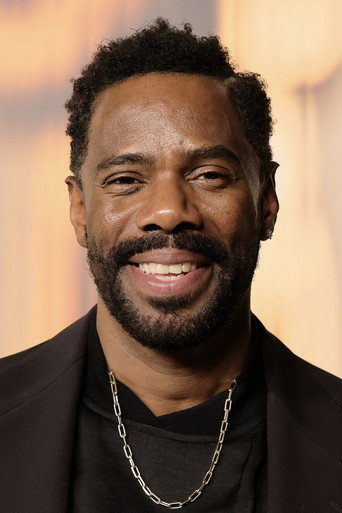 Colman DomingoRalph Abernathy
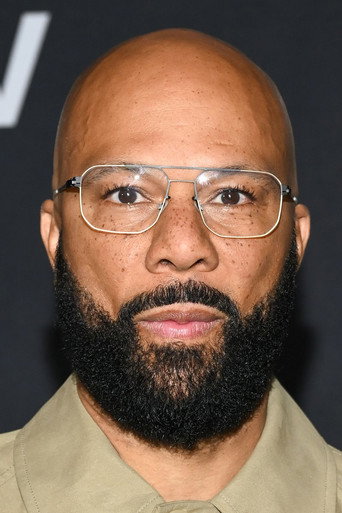 CommonJames Bevel
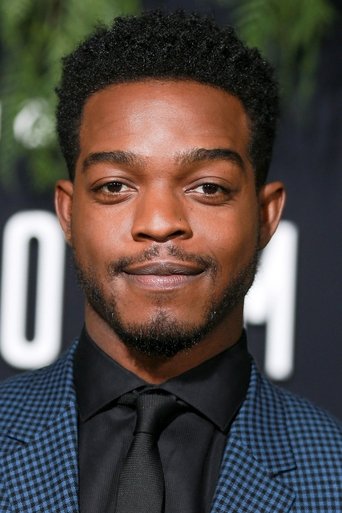 Stephan JamesJohn Lewis
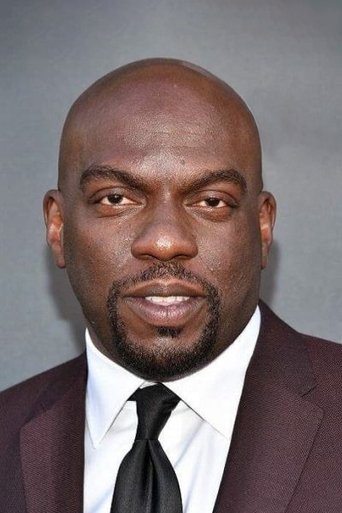 Omar J. DorseyJames Orange
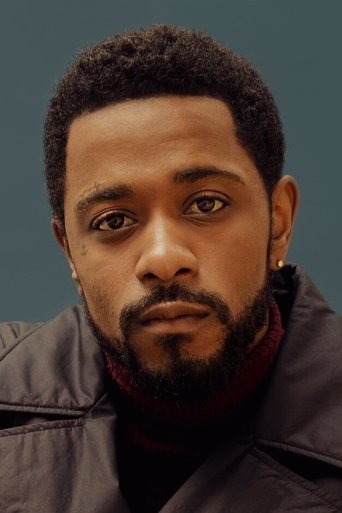 LaKeith StanfieldJimmie Lee Jackson
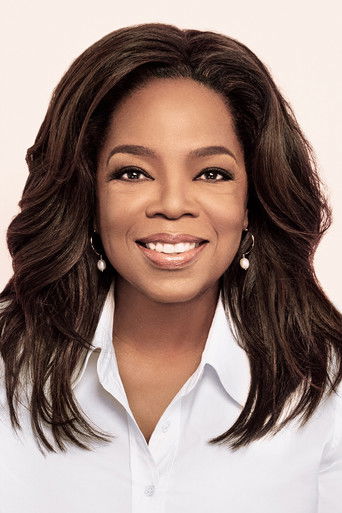 Oprah WinfreyAnnie Lee Cooper
Directing
- Ava DuVernayDirector
Writing
- Ava DuVernayWriter
- Paul WebbWriter
Production
- Aisha ColeyCasting
- Cynthia StillwellCasting Director
- Jonathan KeithCasting Director
- Ava DuVernayExecutive Producer
- Brad PittExecutive Producer
- Cameron McCrackenExecutive Producer
- Diarmuid McKeownExecutive Producer
- Nan MoralesExecutive Producer
- Nik BowerExecutive Producer
- Paul Goodwin GarnesExecutive Producer
- Christian ColsonProducer
- Dede GardnerProducer
- Jeremy KleinerProducer
- Oprah WinfreyProducer
Recommended by
13th, Hidden Figures, I Am Not Your Negro, Fruitvale Station, Lincoln, Judas and the Black Messiah, If Beale Street Could Talk, The Help, 12 Years a Slave, Mudbound, Gandhi, Loving, Respect, The Hate U Give, Amistad, One Night in Miami..., Green Book, Mississippi Burning, Malcolm X, Eyes on the Prize, Iron Jawed Angels, Invictus, Slavery by Another Name, The Butler, 4 Little Girls, 1776, Milk, Ghosts of Mississippi, Harriet, A United Kingdom, The Prince of Egypt, The Color Purple, All the Way