
Film
The Banker
The Banker follows two Black entrepreneurs in 1960s America who devise a scheme to expose and dismantle racial discrimination in lending and housing. It's a sharp, purposeful drama about using the system's own logic against itself. A story of legal resistance and ambition, told with urgency and style.
Should you watch it?
Watch it if you like patient, true-to-life stories about money and nerve, where a clever scheme doubles as a quiet argument about who gets to belong.
Skip it if you want something brisk and glossy, since this is a measured, dialogue-led film that spends its runtime on meetings, negotiations and sit-down talks instead of thrills.
What it asks of you: Two hours at a deliberate pace, with stakes that accrue through talk and close watching rather than set pieces; it rewards your full attention from the first scene.
Not sure? Find tonight's pick in a minute.
If you liked this
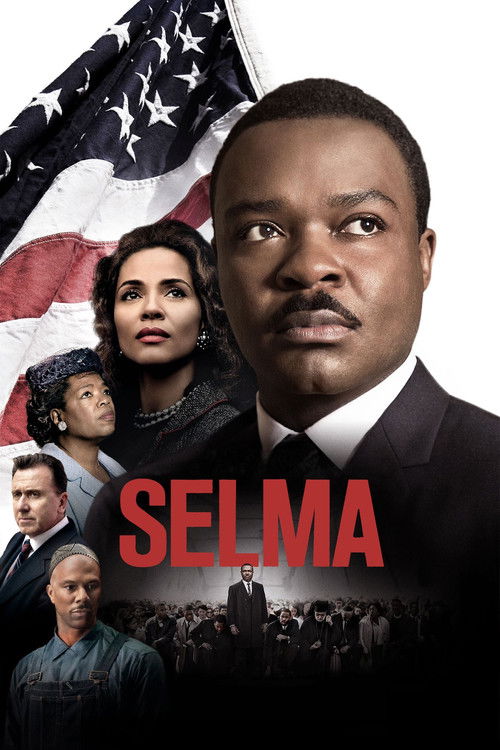
Selma2014
A portrait of strategic activism and moral clarity during the Civil Rights era. Like The Banker, it shows how systematic change requires both principle and tactical brilliance from its leaders.
But Primarily focuses on Dr. King rather than less-known figures, which can feel like familiar historical ground to some viewers.
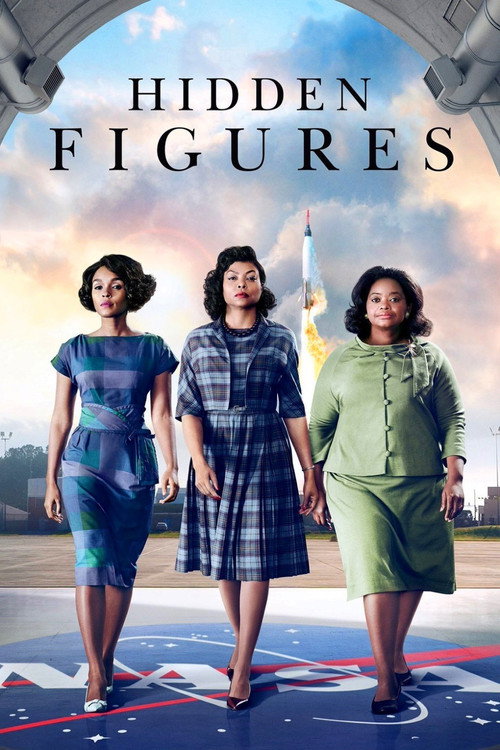
Hidden Figures2016
Three Black professionals outthinking a rigged system through expertise and determination. Shares The Banker's DNA: institutional racism, individual ingenuity, and the satisfaction of watching smart people win.
But The uplifting tone might feel like it underplays the depth of the historical injustice at stake.
Moonlight2016
Intimate, dignified cinema about Black life and identity. Where The Banker is outward-facing strategy, Moonlight turns inward—both are essential correctives to whose stories get told.
But Elliptical and meditative; nothing like the plot-driven momentum of The Banker. Some find its pacing challenging.

Not sure tonight? Get a pick in a minute, starting from The Banker
The wildcard
Something you would not have found on your own.
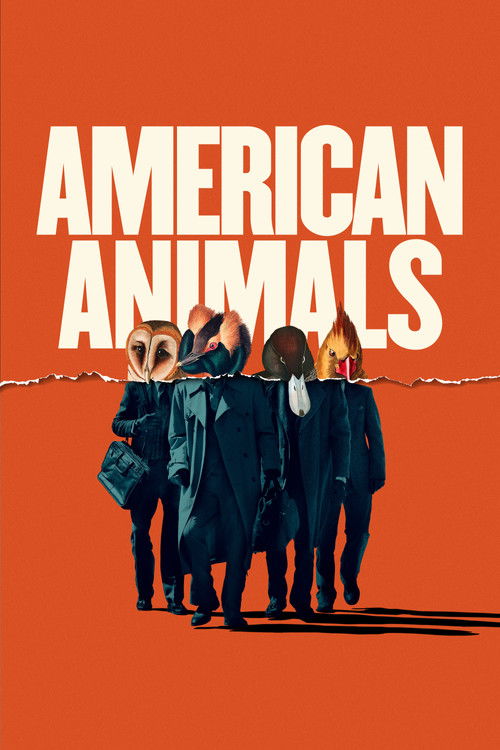
American Animals2018
Both films are fascinated by performance and deception as tools—the difference between the persona you need to present and the truth underneath. The Banker's con is institutional; American Animals' is personal. Same engine.
Four college friends plan an audacious heist by mixing heist-film fantasy with documentary interviews about who they really are. It's about the gap between the story we tell and the people we are—which is exactly The Banker's obsession.
But The formal innovation can feel gimmicky; some viewers find the constant shifts between modes exhausting rather than enlightening.
More like this (7)
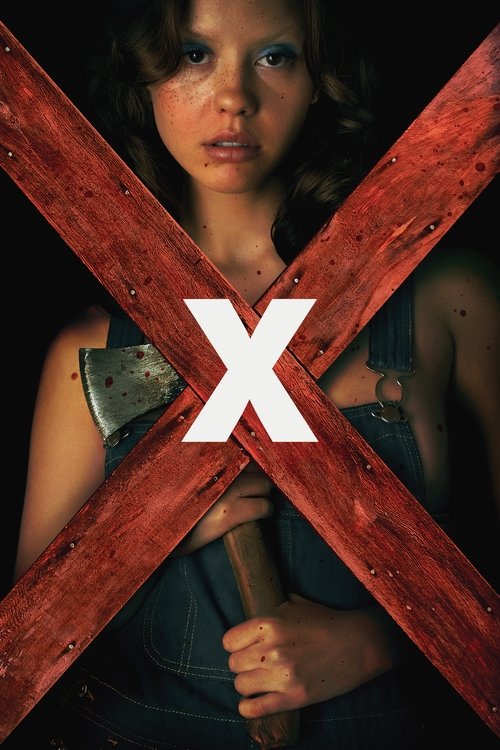
X2022
A taut thriller about power, exploitation, and Black survival in a hostile space. Shares The Banker's unflinching look at how systems work and how people navigate them.
But Visceral and violent in ways The Banker isn't; genre conventions might overshadow the thematic weight for some.
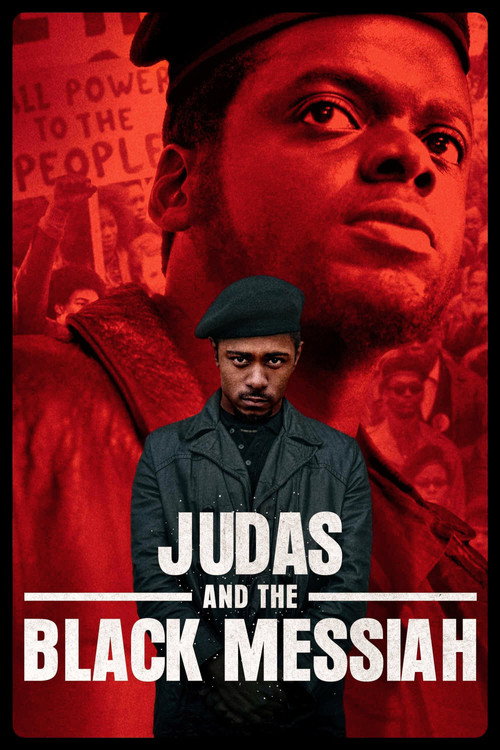
Judas and the Black Messiah2021
Two hours of coiled tension about betrayal and the cost of resistance. Like The Banker, it's about the price of pushing back against institutional power.
But Deliberately bleak and tragic. If you want catharsis or a clear moral victory, look elsewhere.
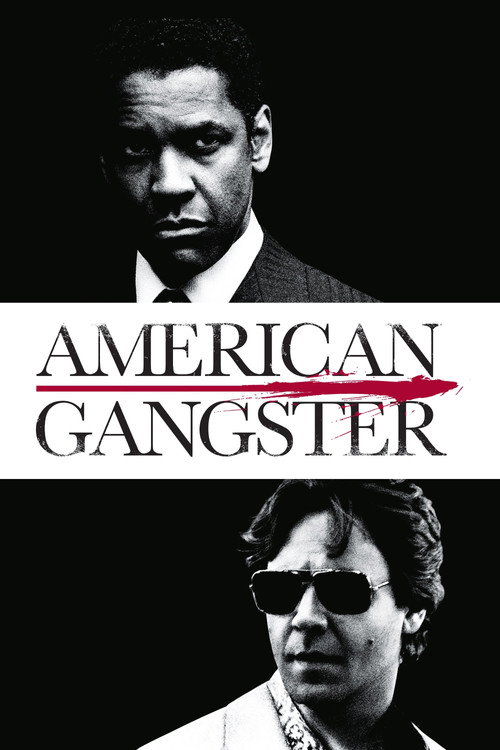
American Gangster2007
Denzel Washington as a man building an empire in a broken system. Shares The Banker's fascination with how brilliant people navigate institutional racism through strategy and nerve.
But It's a gangster film first—morally messier than The Banker, and the three-hour runtime tests patience.
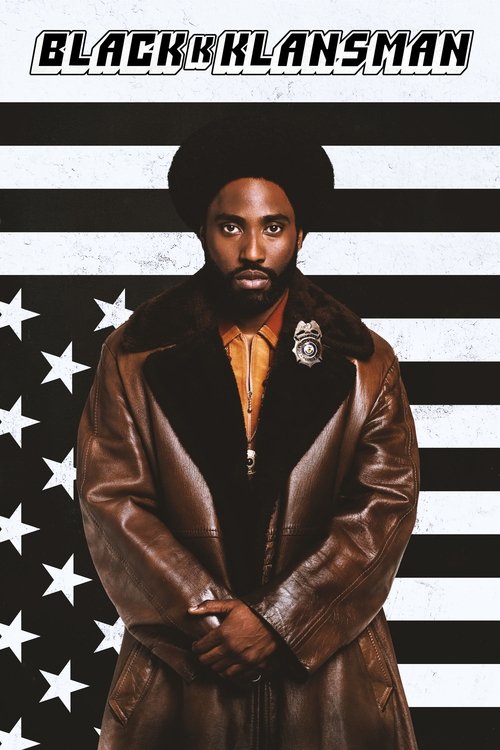
BlacKkKlansman2018
A Black detective infiltrates the KKK. Like The Banker, it's a smart film about using deception and nerve to expose racial hatred in institutions.
But Spike Lee's tone shifts between satire and horror; the tonal whiplash won't work for everyone.
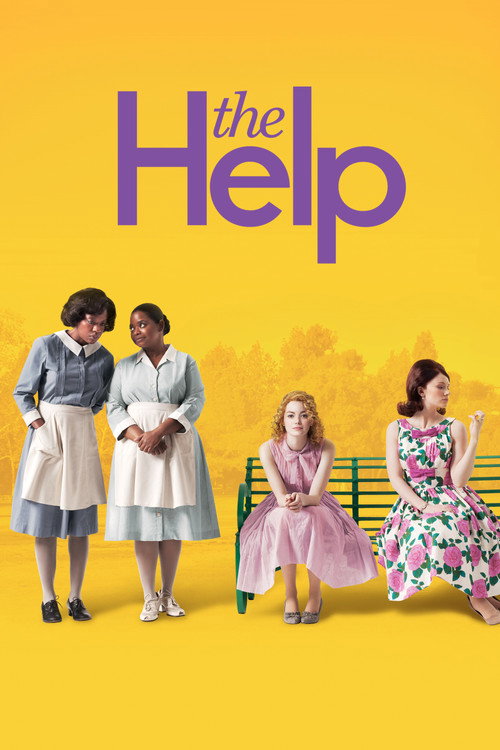
The Help2011
Stories of Black women finding voice and agency in the Jim Crow South. Ensemble narrative with real emotional stakes and period detail.
But Some feel it centers white guilt and good intentions over the complexity of Black experience and resistance.
Harriet2019
Cynthia Erivo as Harriet Tubman—determined, spiritual, strategic. A portrait of someone who refused the system entirely rather than working within it.
But Less nuanced than it could be; sometimes sacrifices complexity for inspirational clarity.

The Wolf of Wall Street2013
The Banker uses the con to expose racism in lending. The Wolf of Wall Street uses it to expose the con itself. Both are about seeing how the game actually works, but they point in opposite moral directions. Essential contrast.
Three and a half hours of controlled chaos—a man building an empire through fraud and audacity. Like The Banker, it's obsessed with how systems reward brilliance regardless of morality; unlike The Banker, it never apologizes for the corruption.
But Scorsese's film celebrates excess and corruption rather than opposing it. If The Banker makes you angry at injustice, this makes you complicit in the fun—a very different moral experience.
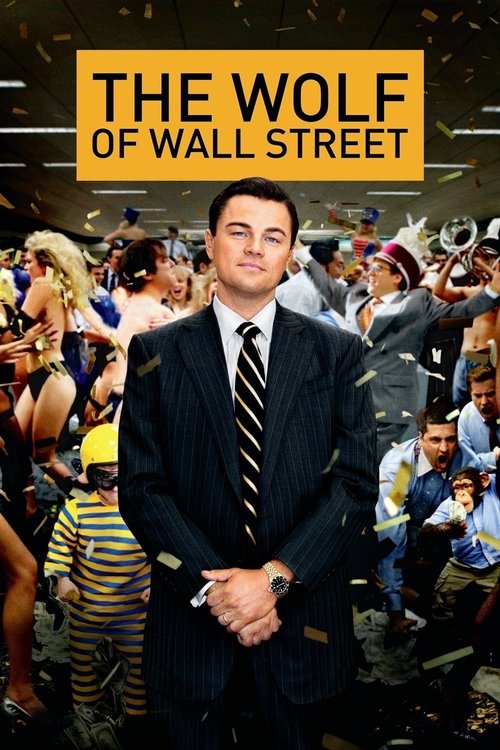
People
Cast
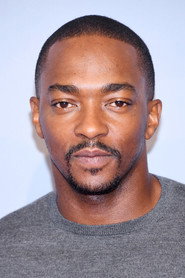 Anthony MackieBernard Garrett
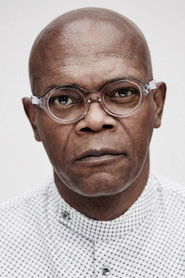 Samuel L. JacksonJoe Morris
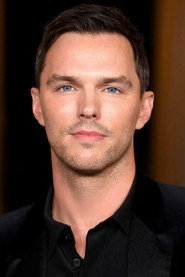 Nicholas HoultMatt Steiner
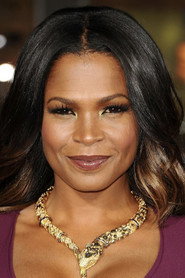 Nia LongEunice Garrett
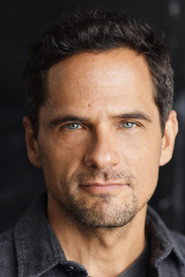 Scott Daniel JohnsonRobert Florance, Jr.
 Jessie T. UsherTony Jackson
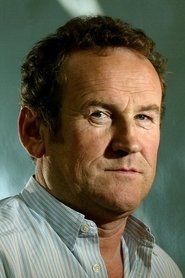 Colm MeaneyPatrick Barker
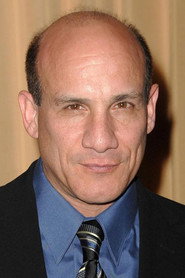 Paul Ben-VictorDonald Silverthorne
 James DuMontSenator McClellan
 Taylor BlackSusie
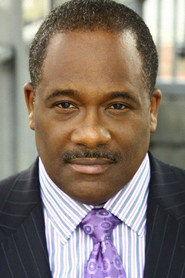 Gregory Alan WilliamsBritton Garrett
 Bill KellyCharles Renault
Directing
- George NolfiDirector
Writing
- David Lewis SmithScreenplay
- George NolfiScreenplay
- Niceole R. LevyScreenplay
- Stan YoungerScreenplay
- Brad Caleb KaneStory
- David Lewis SmithStory
- Stan YoungerStory
Production
- Carlo HartCo-Producer
- Tom ButterfieldCo-Producer
- Ali JazayeriExecutive Producer
- David GendronExecutive Producer
- Joseph IngrassiaExecutive Producer
- Samuel L. JacksonExecutive Producer
- Will GreenfieldExecutive Producer
- Lauren ClaretFirst Assistant Accountant
- Anthony MackieProducer
- Brad FeinsteinProducer
- David Lewis SmithProducer
- George NolfiProducer
- Joel ViertelProducer
- Jonathan BakerProducer
- Nnamdi AsomughaProducer
- Will GreenfieldUnit Production Manager
Recommended by
Owned: A Tale of Two Americas, Four Hours at the Capitol, All the Money in the World, The Current War, The Octopus