
Film
The Octopus
A 1915 silent drama about a young man arriving in New York with a letter of introduction to a ruthless financier, only to discover the man's true nature. Briskly paced despite its age, with crisp intertitles and genuine moral urgency beneath the melodrama. For anyone curious about how early cinema handled ambition, corruption, and the city's predatory edge.
If you liked this
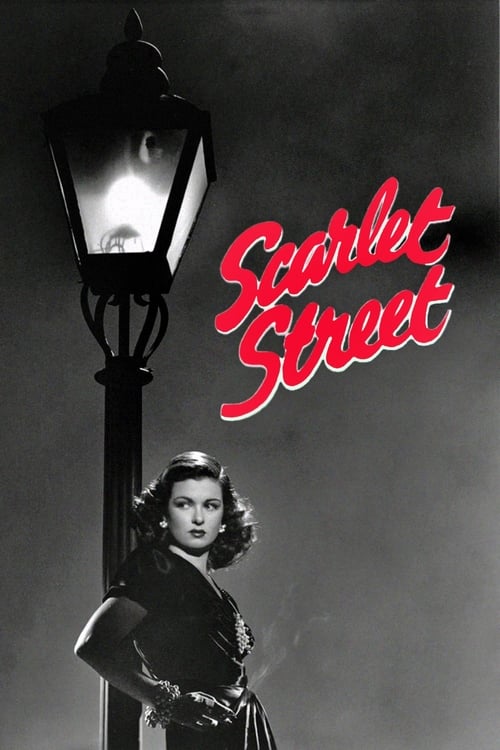
Scarlet Street1945
Fritz Lang's masterpiece about a decent man corrupted by a femme fatale and a criminal. Darker and more psychologically brutal than it first appears, with Edward G. Robinson's quiet desperation at its heart.
But Slow-burn character study that takes its time; the fatalism may feel heavy-handed to modern viewers accustomed to faster pacing.
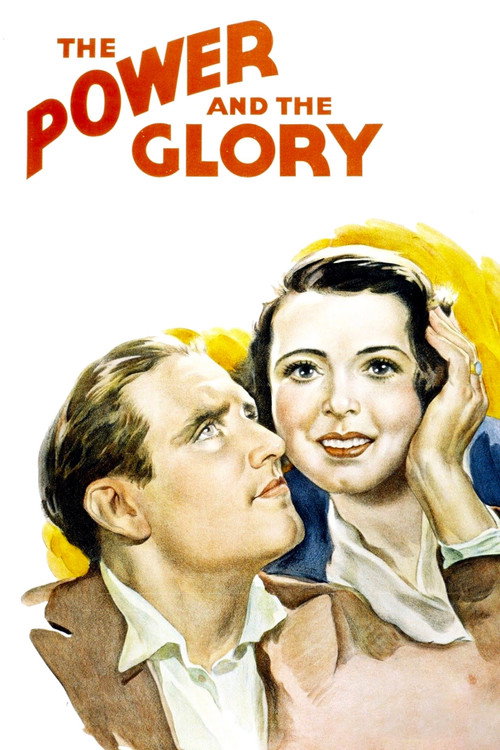
The Power and the Glory1933
A proto-Citizen Kane exploration of a tycoon's rise and moral collapse, told in fragmented flashbacks. Raw, urgent, and visually inventive in ways that anticipate film noir by a decade.
But The editing is deliberately disorienting and the emotional tone shifts jarringly; some find it frustrating rather than revelatory.
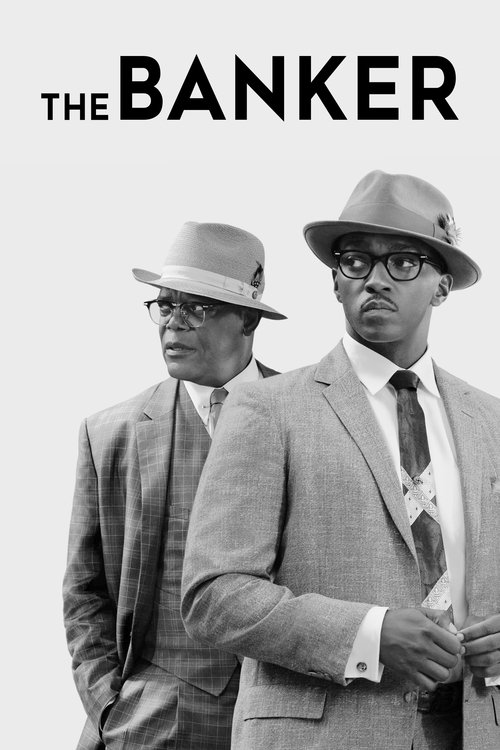
The Banker2020
Theodore Dreiser adaptation about a young man's ruthless climb through the banking world. Captures the same milieu as The Octopus but with greater psychological depth and a bleaker philosophy.
But Glacial pacing and a protagonist you actively dislike; Dreiser's determinism offers no redemptive arc to root for.
Not sure tonight? Get a pick in a minute, starting from The Octopus
The wildcard
Something you would not have found on your own.
The Killers1946
Both are morality plays about a young man drawn into a corrupt man's orbit, but The Killers inverts the power dynamic—the youth here is doomed but complicit, not naive.
Siodmak's adaptation of Hemingway's 2-page story, expanded into a noir about a boxer-turned-drifter awaiting assassination. The film's circular structure—starting at the end—influenced every heist thriller that followed.
But Burt Lancaster's acting is stiff and the plot requires leaps of faith about motivation that the screenplay doesn't quite justify.

More like this (7)
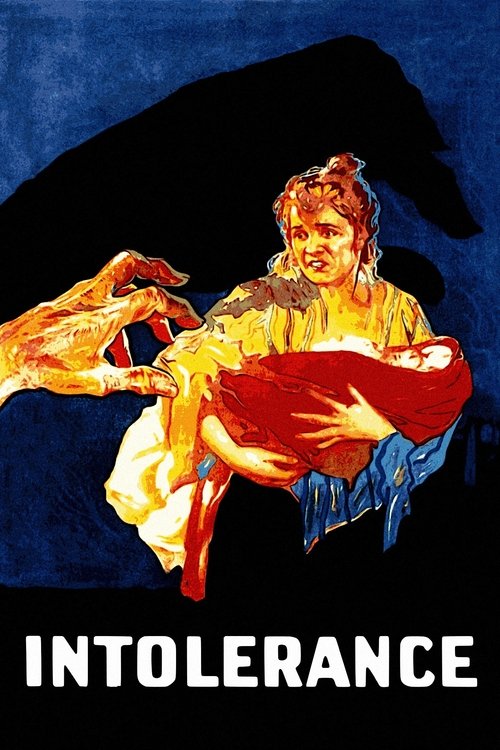
Intolerance: Love's Struggle Throughout the Ages1916
Griffith's audacious four-story epic interweaving ancient Babylon, Renaissance France, modern America, and first-century Judea. Visually staggering and structurally revolutionary—proof that silent cinema could think as boldly as any medium.
But Nearly four hours long; the Babylon sequence alone demands patience, and the philosophy veers toward the muddled.
Nosferatu1922
German Expressionist horror that distorts reality itself to convey dread. Every shadow and tilt of the frame serves the film's moral argument about corruption seeping into ordinary life.
But Genuinely eerie in a way that unsettles some viewers; the pacing is glacial and the plot bare-bones.

The Phantom Carriage1921
Swedish ghost story examining redemption and class guilt through the phantom of a cab driver. Visually inventive with a moral spine that transforms it from genre exercise into something haunting and philosophical.
But Melodramatic by modern standards; double-exposed ghosts read as quaint rather than frightening to viewers weaned on CGI.

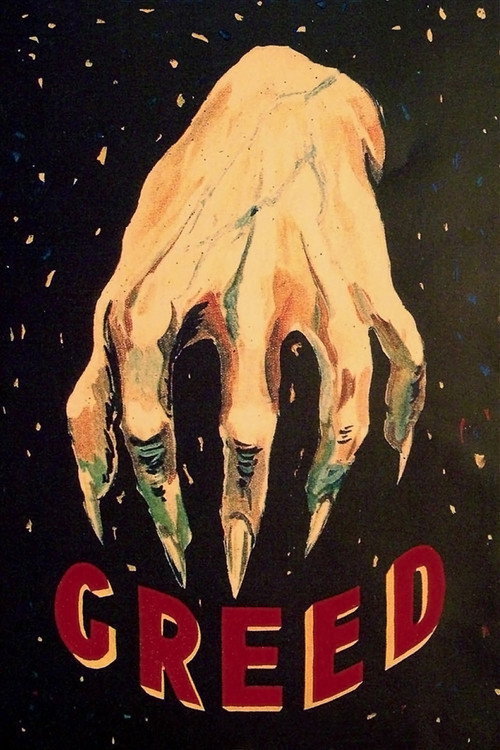
Greed1924
Erich von Stroheim's masterwork about how money destroys love and friendship. Audacious in scale and unflinching in its portrayal of human ugliness; the Death Valley climax remains unbearable.
But Originally nine hours; the surviving cut is still grueling and refuses any comfort or uplift whatsoever.
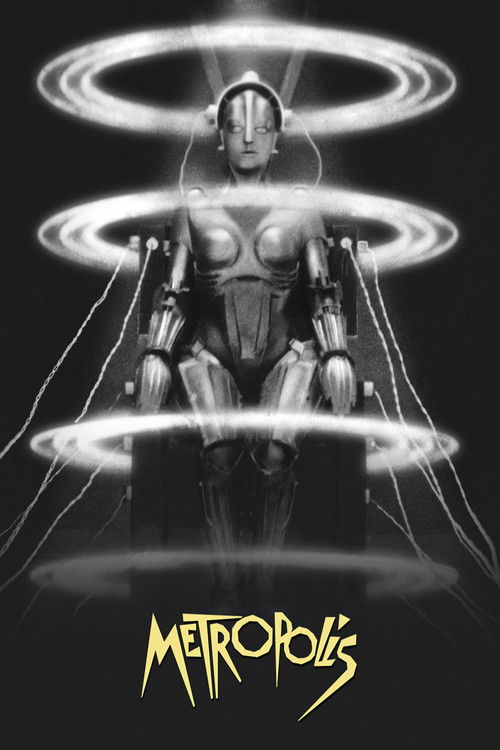
Metropolis1927
Fritz Lang's vision of a future city divided between exploited workers and idle rich. Visual splendor in service of a political argument; the spectacle never overwhelms the moral urgency.
But The social critique is blunt and sometimes contradictory; restoration debates mean different versions exist, causing inconsistency.
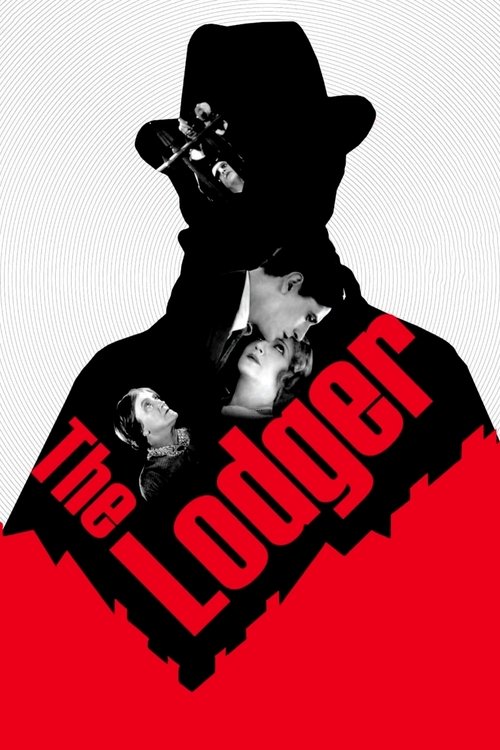
The Lodger: A Story of the London Fog1927
Hitchcock's breakthrough about a suspected serial killer lodging with a working-class family. Tense and formally inventive, it proves suspense doesn't require dialogue or elaborate plots—just precision.
But The Jack the Ripper plot is thin; viewers expecting a thriller may find it feels more like a character study.
Sunrise: A Song of Two Humans1927
Both are about moral corruption arriving from the outside world, but Murnau makes it cosmic and tragic rather than social—the city as demon rather than system.
F.W. Murnau's masterpiece about a man tempted to murder his wife by a seductress from the city. German Expressionist technique at its peak—the city itself becomes monstrous, the temptation visualized as a fever dream.
But Heavy with symbolism to the point of abstraction; some modern viewers find the emotional register overwrought and the gender politics regressive.

People
Cast
 Tom SantschiThatcher Thole
 Lillian HaywardEmily Sheldon - Archie's Mother
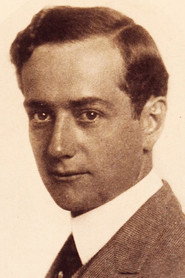 Leo PiersonArchie Sheldon - Emily's Son
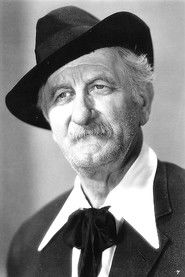 Lafe McKeeHarris Gordon
- Marion WarnerViolet Reinhardt
Directing
- Tom SantschiDirector
Writing
- Frank NorrisNovel
- Tom SantschiScenario Writer
- Charles Belmont DavisTheatre Play