
Film
The Power and the Glory
Other titles called The Power and the Glory: the 1941 film, the 1991 series (BBC Two).
A railroad man's life unfolds in fragments after his death, told in flashback by those who knew him. Spencer Tracy plays a man who climbed from track walker to company president, accumulating wealth and power while his marriage crumbled and his son grew distant. It's a precise, unsentimental portrait of ambition's cost, told with the economy and emotional clarity that defined early-1930s Hollywood at its best.
If you liked this
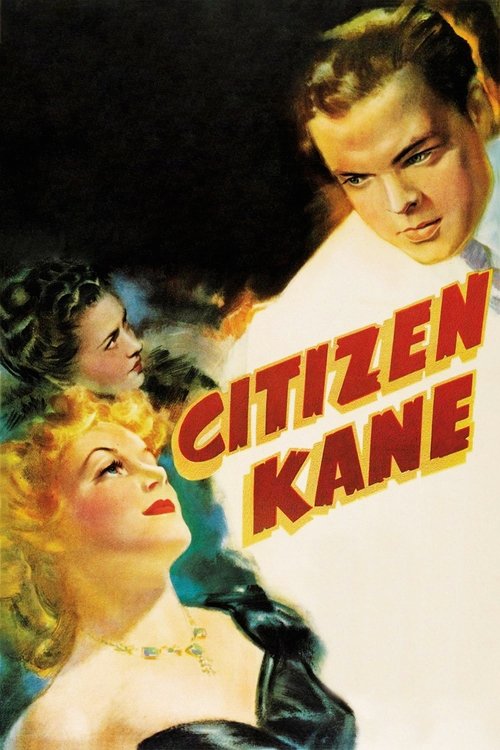
Citizen Kane1941
A man's rise and fall told through competing perspectives after his death. Like *The Power and the Glory*, it dismantles the myth of a powerful man by showing us what he actually left behind—and what he lost.
But It's been canonised to death, and the formal experimentation can feel more important than the human story underneath. Some find the overlapping narratives frustrating rather than illuminating.
The Best Years of Our Lives1946
Three men return from war and discover that the lives they left behind have moved on without them. It has the same rueful wisdom about work, family, and what we sacrifice for success that makes *The Power and the Glory* so quietly devastating.
But It's three hours long and moves slowly. The domestic drama is the real story, not the spectacle, which some viewers find underwhelming after the war setup.

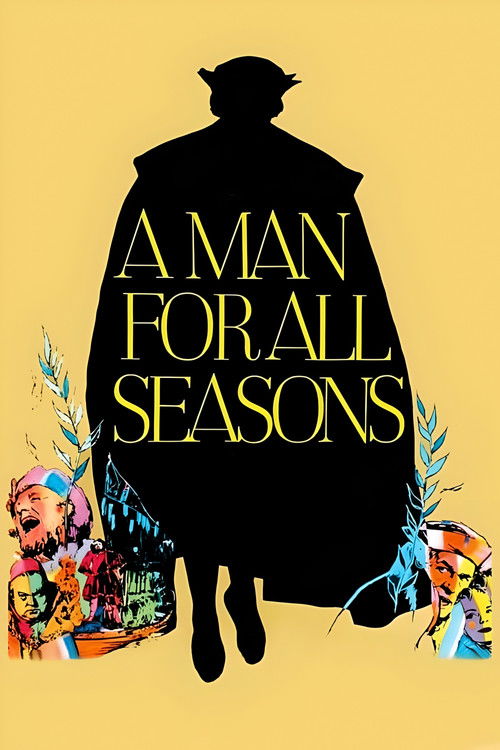
A Man for All Seasons1966
Paul Scofield plays a man of principle watching his world narrow as he refuses to compromise. It shares *The Power and the Glory*'s interest in what a life looks like from the inside versus how others perceive it.
But It's a filmed play, and it shows. Long scenes of dialogue in rooms. If you want visual dynamism or a conventional narrative, this will feel static and stagey.
Not sure tonight? Get a pick in a minute, starting from The Power and the Glory
The wildcard
Something you would not have found on your own.
Tokyo Story1953
Both films trust the viewer to feel the weight of absence and regret. They refuse melodrama in favour of simple, true observation. A man's life measured not in victories but in what he missed.
An elderly couple visits their son in Tokyo and discovers the distance between who he is and who they thought he'd become. Like *The Power and the Glory*, it's about the gap between a life lived and a life imagined, told with devastating gentleness. Ozu finds the entire tragedy of ambition and family estrangement in quiet domestic moments.
But It's deliberately static in composition and glacially paced. Almost nothing happens in conventional plot terms. Western audiences often find it boring until it suddenly breaks their hearts, which can feel like a bait-and-switch.

More like this (8)
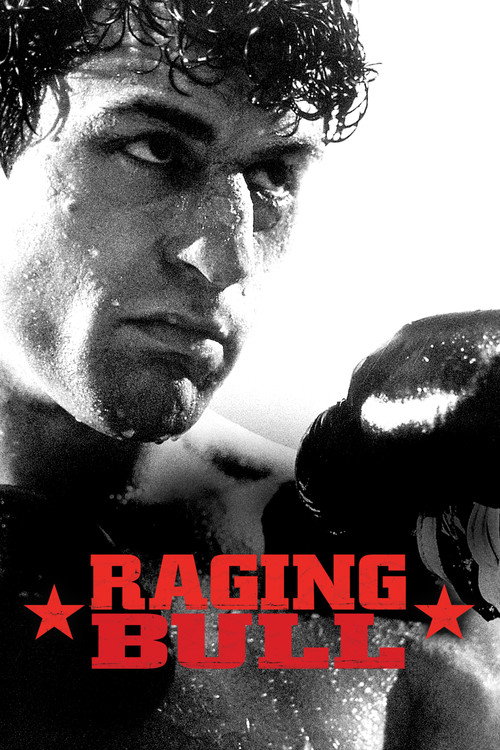
Raging Bull1980
Scorsese's portrait of Jake LaMotta is pitiless and intimate—a man destroying everyone close to him in pursuit of status and control. It has the same moral unflinching about ambition's damage that makes *The Power and the Glory* linger.
But It's violent, misogynistic by design, and the protagonist is nearly irredeemable. The black-and-white cinematography and fragmented structure demand active engagement from viewers.
Krisha2016
Ari Aster's debut follows a working-class man trying to rebuild his life and reconnect with his family after prison. It has the same naturalistic performance style and quiet examination of a man's failures as a father and husband.
But It's slow and deliberately paced with long, unbroken takes. There's minimal plot. If you want narrative momentum or clear dramatic turns, you'll find it frustrating and melancholic.

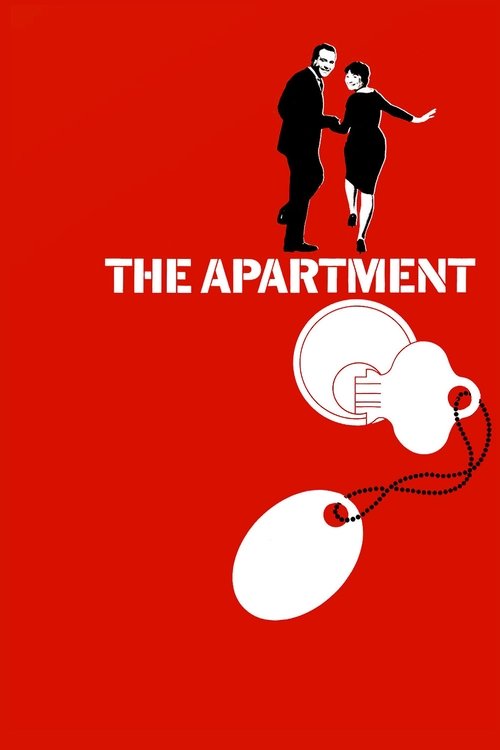
The Apartment1960
Billy Wilder's comedy-drama about a company man willing to bend his principles for advancement. It finds dark humour in the same territory—the cost of climbing, the loneliness at the top, what gets sacrificed.
But The tonal whiplash from comedy to genuine sadness throws some viewers off. It's also very much a product of its era in how it treats women and sexuality.
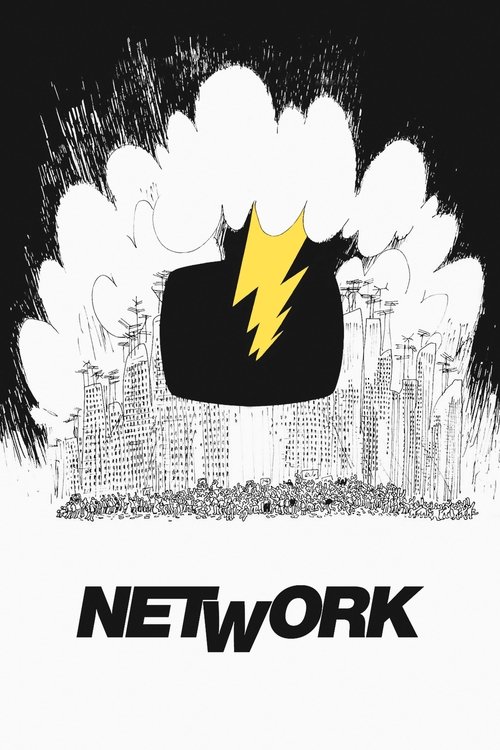
Network1976
A brilliant satire about a man ascending in a corrupt system while losing everything that matters. It has the same sharp-eyed critique of American ambition, though it swings wildly between comedy and tragedy.
But It's frantic and shrill in places. If you want subtlety or emotional restraint, the film's broad strokes and theatrical ranting will feel overwrought and dated.
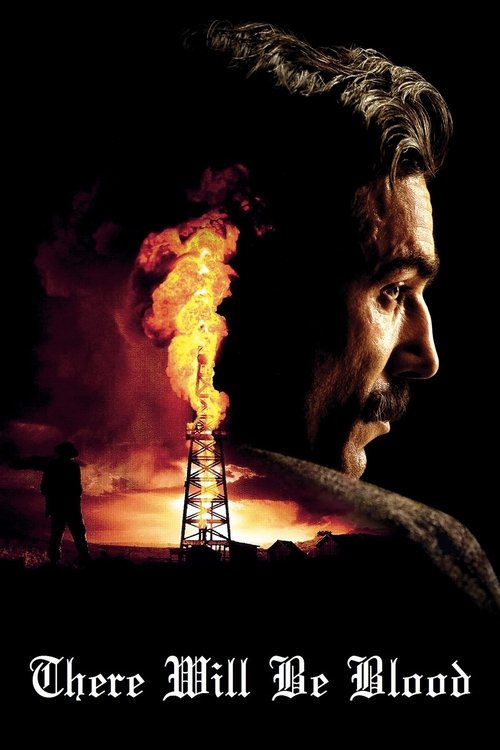
There Will Be Blood2007
Paul Thomas Anderson's epic follows an oil prospector's rise to power and his complete spiritual hollowness. It's operatic where *The Power and the Glory* is austere, but both interrogate what success actually costs a man's soul.
But It's nearly three hours of deliberate, often quiet filmmaking. There are long sequences with minimal dialogue. Patience and emotional investment are prerequisites, not options.
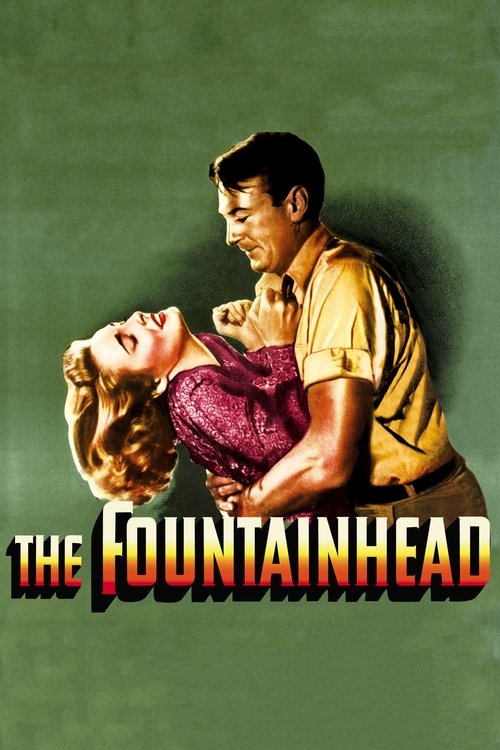
The Fountainhead1949
Gary Cooper as an architect refusing to compromise his vision. It's the inverse of *The Power and the Glory*—a man choosing integrity over worldly success. The contrast clarifies what both films are really asking.
But It's a flawed adaptation of Ayn Rand's novel, and the philosophy can feel heavy-handed. The film doesn't quite work as drama, and if you dislike the ideology, it becomes harder to watch.
Synecdoche, New York2008
Both centre on a man's blind pursuit of something—success, artistic truth—that leaves his actual life in ruins. Both suggest that some damage can't be repaired by the time you notice it.
Charlie Kaufman's labyrinthine film about a theatre director creating an obsessively detailed replica of his life inside a warehouse. It's about a man who chose his art and ambition over real human connection, watching his constructed world collapse. It's *The Power and the Glory* filtered through surrealism and contemporary despair.
But It's deliberately confusing, with shifting realities and no clear narrative rules. If you want clarity or conventional storytelling, you'll feel lost and frustrated. It demands multiple viewings and active interpretation.

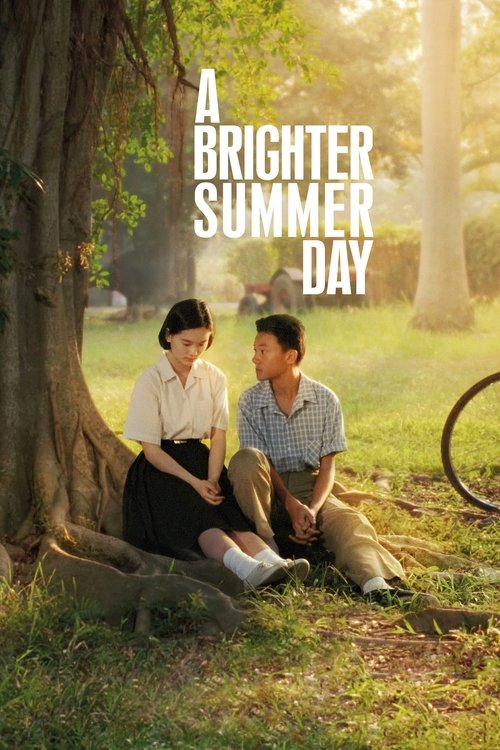
A Brighter Summer Day1991
Both are rigorous character studies that refuse to sentimentalise their protagonists. Both suggest that ambition doesn't corrupt so much as it narrows—a man becomes less, not more, as he gains power. Both end with the recognition that it's too late to change course.
Edward Yang's four-hour Taiwanese epic about a teenage gang member's brief, doomed ascent to power and influence. It mirrors *The Power and the Glory*'s structure—a life examined after a point of no return—but brings the weight of historical trauma and class struggle into play. The scope is enormous, but the intimacy is absolute.
But Four hours, Mandarin-language, 1991 Taiwanese cinema. Stylistically demanding and emotionally heavy. The pacing is unhurried. This requires genuine commitment and patience, and it won't reward casual viewing.
People
Cast
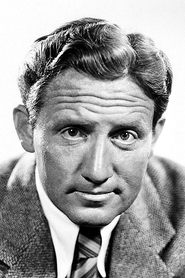 Spencer TracyTom Garner
 Colleen MooreSally Garner
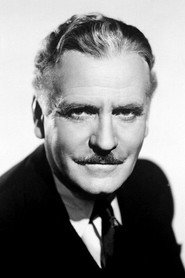 Ralph MorganHenry
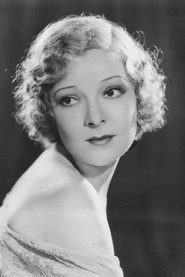 Helen VinsonEve Borden
 Phillip TrentTom Garner, Jr.
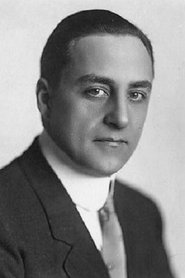 Henry KolkerMr. Borden
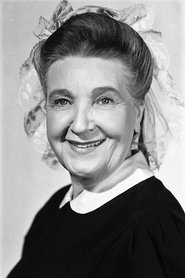 Sarah PaddenHenry's Wife
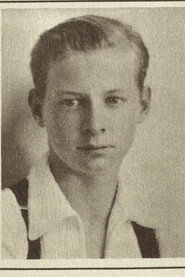 Billy O'BrienTom as a Boy
- Cullen JohnsonHenry as a Boy
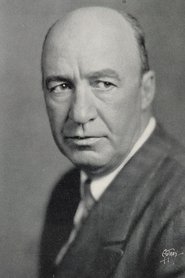 J. Farrell MacDonaldMulligan
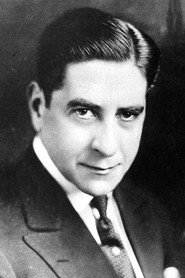 Robert WarwickEdwards (uncredited)
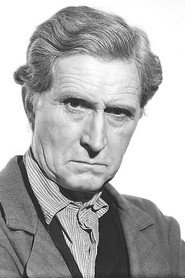 Russell SimpsonProfessor (uncredited)
Directing
- Horace HoughAssistant Director
- William K. HowardDirector
Writing
- Preston SturgesScreenplay
Production
- Jesse L. LaskyProducer
- Earl RettigUnit Production Manager
Recommended by
Citizen Kane, The Carpetbaggers, Under Pressure, Kingfish: A Story of Huey P. Long, The Octopus, Rich Man's Folly