
Film
Rich Man's Folly
A 1931 drama about a self-made shipping magnate consumed by ambition to forge his son into a business successor, at the cost of everything else. Early sound cinema, measured and theatrical, shot through with genuine melancholy about what money cannot buy and what drive destroys. For anyone curious about how Hollywood understood masculinity and fatherhood before it learned to be ironic about either.
If you liked this
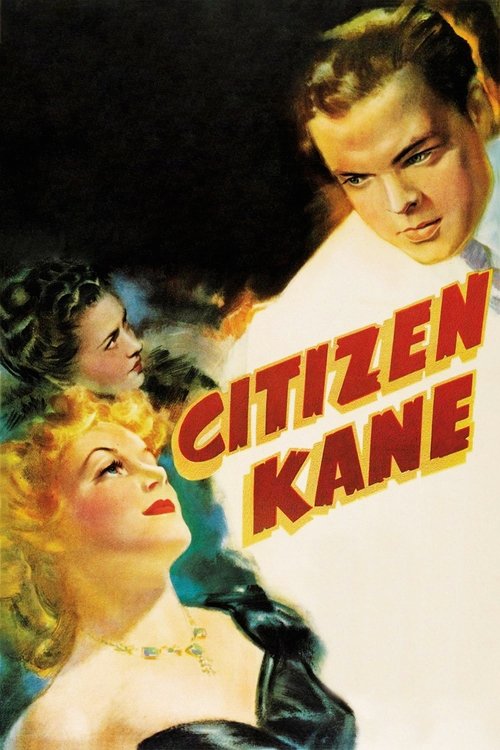
Citizen Kane1941
A man builds an empire to fill a void inside him, and we watch it hollow him out entirely. Orson Welles's masterpiece does what Rich Man's Folly attempts: traces the spiritual cost of accumulation and control with visual brilliance.
But It's long, formally challenging, and demands active watching. The narrative structure can feel obscure on first viewing.
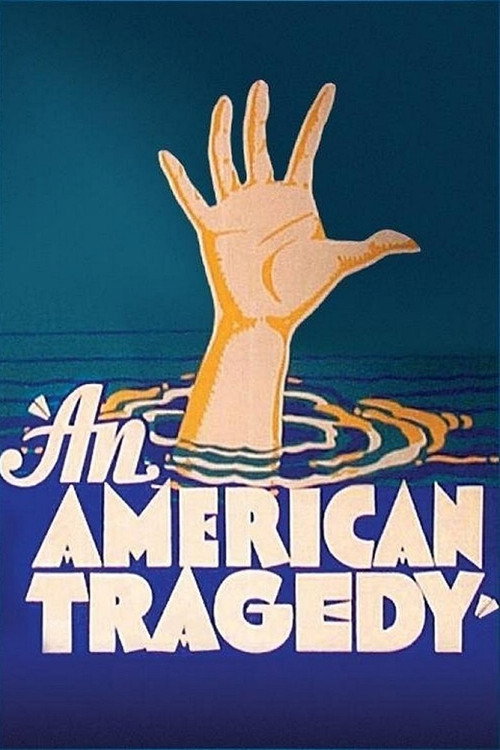
An American Tragedy1931
Released the same year, Dreiser's American tragedy played by Phillips Holmes. Another portrait of ambition and family pressure, shot with the same period restraint but darker moral conviction. Excellent company for a 1931 evening.
But The pacing is glacial by modern standards, and the ending is devastatingly bleak rather than redemptive.
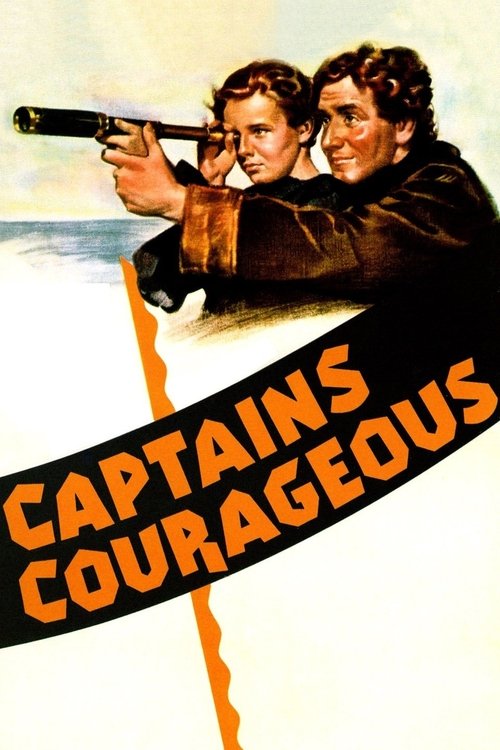
Captains Courageous1937
Spencer Tracy and Freddie Bartholomew: a hard man learning tenderness through his son. Kipling's story, beautifully made, explores the same father-son wound but finds grace instead of ruin.
But It tips toward sentiment in places, and the redemption might feel easy compared to what Rich Man's Folly refuses to offer.
Not sure tonight? Get a pick in a minute, starting from Rich Man's Folly
The wildcard
Something you would not have found on your own.
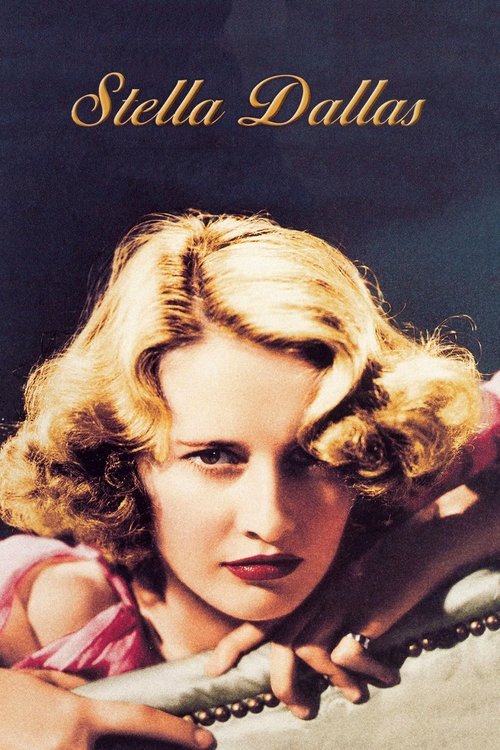
Stella Dallas1937
Both films center on a parent's narcissistic investment in a child's trajectory—one through domination, one through self-abnegation—and both question what love really means under those conditions.
Barbara Stanwyck as a mother undone by social climbing and the belief that her daughter must transcend her. The mirror image: a parent destroying themselves not for legacy but for their child's advancement. Melodrama, yes, but structured with tragic precision.
But It hinges on maternal sacrifice as redemption, which can read as manipulative rather than moving if you're skeptical of that narrative.
More like this (7)
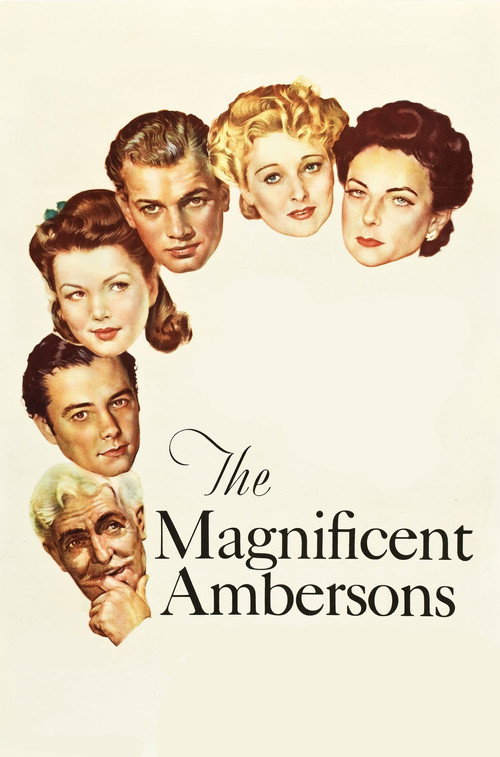
The Magnificent Ambersons1942
Welles again, this time on inherited wealth and the arrogance that destroys dynasties. A meditation on legacy and the men who mistake themselves for institutions. Visually sumptuous, emotionally austere.
But Studio interference shortened it and altered the ending. What remains is magnificent but fractured—you can feel what was cut away.
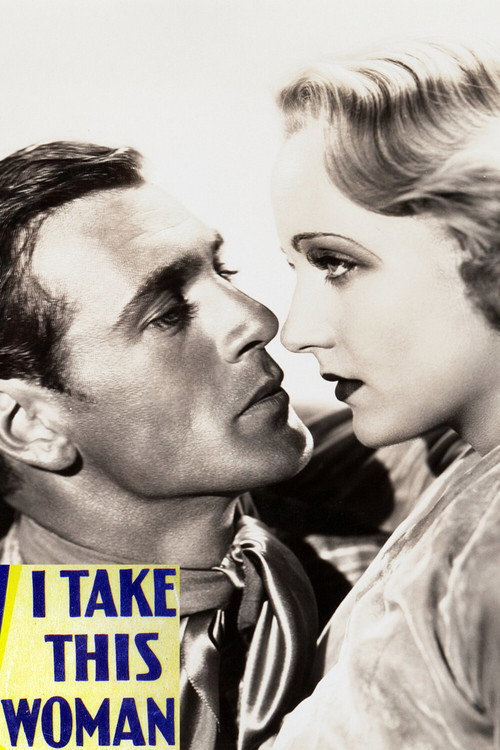
I Take This Woman1931
Another 1931 film about marriages broken by ambition and social climbing. Less remembered than it deserves, it captures the exact register of early Depression anxiety about status and what it costs.
But The melodrama can feel overwrought, and the gender politics are firmly of their era in ways that can jar.
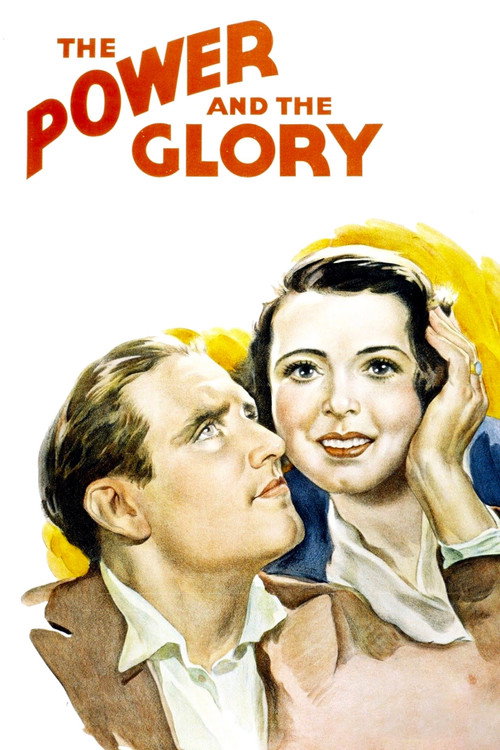
The Power and the Glory1933
Spencer Tracy as a railroad tycoon whose ruthlessness in building an empire corrodes his marriage and soul. A direct thematic sibling, shot with the same grey moral clarity about ambition's price.
But It's bleak without the compensation of visual or structural innovation—straightforward storytelling about unhappiness.
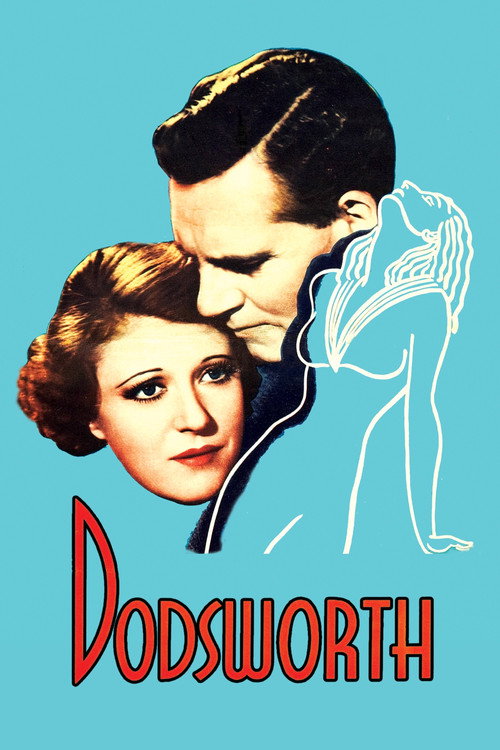
Dodsworth1936
Walter Huston as a retired industrialist discovering life after the grind. A gentler film about what happens when the work stops and you have to reckon with who you've become and who you've neglected.
But It's more about reconciliation than reckoning, which some will find hopeful and others will find evasive.
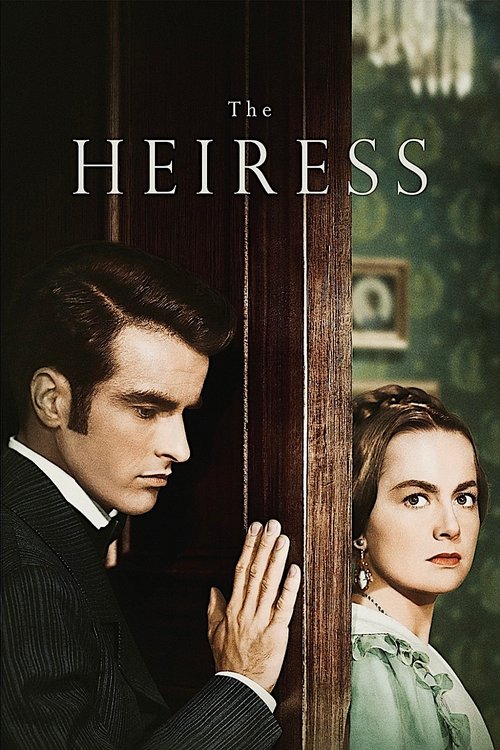
The Heiress1949
Olivia de Havilland and Montgomery Clift in a period drama about love, inheritance, and what fathers do to their children's hearts. Psychological depth that reveals the roots of Rich Man's Folly's obsessions.
But It's primarily a romance, and if that genre doesn't move you, the film's emotional architecture won't either.
Tokyo Story1953
Where Rich Man's Folly shows catastrophe through accumulation and control, Ozu shows grace through letting go. Both are about what fathers cannot give their sons, but Ozu finds something larger in that gap.
Ozu's masterpiece: elderly parents visit their son in postwar Tokyo, and nothing happens except everything does. The absence of melodrama, the refusal to judge, the acceptance of failure and distance—it's the anti-Rich Man's Folly, and all the more profound for it.
But No plot, minimal conflict, shot in geometric stillness. If you need narrative momentum or emotional catharsis, this will feel like watching paint dry.

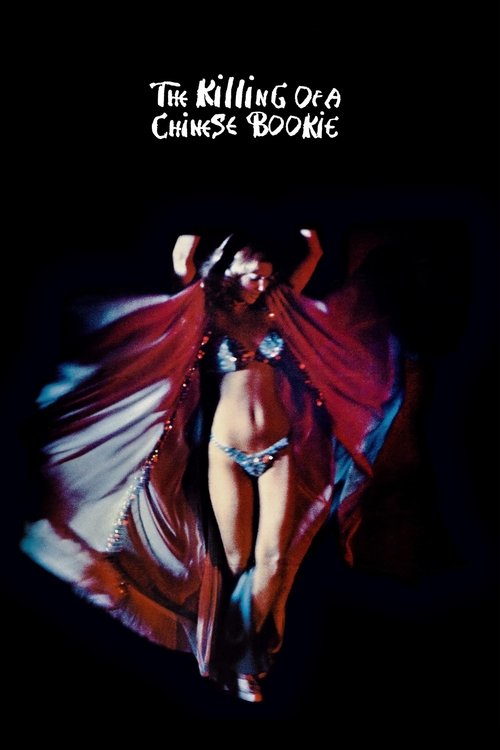
The Killing of a Chinese Bookie1976
Both films understand that a man's need to prove himself can be lethal—to himself, to those around him. Cassavetes just makes that lethal impulse visceral and immediate rather than slow and structural.
Cassavetes's brutal, uncompromising film about a man trapped by debt and damaged pride. Handheld, improvised-feeling, set in neon Los Angeles, it's light-years from 1931 in texture but identical in anatomy: the male ego as a trap door.
But It's deliberately ugly, deliberately difficult to like or parse. The moral ambiguity will frustrate you, and the violence is sudden and unsettling.
People
Cast
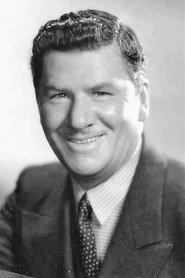 George BancroftBrock Trumbull
 Frances DeeAnn Trumbull
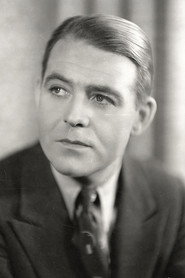 Robert AmesJoe Warren
 Juliette ComptonPaula Norcross
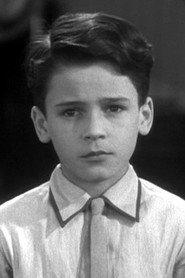 David DurandBrock Junior
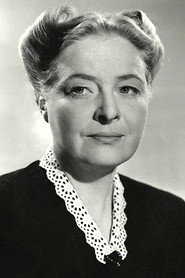 Dorothy PetersonKatherine Trumbull
 Harry AllenMcWylie
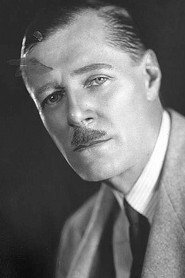 Gilbert EmeryKincaid
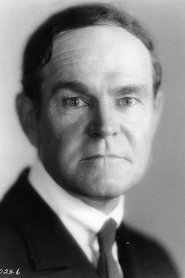 Guy OliverDayton
 Anne ShirleyAnne, as a child
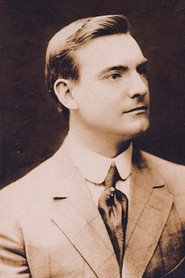 George MacFarlaneMarston
Directing
- John CromwellDirector
Writing
- Charles DickensNovel
- Edward E. Paramore Jr.Writer
- Grover JonesWriter