
Film
An American Tragedy
- Social drama
- Film noir
- Very dark
Josef von Sternberg's 1931 masterpiece examines American ambition with surgical precision. A young man caught between two women—one rich, one poor—commits an act that destroys them all. It's a film about desire, class, and the machinery that grinds down the desperate. Handsomely made, deeply sad, and terrifyingly relevant.
Should you watch it?
Watch it if you like slow-building moral dramas where the pressure comes from a character's own rationalizing, and you don't mind early-talkie staging for the sake of a bleak, patient study of ambition.
Skip it if you need brisk pacing or modern polish, since this 1931 early-sound picture moves deliberately and its theatrical acting can feel stagey to ears used to naturalism.
What it asks of you: Settle in for a long, unhurried ninety-six minutes; much of its weight sits in quiet looks and drawn-out conversations, so it rewards steady attention more than quick reactions.
Not sure? Find tonight's pick in a minute.
If you liked this
Rope1948
Hitchcock's confined chamber thriller about two murderers and their coverup. Like An American Tragedy, it examines how ordinary men rationalize the unforgivable, and watches them unravel with dark fascination.
But The gimmick—filmed in long takes—can feel theatrical rather than cinematic. Some find it stagey and airless.

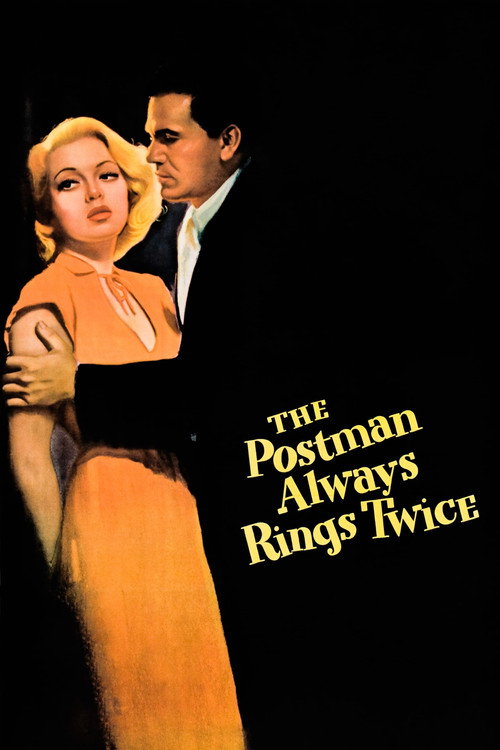
The Postman Always Rings Twice1946
Lana Turner and John Garfield ignite with dangerous chemistry in this noir about lust, murder, and guilt. It shares An American Tragedy's sense that desire and ambition are forces that destroy everyone they touch.
But The moral reckoning is brisk by modern standards. The ending may feel abrupt if you're expecting psychological depth over moral judgment.
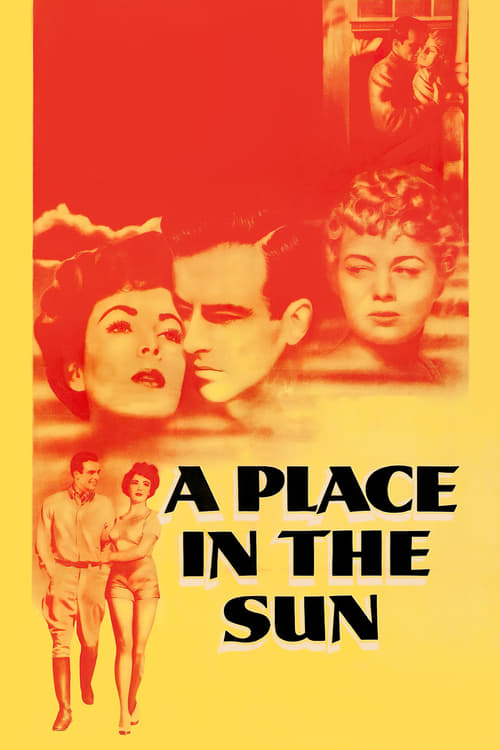
A Place in the Sun1951
Essentially a lush 1950s remake of the same Theodore Dreiser novel. Montgomery Clift and Elizabeth Taylor are luminous and tragic. If you want the story again with different texture, this is the elegant alternative.
But The beauty of it can soften the horror. It's more romantic than critical in ways that might feel dishonest after Sternberg's lean, unflinching approach.
Not sure tonight? Get a pick in a minute, starting from An American Tragedy
The wildcard
Something you would not have found on your own.
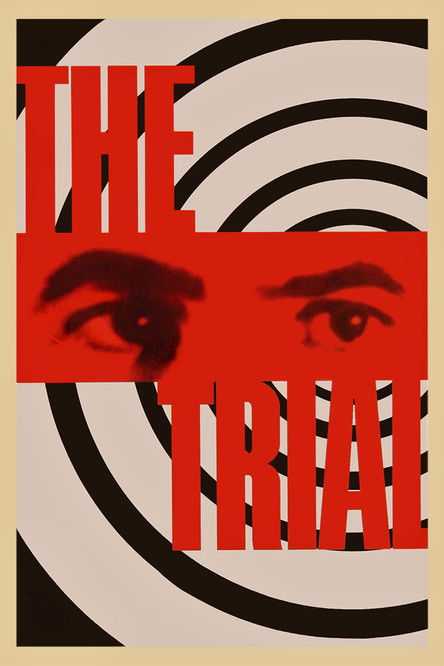
The Trial1962
Both are about innocent men ground down by institutional power they cannot escape or negotiate with. One is American capitalism; one is totalitarian bureaucracy. Same entrapment, different machine.
Orson Welles' adaptation of Kafka, starring Anthony Perkins as a man destroyed by a system he can't understand. Like An American Tragedy, it's a study of an ordinary man crushed by forces larger than himself—but here the machinery is surreal and totalitarian.
But It's cryptic and expressionistic rather than naturalistic. If you want clarity about what's happening, you won't find it. The dreamlike style can feel willfully obscure.
More like this (7)
The Killers1946
Burt Lancaster's debut: a boxer destroyed by ambition and the wrong woman. Robert Siodmak's direction is as fatalistic as An American Tragedy, and the whole film radiates doomed inevitability.
But The narrative jumps around in time. The fractured structure can feel unnecessarily complex for a relatively simple tragedy.

In Cold Blood1967
Richard Brooks' documentary-style account of real murderers. Unflinching examination of how ordinary need and greed become capital crime. Shares An American Tragedy's refusal to sensationalize or excuse.
But It's bleak and methodical to the point of numbness. Some viewers find the clinical approach emotionally distant rather than affecting.
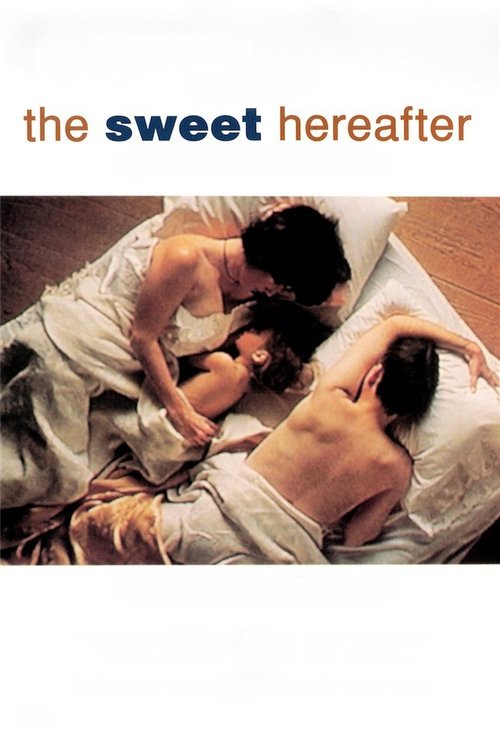
The Sweet Hereafter1997
Atom Egoyan's investigation of how a community fractures after tragedy. Like An American Tragedy, it examines how individual desire ripples into collective destruction, and how people rationalize the unforgivable.
But The fractured chronology and overlapping narratives demand patience. It's abstract and meditative rather than plot-driven.
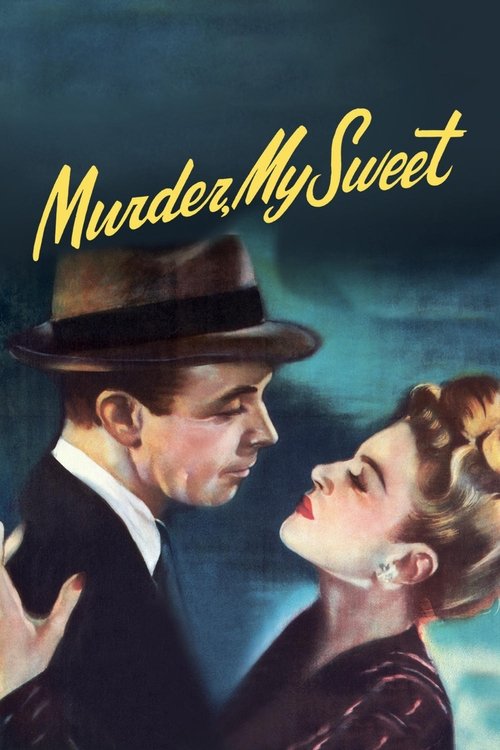
Murder, My Sweet1944
Dick Powell's descent into noir corruption. A man trying to do right gets tangled in greed and violence. Shares An American Tragedy's conviction that ambition and desire are booby traps.
But It's a genre exercise, slicker and more cynical than tragic. The tone is hardboiled rather than heartbroken.
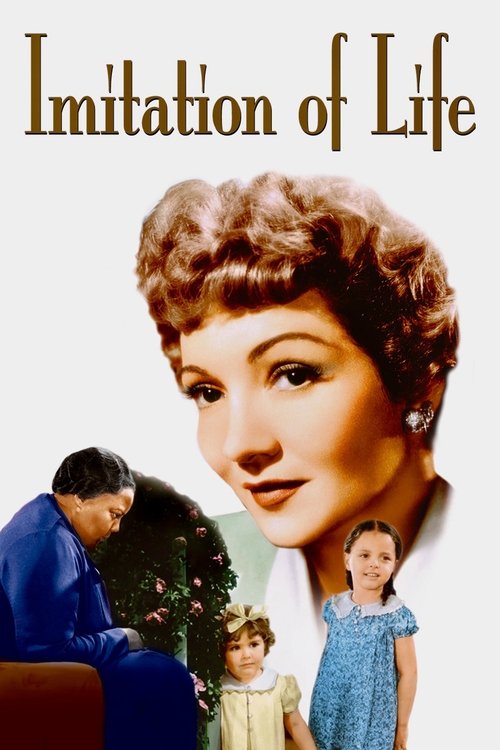
Imitation of Life1934
John Stahl's film about a woman's rise and the human cost of her ambition. Less explicitly criminal than An American Tragedy but equally interested in how climbing destroys relationships and hardens the soul.
But It focuses on female ambition in ways that can feel dated. The emotional climax, while powerful, relies on melodramatic gesture rather than tragic inevitability.
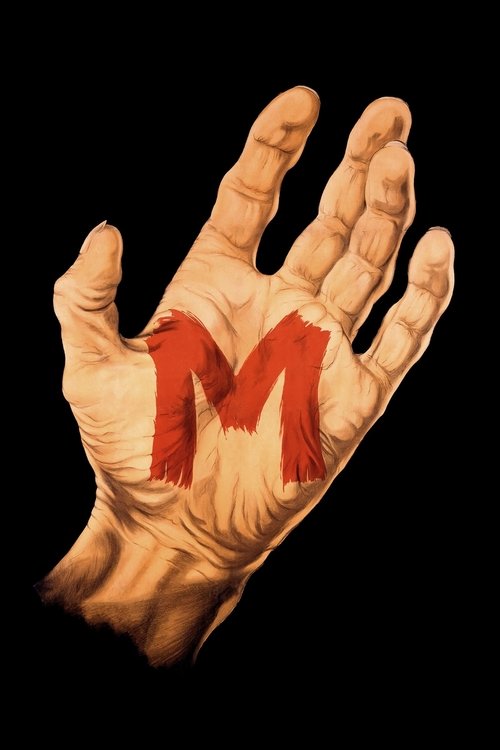
M1931
Both films arrived in 1931 asking the same question: what makes an ordinary man commit the unforgivable? Both refuse easy answers. Both treat crime as tragedy rather than spectacle.
Fritz Lang's German masterpiece, released the same year as An American Tragedy. A child murderer hunted by both police and the criminal underworld. It's about monstrosity, guilt, and society's hunger for retribution—unflinching and modern.
But It's in German with subtitles. More importantly, it's genuinely disturbing and morally complex in ways that can feel exhausting. No catharsis, only questions.
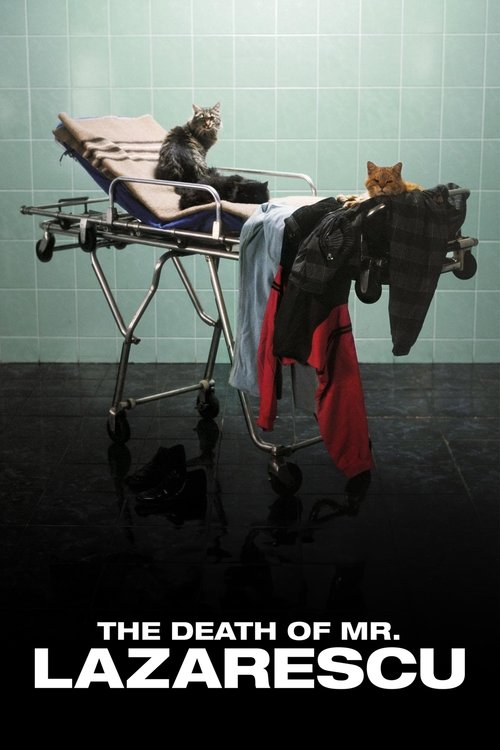
The Death of Mr. Lazarescu2005
Where An American Tragedy shows ambition destroying the ambitious, this shows indifference destroying the powerless. Both are anatomies of how society grinds people down. An American Tragedy is tragedy; this is horror—but the mechanism is the same.
A Romanian realist film following an old, sick man through a night of bureaucratic humiliation. It sounds nothing like An American Tragedy, but it's equally about social machinery destroying the vulnerable. Longer, slower, agonizing—and absolutely necessary.
But It's three hours of a man getting kicked by the system. No plot, no dramatic release, no revenge. If you need something to happen, this will infuriate you. The accumulation of small cruelties can feel punishing.
People
Cast
 Phillips HolmesClyde Griffiths
 Sylvia SidneyRoberta 'Bert' Alden
 Frances DeeSondra Finchley
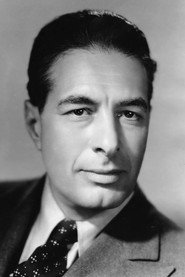 Irving PichelDistrict Attorney Orville Mason
- Frederick BurtonSamuel Griffiths
 Claire McDowellMrs. Samuel Griffiths
- Wallace MiddletonGilbert Griffiths
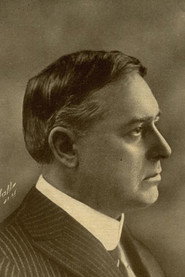 Emmett CorriganBelknap
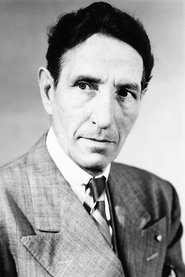 Charles MiddletonAttorney Reuben Jephson
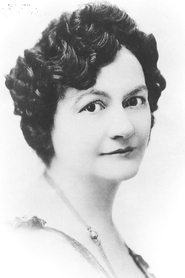 Lucille La VerneMrs. Asa Griffiths
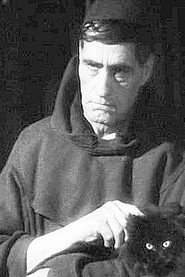 Al HartTitus Alden
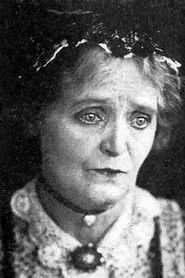 Fanny MidgleyMrs. Titus Alden
Directing
- Josef von SternbergDirector
Writing
- Theodore DreiserNovel
- Samuel HoffensteinScreenplay
- Josef von SternbergWriter
Production
- Josef von SternbergProducer
Recommended by
A Place in the Sun, Liliom, Corridors of Blood, Rich Man's Folly, Downhill, Winterset