
Film
Corridors of Blood
- Drama
- Very dark
A 1958 British horror-drama where Boris Karloff plays an idealistic surgeon experimenting with anesthesia in 1840s London. After a catastrophic demonstration, he spirals into addiction and unwittingly entangles himself with murderers and blackmailers. It's a portrait of ambition curdling into desperation, anchored by Karloff's weary dignity as a good man making incrementally worse choices.
Should you watch it?
Watch it if you like period Gothic horror where the dread comes from a decent man's slow moral slide through grimy London, with Karloff doing the sympathetic heavy lifting.
Skip it if you want brisk scares or a tidy plot, since this is a talky, sooty costume piece where the chills arrive in small doses between long stretches of 1840s dealings.
What it asks of you: Eighty-six minutes, slow to build in the middle, asking you to sit with a moral tangle more than to jump at shocks.
Not sure? Find tonight's pick in a minute.
If you liked this
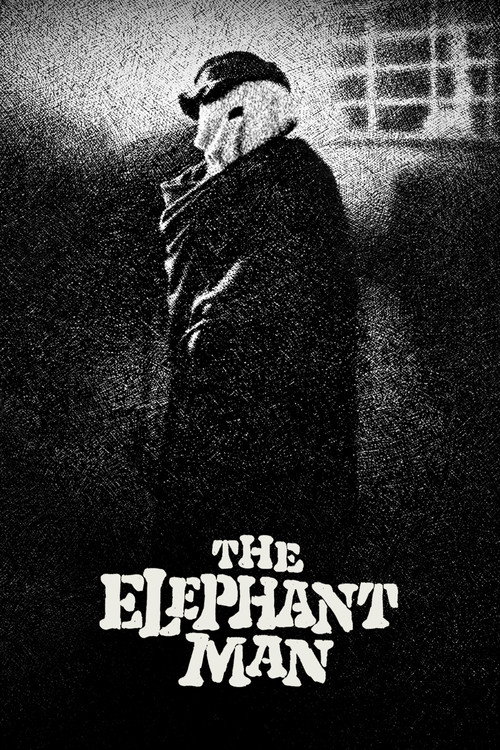
The Elephant Man1980
Explores the humanity of a medical outsider with the same empathy Karloff brings here. Lynch's visual poetry transforms suffering into something transcendent, and John Hurt delivers career-best work as the title character.
But David Lynch's narrative is dreamlike and sometimes oblique; if you want plot clarity over emotional texture, this won't satisfy.
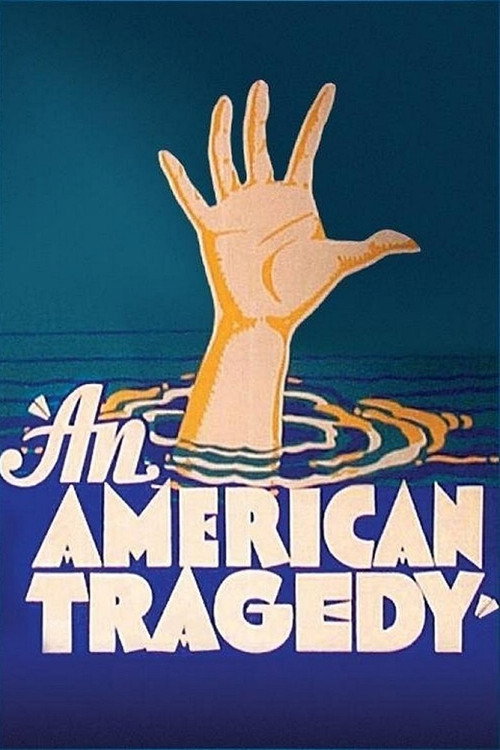
An American Tragedy1931
Another portrait of a good person's incremental moral collapse, this time driven by social ambition and love. George Stevens directs with real gravity, and the film captures the suffocating logic of self-destruction.
But It's long, deliberately paced, and the tragedy feels inevitable rather than surprising. Some find that fatalism depressing rather than cathartic.
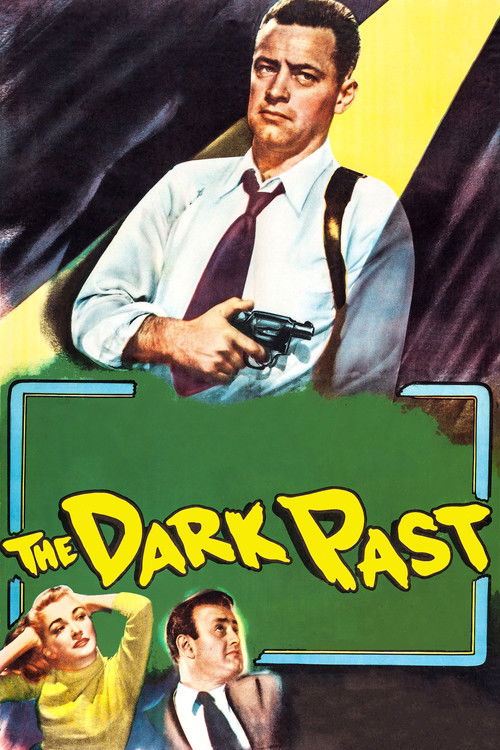
The Dark Past1948
William Holden as a criminal attempting redemption through psychoanalysis. It asks whether people can genuinely change, and it treats both crime and recovery with unusual thoughtfulness for its era.
But The psychological framework feels dated now, and the resolution relies on therapeutic breakthroughs that won't convince modern viewers.
Not sure tonight? Get a pick in a minute, starting from Corridors of Blood
The wildcard
Something you would not have found on your own.
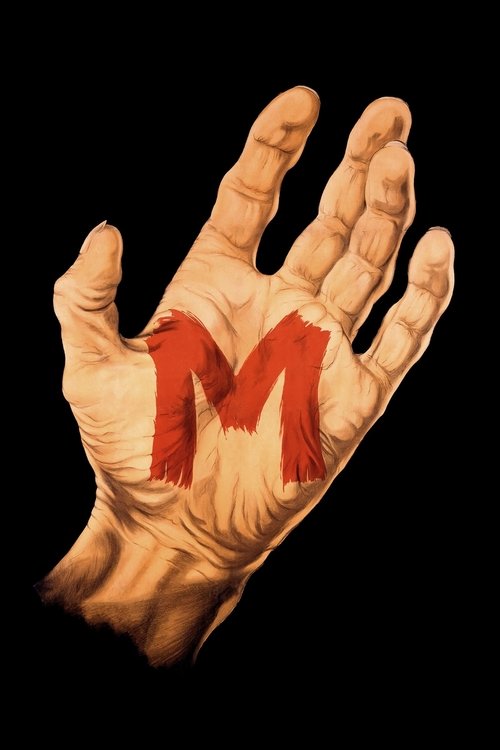
M1931
Both films are fascinated by the machinery that turns a man into a hunted thing. Both understand that the criminal and the hunter are sometimes closer than either would admit. Lang's criminal is sympathetic without excuse; Karloff's is guilty without intention. They're mirror images.
Fritz Lang's masterpiece about a city hunting a child murderer. It's the ancestor of everything *Corridors* touches—the criminal underworld, the hunt, the collapse of a transgressor—but in a form so perfect and urgent it shames most descendants.
But The print quality varies wildly depending on which version you find, and the pacing is slow by modern standards. Some find the German Expressionist style mannered.
More like this (7)
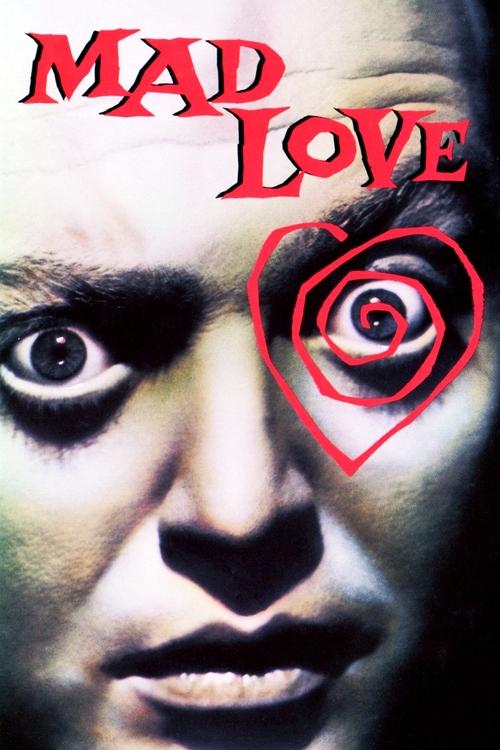
Mad Love1935
Peter Lorre as a obsessed surgeon who crosses ethical lines for love. It's Gothic, darkly funny, and absolutely committed to its own madness. Lorre is mesmerizing.
But The plot mechanics are pulpy and the pacing lurches; it's more fever dream than logic puzzle.
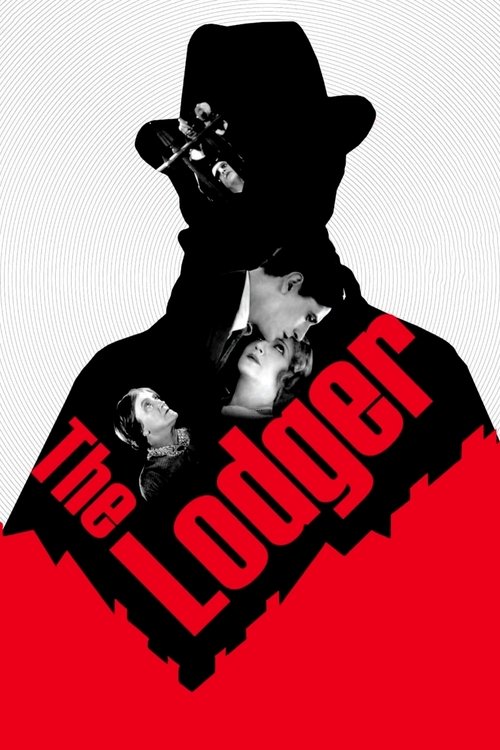
The Lodger: A Story of the London Fog1927
Hitchcock's silent masterpiece about a man suspected of being a serial killer. It perfects the grammar of suspicion and paranoia that *Corridors of Blood* echoes.
But Silent film requires patience and active engagement. If you expect dialogue and conventional narrative momentum, it will feel glacial.
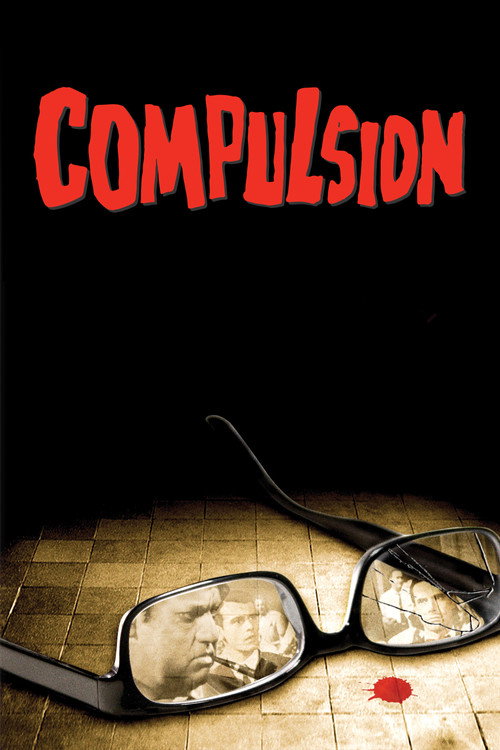
Compulsion1959
Orson Welles as a defense attorney in a fictionalized Leopold-Loeb case. It's intellectually rigorous about how brilliant people rationalize evil, and Welles commands every scene.
But It's a courtroom drama that prioritizes argument over action. Long speeches will test your patience.
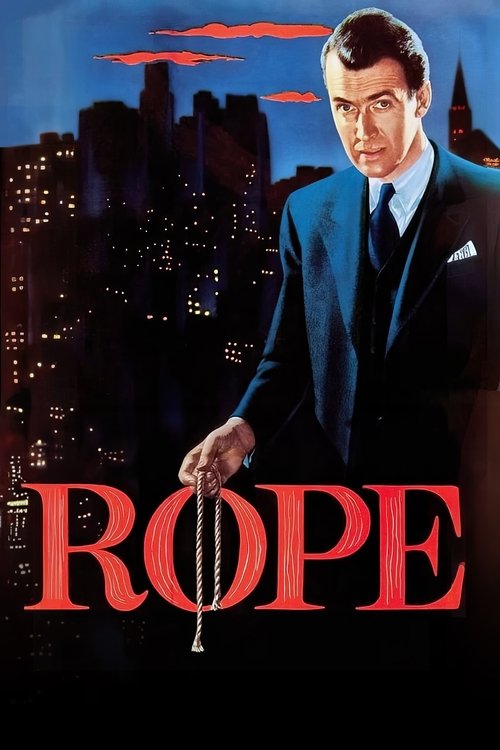
Rope1948
Hitchcock again, this time about two killers trapped in a room with their crime and their guests. It's claustrophobic, morally complex, and technically audacious.
But The real-time gimmick means it can feel static. If you need external plot movement, the containment will frustrate.
Venom1981
Christopher Lee (who plays Resurrection Joe here) in a hostage thriller with real moral ambiguity. Pacing is relentless and the cast is extraordinary.
But It's more thriller than character study, and the ending pivots in ways some find unsatisfying.

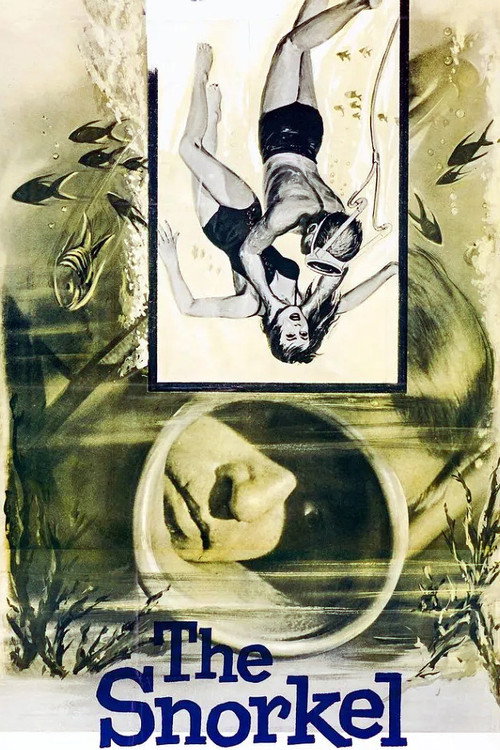
The Snorkel1958
Released the same year, this British noir about a man suspected of murder has similar period atmosphere and moral uncertainty. Peter van Eyck is haunting as the accused.
But It's relatively obscure for good reason—the plot mechanics are convoluted and the resolution feels thin.
The Servant1963
Like *Corridors*, it's about power and degradation disguised as partnership. A man thinks he's in control and slowly realizes he's being destroyed from within by someone he invited close. Both films understand that the best trap is the one you build yourself.
Joseph Losey's psychological thriller about a master and servant whose relationship inverts and corrodes. James Fox and Dirk Bogarde are hypnotic, and the film moves from drawing room to nightmare with surgical precision.
But It's abstract and morally murky; there's no moment where everything clicks into place. Some viewers find that refusal to resolve deeply frustrating.

People
Cast
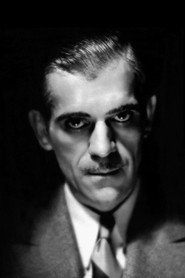 Boris KarloffDr. Thomas Bolton
 Betta St. JohnSusan
 Christopher LeeResurrection Joe
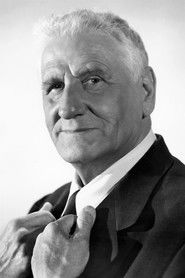 Finlay CurrieSupt. Charles Matheson
 Adrienne CorriRachel
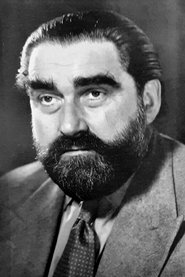 Francis de WolffBlack Ben
 Francis MatthewsJonathan Bolton
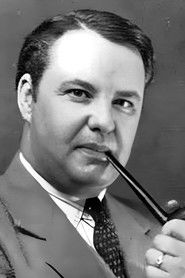 Frank PettingellMr. Blount
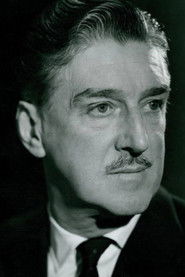 Basil DignamHospital Chairman
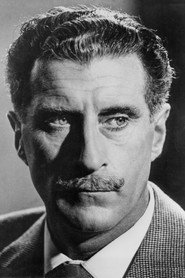 Nigel GreenInsp. Donovan
 Yvonne RomainRosa (as Yvonne Warren)
- Howard LangChief Inspector
Directing
- Peter BoltonAssistant Director
- Susan DysonContinuity
- Robert DayDirector
- Michael StevensonThird Assistant Director
Writing
- Jean Scott RogersScreenplay
Production
- Peter MayhewAssociate Producer
- Richard GordonExecutive Producer
- Charles F. VetterProducer
- John CroydonProducer
- George MillsProduction Manager
Recommended by
The Hound of the Baskervilles, Asylum, Captain Clegg, The Black Torment, The Brain