
Film
Compulsion
Compulsion drops you into 1920s Chicago as two clever young men, secure in their own brilliance, plan a murder as an intellectual exercise. Orson Welles arrives late as their lawyer, delivering an extraordinary closing argument against the death penalty. It's talky, moral, and unnervingly calm about horror — closer to philosophy than thriller, perfect for anyone who likes courtroom drama with teeth.
If you liked this
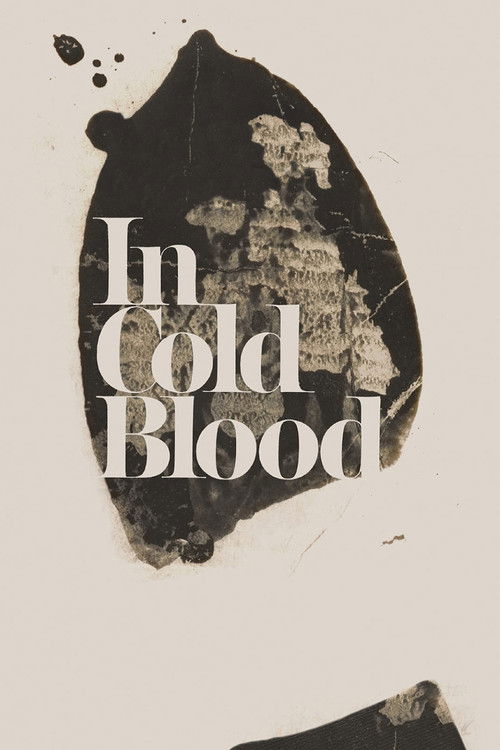
In Cold Blood1967
Truman Capote's nonfiction novel got the same monochrome, morally exhausted treatment a decade later — real killers, real victims, the same refusal to let you look away or feel superior.
But Bleaker and more procedural than Compulsion, with none of Welles's rhetorical fireworks to soften the dread.
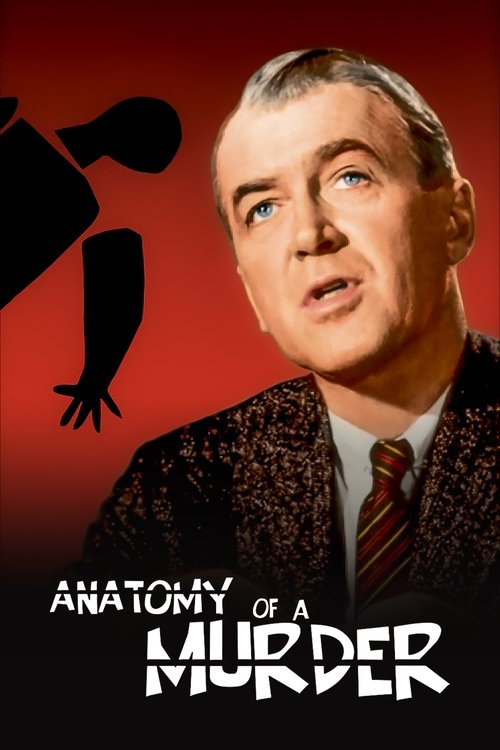
Anatomy of a Murder1959
Same year, same appetite for courtroom procedure as moral theater — Jimmy Stewart plays defense counsel with a cynicism Welles never quite allows himself, and the trial runs even longer and dirtier.
But Nearly three hours of legal maneuvering; if you wanted more Welles-style grandstanding, Stewart's approach is quieter and slyer.
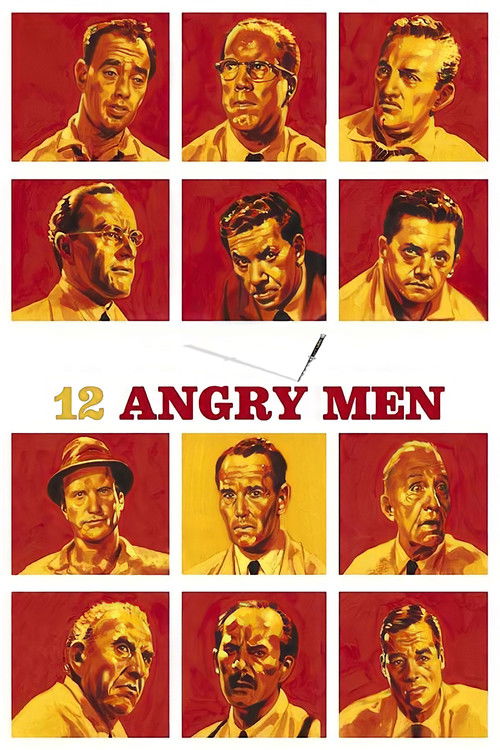
12 Angry Men1957
Strip away the crime and the killers, and you get the jury room instead — twelve strangers arguing over a young man's guilt in real time, with the same faith that a good speech can change a verdict.
But No courtroom, no defendant on screen, no Welles-sized monologue — just twelve men and a table.
The wildcard
Something you would not have found on your own.
Swoon1992no page yet
Tells the same Leopold and Loeb story Compulsion fictionalizes, but restores the queerness the 1959 film could only imply, and shoots it with the jagged, sexually explicit style Hollywood couldn't touch.
Tom Kalin's independent film takes the same real case and refuses the euphemism — a queer, formally daring retelling that treats the crime's psychology and its sexuality as inseparable, decades before that was mainstream-safe.
But Rougher, stranger, and far more sexually frank than Compulsion — a deliberately confrontational art film, not a polished studio picture.
More like this (7)
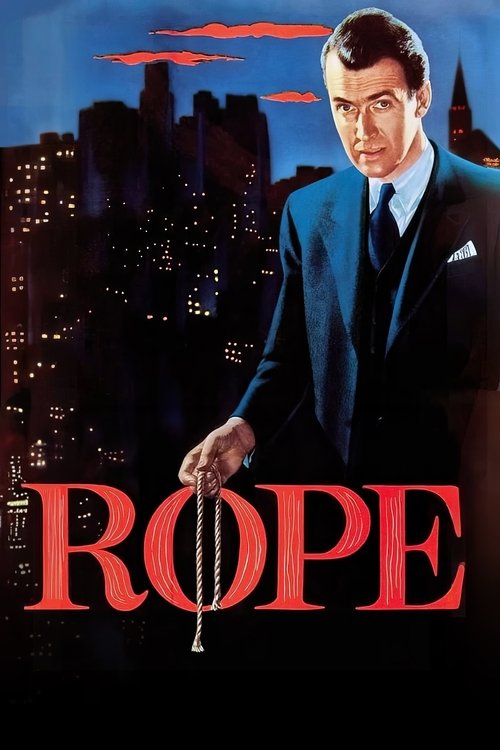
Rope1948
Hitchcock got there first, fictionalizing the same Leopold and Loeb case as two Manhattan sophisticates who murder a friend for the thrill of getting away with it, filmed in unbroken takes.
But Stagier and colder than Compulsion, with a queasy playfulness that some find more chilling and others find too clever by half.
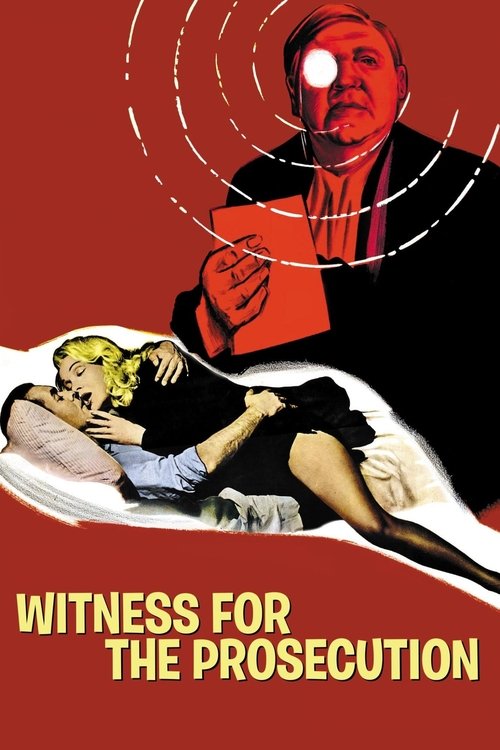
Witness for the Prosecution1957
If you liked watching a defense case built and dismantled in a courtroom, this Billy Wilder thriller does it with more twists and a genuinely startling final act.
But Plottier and less interested in psychology or capital punishment than Compulsion — it wants to surprise you, not unsettle you.
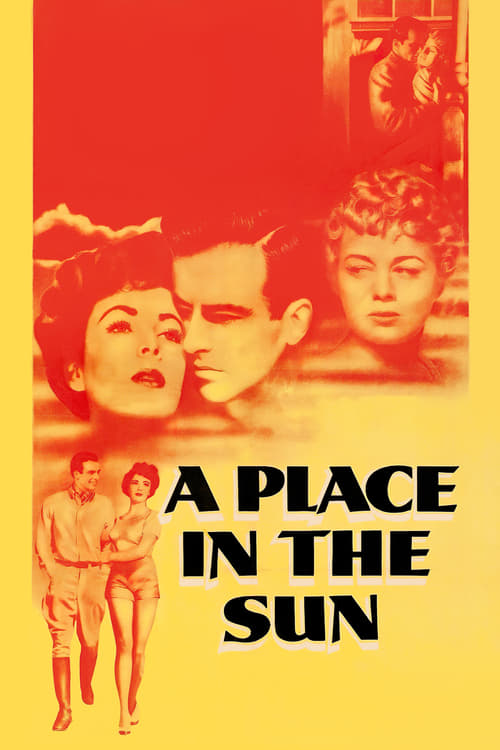
A Place in the Sun1951
Montgomery Clift plays a young man whose ambition curdles into something like murder, and the film asks the same question Compulsion does: how much of guilt is character, and how much is circumstance?
But A romance first and a crime story second — the courtroom, when it finally arrives, is brief.
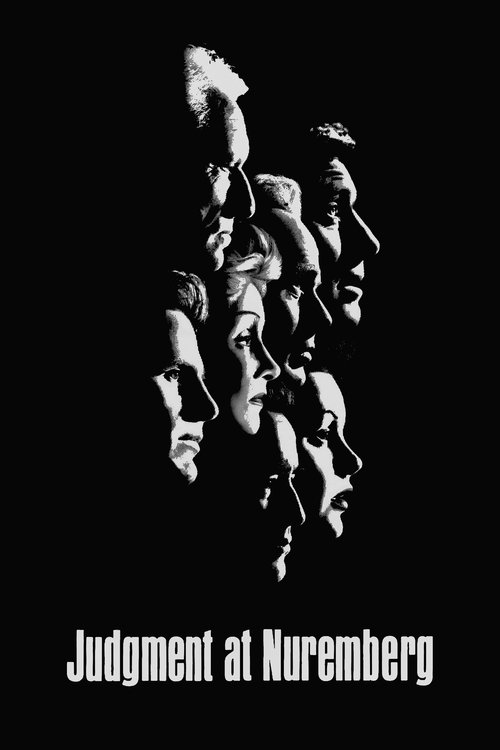
Judgment at Nuremberg1961
Another prestige trial picture with a titan actor delivering the moral centerpiece — this time Spencer Tracy presiding over judges accused of war crimes, weighing law against conscience.
But Three hours long and far graver in subject; the courtroom philosophy runs even thicker than in Compulsion.
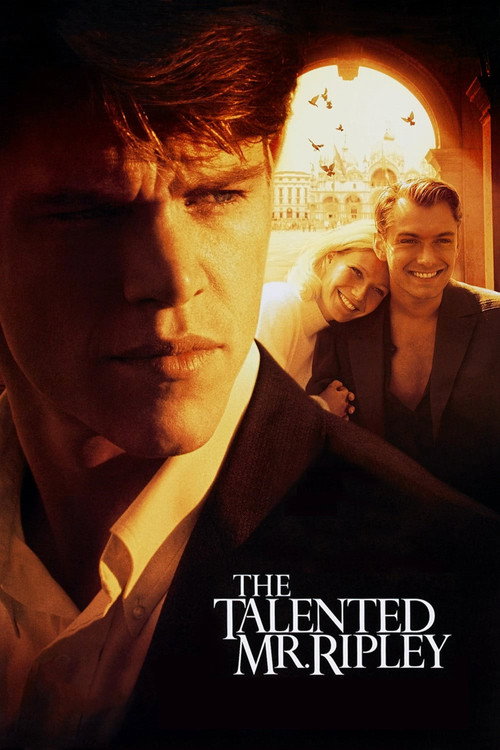
The Talented Mr. Ripley1999
A different decade, a different crime, but the same fascination with a brilliant, entitled young man who believes his intelligence exempts him from consequence — and very nearly proves it.
But Glossier and more seductive than Compulsion — it wants you half in love with its killer, not horrified by him.
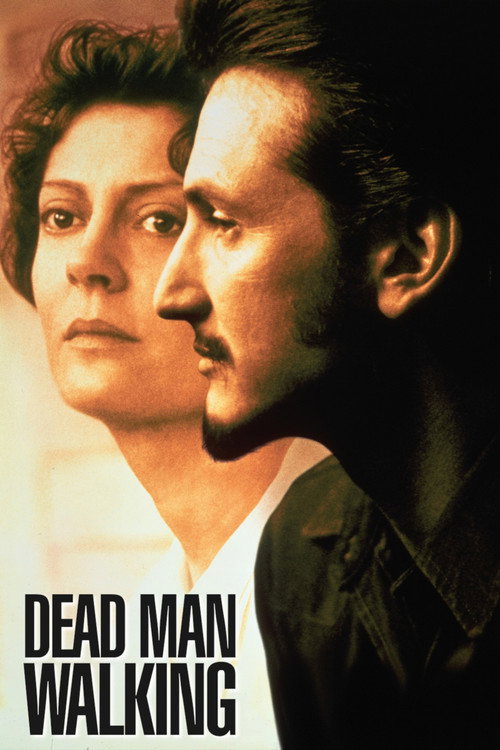
Dead Man Walking1995
Susan Sarandon's nun sits with a condemned man and asks the exact question Welles's closing argument raises — what does it mean to kill someone for killing someone — but from the other side of the sentence.
But A much more contemporary and religious frame; the crime here is settled fact, not a puzzle to solve.
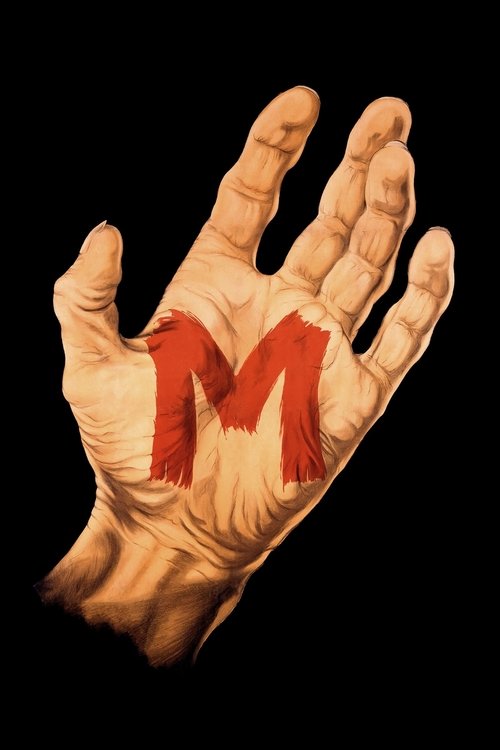
M1931
Nearly three decades earlier, Lang used a child killer to ask the same question Welles's closing argument does: whether a mob's need for vengeance is any less monstrous than the crime it punishes.
A German thriller that invented half the language of the modern crime film, and gets just as uneasy about crowds baying for blood as Compulsion does about a courtroom baying for a hanging.
But Older, subtitled, and expressionist in style — a real adjustment if all you want is a courtroom drama.
People
Cast
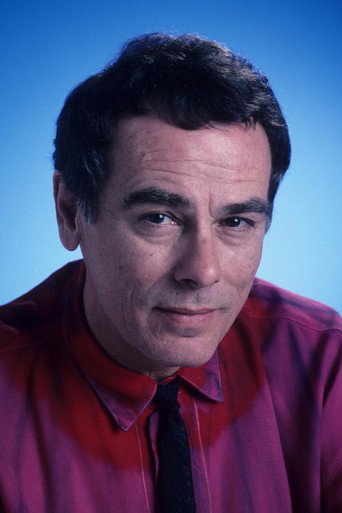 Dean StockwellJudd Steiner
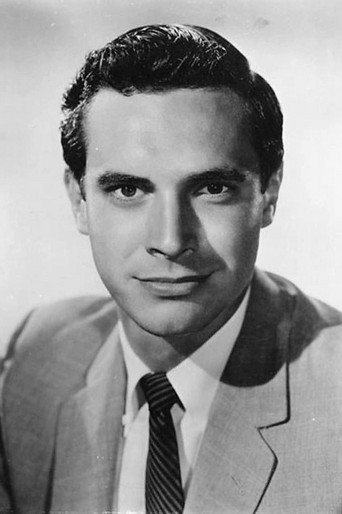 Bradford DillmanArthur A. Straus
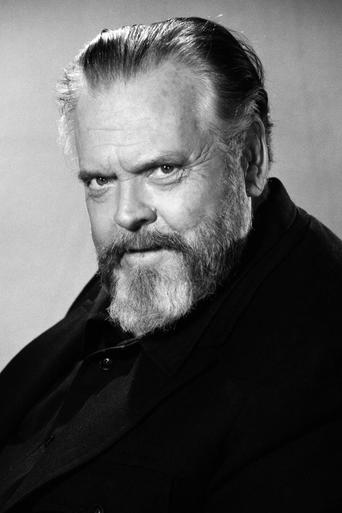 Orson WellesJonathan Wilk
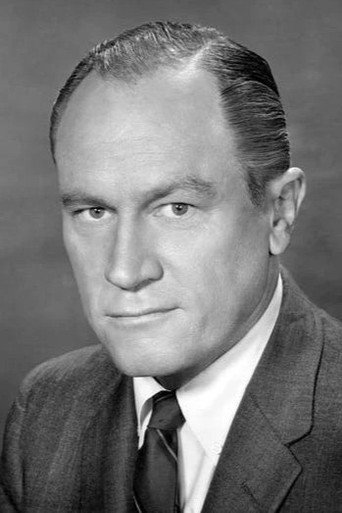 E.G. MarshallDistrict Attorney Harold Horn
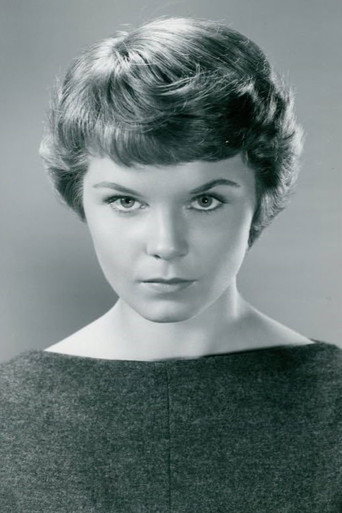 Diane VarsiRuth Evans
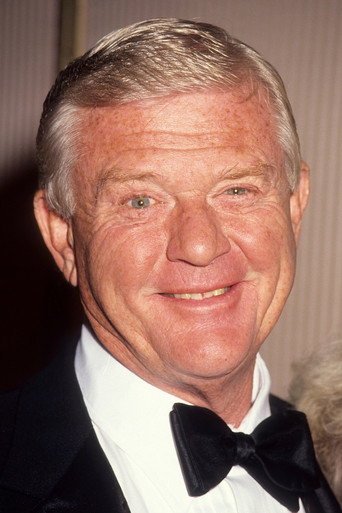 Martin MilnerSid Brooks
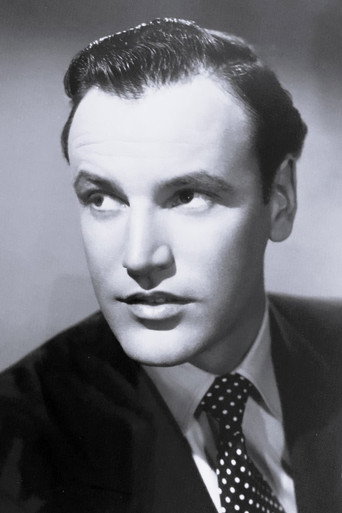 Richard AndersonMax Steiner
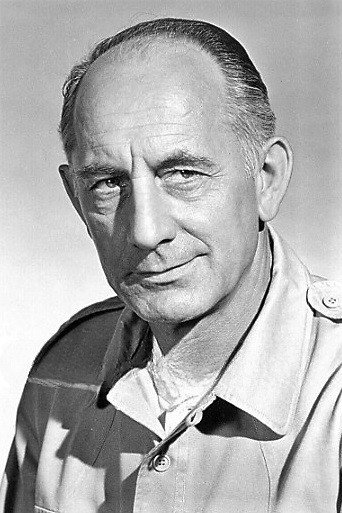 Robert F. SimonPolice Lt. Johnson
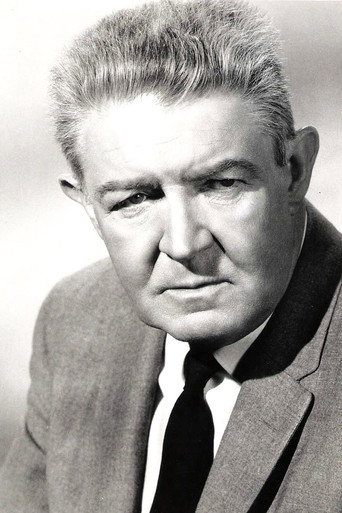 Robert BurtonCharles Straus
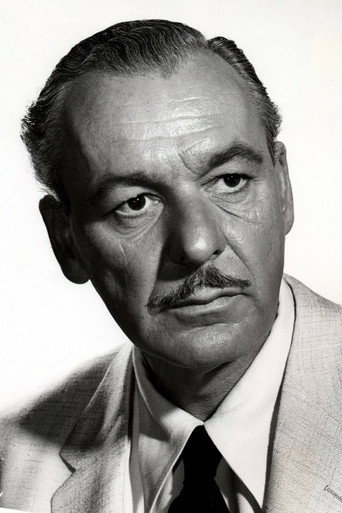 Wilton GraffMr. Steiner
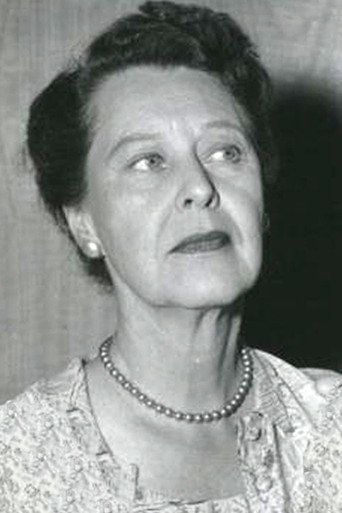 Louise LorimerMrs. Straus aka 'Mumsy'
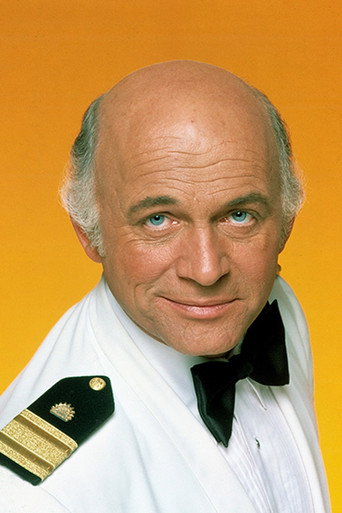 Gavin MacLeodPadua - Horn's Assistant
Directing
- Richard FleischerDirector
Writing
- Meyer LevinNovel
- Richard MurphyScreenplay
Production
- Richard D. ZanuckProducer
Recommended by
In Cold Blood, Rope, Boomerang!, Manhunt, The Bad Seed, Call Northside 777, Crossfire, Heavenly Creatures