
Film
Violent Playground
A 1958 British crime drama following a juvenile liaison officer trying to reach a troubled firebug in post-war Liverpool. Gritty, compassionate, and unflinching about class and institutional failure, it treats delinquency as a social problem rather than moral failure. For anyone interested in how crime cinema wrestled with youth and responsibility before it became myth.
If you liked this
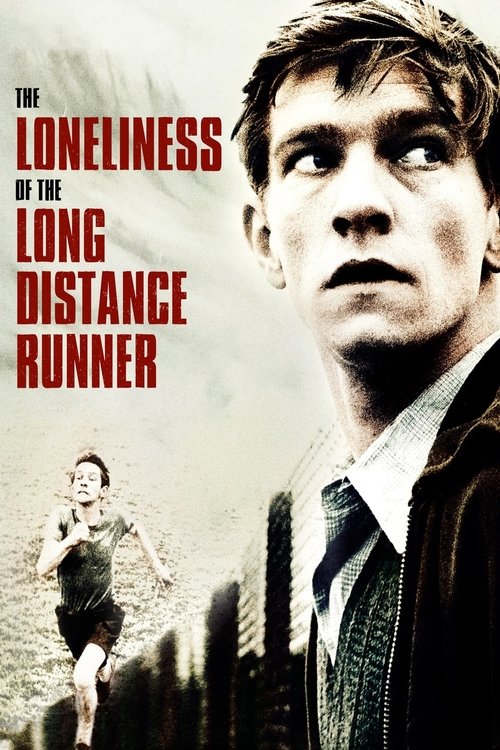
The Loneliness of the Long Distance Runner1962
Another British film about institutional failure and youth rebellion, with comparable grit and moral complexity. Uses class and authority as core tension, not backdrop. Deeply humane despite its bleakness.
But Slower paced and more introspective than what you might expect from its premise; some find it deliberately punishing to watch.
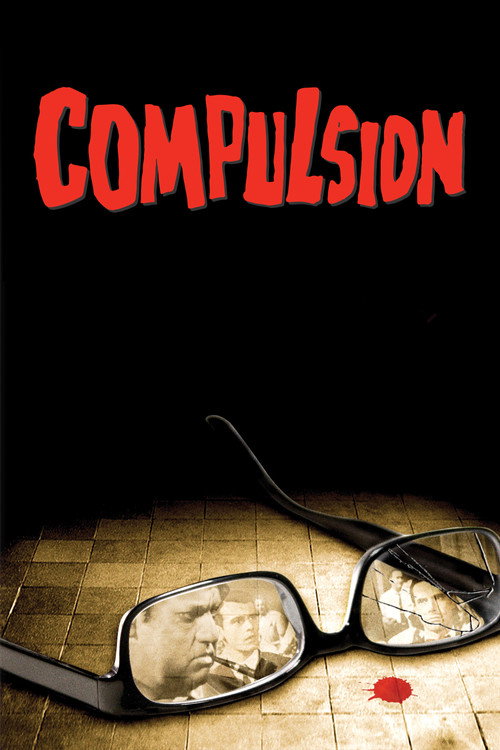
Compulsion1959
A courtroom drama examining what drives young men to violence, with nuanced performances and refusal to offer easy answers. Released the year after Violent Playground, it shares the same urgent questioning of juvenile justice.
But The trial structure means it's talky in places, and the sympathetic treatment of killers disturbs some viewers more than violence itself would.
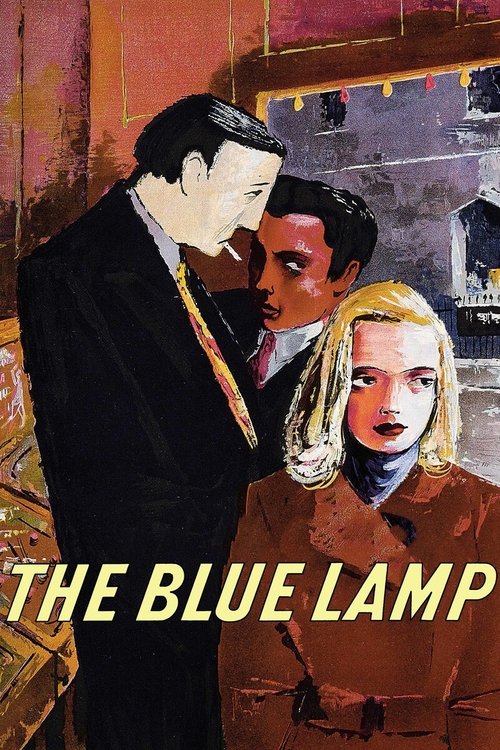
The Blue Lamp1950
British police procedural that influenced everything after it. Less reformist than Violent Playground but shares the same London grime, procedural detail, and faith in institutional work. Foundational for the genre.
But It's more romantic about police duty than a modern viewer might accept, and the politics around class feel dated.
Not sure tonight? Get a pick in a minute, starting from Violent Playground
The wildcard
Something you would not have found on your own.
Kes1970
Both use a young person's crisis as a lens for systemic failure. Both blame institutions and class before they blame the child. Both are angry in quiet ways.
A northern British boy and his hawk—but it's really about institutional cruelty and how systems crush potential rather than nurture it. Brutal, beautiful, and makes the same argument as Violent Playground with a falcon instead of arson.
But It ends in genuine tragedy with no redemption; some viewers find it emotionally devastating rather than cathartic.

More like this (6)
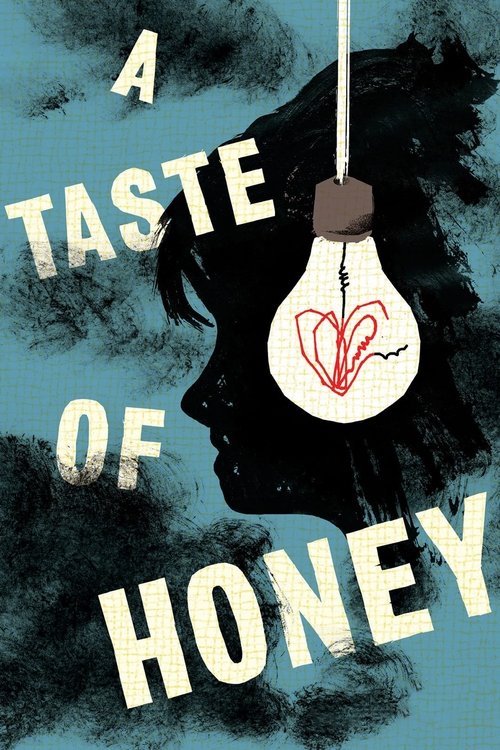
A Taste of Honey1961
Merseyside-set kitchen-sink drama with similar DNA—poor urban youth, institutional neglect, compassion without sentimentality. Groundbreaking in scope but deeply rooted in place and class struggle.
But It's more interested in intimate character work than crime mechanics, so if you came for procedural satisfaction you'll be disappointed.
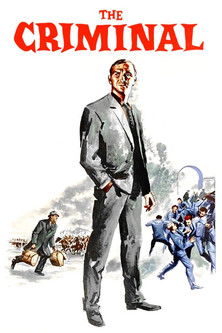
The Criminal1960
A prison drama examining what reformatory systems actually do, with layered moral complexity and excellent ensemble work. British crime cinema at its most serious about rehabilitation and failure.
But Slower than a thriller and deliberately ambiguous about whether change is possible; some find the fatalism depressing rather than truthful.
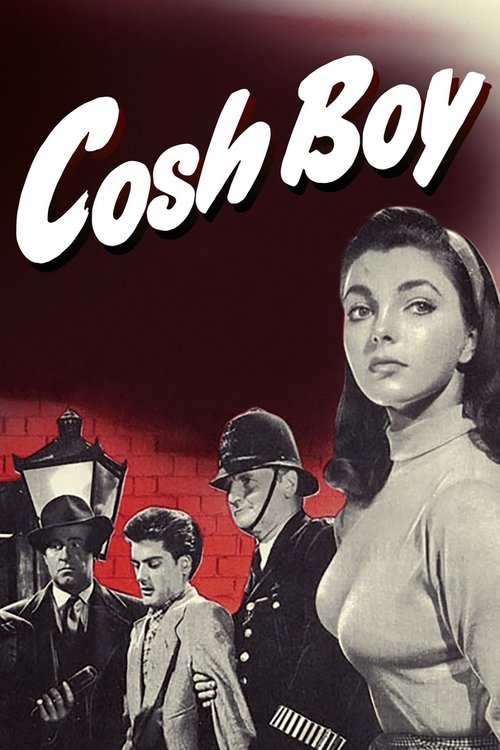
Cosh Boy1953
Beats Violent Playground to similar territory by five years—teenage gang violence in London, institutional response, refusal to demonize. Raw and immediate, with excellent street-level texture.
But The juvenile offender here is genuinely unlikeable throughout; it offers no redemption arc, which some viewers find nihilistic.
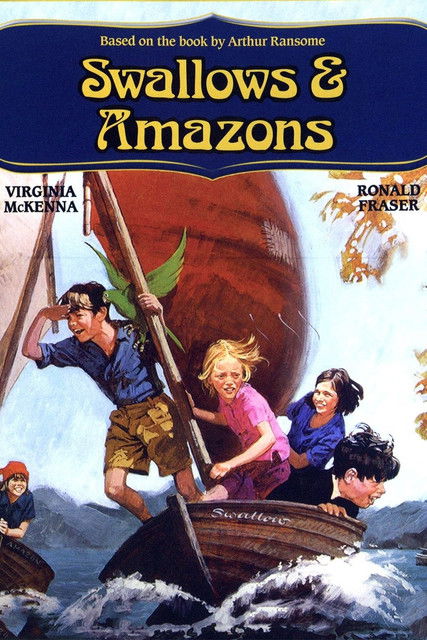
Swallows and Amazons1974
Completely different in tone but shares the film's belief that young people are worth understanding. Warm, inventive, and trusting of youth in ways that feel like the civilized side of the same coin.
But It's an adventure story for family viewing, so if you came for crime and social realism you're getting something entirely different.
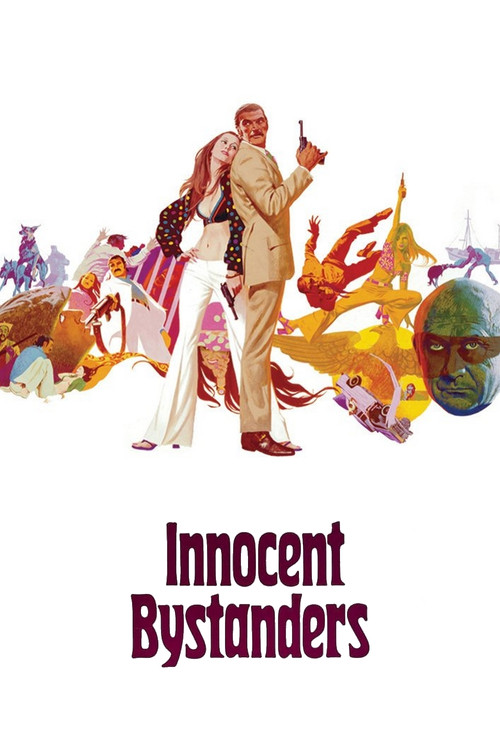
Innocent Bystanders1972
Both films argue that institutions corrupt individuals, but this one asks what happens to someone already corrupted. A counterargument in the same conversation.
A spy thriller that inverts Violent Playground's concerns—here, a hardened adult hitman gets caught up in something larger than himself. Completely different genre, same engine: a man caught between systems, struggling to act morally.
But It's a genre exercise first, so if you came for social realism you'll get action and plot instead. Some find the violence gratuitous.
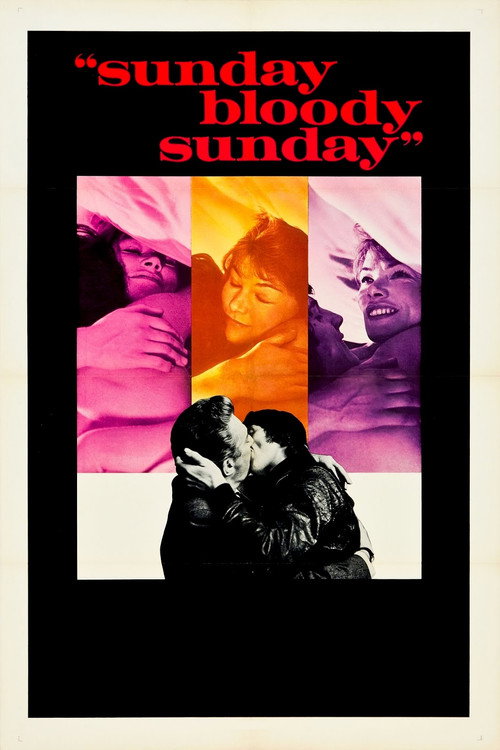
Sunday Bloody Sunday1971
Same director as Midnight Cowboy. Both ask: what does a system owe its most vulnerable members? But this one asks about love and care instead of delinquency.
A London relationship drama that has nothing to do with crime—but Schlesinger's entire concern is how people fail each other within systems of class, propriety, and institution. Utterly different subject, identical moral architecture.
But It's a chamber piece about emotional infidelity and middle-aged longing. If you want crime or youth, this will feel like a detour into someone's therapy session.
People
Cast
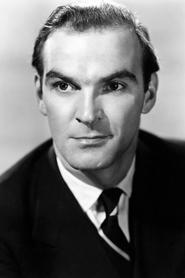 Stanley BakerDetective Sergeant Jack Truman
 Anne HeywoodCathie Murphy
 David McCallumJohnnie Murphy
 Peter CushingFather Laidlaw
 John SlaterSgt. Walker
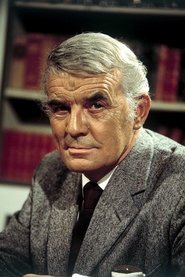 Clifford EvansHeadmaster Evans
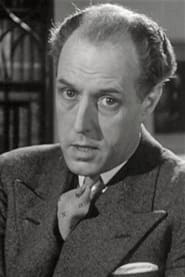 Moultrie KelsallSuperintendent
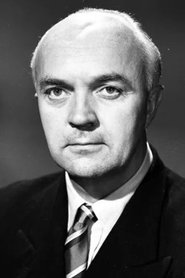 George A. CooperChief Inspector
- Brona BolandMary Murphy
- Fergal BolandPatrick Murphy
 Michael ChowAlexander
 Tsai ChinPrimrose
Directing
- Susan DysonContinuity
- Basil DeardenDirector
- Maurice GibsonSecond Assistant Director
Writing
- James KennawayScreenplay
Production
- Earl St. JohnExecutive Producer
- Michael RelphProducer