
Film
Cosh Boy
A raw 1953 British kitchen-sink drama that watches a charismatic teenage thug spiral from street mugging into genuinely dangerous violence. Urgent and uncomfortable, it doesn't soften Roy Walsh or ask for sympathy—just unflinching attention. For those drawn to early social realism and the seedier side of postwar Britain.
Should you watch it?
Watch it if you enjoy lean British postwar crime dramas that build tension through a bullying young ringleader's charm and the slow tightening of his gang's loyalties.
Skip it if you want fast action or a glossy modern look, since this brisk period piece has stiff performances and a bleak, dated feel that may not land.
What it asks of you: Seventy-five minutes, no wasted scenes; it moves briskly through its street violence and a sour, claustrophobic mood, so you need to stay alert rather than settle in.
Not sure? Find tonight's pick in a minute.
If you liked this
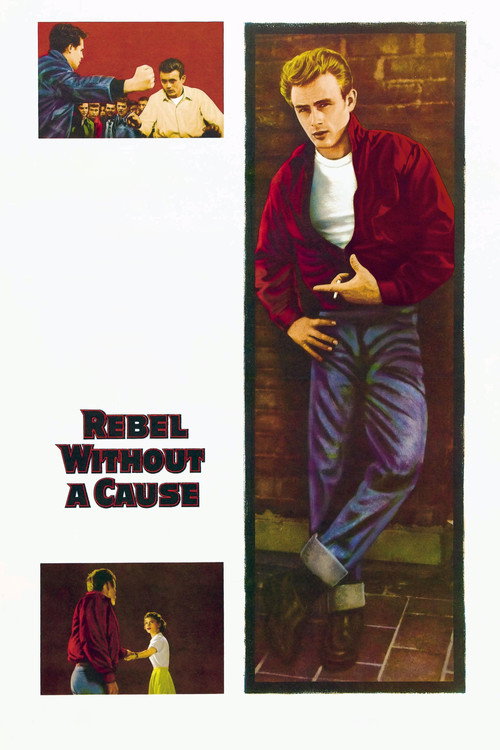
Rebel Without a Cause1955
James Dean's iconic troubled youth role, but made three years after this film with similar urgency about adolescent rage and the adult world's failure to contain it. Gorgeously shot and endlessly quoted.
But The Technicolor melodrama and psychological hand-wringing feel softer and more self-conscious than the grittier British approach. Some find it dated.
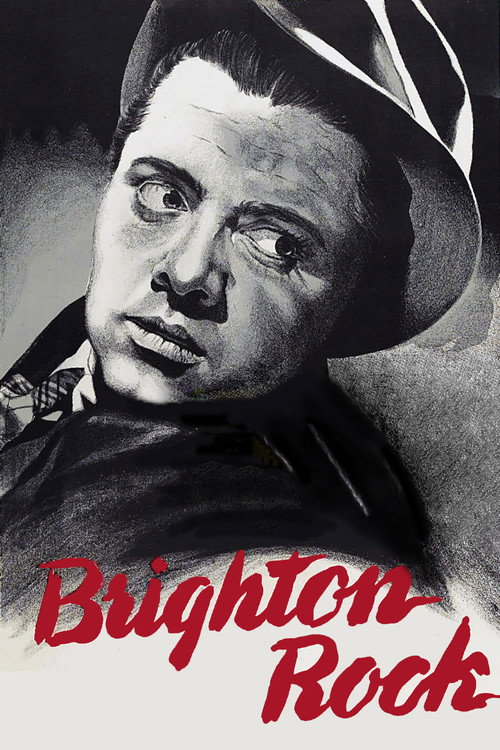
Brighton Rock1948
Graham Greene's young psychopath in a provincial English seaside town. Pinkie is evil in a way Roy Walsh might become. Directed with real darkness and moral complexity by John Boulting.
But The 1940s style is thick; some scenes feel theatrical rather than lived. It's also quite slow between the bursts of violence.
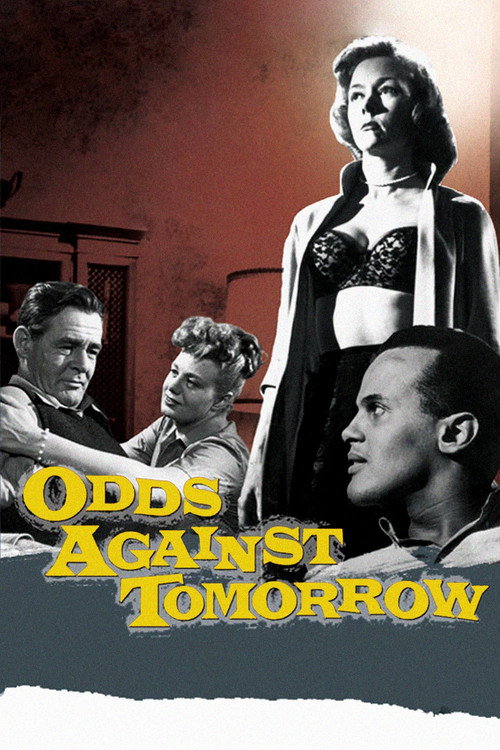
Odds Against Tomorrow1959
Harry Belafonte and Robert Ryan in a heist film that doubles as a racial drama. The same hard-boiled aesthetic and refusal to let you off the moral hook that makes Cosh Boy so uncomfortable.
But It's a heist film first, so if crime procedurals bore you, the social commentary won't save it. The ending is bleak in a way some find merely depressing.
Not sure tonight? Get a pick in a minute, starting from Cosh Boy
The wildcard
Something you would not have found on your own.
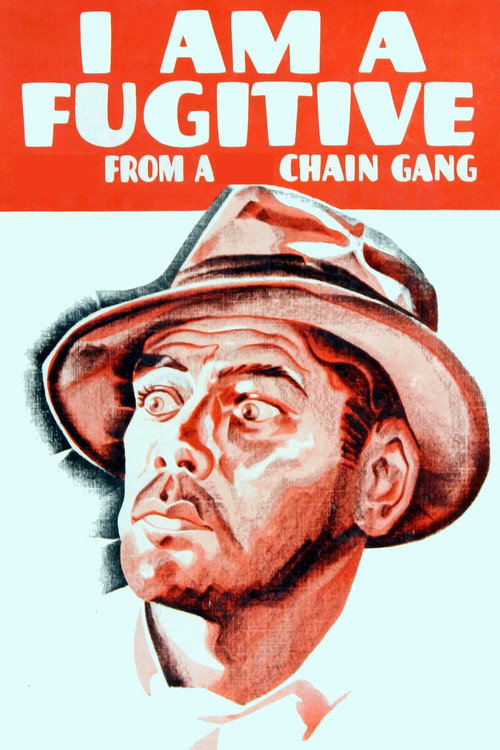
I Am a Fugitive from a Chain Gang1932
Both are outcry films about how society manufactures criminals rather than preventing them. The difference is Cosh Boy watches a boy become what the system expects, while this one watches a good man broken into crime by circumstance. Different directions, same indictment.
Paul Muni as a man ground down by the American system until crime becomes his only option. It's the ancestor of all films about systemic failure creating criminals. Made 21 years before Cosh Boy and asking identical questions with urgency.
But Early 1930s pacing and acting style will feel stagy to modern viewers. The moral message is stated rather than shown. Black and white and quite grim throughout.
More like this (6)
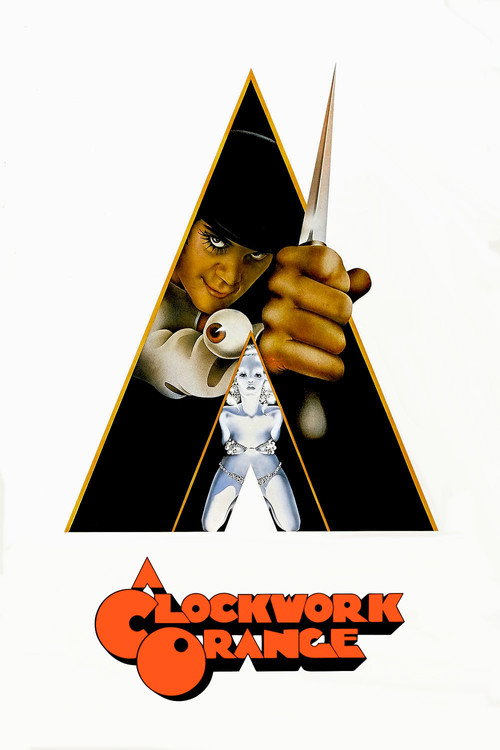
A Clockwork Orange1971
Kubrick's vision of ultraviolent youth culture and state punishment. Direct spiritual descendant of this film's anxieties, but amplified to nightmare scale. A masterpiece of provocation.
But It's transgressive for its own sake at times. The rape scenes are brutal and hard to justify thematically. Three hours of sustained unease.
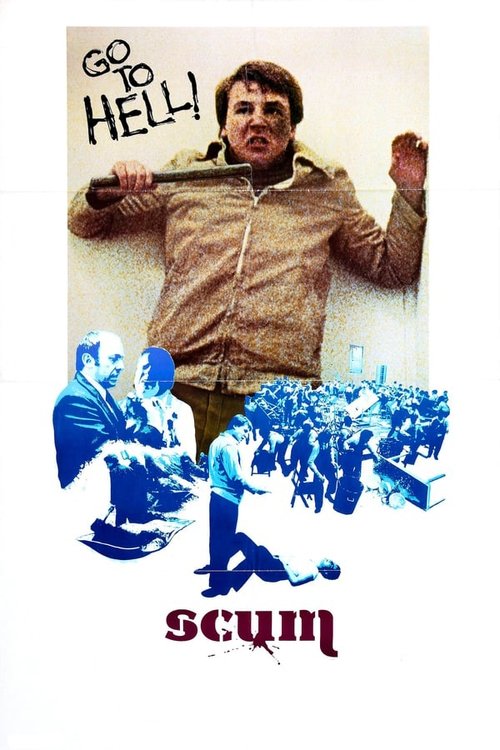
Scum1979
A British borstal film even angrier than this one—young thugs in an institution, directed by Alan Clarke with no sentimentality. The lineage from Cosh Boy is direct and alive.
But It's blunt to the point of repetitiveness. Prison violence and sexual assault are depicted very explicitly. There's little narrative shape, just incident.
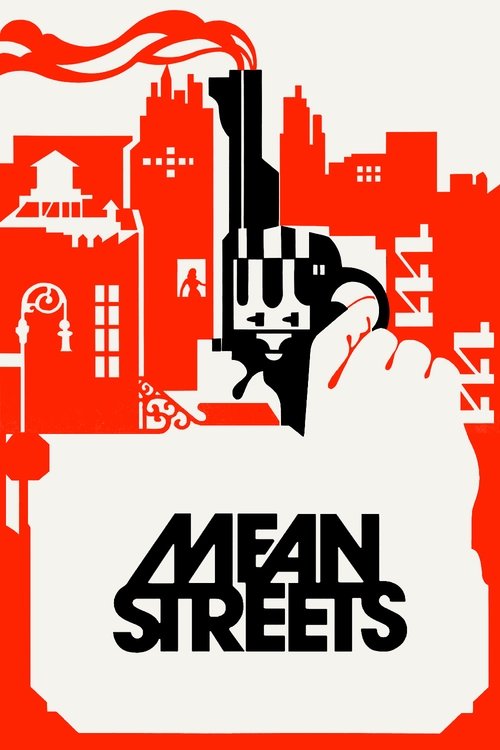
Mean Streets1973
Scorsese's young men in New York behaving badly, with a Catholic guilt undercurrent and real affection for the characters despite their crimes. Shaggy and alive and genuinely funny.
But The plot is loose to the point of seeming aimless. De Niro's character is almost a supporting role. It's more mood and music than narrative.
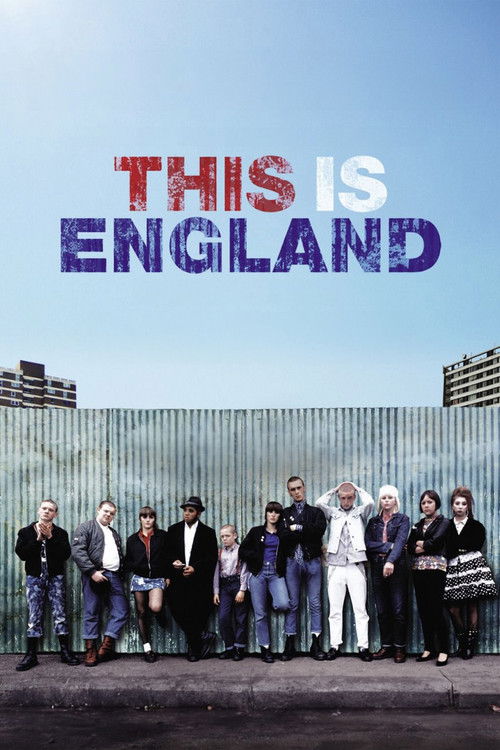
This Is England2007
Shane Meadows' film about a boy drawn into skinhead culture. Same postwar British anxiety about youth, class, and belonging, updated to the 1980s. Tender and furious at once.
But It drags in the middle and relies heavily on music montages. The racial violence sequences are hard to sit with, and the tonal shifts from comedy to brutality can feel jarring.
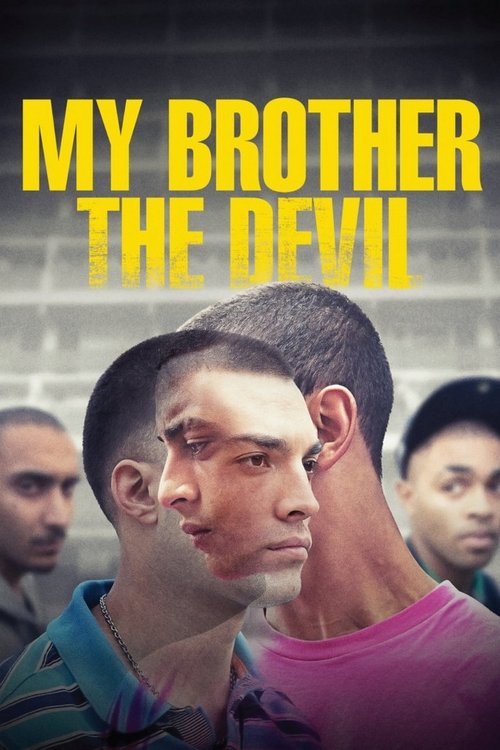
My Brother the Devil2012
Both films understand that gang violence comes from somewhere—connection, loyalty, the need to belong. Neither film makes the thug sympathetic exactly, but both refuse to dismiss him as simply evil. They're anthropological.
A contemporary London film about two brothers, one drawn into gang culture, shot with real poetry and understanding. It finds tenderness in the margin of violence without excusing anything. Sally El Hosaini made something very alive.
But It's deliberately paced, not plot-driven. The homophobic violence is central and uncomfortable. It won't satisfy you if you want a heist or a crime narrative with momentum.
Kes1970
Both are British films about young working-class males abandoned by the system. Roy Walsh becomes a criminal; Billy Casper becomes a falconer. Different choices, same despair. Kes shows what Cosh Boy's Roy might have needed instead of Borstal. It's the other film in the conversation.
Ken Loach's film about a working-class Yorkshire boy and the hawk he trains. It's not about crime, but it's about a boy failed by every institution—family, school, work—and the one thing that lets him breathe. Same social anger, different outlet.
But Nothing exciting happens. It's slow and quiet and set in a bleak industrial landscape. If you're expecting a feel-good animal story, you'll be disappointed. The ending is punitive.

People
Cast
 James KenneyRoy Walsh
 Joan CollinsRene Collins
 Betty Ann DaviesElsie Walsh
 Robert AyresBob Stevens
 Hermione BaddeleyMrs. Collins
 Hermione GingoldQueenie
- Nancy RobertsGran Walsh
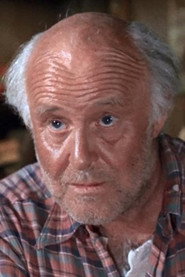 Laurence NaismithInspector Donaldson
 Ian WhittakerAlfie Collins
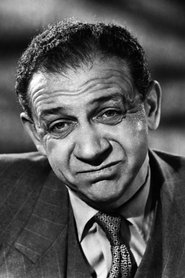 Sidney JamesDesk Sergeant
 Johnny BriggsSkinny Johnson
- Stanley EscanePete
Directing
- Lewis GilbertDirector
Writing
- Bruce WalkerTheatre Play
- Lewis GilbertWriter
- Vernon HarrisWriter
Production
- Daniel M. AngelProducer
- Charles PermaneProduction Manager