
Film
The Strange Case of Dr. Manning
A taut 1957 British crime thriller where a doctor's predawn house call becomes a kidnapping case, drawing American detective Nick Logan into a Scotland Yard investigation. It's a lean, efficient procedural that trusts tension over explanation, made in that golden moment when British B-pictures had real craft and pace.
Should you watch it?
Watch it if you enjoy compact British crime pictures from the 1950s, where a mystery is untangled through legwork and a sharp outsider rather than through spectacle.
Skip it if you want modern pacing or a lot of twists; this one moves at the unhurried clip of its era and keeps its plot mechanics in plain view.
What it asks of you: Seventy-five minutes, no wasted scenes: you have to keep track of procedural detail and who knows what, and accept a plainly staged, studio-bound look.
Not sure? Find tonight's pick in a minute.
If you liked this
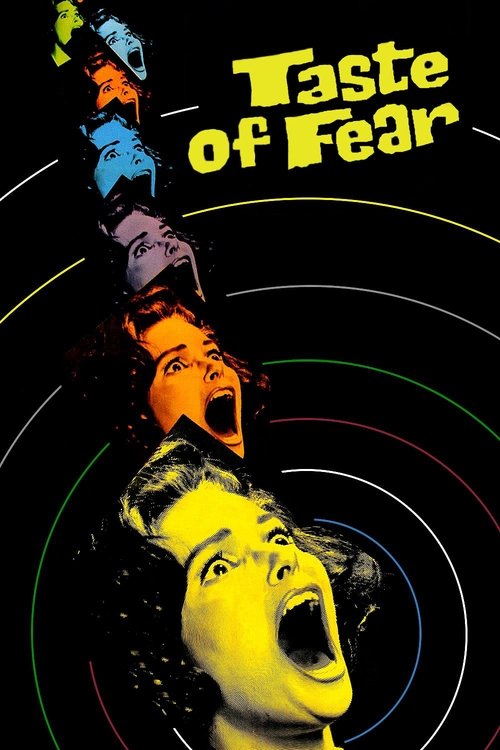
Taste of Fear1961
Hammer's psychological thriller about a woman terrorized in her own home. Claustrophobic, genuinely unsettling, and built on a genuinely shocking twist that earns itself—no cheating the audience.
But It's very much a 1960s vision of women and peril. Long stretches depend on waiting for someone to believe the heroine, which can feel frustratingly dated.
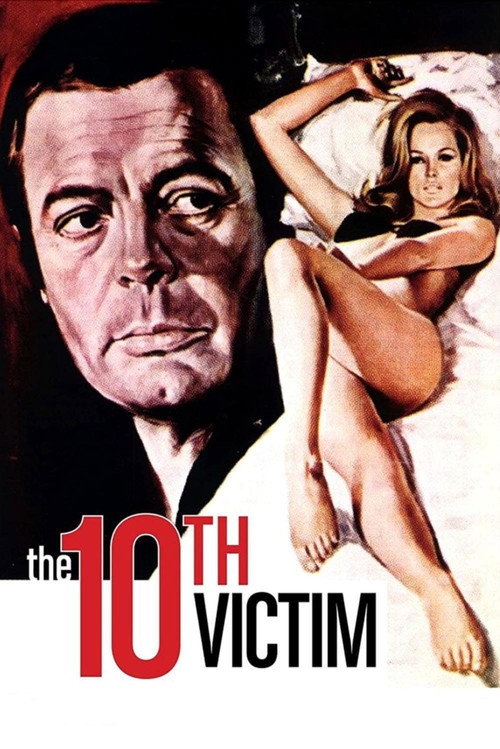
The 10th Victim1965
A wild, campy Italian spy thriller that understands its own absurdity and runs with it. Stylish, erotic, propulsive, and genuinely funny in ways that feel almost accidental. A real artifact of swinging-era excess.
But The plot barely holds together and that's half the charm, which means it can feel slight if you're looking for weight or coherence beneath the surface gloss.
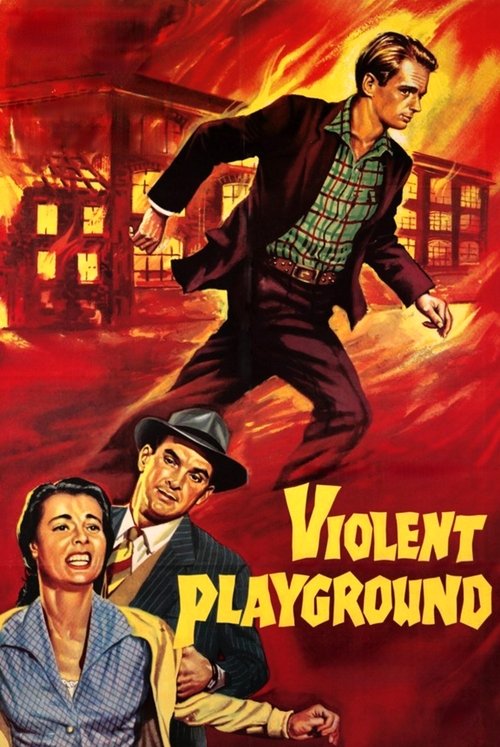
Violent Playground1958
A British juvenile delinquency film that's genuinely interested in why kids break bad rather than just punishing them for it. Gritty location shooting, real sympathy, and a cop protagonist with actual doubts about his job.
But The pacing is slack by modern standards and the social commentary can feel a bit on-the-nose, like a pamphlet learning to be cinema.
Not sure tonight? Get a pick in a minute, starting from The Strange Case of Dr. Manning
The wildcard
Something you would not have found on your own.
The Asphalt Jungle1950
Both are procedurals built on the mechanics of investigation and revelation rather than psychology. Huston and this film established that crime cinema could be about the structure of how crimes are solved, not just why they happen.
Huston's ur-text heist film, set in America but the template for every procedural and crime thriller since. Watches like a master class: how to introduce a large cast, build through planning, and execute with style. The DNA of everything British crime became.
But It's half an hour longer than The Strange Case and more interested in the architecture of crime than in human drama. Can feel academic if you want characters to surprise you.

More like this (8)
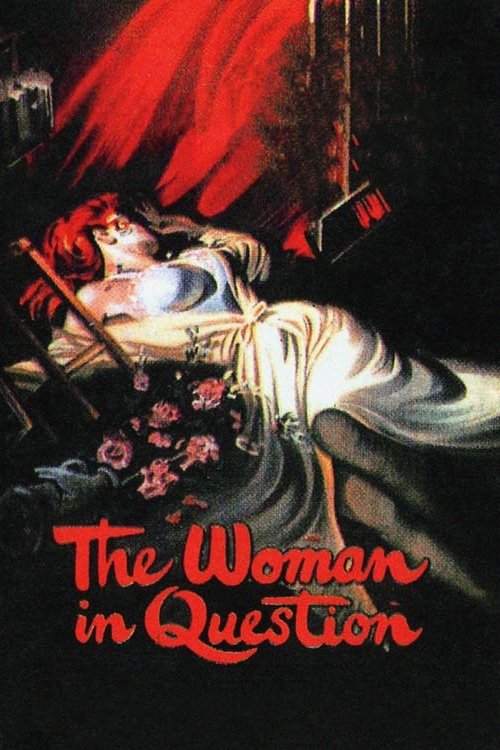
The Woman in Question1950
A dead woman seen through five different eyes: the unreliable perception game played with such wit and style that it feels genuinely modern. Ingenious structure and genuinely funny, especially when the stories contradict.
But It's all mechanics—the emotional stakes never quite grip, and once you clock the gimmick, the pleasure is mostly intellectual.
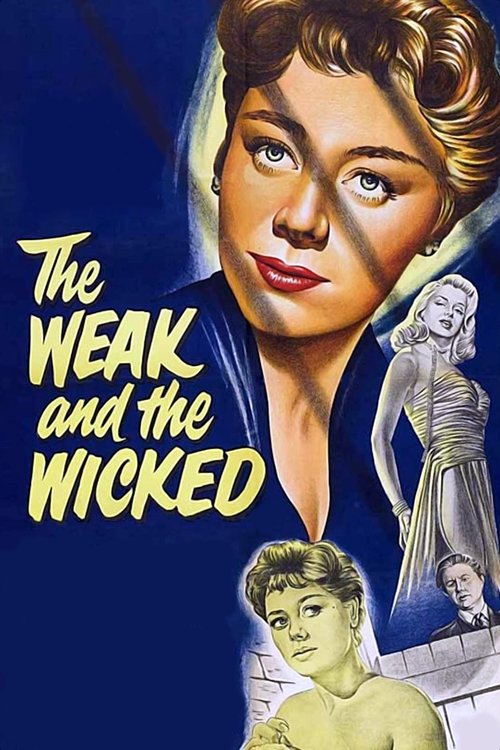
The Weak and the Wicked1954
A women's prison film made with real compassion instead of exploitation. Sharp dialogue, excellent performances, and a genuine sense of lives touching and changing. Made by and about women with actual agency.
But As a procedural thriller it's looser and more character-focused than you might want; plot is never the driving force here.
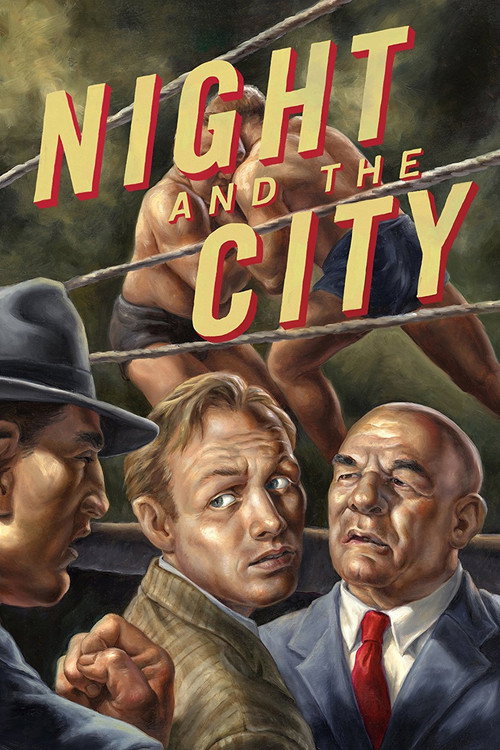
Night and the City1950
American noir shot on the streets of London by Jules Dassin. Brutal, beautiful, and desperate. A man caught in a web of his own making while the city itself becomes his enemy. Desperate and real.
But It's relentlessly bleak and offers no sympathetic character to root for—everyone is compromised, and the film agrees that they deserve what they get.
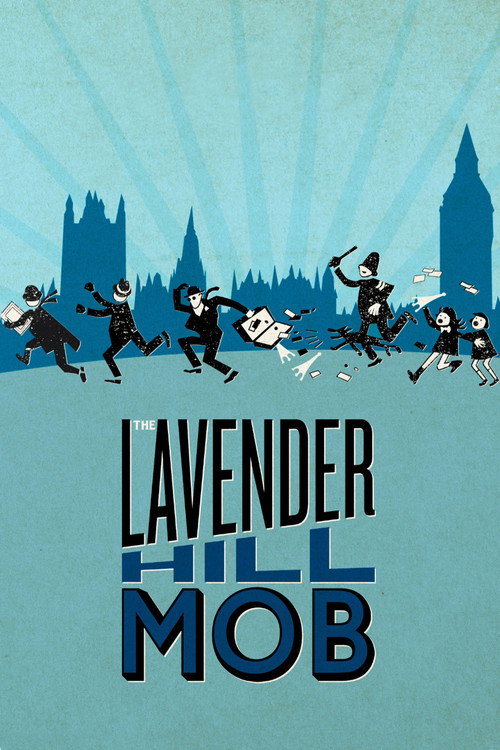
The Lavender Hill Mob1951
A crime caper where Alec Guinness leads a gang of lovable incompetents to pull off a gold heist. Ingenious, charming, and wickedly funny in a way that feels almost gentle about theft and betrayal.
But Tonally it's very light for a crime film—if you want menace and stakes, this trades those for charm, which means it doesn't quite thrill.
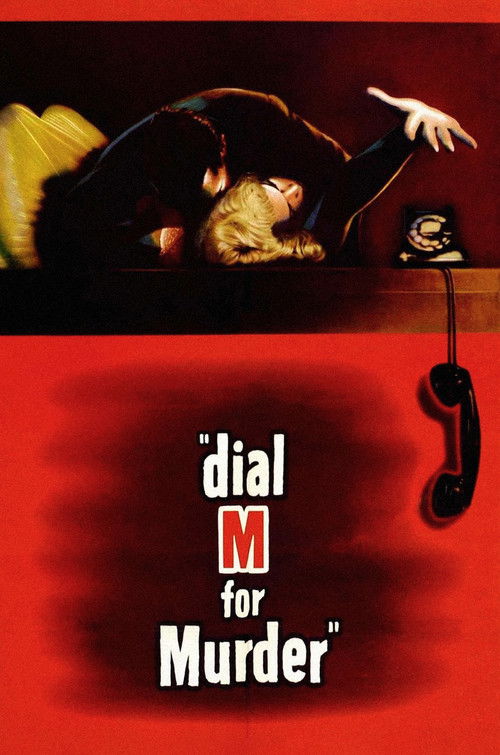
Dial M for Murder1954
Hitchcock's locked-room murder plot about a husband engineering his wife's death. Perfectly constructed, bound to a single apartment, and endlessly clever about how constraint breeds invention.
But It's almost too schematic—the pleasure is in the mechanism, not the people, and that can feel cold if you need emotional truth underneath the clockwork.
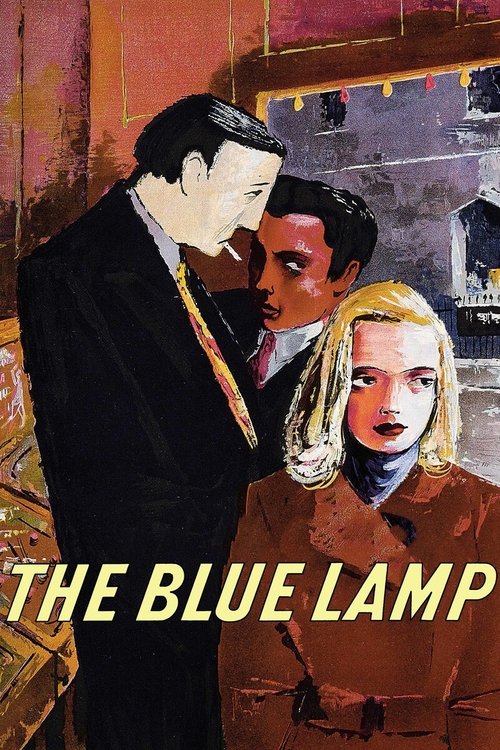
The Blue Lamp1950
An almost documentary-like procedural about police work and juvenile crime in postwar London. Serious, measured, and genuinely interested in the daily grind of keeping order. A real portrait of an institution.
But There's minimal plot engine driving it forward; it's all texture and observation, which means it can feel aimless if you're looking for narrative momentum.
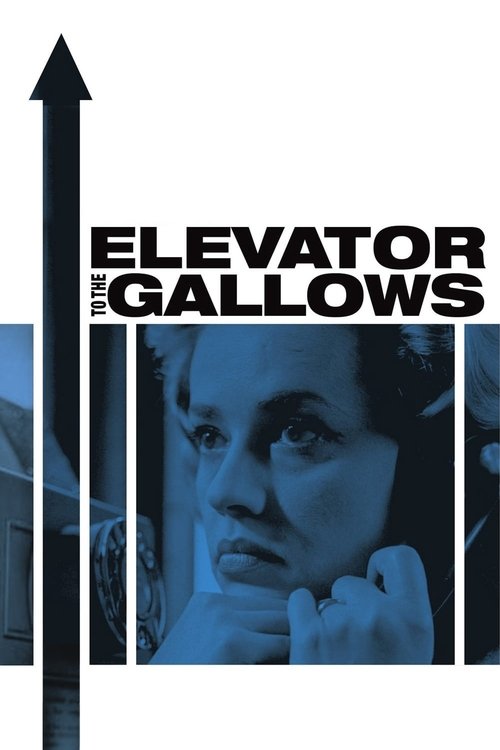
Elevator to the Gallows1958
Both use a precise, clockwork structure where chance and poor timing doom everyone. Both are 1950s crime films fascinated by how easily plans fail and how fate masquerades as coincidence.
A French noir where a simple murder plan unravels through mischance and crossed wires. Shot in the darkness of Paris at night, powered by Miles Davis's score. Elegant, tense, and constructed like a trap that snaps tighter with each scene.
But The moral register is bleak and European—characters are judged by circumstance rather than intention, which can feel punitive if you're looking for sympathy.
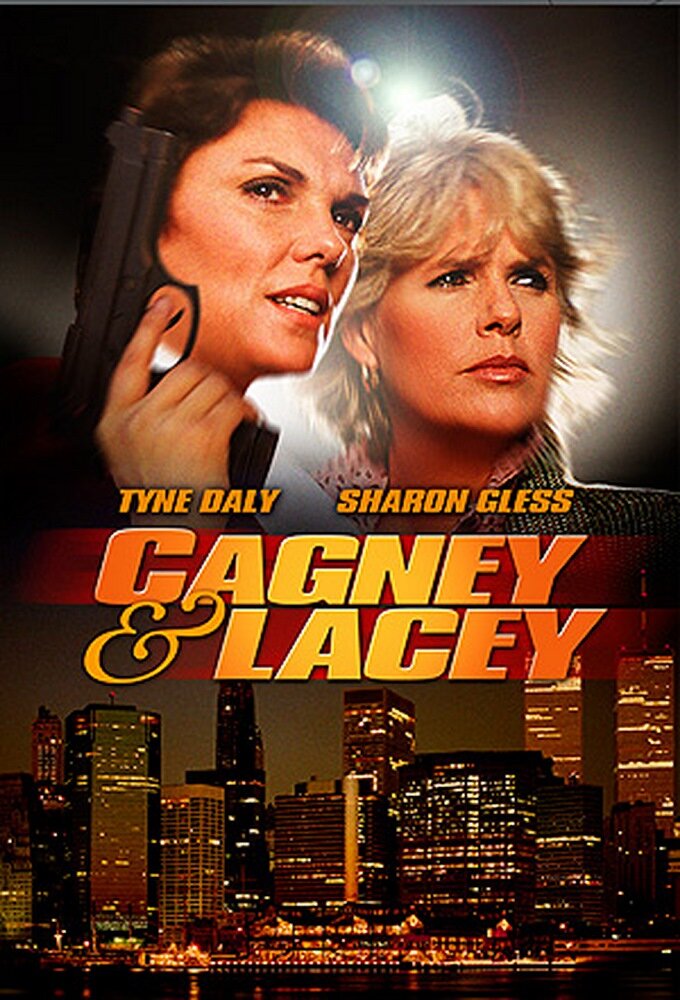
Cagney & Lacey1982
A procedural where structure and competence are the point, but scaled up from a lean 75-minute thriller to a series that could exhaust the form. Shows how The Strange Case's DNA evolved when given space to breathe and contradict itself.
An American TV procedural where female detectives are just cops doing police work—no apology, no special pleading, just investigations and the cost of the job. It takes the police procedural and asks what happens when the detectives are women watching their city fail.
But It's earnest where you might want style, and the TV format means it repeats itself by necessity. Also: genuinely depressing about institutional indifference and male resentment.
People
Cast
 Greta GyntAnnette Manning
 Ron RandellNick Logan
- Garard GreenGil Stevens
- Garard GreenInspector Brown
- Garard GreenFred Barnes
- Virginia KeileyVera Clark
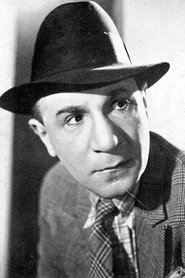 Charles FarrellJohn Karver
Directing
- Arthur CrabtreeDirector
Writing
- Bill LuckwellWriter
- Leo TownsendWriter
- Paul TaboriWriter