
Film
Taste of Fear
A sharp 1961 British thriller about a wheelchair-bound woman haunted by visions of her father's corpse on the family estate. Directed by Seth Holt with genuine dread and beautiful black-and-white cinematography, it plays psychological terror without gore, keeping you guessing whether what she's seeing is real. Tense, elegant, and deeply unsettling.
Should you watch it?
Watch it if you enjoy slow-building Gothic suspense where the unease comes from doubt about what the heroine is seeing, and you like a 1960s British thriller that trusts atmosphere over shocks.
Skip it if you want brisk pacing or a lot of gore; its mood is measured and it takes its time laying out its puzzles before anything really lands.
What it asks of you: Around eighty minutes of patient attention, with long quiet stretches of corridors, rooms and close looks, so you need to settle in rather than wait for constant jolts.
Not sure? Find tonight's pick in a minute.
If you liked this
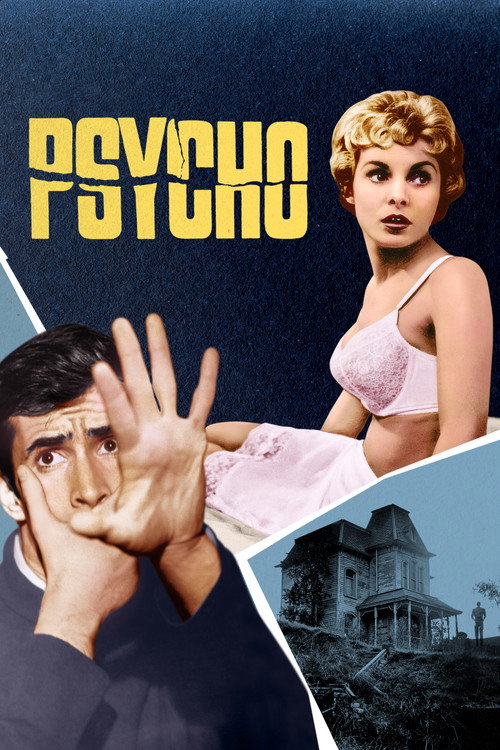
Psycho1960
Hitchcock's masterpiece of suspense and misdirection. If you loved the twist logic of Taste of Fear, this is the gold standard—a film that rewrote what thrillers could do.
But Everyone knows the shower scene now. The first hour feels slow on repeat viewings, and some find the final psychiatric explanation heavy-handed.
The Innocents1961
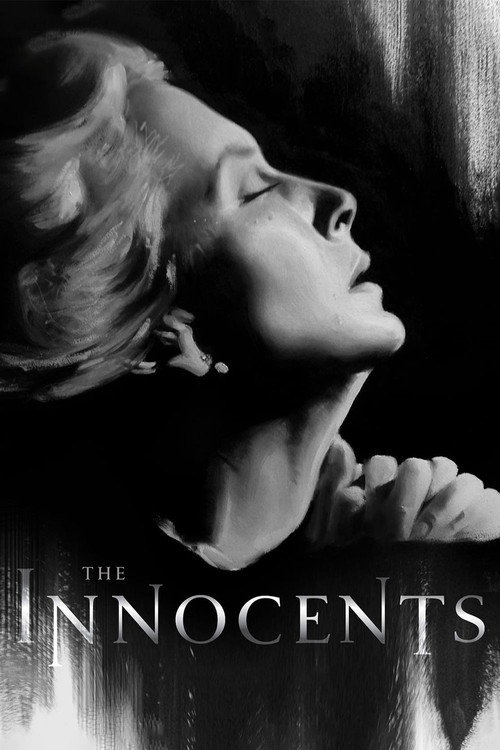
A governess in an English manor is haunted by apparitions of the dead—or is she? Like Taste of Fear, it's a masterclass in ambiguity and creeping dread, with extraordinary black-and-white cinematography.
But The pacing is deliberate and atmospheric rather than propulsive. It demands patience and rewards it, but restless viewers may find it slow.
Gaslight1944
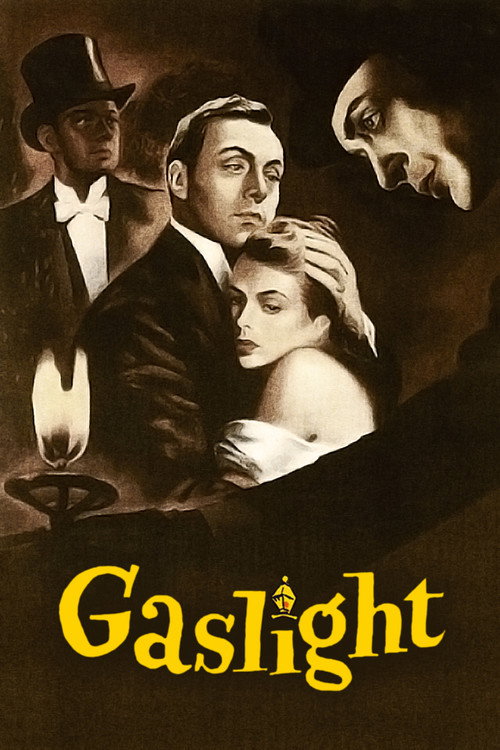
A woman is systematically convinced she's losing her mind by her husband in a Victorian house. The psychological manipulation and domestic horror echo Taste of Fear's themes of trust and sanity under siege.
But The melodrama and Ingrid Bergman's performance, while brilliant, belong to 1940s Hollywood—less subtle than the 1961 film you just watched.
Not sure tonight? Get a pick in a minute, starting from Taste of Fear
The wildcard
Something you would not have found on your own.
Vertigo1958
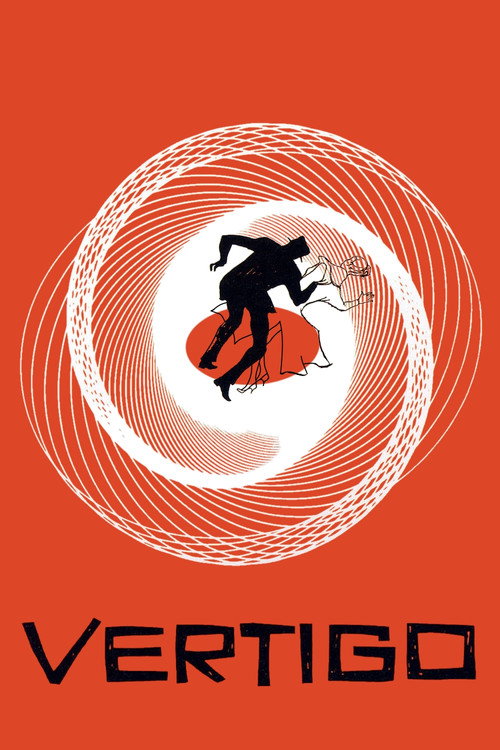
Both are architectural—they build worlds where we can't trust what we see. But where Taste of Fear is about external threat and false perception, Vertigo is about internal obsession becoming reality. One is attacked; one is complicit.
Hitchcock's obsessive masterpiece about a detective's spiral into delusion. Both films weaponize the unreliability of sight and perception—but Vertigo does it with colour, obsession, and a protagonist actively complicit in his own undoing. A film that reveals new architecture on each watch.
But It's a long slow burn about male psychology and desire, not a puzzle to solve. Some find it glacial and self-indulgent; others think it's the greatest film ever made. No middle ground.
More like this (8)
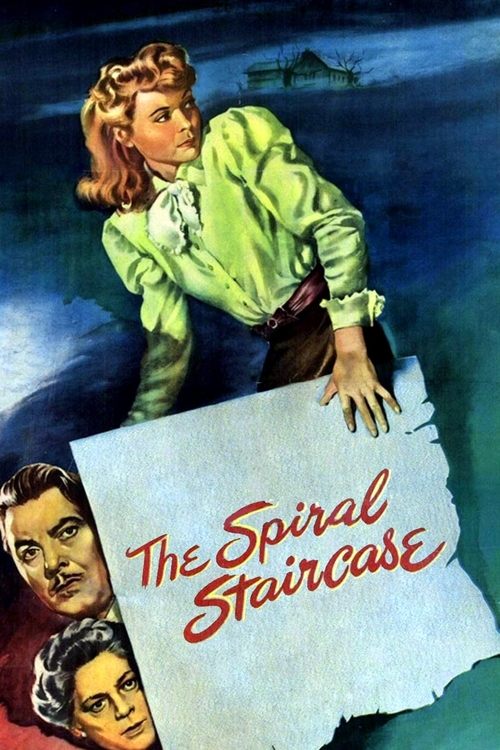
The Spiral Staircase1946
A mute woman trapped in a gothic mansion with a killer prowling the corridors. Pure suspense in an enclosed space, with the same blend of isolation, vulnerability, and escalating terror.
But It's a creature-feature setup more than a puzzle. If you're drawn to Taste of Fear for its mind-games rather than its scares, this will feel more straightforward.
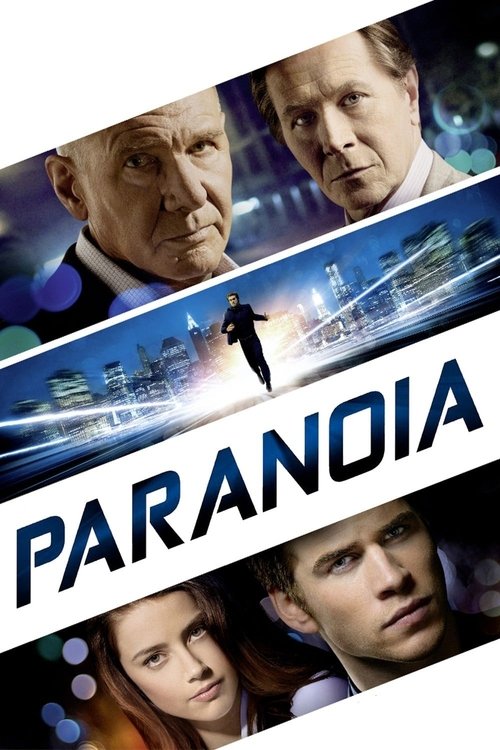
Paranoia2013
Daphne du Maurier adaptation about a woman doubting her own perception in a hostile household. The same author as the short story Taste of Fear adapts, so you get that distinctive blend of intimate terror and doubt.
But It's looser and more episodic than Taste of Fear, and the 1960s TV movie pacing shows. Not as tightly wound or assured in its craft.
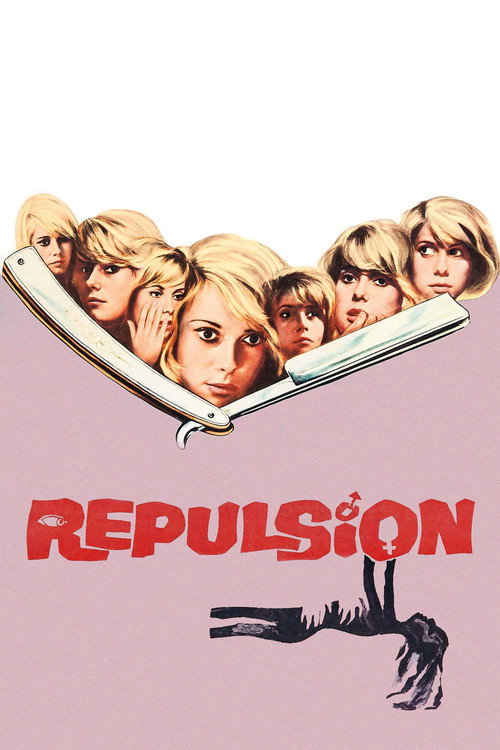
Repulsion1965
Roman Polanski's descent into a woman's fractured mind as reality crumbles. Claustrophobic, disorienting, and deeply psychological—it shares Taste of Fear's interest in unreliable perception and mounting horror.
But It's aggressively modernist and bleak, with images that stick with you unpleasantly. The protagonist's isolation is more alienating than sympathetic.
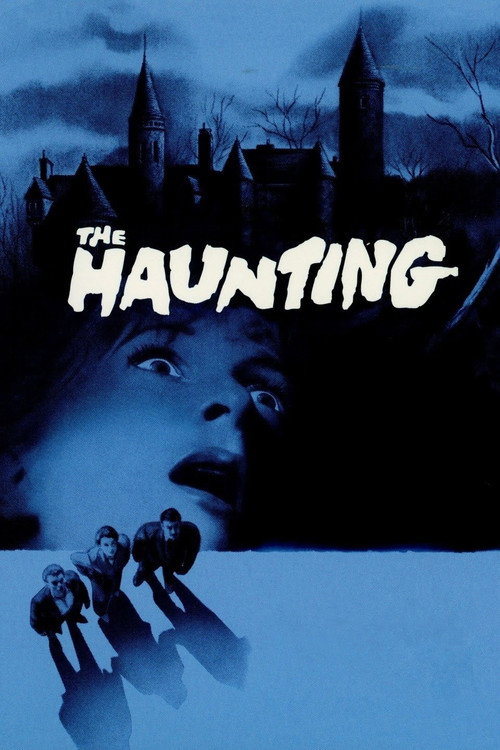
The Haunting1963
Shirley Jackson's novel adapted with restraint and intelligence. A woman in a supposedly haunted house can't tell if the house is alive, she's unwell, or both. The same fundamental question as Taste of Fear, beautifully shot.
But The '60s sensibility and some dated effects soften the bite. It's more interested in atmosphere than shocks, which won't satisfy if you want visceral scares.
La Haine1995
Not a thriller, but a tense, confined portrait of a day in the lives of three men in Paris's suburbs. It shares Taste of Fear's mastery of black-and-white cinematography and its ability to drain the everyday of safety.
But It's a social-realist drama, not a mystery or suspense film. The tension is about power and circumstance, not plot twists, which is a very different experience.

The Trollenberg Terror1958
A woman plagued by visions of a creeping menace in the Swiss Alps. B-movie charm with a genuine unsettling quality, and the same post-war British-European co-production flavor as Taste of Fear.
But The creature effects are notoriously cheap, and the plot is straightforward monster-hunting. It lacks the psychological sophistication that made Taste of Fear special.
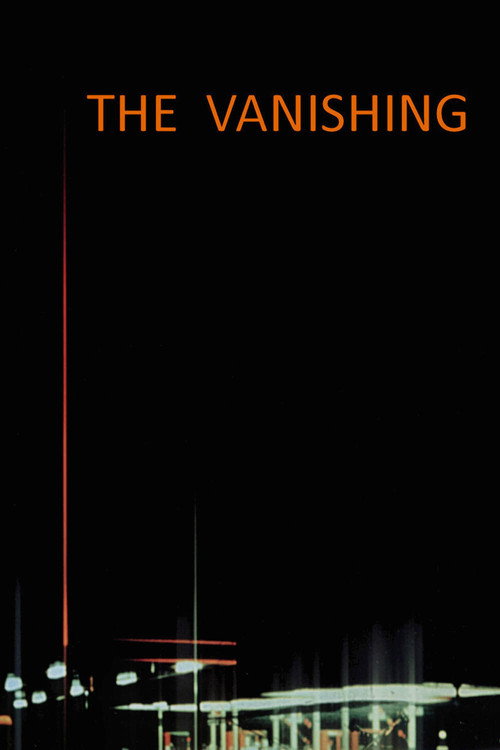
The Vanishing1988
Both films care more about the mechanics of deception and the fragility of certainty than about scares. They're puzzles disguised as horrors, and they both have the discipline to leave you uncertain.
A Dutch-French thriller about a man's ten-year obsession to solve the disappearance of his girlfriend. It has the same taut construction as Taste of Fear and the same willingness to withhold information and play with what you think you know.
But It's methodical and dry rather than Gothic. The shock ending works once; it's not a film that reveals depth on second watching. And it asks you to sympathize with someone increasingly unhinged.
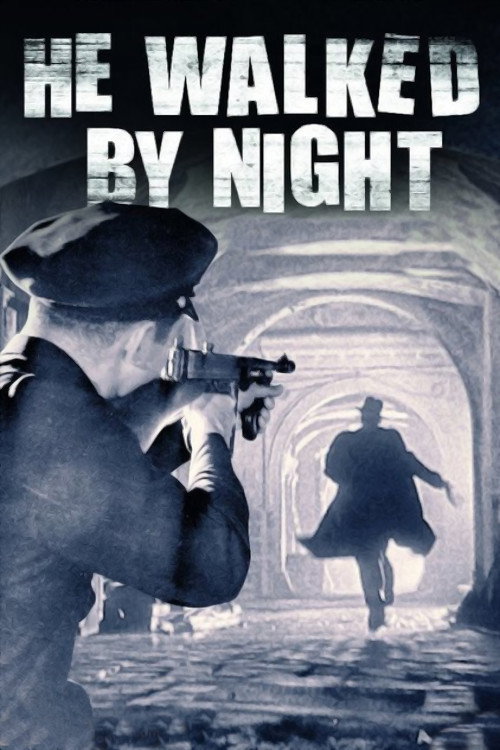
He Walked by Night1949
Both are lean, beautifully composed films about someone being hunted (or hunting themselves). But where Taste of Fear is about interior doubt, He Walked by Night is about exterior pressure—the same anxiety expressed through different formal languages.
A gritty documentary-style crime thriller about a burglar hunted through Los Angeles. Shot in black-and-white with the same economical British suspense sensibility as Taste of Fear, but translated into an American procedural. The hunt itself becomes labyrinthine and paranoid.
But There's no psychological game or twist—it's about police work and pursuit, not deception. If you watch Taste of Fear for its plot machinery, this one removes the Gothic element entirely, leaving only craft.
People
Cast
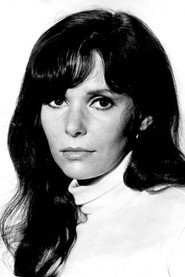 Susan StrasbergPenny Appleby
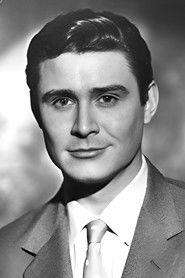 Ronald LewisRobert
 Ann ToddJane Appleby
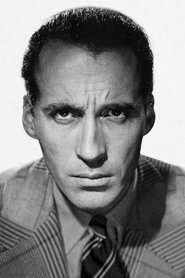 Christopher LeeDoctor Pierre Gerrard
 John SerretInspector Legrand
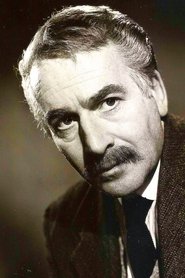 Leonard SachsMr. Spratt
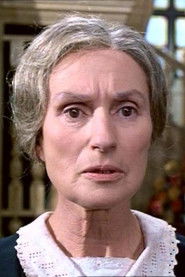 Anne BlakeMarie the Maid
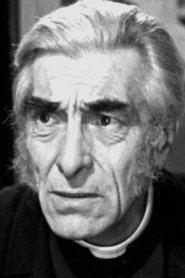 Fred JohnsonMr. Appleby
 Madame LobegueSwiss Air Hostess (uncredited)
- Bernard BrowneGendarme (uncredited)
- Frederick RawlingsPlainclothes Sergeant (uncredited)
- Richard KleePlainclothes Sergeant (uncredited)
Directing
- David TomblinAssistant Director
- Pamela MannContinuity
- Seth HoltDirector
- Terry LensSecond Assistant Director
Writing
- Jimmy SangsterWriter
Production
- Stuart LyonsCasting
- Michael CarrerasExecutive Producer
- Jimmy SangsterProducer
- William HillProduction Manager
Recommended by
The Nanny, Captain Clegg, The Black Torment, The Skull, The Strange Case of Dr. Manning