
Film
He Walked by Night
A low-budget, high-influence noir shot like a police training film: flat voiceover, real LAPD case files, and John Alton's shadow-drenched photography chasing a cop-killing burglar through the city's storm drains. It's less about character than method — the bureaucratic grind of an investigation — and it quietly invented the template for every 'realistic' cop show that followed. Cool, procedural, oddly hypnotic.
If you liked this
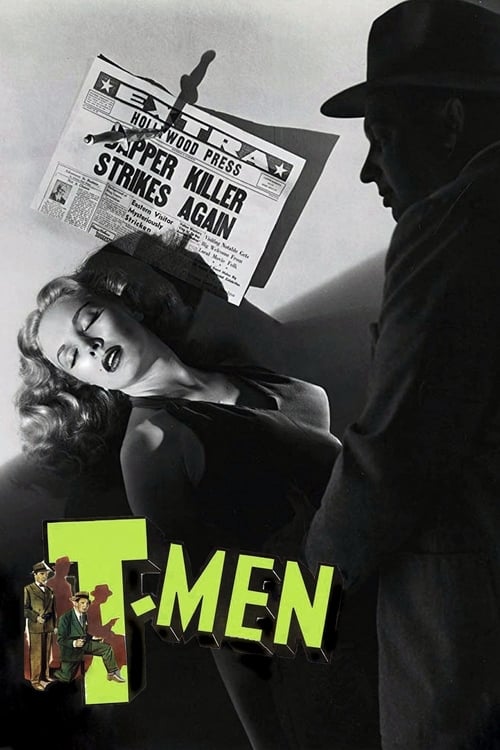
T-Men1947
Same cinematographer, John Alton, painting the same inky underworld two years earlier — Treasury agents infiltrate a counterfeiting ring in documentary-style voiceover that clearly gave He Walked by Night its whole visual grammar.
But The 'March of Time' narration is even stiffer here, and the plot is thinner than the visuals deserve.
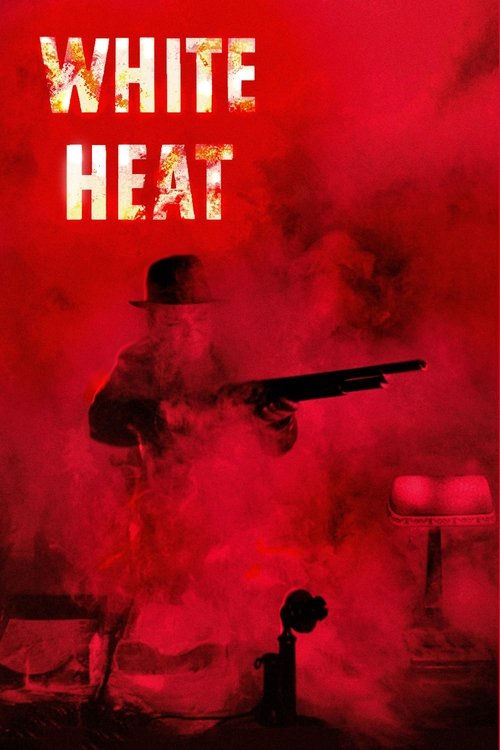
White Heat1949
Cagney's psychotic gangster on the run is the flip side of the cold, methodical criminal you just watched — same year, same manhunt bones, but pure operatic id instead of clinical control.
But It's a star vehicle first, procedural second — if you wanted more police-radio realism, this leans theatrical.
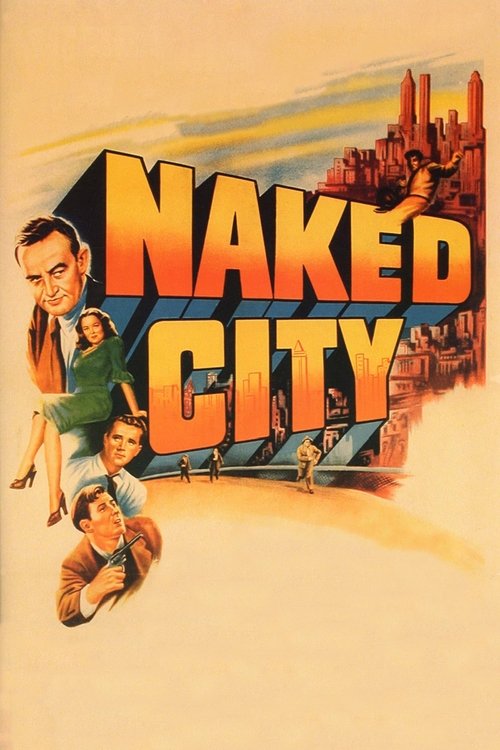
The Naked City1948
The other great semi-documentary noir of the era, shot on real New York streets with that same '8 million stories' voiceover conceit — arguably the more influential of the two.
But Warmer and chattier than He Walked by Night; less interested in dread, more in civic texture.
The wildcard
Something you would not have found on your own.
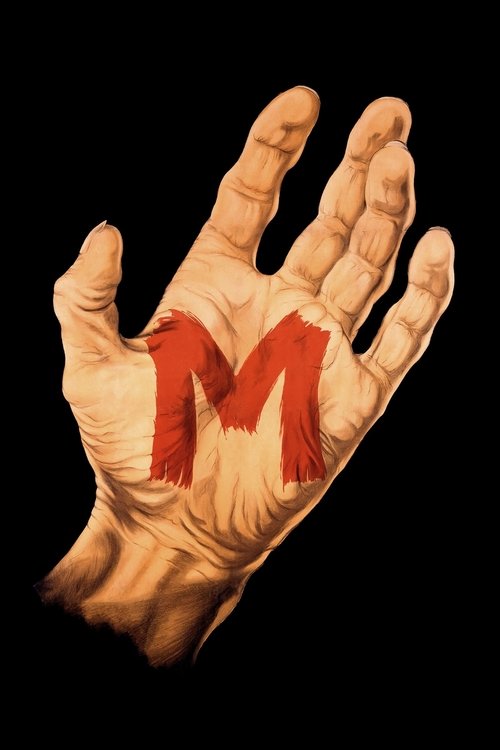
M1931
It's the blueprint He Walked by Night was quietly copying: same manhunt structure, same faith in police technology, but from an era and a language you might never have thought to check.
Fritz Lang's German-language original invented the modern manhunt procedural nearly two decades before He Walked by Night — police radio, forensic detail, a city hunting one elusive man, and a genuinely troubling question about mob justice.
But Early sound-era pacing and subtitles ask more patience than a brisk 79-minute American noir.
More like this (8)
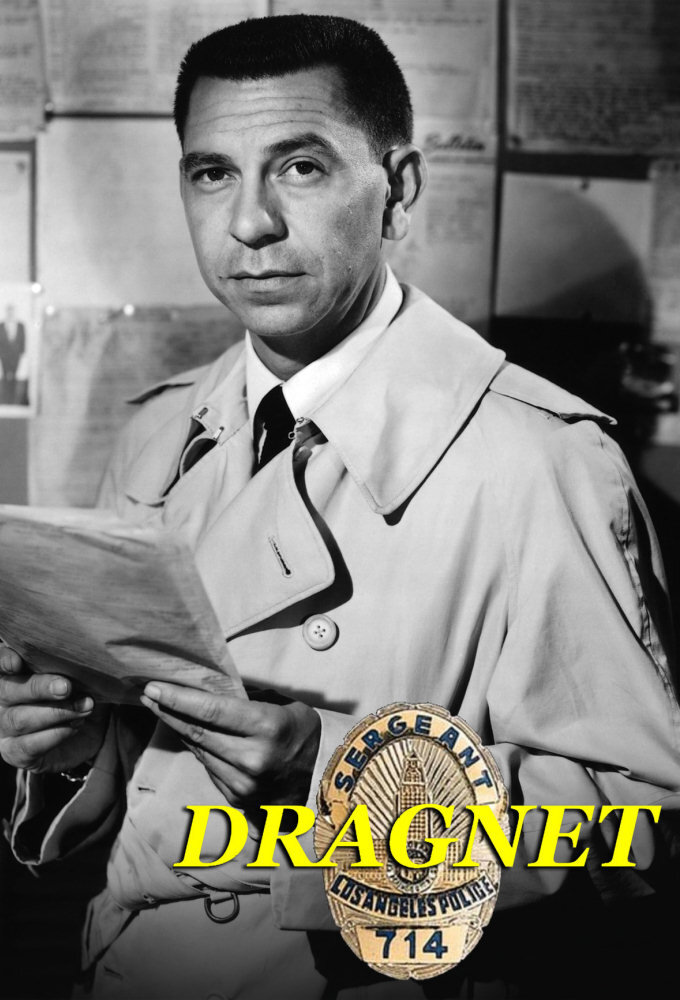
Dragnet1951
Jack Webb played a bit part in the film you just watched, then took its just-the-facts realism and built an entire genre out of it — this is where the DNA actually lands.
But The deadpan delivery that felt fresh in 1951 now plays as deadpan comedy; it's aged into camp for some viewers.
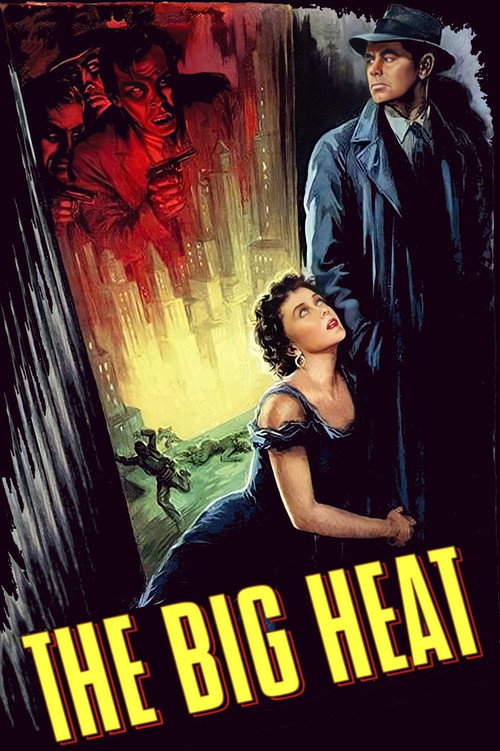
The Big Heat1953
Fritz Lang turns the police procedural into something angrier and more personal — a cop's private war against corruption, with a level of violence that still shocks.
But Less interested in method and technique, more in vengeance; the tone is hotter than the clinical film you just saw.
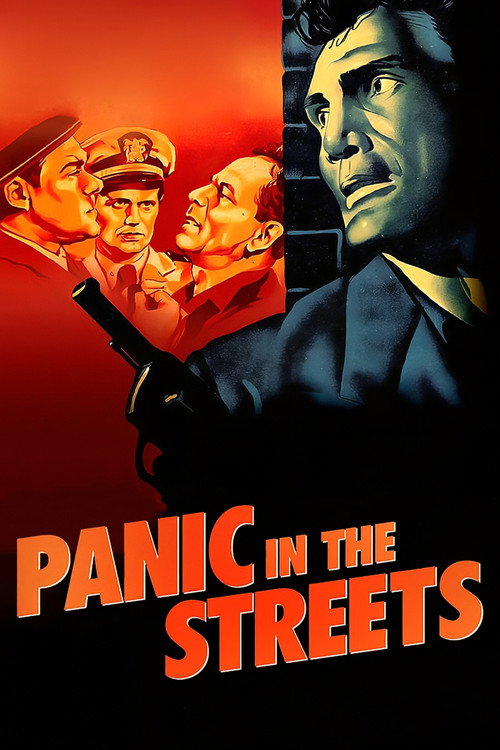
Panic in the Streets1950
Kazan's docu-noir about a health officer racing to find a plague carrier before a manhunt turns into a public health disaster — same procedural tension, different, weirder stakes.
But The medical urgency swaps out noir atmosphere for something closer to a thriller; less shadow, more sweat.
Detective Story1951no page yet
Nearly the whole film unfolds in one squad room over one shift — a claustrophobic, almost theatrical look at the grinding bureaucracy of policing that He Walked by Night only hints at.
But Stagey by design, adapted from a play — if you want streets and shadows, this stays indoors.
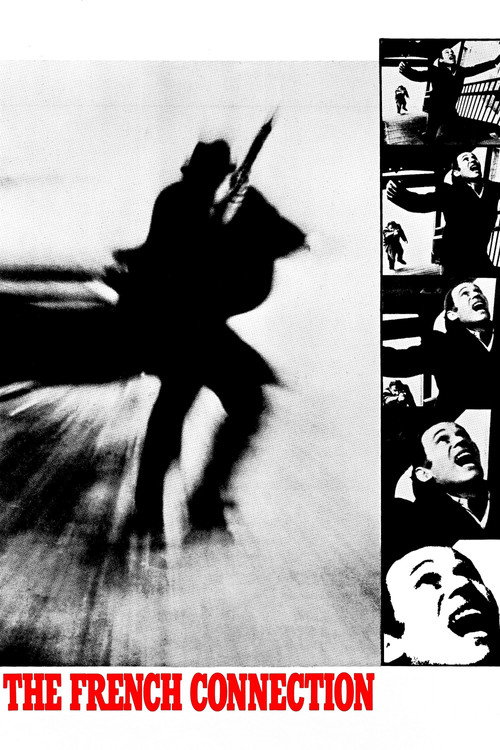
The French Connection1971
The genre's grandchild: gritty, procedural, obsessive, with a cop as monomaniacal as any criminal — proof the formula only got rougher and more paranoid with time.
But Much longer, much dirtier, and morally murkier about its own heroes than the tidy 1949 original.
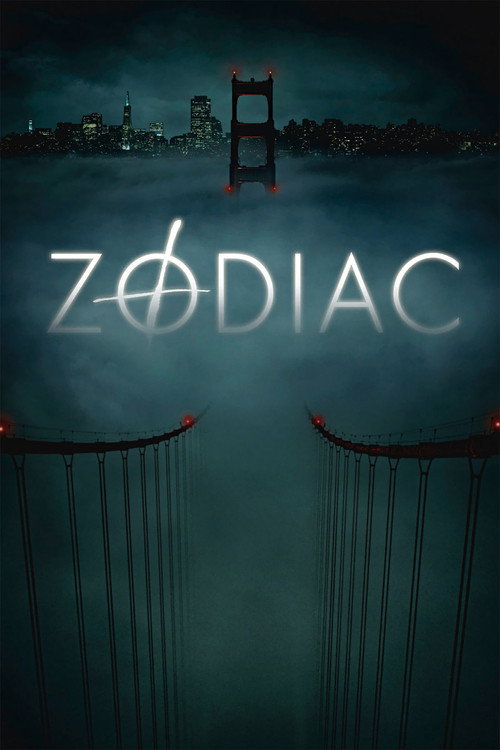
Zodiac2007
Fincher's slow-burn about the limits of investigation itself — obsessive, procedural, and unwilling to give you the satisfying capture the genre usually promises.
But Nearly three hours of frustration by design; if you want the manhunt to actually resolve, it won't.
Manhunt2017
Same engine — an engineer-turned-criminal outwitting the law through technical know-how — stretched into miniseries format so you actually sit inside the investigation's grind rather than racing through it.
An eight-episode dive into the real hunt for a criminal who, like Roy Martin, used his technical brilliance to stay ahead of investigators — only here the tech is forensic linguistics, not radio scanners.
But It's a slow, dialogue-heavy prestige drama, closer to a character study than a chase.

Cure1997no page yet
Same premise — police vs. an almost-invisible criminal — but the register flips from confident 1940s American procedural into cerebral, near-supernatural horror.
A Japanese detective chases a killer who leaves no fingerprints and no motive, in a film that trades noir's cool competence for genuine, creeping dread about whether the investigation can even grasp what it's hunting.
But Deliberately opaque and unsettling rather than satisfying; it withholds the procedural payoff you might expect.
People
Cast
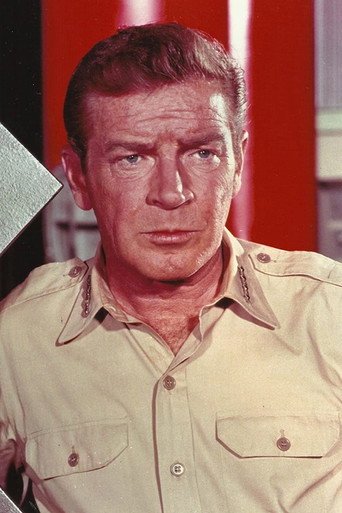 Richard BasehartRoy Martin / Roy Morgan
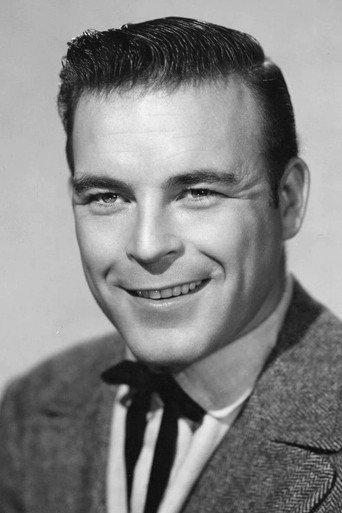 Scott BradyPolice Sgt. Marty Brennan
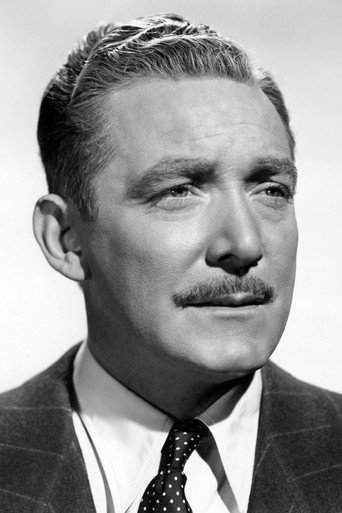 Roy RobertsPolice Captain Breen
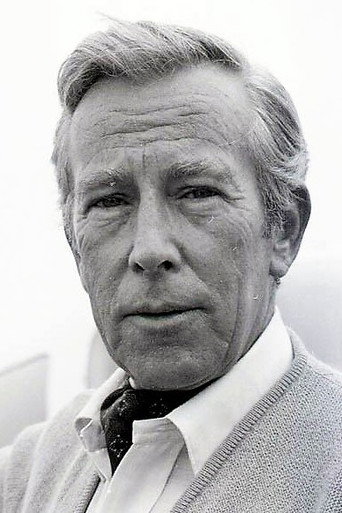 Whit BissellPaul Reeves
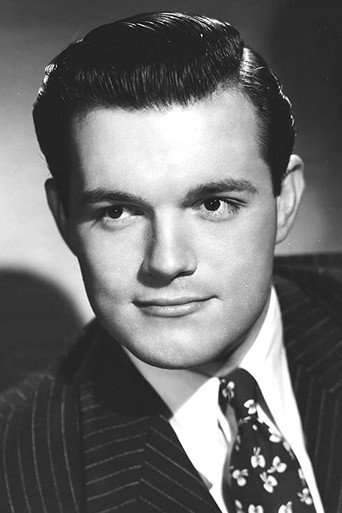 James CardwellPolice Sgt. Chuck Jones
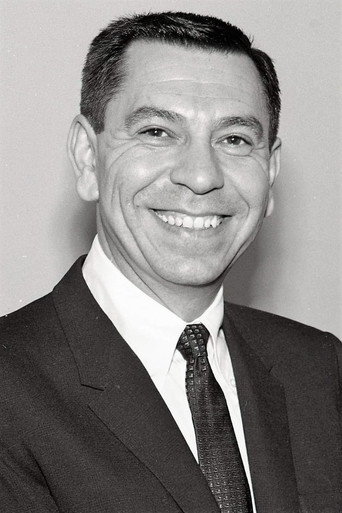 Jack WebbLee Whitey
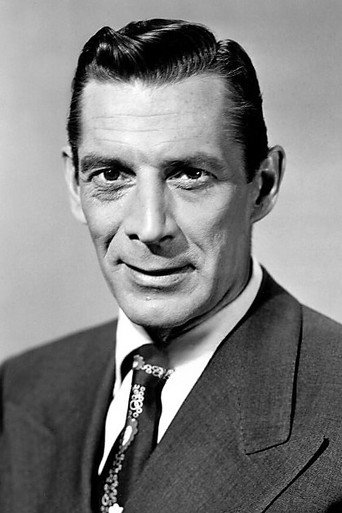 Reed HadleyNarrator (voice) (uncredited)
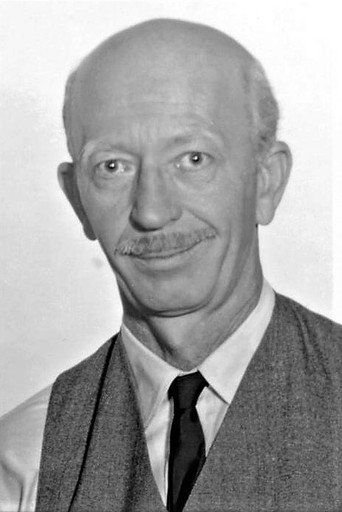 Frank CadyPete Hammond
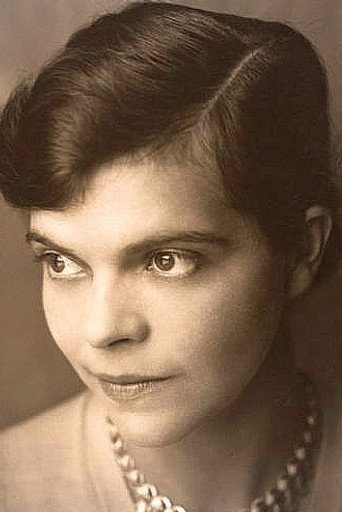 Dorothy AdamsMilk Customer
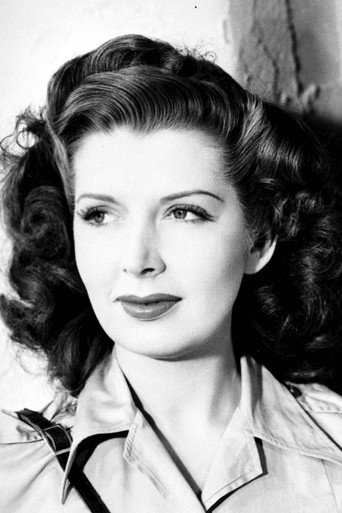 Jane AdamsNurse Scanion (uncredited)
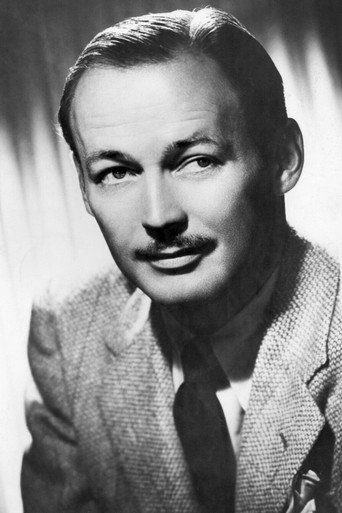 Jack BaileyWitness in Pajamas and Robe (uncredited)
- Alma BeltranMiss Montalvo (uncredited)
Directing
- Howard W. KochAssistant Director
- Alfred L. WerkerDirector
Writing
- Crane WilburScreenplay
- John C. HigginsScreenplay
- Crane WilburStory
Production
- Bryan FoyProducer
- Robert KaneProducer
- James T. VaughnProduction Supervisor