
Film
White Heat
James Cagney's last great gangster performance is a sweaty, coiled thing — a mother-obsessed criminal spiraling toward a spectacular finish. Raoul Walsh directs it like a fever dream, all nervous tics and sudden violence, while Edmond O'Brien's undercover cop quietly circles the wreckage. It's noir at its most theatrical: operatic, unhinged, and built toward one of cinema's great last lines.
If you liked this
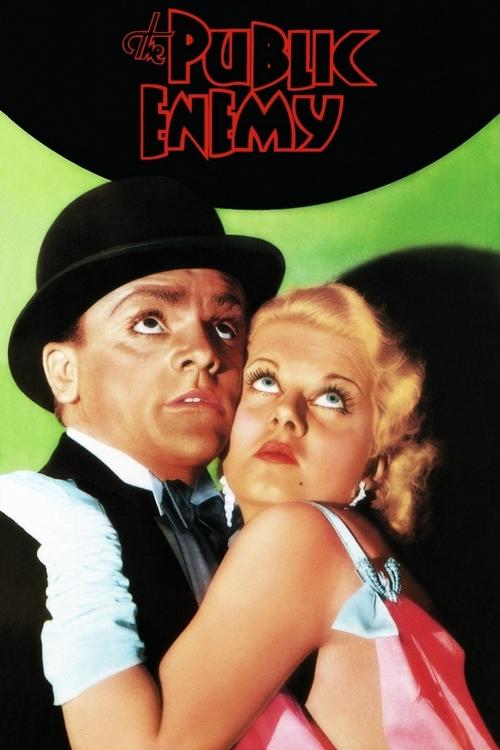
The Public Enemy1931
This is where Cagney's coiled, grinning menace was born — the blueprint White Heat later cracks wide open. Eighteen years earlier, at the dawn of the genre, he's already electric and impossible to look away from.
But Early talkie staging is stagey and slow by modern standards, and most prints show real wear from age.
Angels with Dirty Faces1938
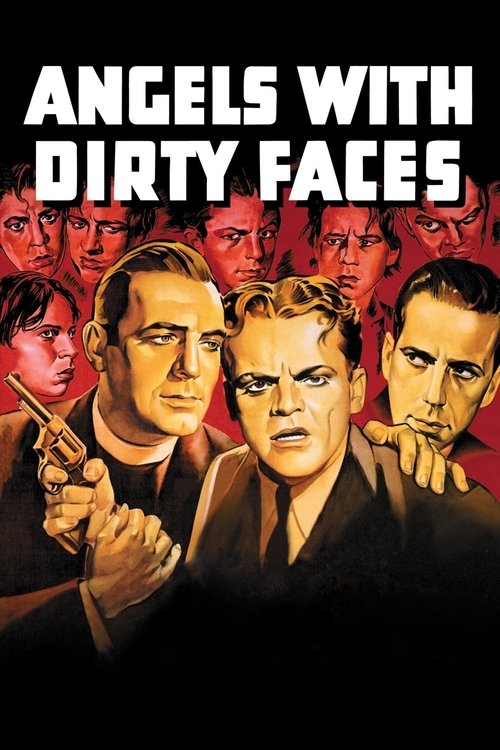
Cagney at his most seductive, playing a gangster kids actually want to grow up to be, with Pat O'Brien as the priest trying to save his soul. Sharper and funnier than you'd expect.
But The Production Code morality feels heavy-handed, and the redemption arc lands more sentimental than anything in White Heat.
The Roaring Twenties1939
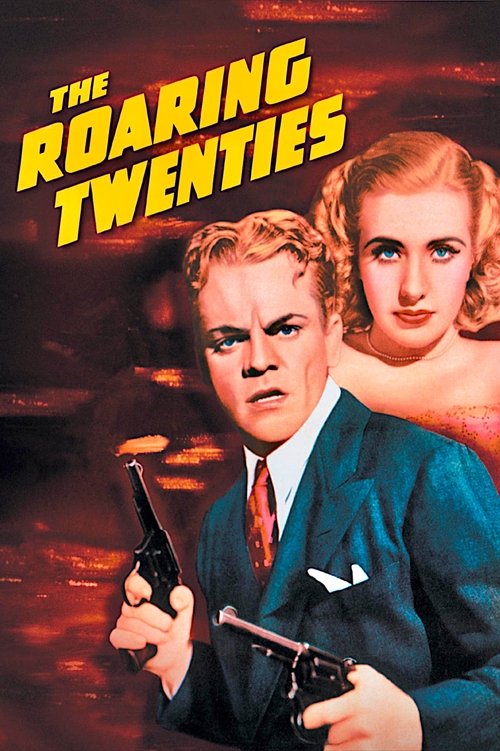
Cagney and Bogart together, tracing one man's rise and fall across Prohibition like a folk ballad. Bigger and sadder than White Heat — a eulogy for an entire era of crime.
But The narrated newsreel structure dates it, and the pacing drifts before the finale finally lands.
The wildcard
Something you would not have found on your own.
Psycho1960
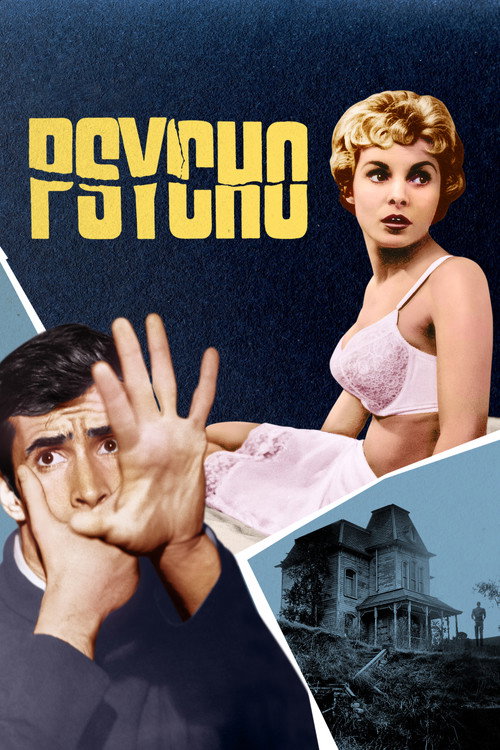
Both films build a violent man entirely around a mother he can't separate from — White Heat plays it as tragic psychosis, Psycho plays it as pure horror. Same wound, different genre entirely.
Hitchcock takes Cody Jarrett's mother obsession and pushes it somewhere even Cagney wouldn't go — a killer whose devotion to 'Mother' curdles into something genuinely monstrous. Same wound, dressed as horror.
But If you already know the twist, some of the dread is gone, and it's slower and quieter than its reputation suggests.
More like this (8)
Kiss of Death1947no page yet
Richard Widmark's cackling, wheelchair-shoving psychopath is the era's other great unhinged villain — a preview of the instability Cagney weaponizes so well. Tight, mean, and still genuinely unsettling.
But Victor Mature's straight-man lead is fairly bland next to Widmark, and the moral framing is more conventional than White Heat's.
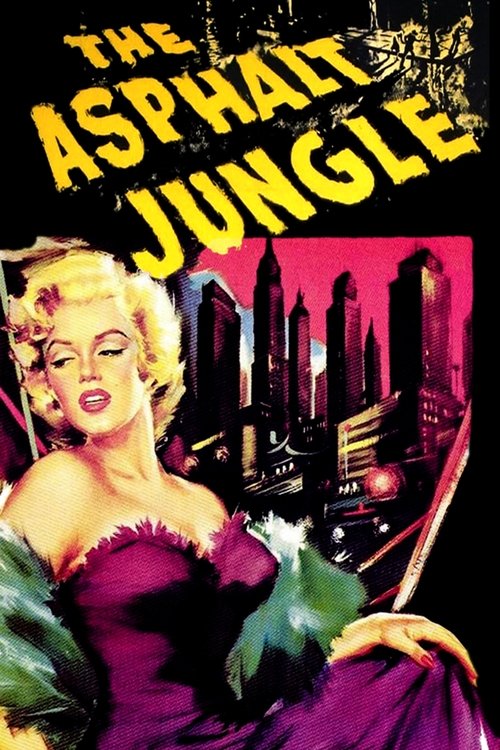
The Asphalt Jungle1950
John Huston's patient, procedural heist film treats criminals as tired working men with a job to do. Less operatic than White Heat, but just as fatalistic about where crime leads.
But It's slower and talkier, built for people who enjoy planning montages more than shootouts.
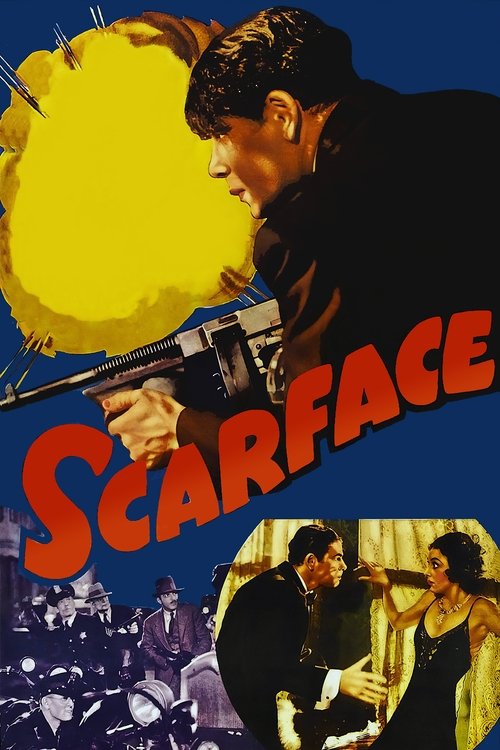
Scarface1932
Paul Muni's Tony Camonte is Cody Jarrett's spiritual older brother — impulsive, mother-fixated, thrillingly reckless. This is the film that wrote the genre's rules before White Heat gleefully broke a few.
But Some of the acting is broad even for 1932, and the censored ending softens the original's punch.
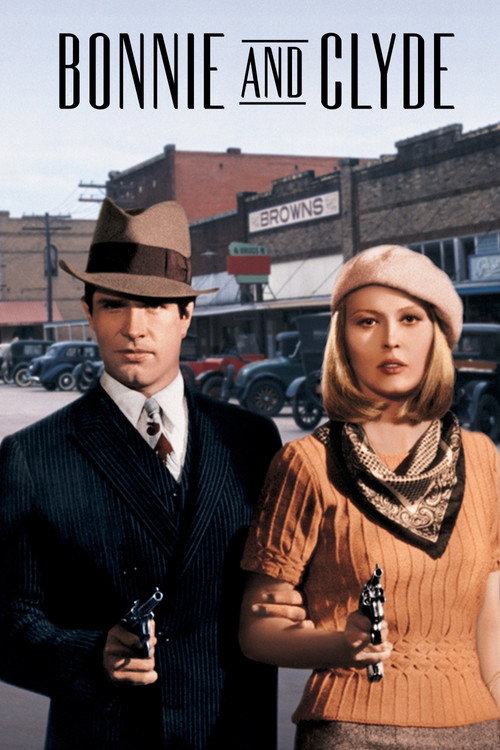
Bonnie and Clyde1967
Takes the doomed-outlaw formula and injects it with sex, jazz-age glamour, and sudden ugly violence. If you want to see how this genre mutated for a new decade, start here.
But The tonal whiplash between comedy and horror was shocking in 1967 and still catches some viewers off guard.
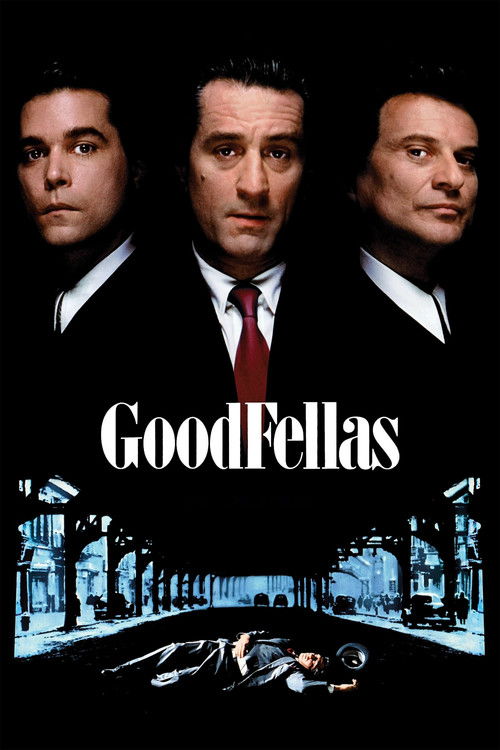
GoodFellas1990
Scorsese's dizzying, wall-to-wall-narrated tour of mob life turns White Heat's psychosis into something more banal and more terrifying — crime as lifestyle, not eruption. Endlessly rewatchable.
But Nearly two and a half hours of amoral bravado can feel exhausting if you're not already sold on the style.
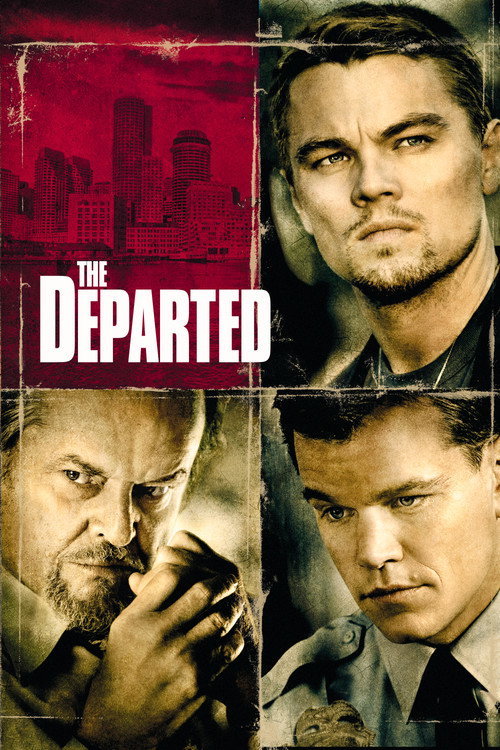
The Departed2006
Takes the undercover-man tension buried in White Heat's back half and blows it up into a full paranoid thriller, complete with a stacked cast and Scorsese's restless energy.
But The plotting gets baroque in the back half, and some prefer the quieter Hong Kong film it's based on.
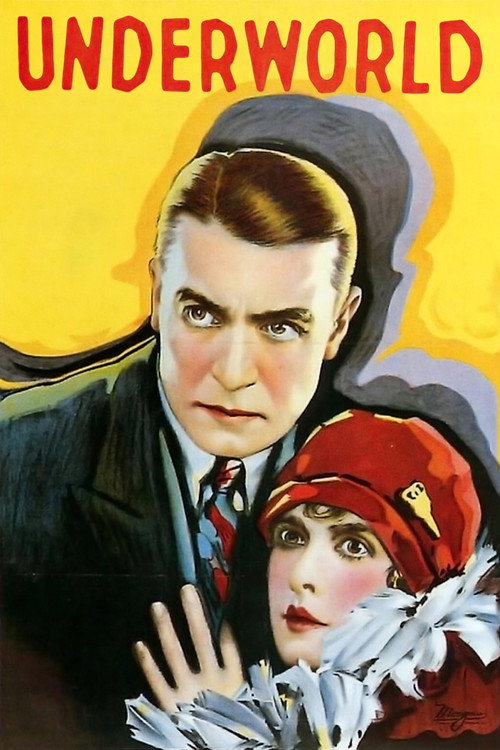
Underworld1927
Von Sternberg's silent underworld epic laid down the genre's whole grammar — the charismatic doomed crook, the loyal woman, the blaze-of-glory ending — that White Heat inherits and detonates two decades later.
Silent, stylish, and twenty-two years before White Heat — this is the film that essentially invented the American gangster picture, with a doomed criminal, a woman caught between two men, and a code of honor.
But No dialogue, and the melodrama is broader and slower than anything from the sound era — a real patience test for some.
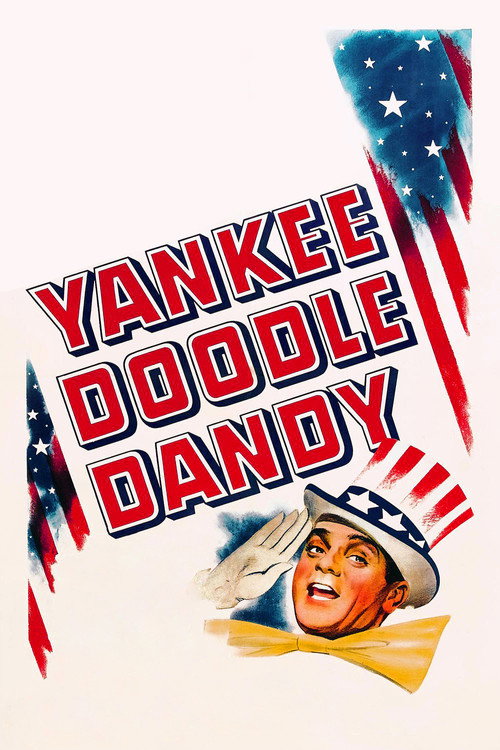
Yankee Doodle Dandy1942
Same actor, opposite register: the electric physicality that makes Cody Jarrett so terrifying is the same coiled energy Cagney pours into joyful song-and-dance here. Seeing both shows how deliberate his madness in White Heat really was.
Cagney won his only Oscar for this, playing songwriter George M. Cohan as a beaming, tap-dancing patriot. Same actor, seven years before Cody Jarrett, radiating pure sunny charm instead of menace.
But It's a flag-waving musical biopic with zero crime and zero darkness — a jarring change of pace if you came for gangster energy.
People
Cast
 James CagneyArthur 'Cody' Jarrett
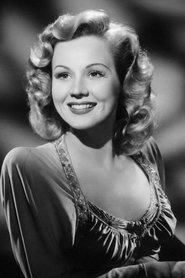 Virginia MayoVerna Jarrett
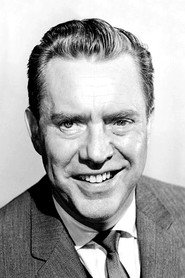 Edmond O'BrienVic Pardo
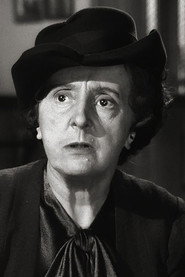 Margaret WycherlyMa Jarrett
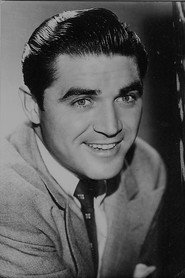 Steve Cochran'Big Ed' Somers
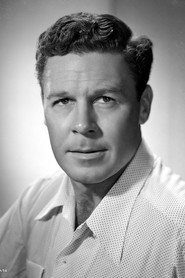 John ArcherPhilip Evans
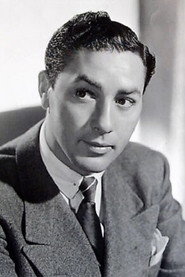 Wally Cassell'Cotton' Valletti
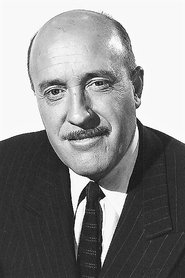 Fred ClarkDaniel Winston
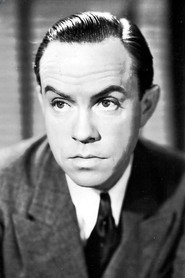 Paul GuilfoyleRoy Parker (uncredited)
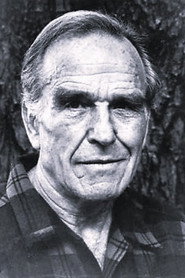 Ford RaineyZuckie
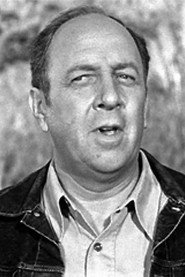 Robert FoulkPayroll Guard at Chemical Plant
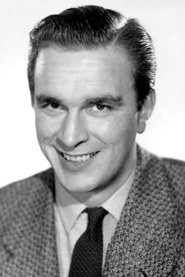 Ian MacDonaldCreel
Directing
- Russell SaundersAssistant Director
- Raoul WalshDirector
- Irva Mae RossScript Supervisor
Writing
- Ben RobertsScreenplay
- Ivan GoffScreenplay
- Virginia KelloggStory
Production
- Louis F. EdelmanProducer
Recommended by
The Godfather Part II, The Public Enemy, Scarface, The Grifters, Animal Kingdom, High Sierra, He Walked by Night, Angels with Dirty Faces, The Roaring Twenties, Scarface, T-Men, Underworld