
Film
The Doorway to Hell
A 1930 crime drama where a powerful mobster hands his empire to his right-hand man before retiring—only to discover his bride and his successor are already entangled. Early sound-era gangster film with a bitter love triangle at its core, gripping and economical in the Warner Bros. tradition.
Should you watch it?
Watch it if you are drawn to early gangster pictures where the underworld is played straight, the loyalties are murky, and you don't mind the stagey dialogue of a creaky 1930 talkie.
Skip it if you need slick pacing and modern polish, since at 78 minutes its early sound recording, stiff staging and talky scenes can feel dated fast.
What it asks of you: Expect a brisk, compact shape and the rough edges of 1930 sound, so settle in for one short sitting rather than background viewing.
Not sure? Find tonight's pick in a minute.
If you liked this
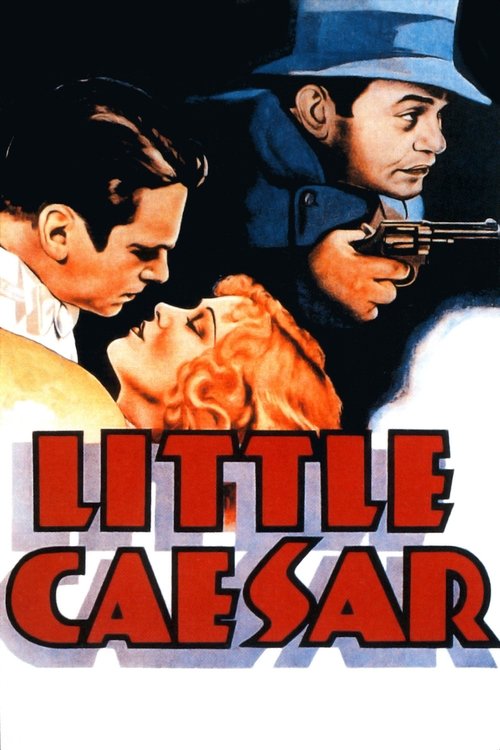
Little Caesar1931
The definitive early sound gangster picture. Edward G. Robinson's rise and fall set the template that still holds, with crackling dialogue and genuine moral complexity beneath the mayhem.
But Some pacing feels remote by modern standards, and the opening act takes time establishing Robinson's world before the engine properly turns.
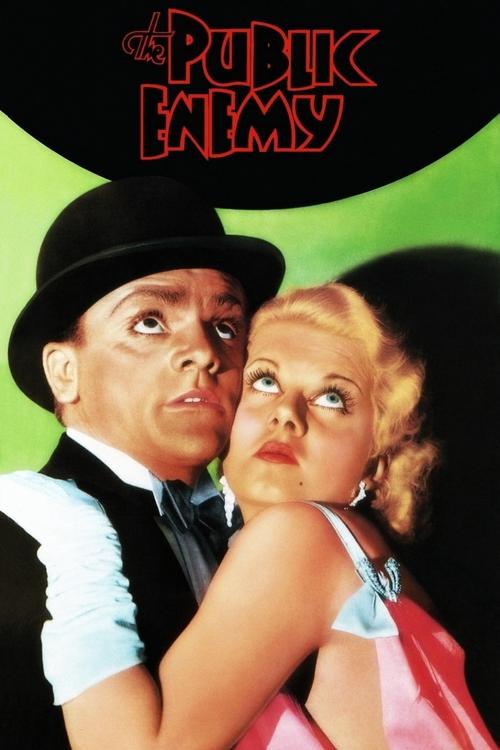
The Public Enemy1931
James Cagney at his most feral and mesmerizing, playing a brutal hoodlum with unexpected tenderness. The violence is shocking for 1931, the character work startling.
But The ending pivots toward moral instruction in a way that feels tacked on, even by the standards of the era. Some will find it sanctimonious.
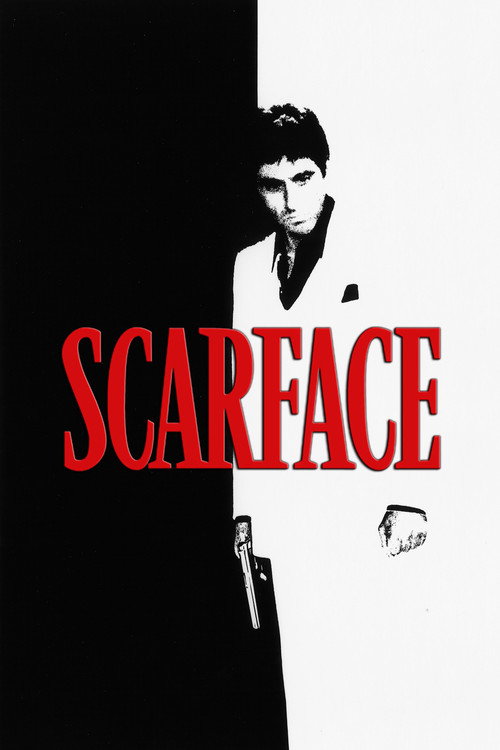
Scarface1983
De Palma's operatic cocaine-era remake, all baroque excess and manic energy. It captures the same rise-and-fall architecture but in Technicolor psychosis. Pacino is unforgettable.
But The relentless brutality and misogyny are exhausting by design. If you want restraint or subtlety, this is the opposite. It's a lot.
Not sure tonight? Get a pick in a minute, starting from The Doorway to Hell
The wildcard
Something you would not have found on your own.
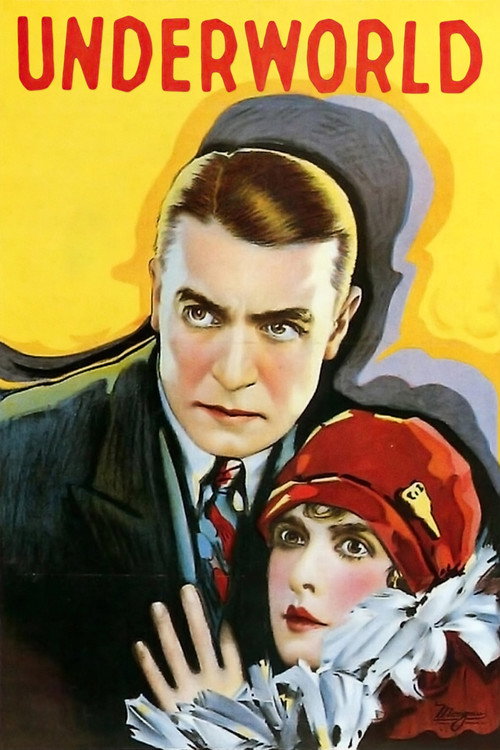
Underworld1927
Von Sternberg's visual grammar and the archetype of the crime boss with a moral wound flows directly into the 1930 Warner Bros. gangster boom. *Doorway* owes it everything.
Josef von Sternberg's 1927 silent film is essentially the grandfather of *The Doorway to Hell*—it invented the sympathetic mobster and the violent underworld romance. Watching it explains why the 1930 sound film exists.
But It is silent and requires adjustment. The pacing is stately by modern standards. The emotional power requires you to meet it halfway, which not everyone will.
More like this (8)
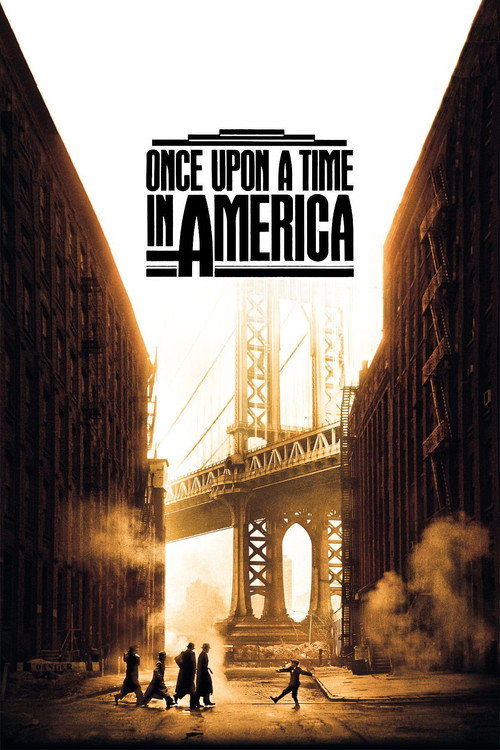
Once Upon a Time in America1984
Sergio Leone's four-hour meditation on power, loyalty, and corruption in Prohibition-era New York. Dreamlike, mournful, and structurally daring. The emotional weight is immense.
But At 251 minutes, it demands patience. The fractured timeline can feel opaque on first viewing. Some find it ponderous where others find it profound.
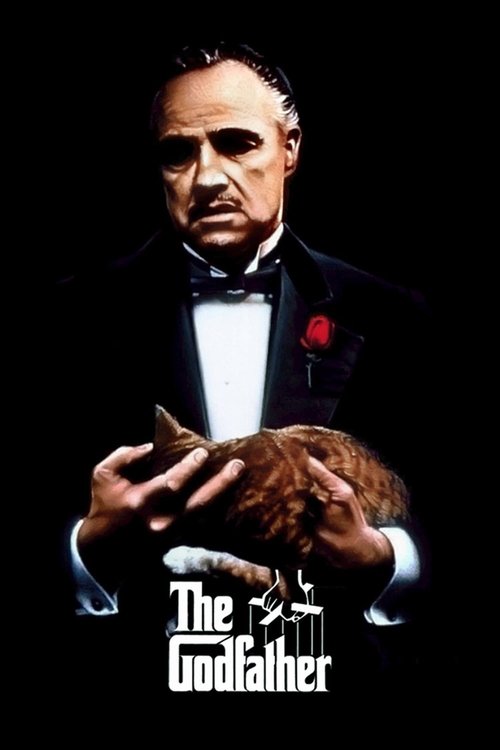
The Godfather1972
The most assured crime epic ever made. Coppola's command of tone, character, and mythology is total. Every frame is composed as if it matters, because it does.
But It's canonical and visible everywhere. If you're seeking novelty or surprise, you won't find it here—you'll find perfection, which is a different thing.
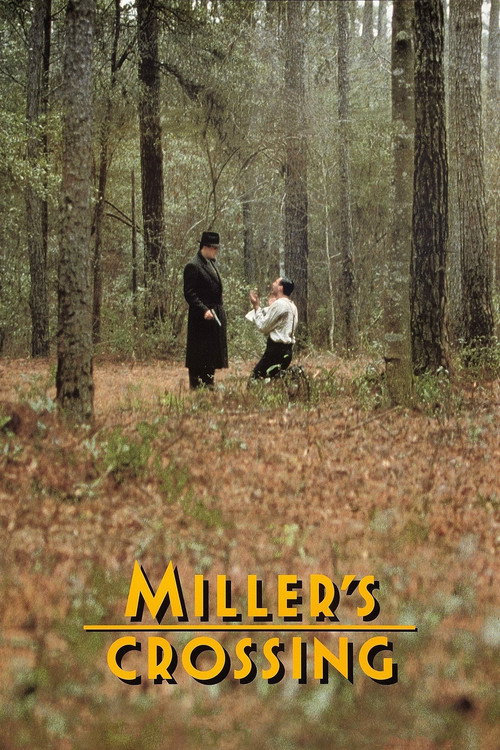
Miller's Crossing1990
The Coen Brothers' Prohibition gangster noir, all fedoras, double-crosses, and Gabriel Byrne's exhausted grace. Witty without being flip, violent without being gratuitous.
But The dense plotting can feel baroque; some scenes feel like they're speaking in code. It rewards rewatching but won't hand you everything on first pass.
A Prophet2009
A young Algerian-French man enters prison and methodically reinvents himself through alliance, manipulation, and will. Gripping, morally unsettling, and it moves like a crime novel.
But The prison claustrophobia is intentional and unrelenting. Some will find the protagonist's amorality difficult to sit with. Subtitled.

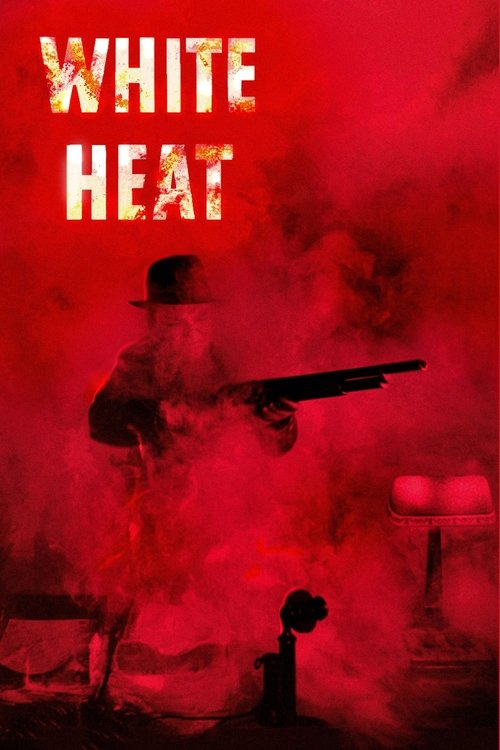
White Heat1949
Cagney as a psychopathic gangster with a mother complex, finally allowed to be as dangerous as he promised in 1930. Raw, unhinged, a glimpse of the actor he'd always been.
But It's much darker and weirder than the gangster formula that solidified after it. The Oedipal obsession will feel strange to some. Lean at 114 minutes but dense.
The Killing1956
Kubrick's debut: a heist-gone-wrong told from multiple perspectives, each revealing new treachery. Economical, clever, with a fatalism that still stings.
But The fragmented structure was daring in 1956 but is now familiar language. The ending's bleakness offers no comfort. Some find it too schematic.

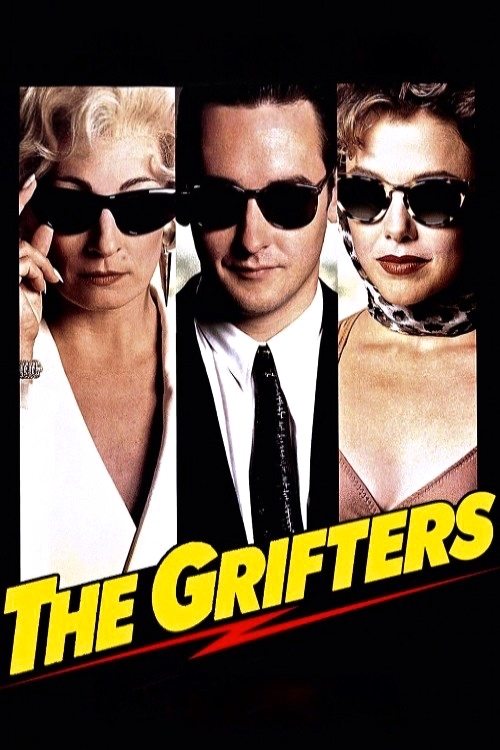
The Grifters1990
Both pivot on a lethal romantic entanglement within a criminal hierarchy. Both are more interested in betrayal than heists. Both are ice-cold about desire.
Three con artists—a mother, son, and lover—locked in a triangle of deception and need. Like *Doorway*, it's a crime story where the real damage is emotional, not criminal. Taut, poisonous, intimate.
But The characters are all selfish and scheming. There's no one to root for, only people to watch burn. If you need moral clarity or likability, this will frustrate you.
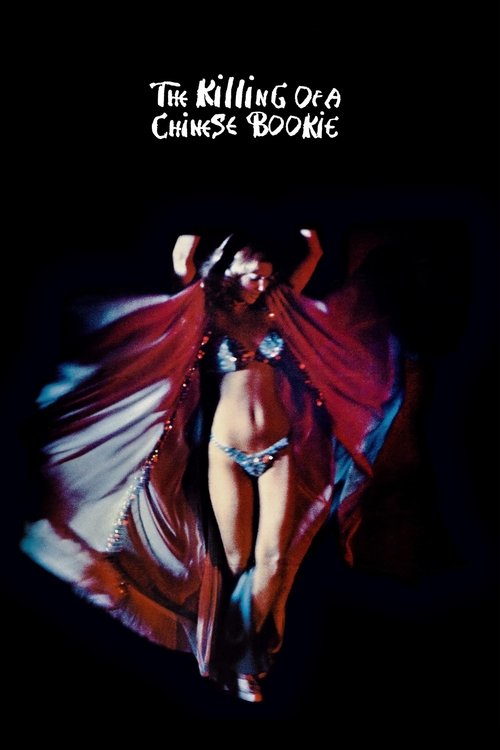
The Killing of a Chinese Bookie1976
A gangster protagonist choosing dignity over power, trying to exit the life before it devours him—the same impulse that drives *Doorway*'s opening premise. But Cassavetes tears it down and rebuilds it in his own image.
Cassavetes' obsessive, elliptical character study of a small-time gangster trying to maintain dignity in a world that won't let him. Improvised, tender, completely unconventional. The emotional heart of crime cinema.
But It's deliberately shapeless and low-budget. You will not know what happens next. The repetitive dialogue and loose framing infuriate audiences expecting plot. It's about mood, not story.
People
Cast
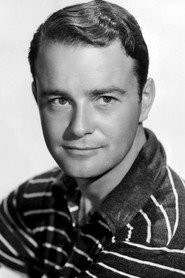 Lew AyresLouie Ricarno
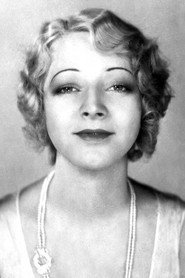 Dorothy MathewsDoris Ricarno
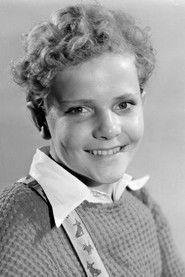 Leon JanneyJackie Lamarr
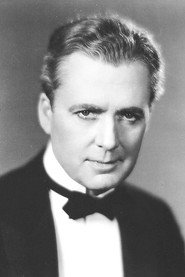 Robert ElliottCaptain Pat O'Grady
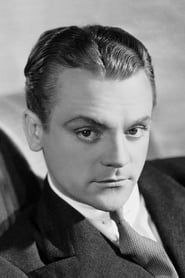 James CagneySteve Mileaway
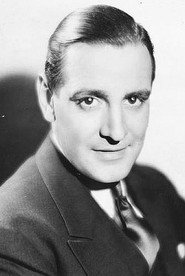 Kenneth ThomsonCaptain of Academy
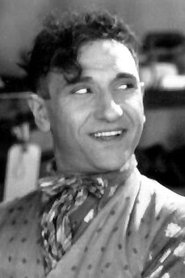 Jerry MandyGimpy, Gangster
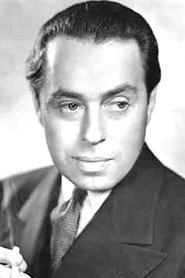 Noel MadisonRocco
- Edwin ArgusThe Midget
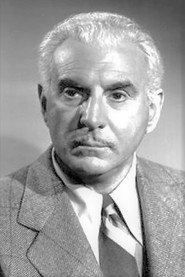 Eddie KaneDr. Morton
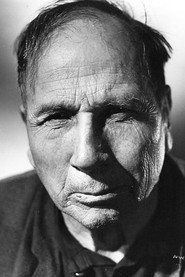 Tom WilsonBig Shot Kelly, Gangster
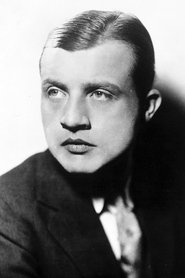 Dwight FryeMonk, Gangster
Directing
- Archie MayoDirector
Writing
- George RosenerDialogue
- Rowland BrownOriginal Story
- George RosenerScreenplay
- Rowland BrownStory
Production
- Darryl F. ZanuckExecutive Producer