
Film
Underworld
Josef von Sternberg's silent crime picture is usually credited as the film that invented the gangster genre wholesale — the tommy guns, the loyal moll, the doomed underworld code of honour. It's visually gorgeous and morally simple, more interested in shadows and faces than plot mechanics. Good for anyone curious where every mob movie since actually came from.
If you liked this
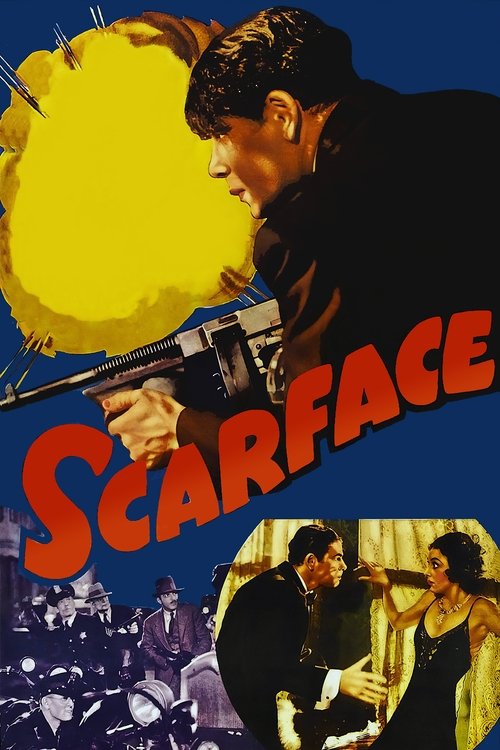
Scarface1932
Howard Hawks and a young Paul Muni turn the Underworld template up to eleven — faster, meaner, more explicitly modelled on real Prohibition gangsters. It's the sound-era answer to von Sternberg's silent blueprint.
But Muni's accent is a lot, and the pre-Code melodrama can feel broad compared to the original's restraint.
Little Caesar1931no page yet
Edward G. Robinson's breakout, and the film that proved Underworld's gangster-as-tragic-hero formula could carry sound and dialogue just as well as silence and shadow.
But Stagey and talky by modern standards, with pacing that shows its very early-sound-era seams.
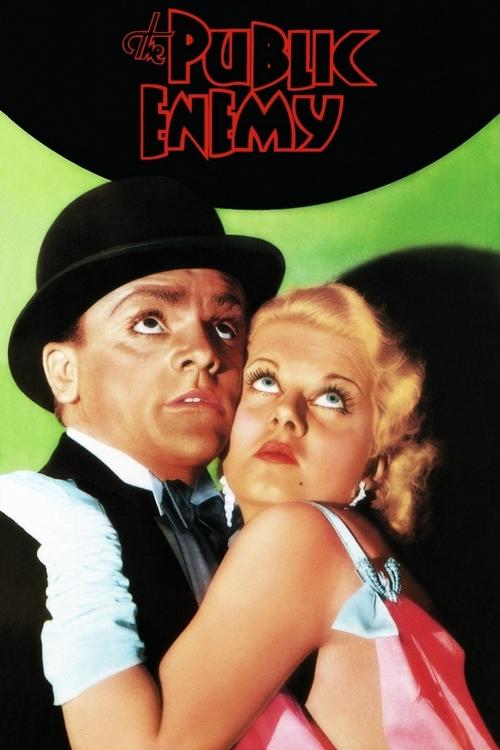
The Public Enemy1931
Cagney's star-making turn, brutal and funny and genuinely startling for how little it moralises about its violent, magnetic antihero. Direct descendant of Bull Weed.
But Some of the social messaging is heavy-handed, and the female characters are thinly drawn even by 1930s standards.
The wildcard
Something you would not have found on your own.
Dr. Mabuse, the Gambler1922no page yet
Von Sternberg's visual grammar of shadow, silhouette and criminal glamour owes a direct debt to German expressionist crime films like this one — it's the influence hiding behind Underworld's style.
Fritz Lang's silent German crime epic, made five years before Underworld, gives you the criminal mastermind as shadowy, godlike figure controlling a city through fear and disguise. A genuine ancestor.
But It's over four hours across two parts, deliberately hypnotic rather than exciting, and asks patience most modern viewers won't have.
More like this (8)
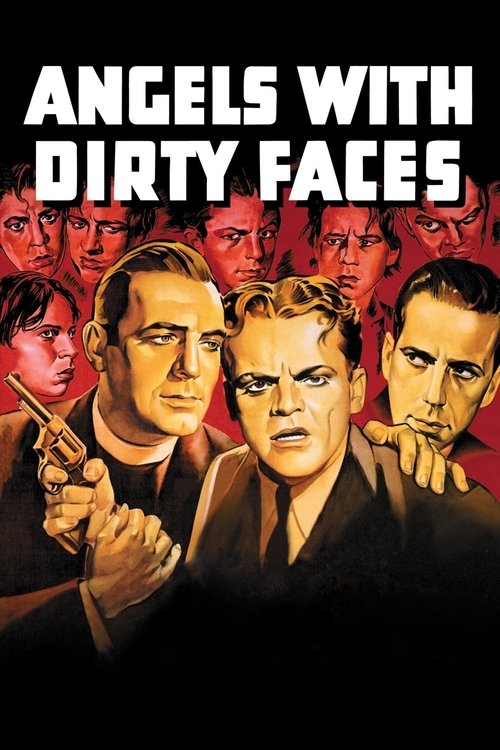
Angels with Dirty Faces1938
Cagney and Pat O'Brien play childhood friends who went opposite ways, wrestling with the same question Underworld asks about loyalty, honour, and whether a criminal can be a good man.
But The priest-versus-gangster morality is laid on thick, and the ending plays its hand a little too neatly.
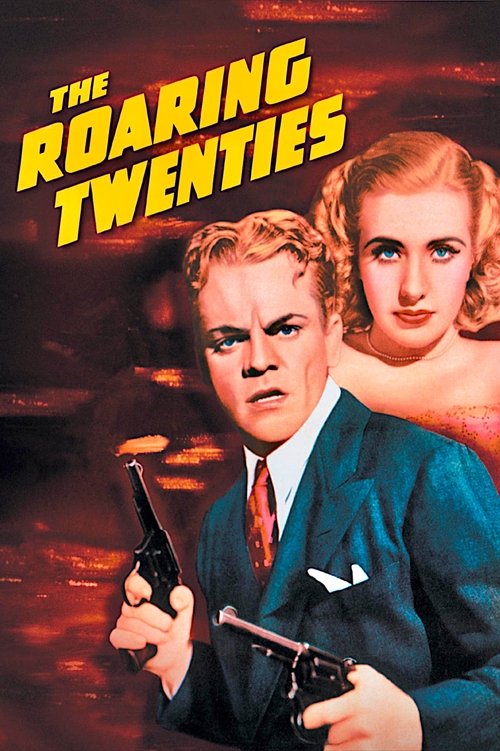
The Roaring Twenties1939
An epic, elegiac sweep through Prohibition told with real sorrow for the men it chews up — Cagney and Bogart both terrific, and the closing shot is one of the genre's great images.
But Its documentary-style narration framing feels dated, and the romantic subplot is fairly thin.
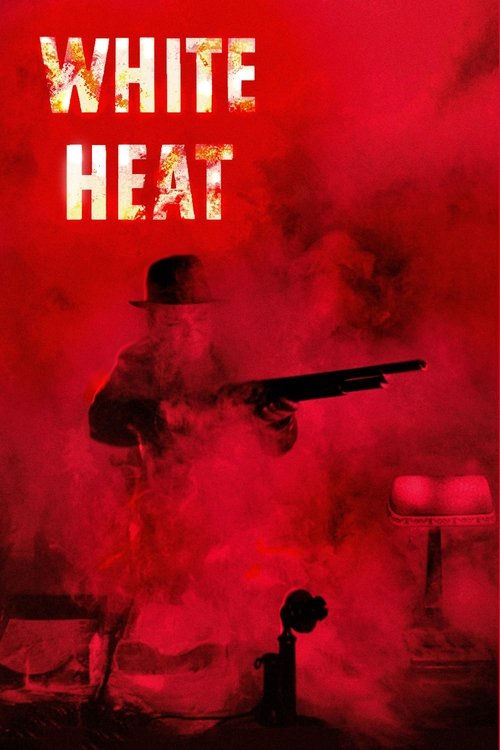
White Heat1949
Cagney's Cody Jarrett is gangster mythology pushed into outright psychosis — mother-obsessed, unhinged, unforgettable. Shows where the doomed-outlaw archetype Underworld created eventually curdled.
But Jarrett's a genuinely repellent protagonist with none of Bull Weed's rough charm — this one doesn't want you to like him.
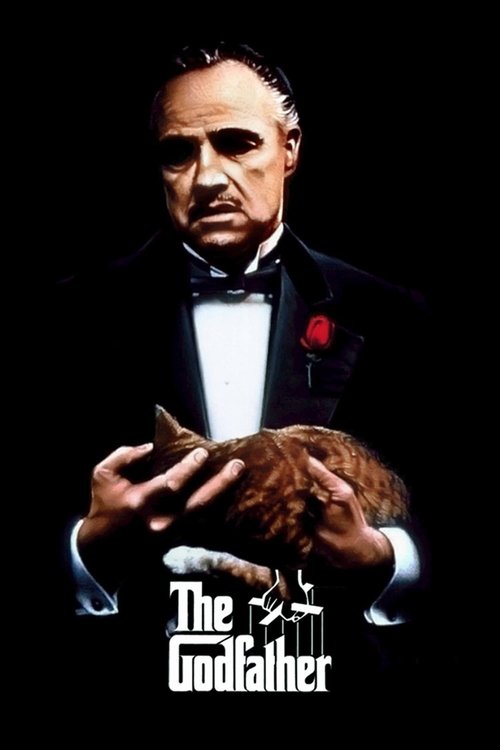
The Godfather1972
The gangster picture as grand American opera, all of Underworld's loyalty-and-betrayal DNA scaled up into something novelistic and enormous. Essential, and it earns every minute of its reputation.
But Three hours plus a sequel commitment is a real ask, and you've probably absorbed half of it through pure cultural osmosis already.
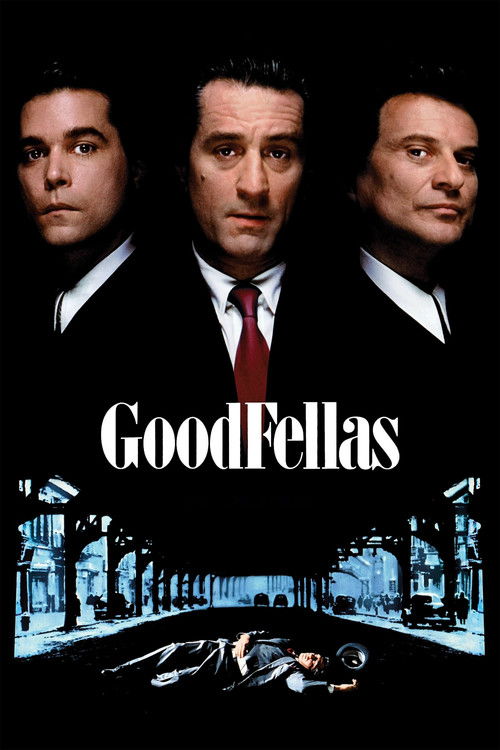
GoodFellas1990
Scorsese takes the same underworld glamour and turns the camera loose — freeze frames, needle drops, a narrator who can't stop talking. Pure kinetic pleasure in watching crime look fun before it isn't.
But The violence is far more graphic and casual than anything in the 1927 original, and the runtime never really slows down.
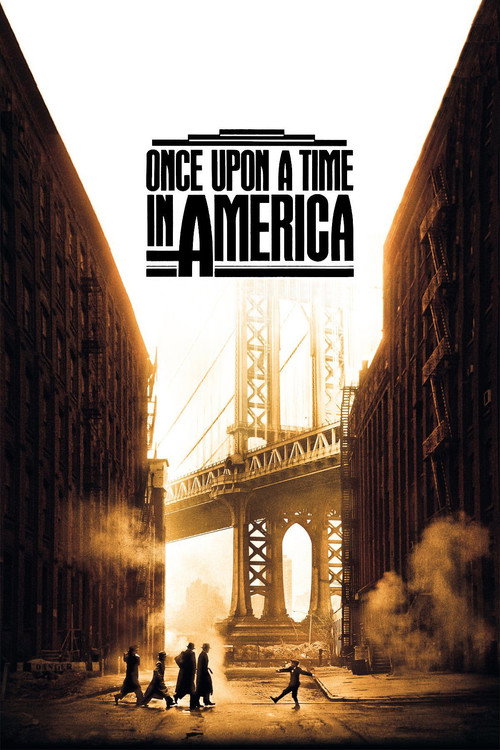
Once Upon a Time in America1984
Leone's sprawling, melancholic gangster epic treats the whole genre as a fading dream, which makes it the closest modern film in spirit to Underworld's romantic fatalism.
But Nearly four hours, deliberately slow, and structured as a hazy fever-dream rather than a clean plot — patience required.
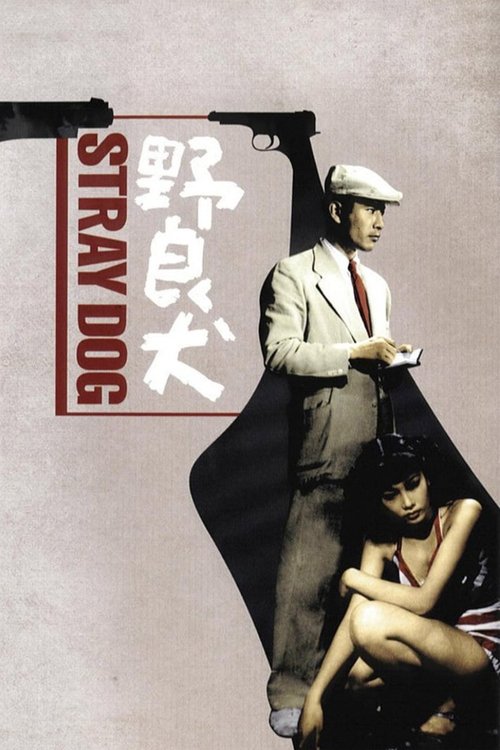
Stray Dog1949
Same doomed-city, same-underworld-code mood as Underworld, but flipped from the criminal's swagger to a cop's shame — the genre's romantic fatalism turned inward and serious.
Kurosawa's postwar noir follows a young detective hunting the man who stole his gun through the black markets of a ruined Tokyo — same underworld fatalism, filtered through guilt rather than glamour.
But It's slower and more procedural than a typical gangster picture, and the moral weight sits heavier than the pulpy fun of the 1927 original.
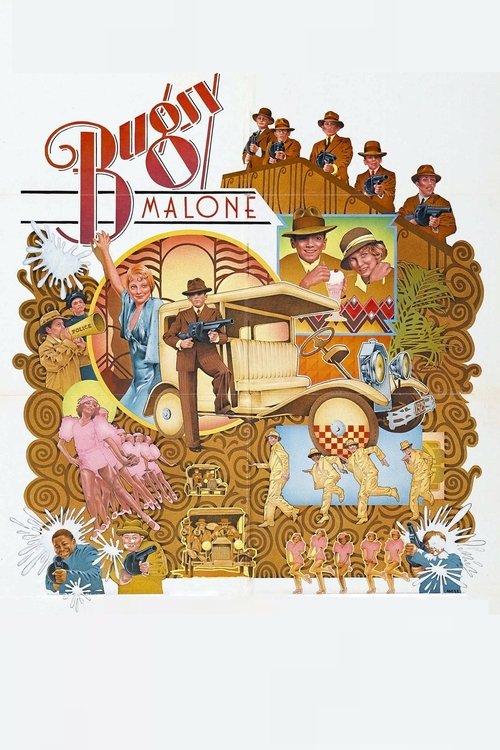
Bugsy Malone1976
It's built entirely from the same iconography Underworld helped invent — the moll, the boss, the shootout — just replayed as pure comic pastiche, proving how deeply those images sank into culture.
A British musical where every gangster is played by a child, guns fire whipped cream, and Prohibition-era tropes get turned into a delightfully silly song-and-dance spoof.
But If you want your gangster fix straight and dramatic, a splurge-gun musical starring ten-year-olds is going to feel like a joke you're not in on.
People
Cast
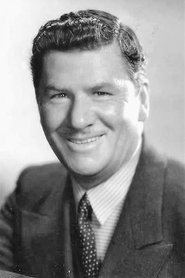 George BancroftBull Weed
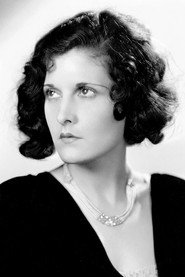 Evelyn BrentFeathers
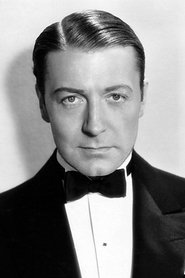 Clive BrookRolls Royce
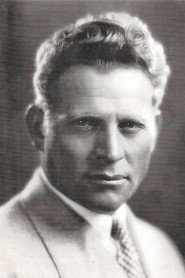 Fred KohlerBuck Mulligan
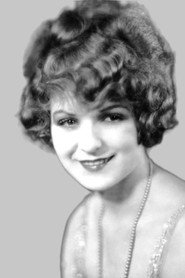 Helen LynchMulligan's Girl
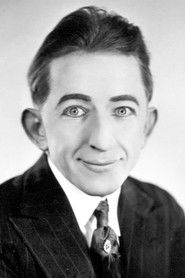 Larry SemonSlippy Lewis
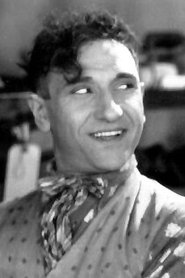 Jerry MandyPaloma
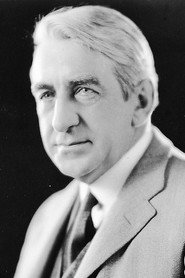 Alfred AllenJudge (uncredited)
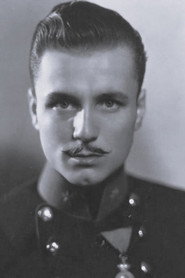 Shep HoughtonStreet Kid (uncredited)
- Andy MacLennanLaughing Man at the Ball (uncredited)
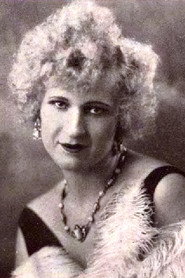 Ida MayLaughing Woman at the Ball (uncredited)
- Karl MorseHigh Collar Sam (uncredited)
Directing
- Josef von SternbergDirector
Writing
- Charles FurthmanAdaptation
- Robert N. LeeScreenplay
- Ben HechtStory
Production
- B.P. SchulbergAssociate Producer
- Hector TurnbullProducer
Recommended by
The Public Enemy, White Heat, Angels with Dirty Faces, The Roaring Twenties, Scarface